
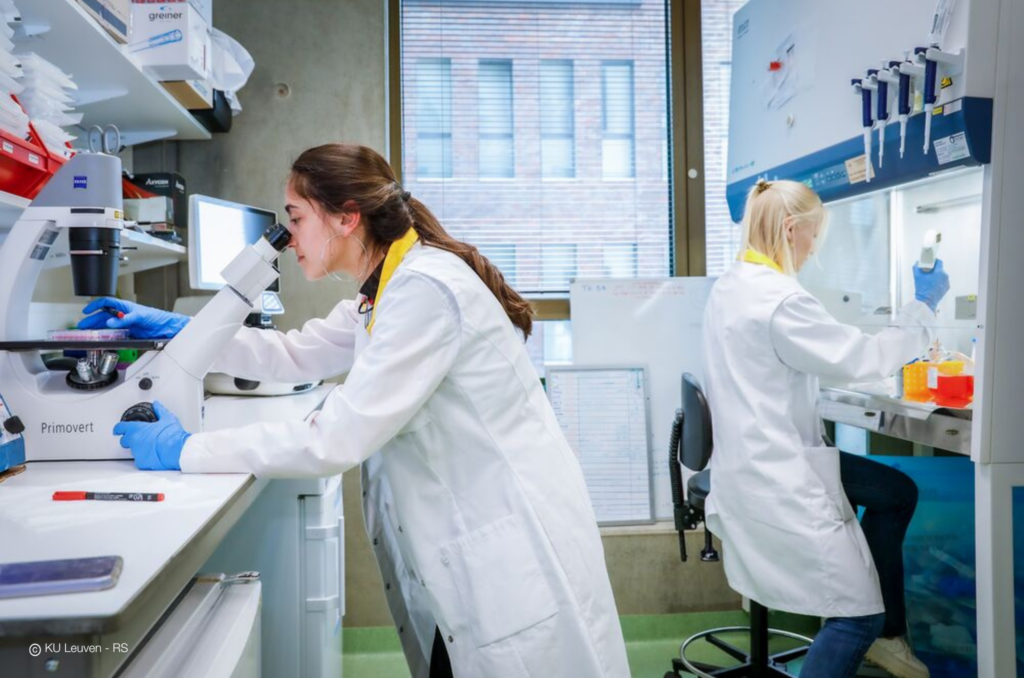
Researchers at the Rega Institute of the Catholic University of Leuven have identified a potential treatment for severe malaria, they announced on Wednesday.
The drug ruxolitinib could combat inflammation and glucose deficiency in critically ill malaria patients, which are two symptoms that can be fatal.
The medication has so far only been tested on mice suffering from severe malaria; these mice exhibited similar symptoms to human patients, experiencing malfunctions in stress hormone glucocorticoids that lead to acute glucose deficiency and extreme inflammatory reactions. “The treatment with this drug prevented both glucose deficiency and inflammation,” explained Dr. Fran Prenen, the doctoral researcher on the project, adding that “the drug blocks a harmful part of the immune system.”
Although most malaria cases result in mild symptoms, some patients suffer severely, with 15 to 20% of these cases resulting in death. Annually, nearly 600,000 people succumb to malaria, with infection risks particularly high in Africa and the Amazon region.
Ruxolitinib, already used to slow certain bone marrow cancers, showed promising parallels with malaria patients in symptoms and molecular processes, leading the lab to explore its potential further.
Additional research is necessary to determine whether the positive results in mice will translate to humans. “In our lab, we will continue to investigate the underlying mechanisms of malaria,” said Professor Philippe Van den Steen, head of the Laboratory of Immunoparasitology. “There may be other existing medications that impact the processes we have identified.”
