
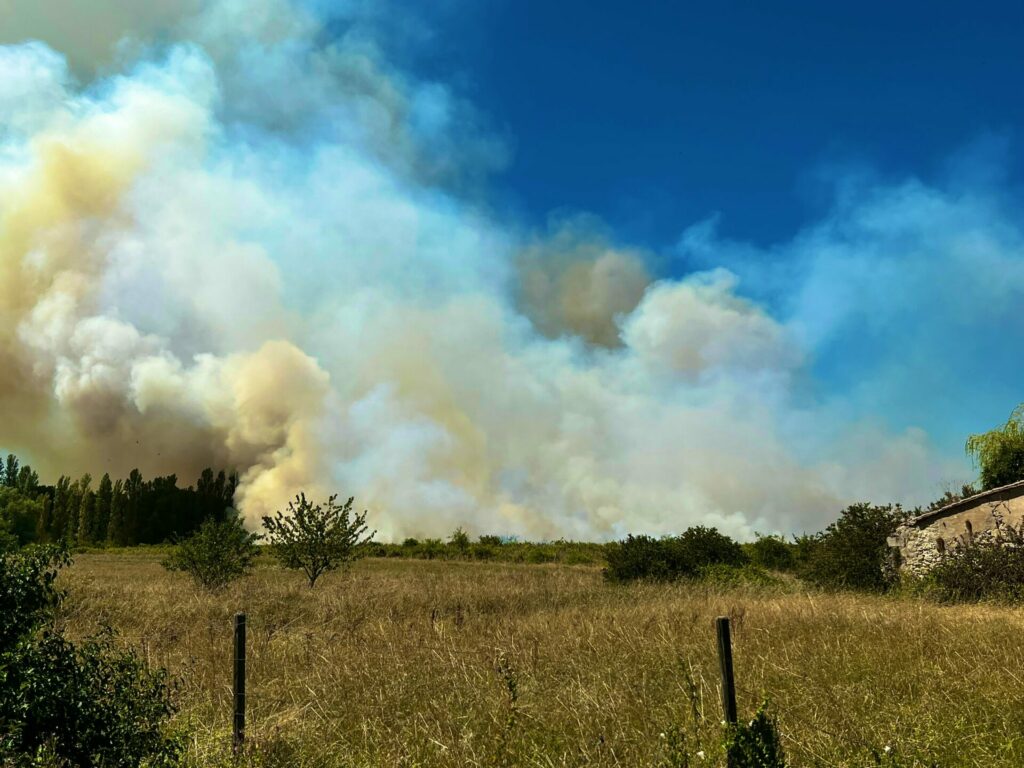
A study conducted by a researcher from UCLouvain, in collaboration with scientists from the University of Washington, reveals that the rise in wildfires in boreal forests may paradoxically slow down global warming, though this isn’t considered entirely positive.
Climate change is driving an increase in forest fires, particularly in northern forests, yet these blazes might significantly decelerate global warming.
The research, led by Patricia DeRepentigny at UCLouvain’s Earth and Life Institute, in partnership with University of Washington scientists, suggests that the expected escalation of fires in boreal forests, such as those in Canada and Siberia, could potentially reduce global warming by 12% and Arctic warming by 38% by 2060.
How is this possible? The smoke from these fires contains aerosols that brighten clouds and reflect sunlight, cooling the atmosphere in summer and slowing Arctic ice melt, even though the fires themselves have warming effects, such as soot falling on ice. This increase in boreal forest fires, previously overlooked in current climate models, could thus alter future climate projections.
Nevertheless, this is not a cause for celebration. The unexpected cooling effect does not offset the many harmful impacts of wildfires, including health risks, negative impacts on biodiversity, and carbon emissions that contribute to the greenhouse effect and global warming.
Furthermore, if the frequency of these forest fires continues to rise, the trend may reverse, researchers caution. Therefore, while this finding adds a critical piece to the complex puzzle of climate change, it is not an unambiguously good development.
