
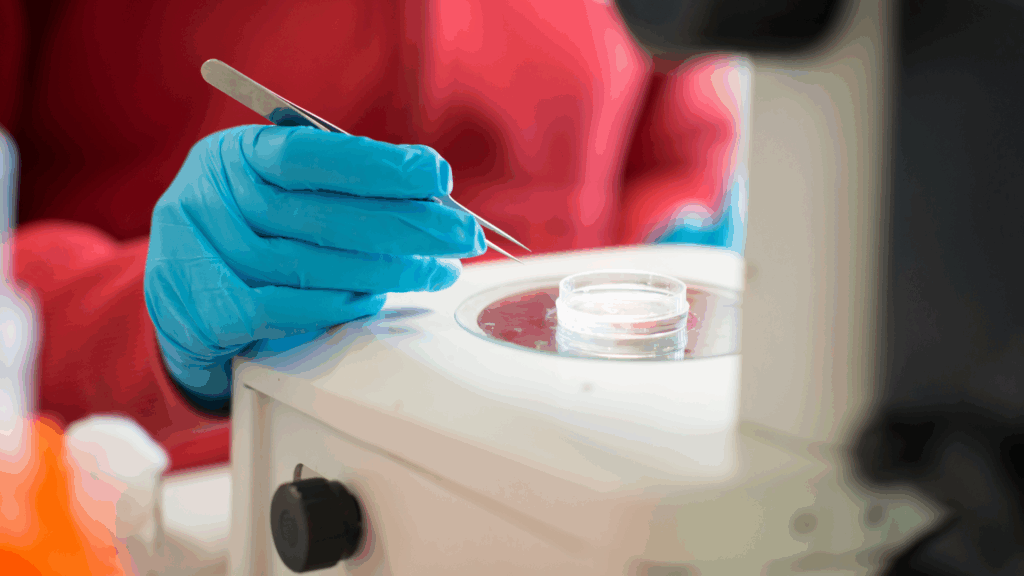
As the EU prepares to step up its investment in biotech, Belgium is already ahead of the game. But maintaining its success requires active support for projects in the sector.
In 2026, the European Commission is set to adopt the Biotech Act, which encompasses a series of measures aimed at facilitating the transition of biotech products from the lab to the market.
Belgium is no novice in the biotech world. Last year, for example, the biotech sector led the country’s record for patent applications. For those in the field, this was not necessarily surprising, including for Annick Verween, head of the Flemish biotech startup incubator and investor, Biotope.
The Ghent-based organisation, which focuses mainly on planetary science projects, was launched in 2022 with financial support from the European Union, the Flemish government, and the city of Ghent. It is a “spin-off” of the Flemish biotech institute, VIB.
While Verween says that Biotope “is just a very small part of the [biotech] puzzle”, its mission to create an ecosystem for biotech startups to thrive in the capital of the EU has given Verween first-hand experience with Belgium’s advantages and challenges in the sector.
‘Game-changing research’
Naturally, the fact that Belgium’s capital is the heart of the EU is already an advantage as it attracts several investors, according to Verween.
However, there is more at play: “I think specifically when it comes to patents, everything, of course, starts with doing game-changing research,” she said, stressing that the country’s “research ecosystem” has provided a solid foundation for great scientists to flourish.
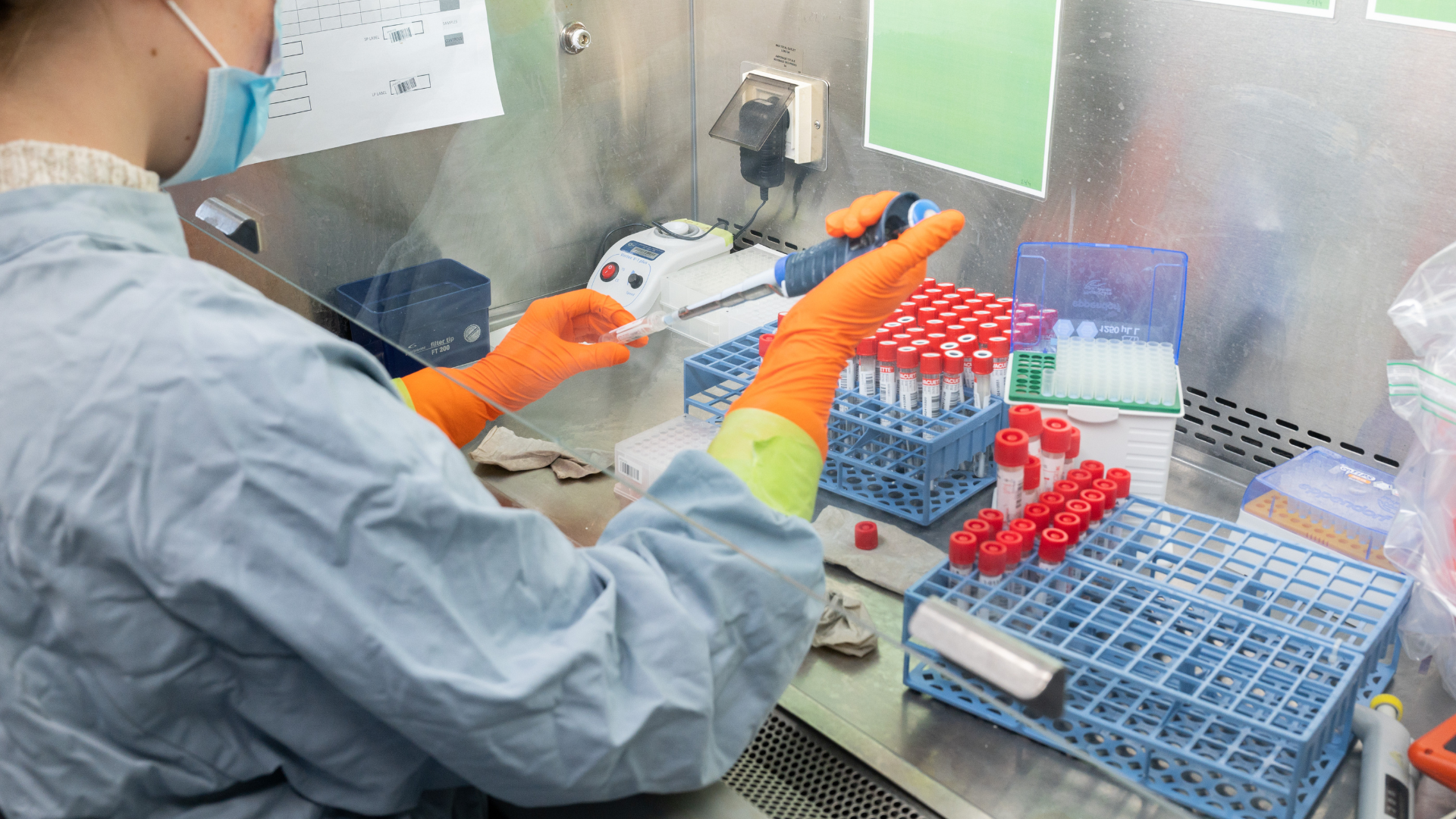
Image of lab work at the Flemish institute for biotechnology, VIB. Credit: VIB
This derives, in part, from having biotech-dedicated institutes like VIB embedded in multiple universities in the country. “With VIB, we have 2000 researchers embedded in these universities,” she said.
Additionally, the financial support system with grants further adds to the success of innovation in biotech in Belgium.
“Instead of having grants for a lot of money, where chances are very small to get it, here's a little bit the other way around,” she said. “The financial support is very limited, but you can do a first challenge feasibility study, do some de-risking, and if things go well, you can increase your grant perspective.”
‘Science by itself will not save the planet’
While biotech projects require a solid scientific foundation, Verween explains that more is needed to achieve success in the sector. “We have a lot of great scientists, but definitely not all of them are great entrepreneurs,” she says.
As a result, part of the work at biotope requires, in addition to scientific expertise, looking at projects and issues with “an investment hat” on. “Great science by itself will not save the planet,” said Verween.
However, the sector is complicated to break into, particularly amid ongoing trade wars between countries. “As an early-stage startup, life has never been easy,” she says. “The fact that [entrepreneurs] need to raise so much money, and need to tackle so many challenges in an ever-challenging world, it's more complicated.”
‘Opportunity to make Europe stronger’
Nonetheless, Verween sees an opportunity for Europe to be more competitive in the field. “We see that while a lot of companies, in the beginning, really had the US as their first market, the first go-to place, that has changed,” she said.
”I think everywhere, whether it's Europe or Belgium, we always have the feeling that we lag behind a lot of the big forces, whether it's the US or whether it's in Asia, now we have the opportunity to make some progress,” she added. "It's an opportunity to make Europe stronger in biotech."
But for the sector to thrive across Europe, she underscores the importance of creating a supportive ecosystem, especially for early-stage projects. “For startups, it doesn't matter [the country], to be honest,” she said. “They come where they feel most helped.”
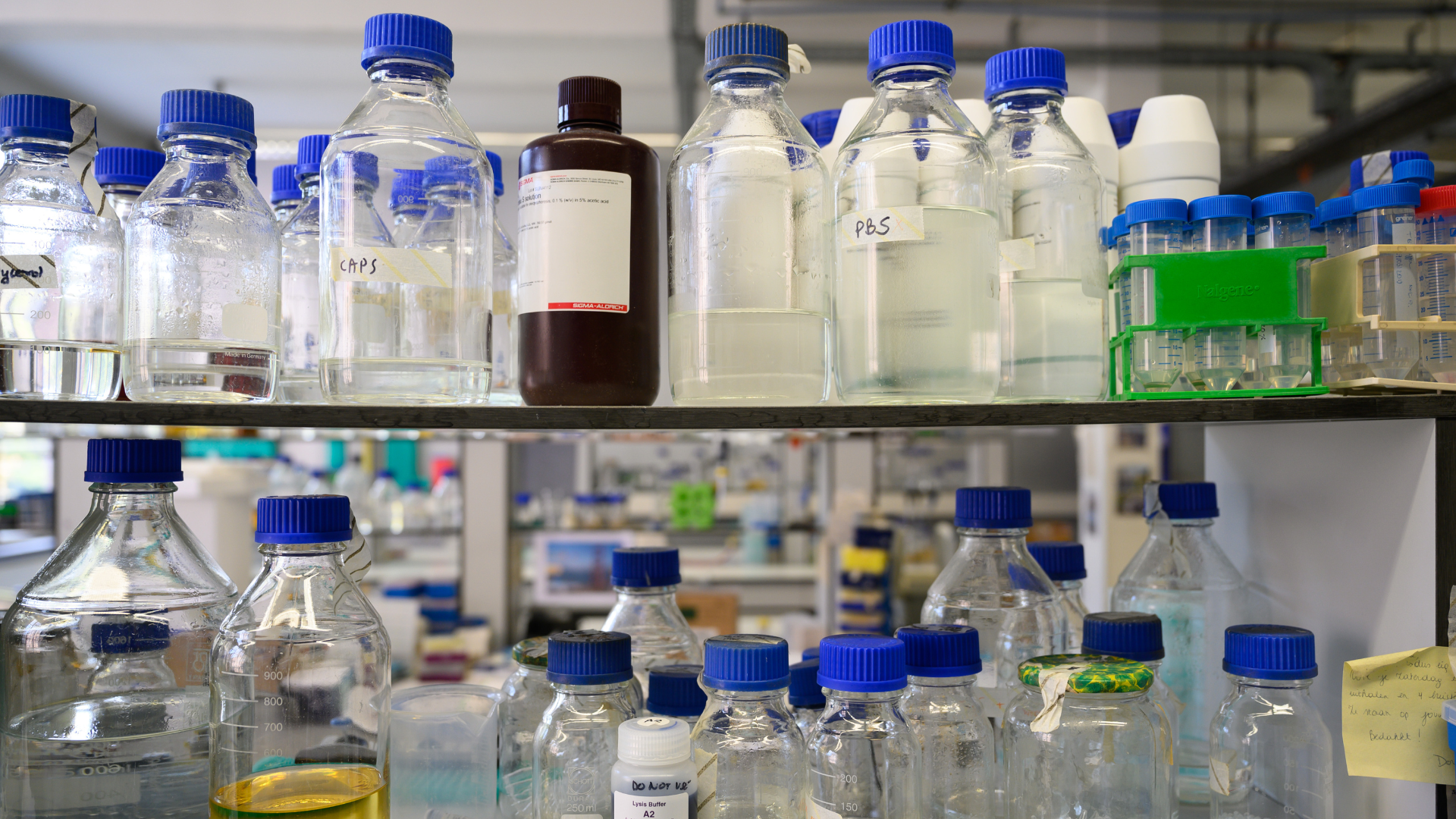
Image of lab work at the Flemish institute for biotechnology, VIB. Credit: VIB
Additionally, she argues that while the Biotech Act shows the promise of EU support, the Commission needs to ensure a bridge is built between what it sees as the future for biotech from a research point of view and the views of investors with expertise in the market.
“We do not build enough on each other's knowledge,” she said. “We can see that the European Commission can agree on a certain project, on something that we investors already said three years ago that there's a reason why we do not invest in it anymore.”
Regardless, Verween underscores that while the future of the field is complex, Belgium’s biotech innovation and endeavours have already built quite a reputation for the country. “A while ago, somebody was saying to me, it's almost like the Silicon Valley of biotech in Belgium.”
