
For such a small country, it can definitely be inconvenient to travel around Belgium at times. Whether it’s juggling tickets between Belgium’s three regional travel operators or paying large sums to reach the nearest airport, simple journeys can often prove difficult.
Fear not. The Brussels Times has prepared another list of 10 practical tips to navigate Belgium like a local, from hidden scenic routes to cut price train tickets, this guide should help facilitate travel both in Brussels and beyond.
1. Use P+R (Park & Ride) car parks to enter cities cheaply
Having a vehicle in Belgium certainly has its benefits, but as many can attest to, finding parking within the city centre of most major Belgian cities can be a real challenge. In Brussels, multistorey car-parks, while certainly convenient, are generally expensive and often filled to capacity during the weekends.
P+R facilities, now available near several major Belgian cities, offer a convenient alternative, allowing motorists to ditch their car on the city outskirts and enjoy often subsidised public transportation into the town centre.
Brussels currently possesses four different free to access P+R facilities, located in Stalle (Uccle), Herrmann-Debroux (Auderghem), Delta (Auderghem), and Roodebeek (Woulwe-Saint-Lambert). Another two facilities, in Ceria (Anderlecht) and Crainhem (Woulwe-Saint-Lambert) are available for a fee, or free to those making onward connections on STIB services. A full map of the P+R spaces can be found here.
Other P+R facilities are accessible with a Parking.Brussels P+R subscription. This includes a new facility in Lennik (Anderlecht) and at UZ Brussel (Jette). Some of these facilities are no longer accepting new applications for regular users, but a waiting list is available on their official website. Those possessing a Mobib subscription received a subsidised P+R subscription at Ceria, Crainhem, Lennik and UZ Brussel.
Travellers parking at Ceria and Crainhem P+R without a subscription should arrive with their Mobib card and travel at least two stops away from the nearby bus or metro stations. Be warned, these carparks often fill up quickly, so travel early to avoid disappointment. For paid parkings, the rate is €1 per hour, €3 per evening, or €15 for a full 24 hours.
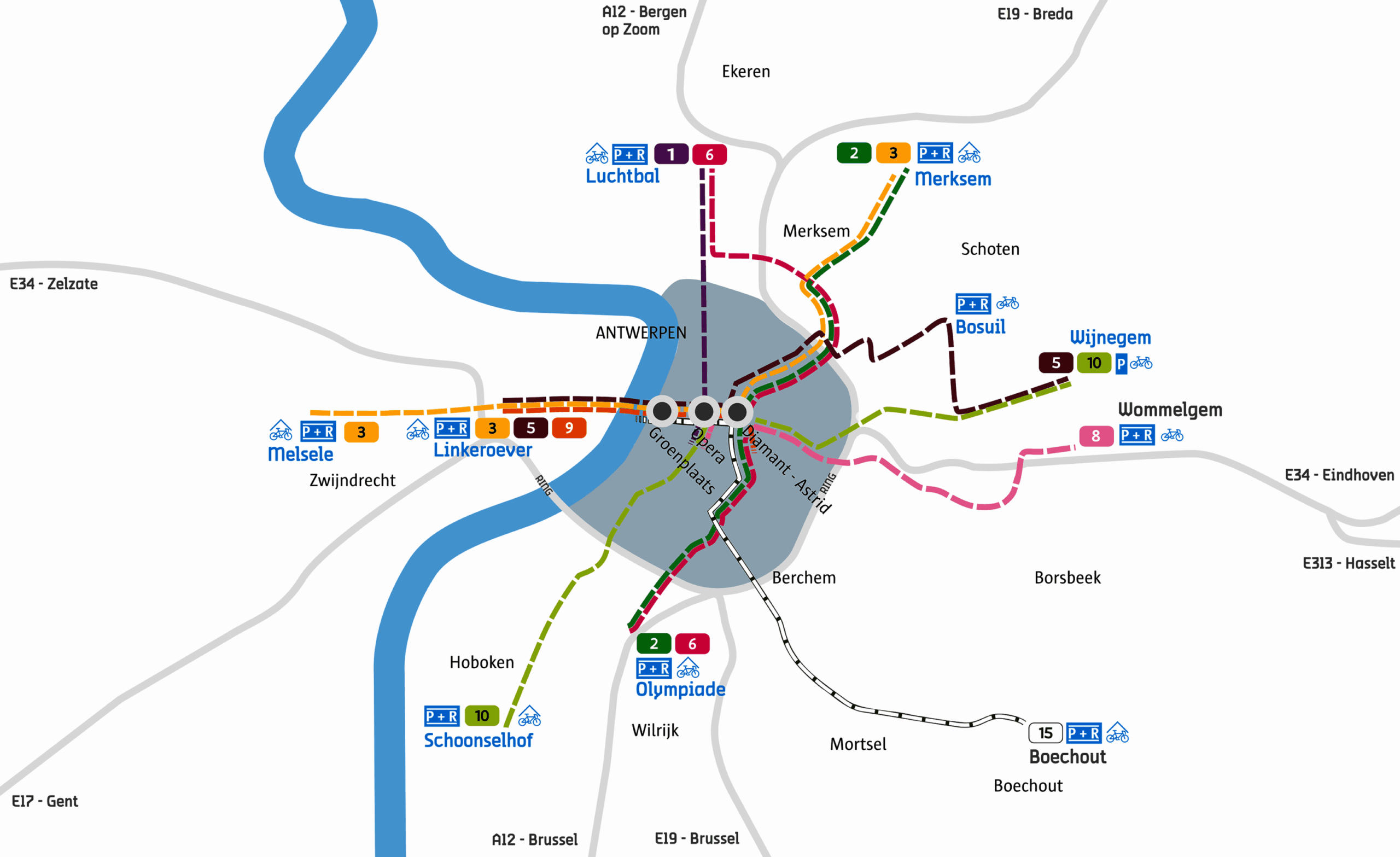
The Antwerp system allows commuters to skip the hellish morning rush in the crowded city centre. Credit: Stad Antwerpen
Other major cities offer attractive rates to encourage the use of P+R facilities. In Antwerp, publicly accessible P+Rs cost just €1 per day. On the De Lijn app, clients can purchase a return ticket and P+R parking ticket for just €6 for the P+Rs in Merksem, Luchtbal or Linkeroever.
In total, Antwerp has five paying or free P+R facilities that are available without subscription, with a combined total of 4,000 parking spaces. Similar facilities exist in Ghent, Leuven, Liège, and Chaleroi, as well as other small cities and towns.
2. Enjoy generous single ticket policy on TEC and De Lijn
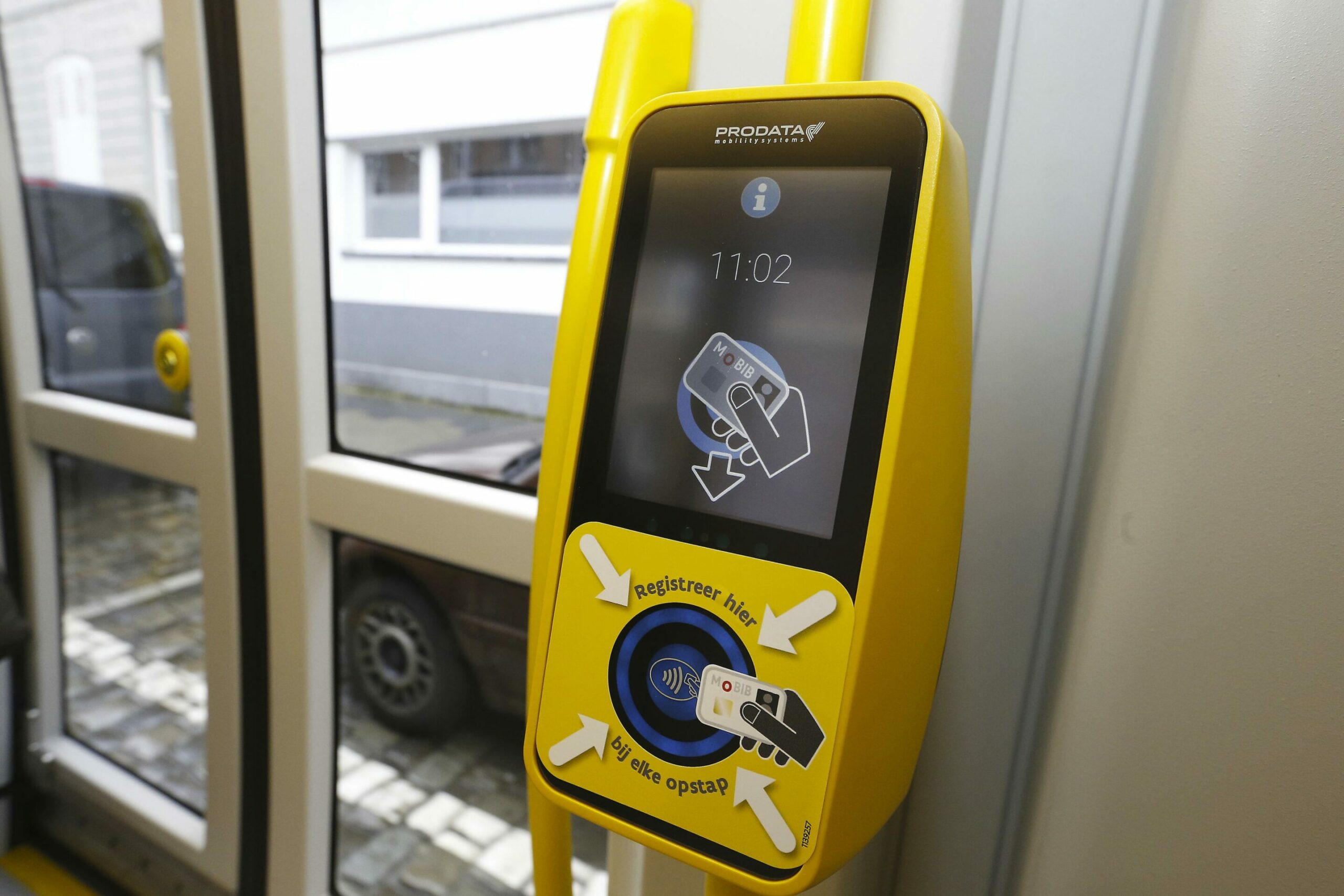
Both the Flemish and Walloon transport companies offer expat, locals and foreign visitors alike the opportunity to explore Belgium for the price of just one single ticket. The French- and Dutch-speaking and bus and tram companies allow users to change between several services within a set time frame, typically with few exceptions.
This generous policy means it is possible, for as little as €2.20 in Wallonia or €3.00 in Flanders, when bought through the respective app, to travel extended distances across the country. Both the De Lijn and TEC official app even provides a countdown timer for each single ticket, allowing you to time how long you have to travel before buying a new ticket.
This opens up many possibilities across the country. For TEC, it is perfectly reasonable to use a single ticket from Namur into the Ardennes, Wavre to Louvain-la-Neuve, Liege to the Dutch border, or other services traveling for up to an hour or requiring changes.
In Flanders, the generous policy allows for intercity travel, such as between Leuven and Mechelen, Antwerp and Lier, Bruges to Knokke or other scenic country routes under the same ticket.
Credit: Belga/ Nicolas Maeterlinck
There are some conditions to keep in mind. For TEC, there are two classes of single ticket: Next and Horizon. A Next ticket (2.20 is only valid for travel between two zones, and is suitable for only local travel between neighbouring towns or municipalities.
The Horizon ticket, at €3.10 has no zone restrictions and can be used for 90 minutes. This means you can get on or off and change services in this time frame. If the 90 minutes finishes while you are on a service, then the ticket remains valid until you get off. De Lijn single tickets are not subject to zone restrictions, but may not be valid on some student buses.
Also be warned that on the TEC network, special rates apply for Express services and airport bus tickets.
3. Watch the clock
In Belgium, single tickets are very simple. If bought on the day, they are valid for one journey and usable on any train to your destination. SNCB/NMBS does not typically accept seat reservations for passengers (except for large school groups) so travellers must simply board and find a seat. There are no price differences, notably, between trains boarded at peak, or non-peak times.
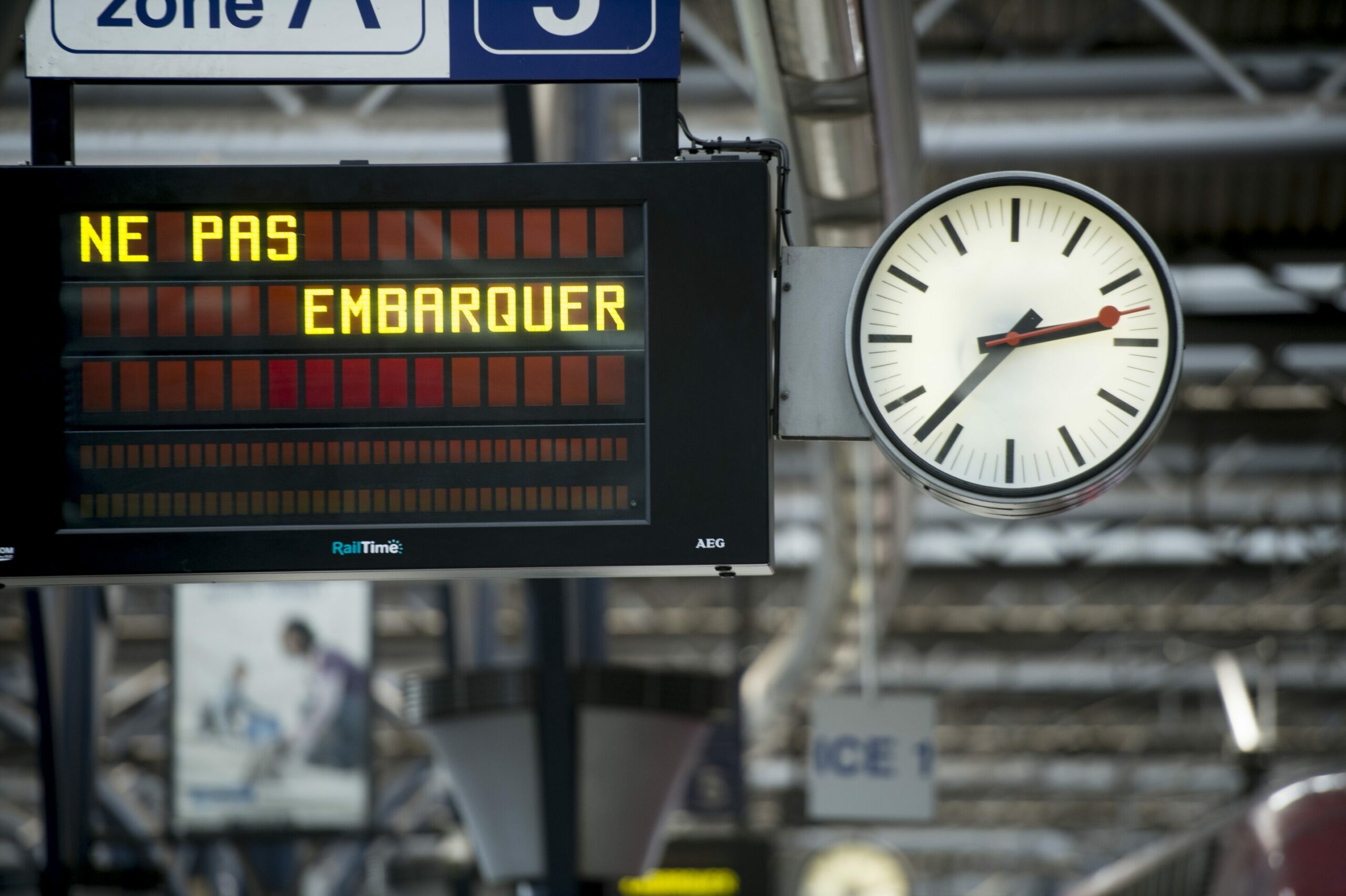
While seemingly obvious, many passengers forget that while the tickets remain the same price, your travel experience could be vastly different depending at what time you take the train. During the morning rush, trains are often full to capacity, noisy and packed with commuters. Peak services may also call at fewer stations, ferrying passengers to major centres.
For a more relaxed pace of travel, consider travelling before 07:00 or after 09:00, and for return journeys, leave before 16:00 or after 18:00. For a guaranteed seat, also consider slower or more regional trains. For example, when travelling from Mechelen to Brussels, instead of boarding the high-speed S1 or IC trains, instead opt for the slower S5 service, which stops at more regional train stations, but almost always has seat availability.
Credit: Belga
The same can be said for road traffic. According to research from the Vias traffic institute, during the morning rush hour (06:00 - 09:00), the roads get 25.18% busier at 07:00, rising to 34.95% at 08:00. They recommend departing at around 06:00-06:15 to avoid delays, or to set off after 09:30.
4. Hikers’ friend: SNCB on the GR trails
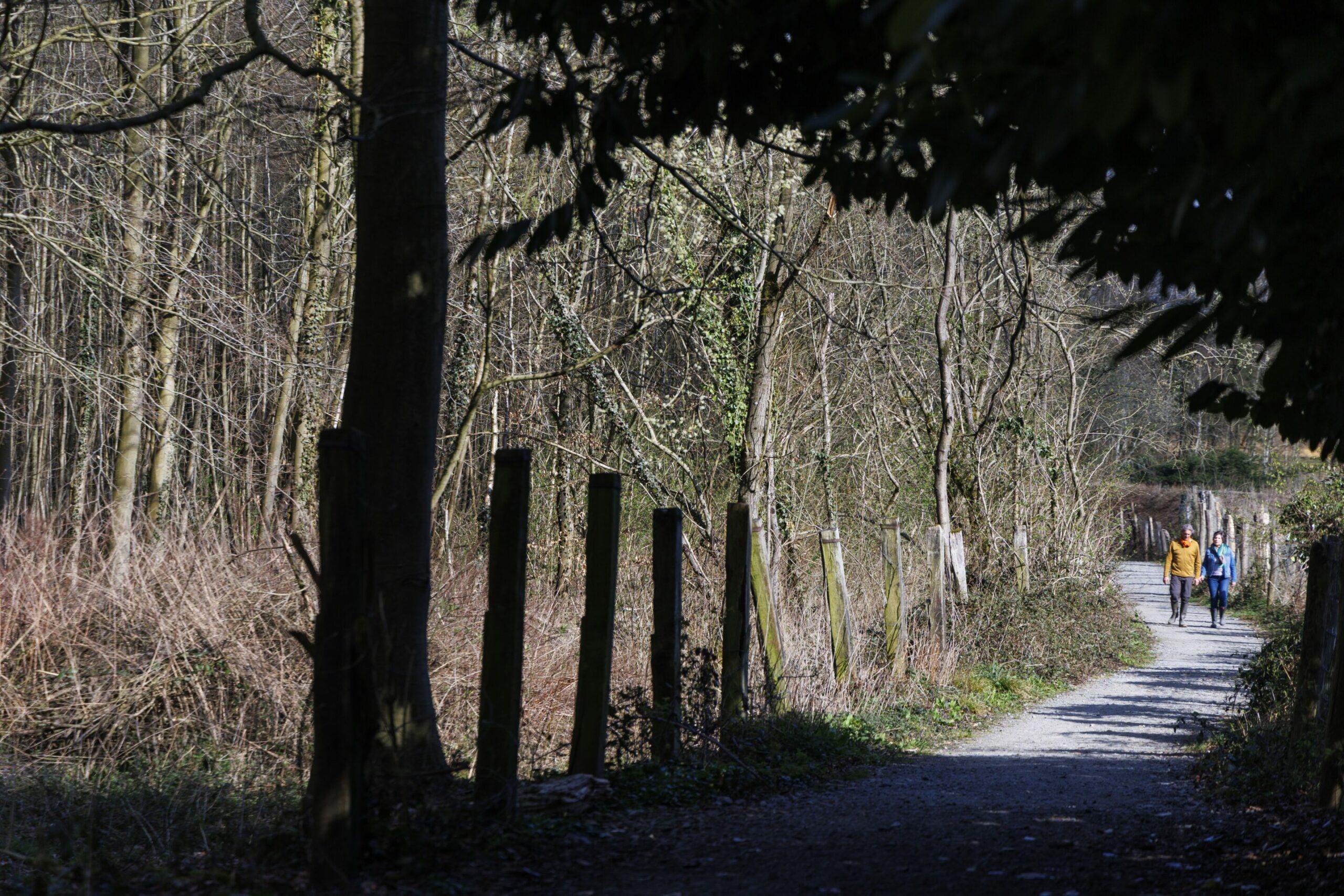
Many Grande Randonnée/Grote Routepaden trails in Belgium run between two rail accessible destinations. This allows walkers to plan their journeys around rail connections, or, if a route looks too daunting, or your legs are aching from an overly ambitious hike, terminate it early with the train.
There are several scenic routes that both start and end with railway stations. A standout example is the GR 126, which leads from scenic Dinant to Gendron some 15 kilometres walk away. From Gendron-Celles station it is possible to take the train back to Namur and then onwards across Belgium. Another option is the forested GR 653 route from Vielsalm to Trois-Ponts, which passes through much of the scenic Ardenees.
Credit: Belga/ Nicolas Maeterlinck
The same principle also applies to Brussels’ public transport system. Setting off from Rogier STIB station, it is possible to follow GR 579 to Tervuren and then head back into the city with the world-famous tram 44, which passes through the Sonian forest.
Several websites help facilitate these train and walking routes. Dutch speakers can find information about the GR rail connections at the Grote Routepaden website, while French speakers can find all the information at GRsentiers.be.
5. Waterbus
With its infamous traffic, getting around Antwerp can often be stressful. So why not abandon land altogether and opt for the Waterbus, Antwerp’s own hop-on river bus service.
These speedy watercraft run from the Waasland hinterland to Antwerp, passing by the Port of Antwerp and several convenient stations, most of which are designed with interconnections with bus, tram or pre-metro connections.
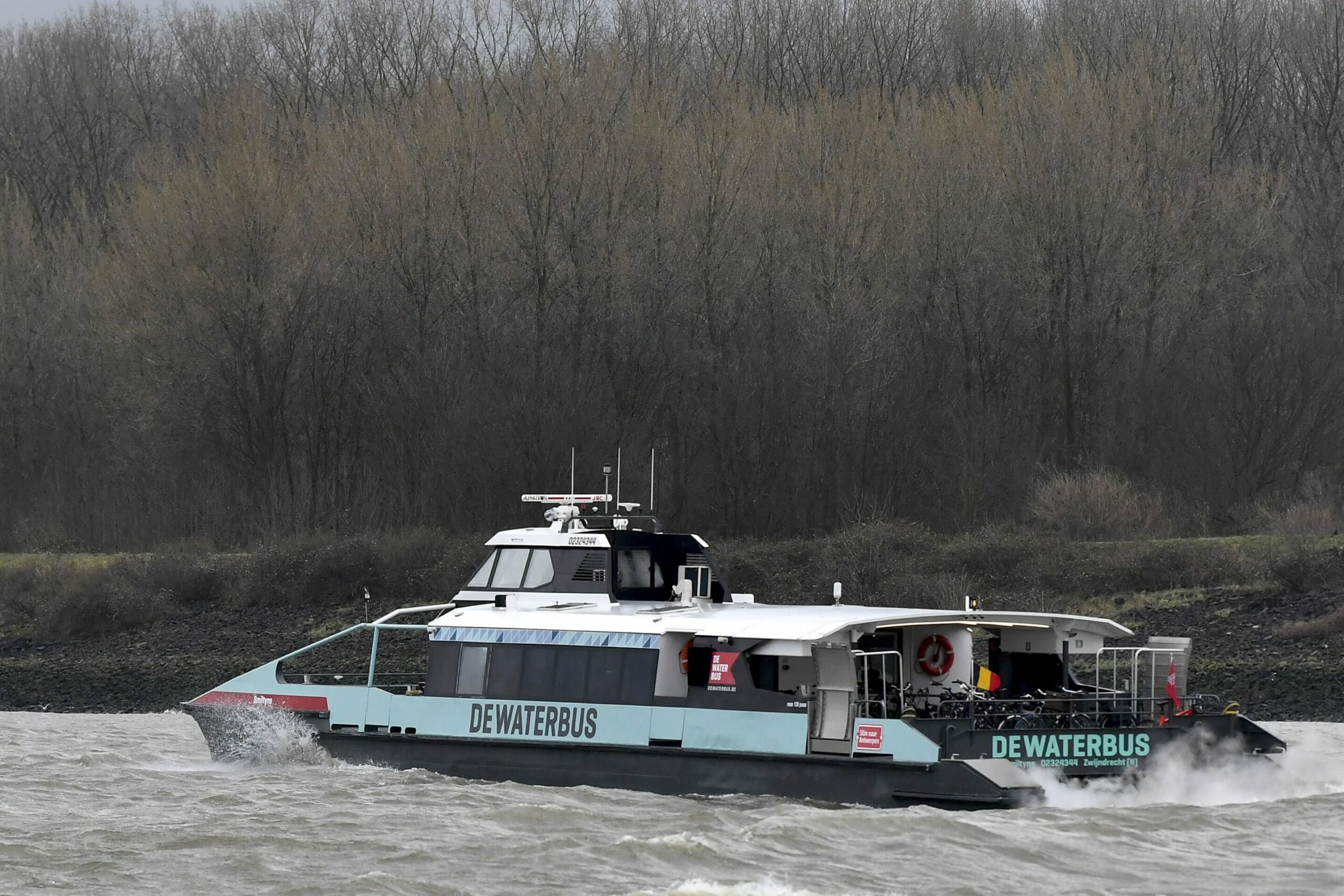
Illustration picture shows 'De Waterbus' in the Antwerp harbour, Friday 06 March 2020. Credit: Belga/ Dirk Waem
Passengers aboard these services are free to bring their bike or scooter onboard and the service runs from around 05:30 to 23:50 throughout the week, depending on the station. A ticket from Steenplein to Lillo can cost as little as €4 and children up to five-years-old ride for free. Reduced rates are equally available for children, young adults, the elderly and disabled.
The Antwerp boat route can bring visitors to several scenic locations including Hemiksem, Kruibeke, Antwerp’s chic Zuid neighbourhood and Lillo. Tickets can be booked online through the official website.
6. Lijnwinkel
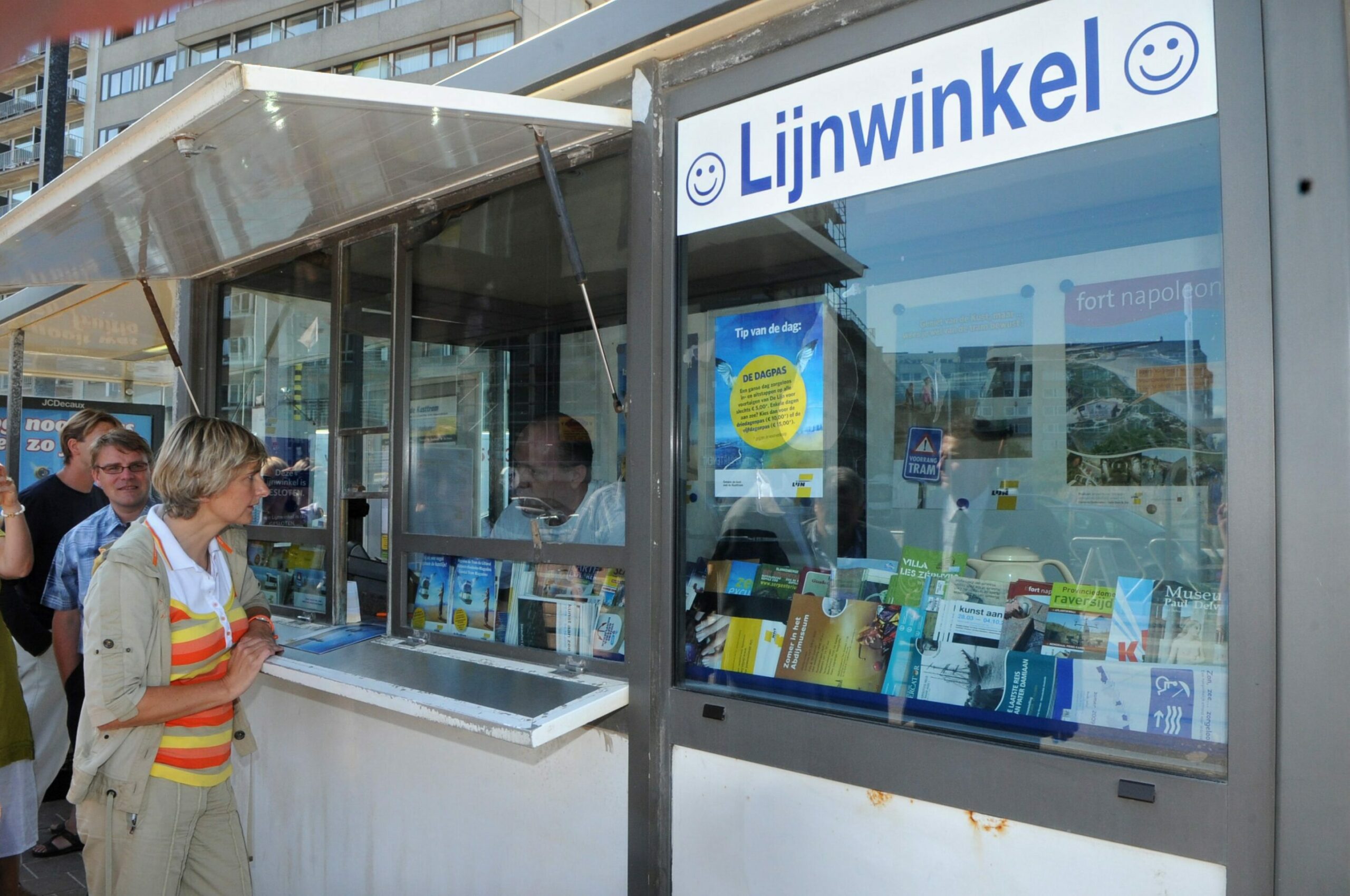
De Lijn’s app is extremely comprehensive and very user friendly. However, not all fares available to passengers will show up on the app. Some tickets must still be purchased over the counter from De Lijn staff.
At the bus company’s Lijnwinkel, travellers can purchase special combination tickets, allowing for days out to tourist destinations, repeated round trips, or other discounted rates.
One useful ticket which can only be found at the Lijnwinkel, or for sale at some physical ticket machines, is the 3-day pass. This allows for unlimited travel during 72 hours for just €18 for adults, perfect for a weekend getaway.
Credit: Belga/ Herwig Vergult
Another ticket only purchasable at a Lijnwinkel or some machines is a cycle ticket for Belgium’s famous Coastal Tram service. If you wish to go on a cycling adventure along the Belgian coast, this special fare will allow you to board with your bike.
As stated in our last Belgian travel hacks article, some regions and cities also have their own special fares available to purchase. The Lijnwinkel should be able to advise customers how to get the best out of their ticket and find any promotions for mobility in the local area.
7. Euroregio: Three-border unlimited travel
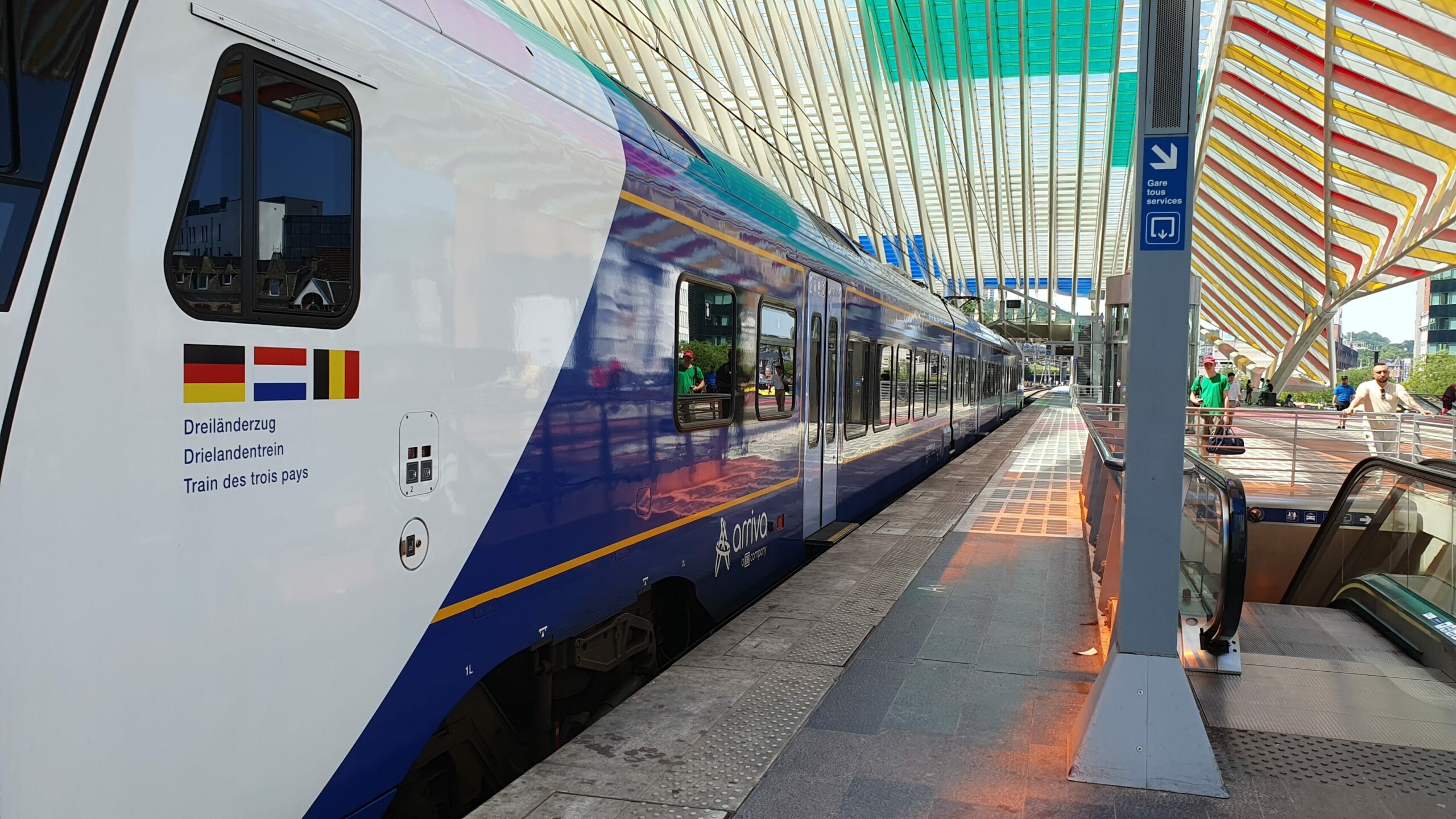
For just €21.70 per day, travellers can enjoy unlimited travel on Belgian SNCB, De Lijn, and select TEC services, as well as use of Germany’s Deutsche Bahn, Aachen and Euskirchen bus services, and even Dutch NS trains and Arriva bus services. This is perhaps one of the region’s most underrated and generous offers.
According to the terms of the deal, travellers can enjoy unlimited use of public transport in the so-called European Region, the areas where the borders of Germany, the Netherlands and Belgium converge. In the vicinity, there are a number of tourist destinations, including Liège, Limbourg, Aachen and Maastricht.
For solo travellers, the tickets are only valid during the week. For groups of up to five people, with a maximum of 2 adults and three children under 12, the tickets can be used on Saturdays, Sundays and on public holidays.
Credit: Belga/ Laurent Cavenati
The special fare, a project from the Interreg Euregio Meuse-Rhine programme of the European Union’s European Regional Development Fund, is aimed at increasing transport connectivity in the region. The exact conditions of the ticket can be quite complicated, so travellers are advised to check if their train is included on the list of eligible travel routes here.
The Euroregio ticket can be purchased from the SNCB International website, at select SNCB ticket desks near the three border region (Eupen, Liège-Guillemins, Spa, Tongeren, Hasselt and others), or through sales points over the border in Germany or the Netherlands.
8. Visiting Pairi Daiza? Skip the traffic with SNCB Discovery
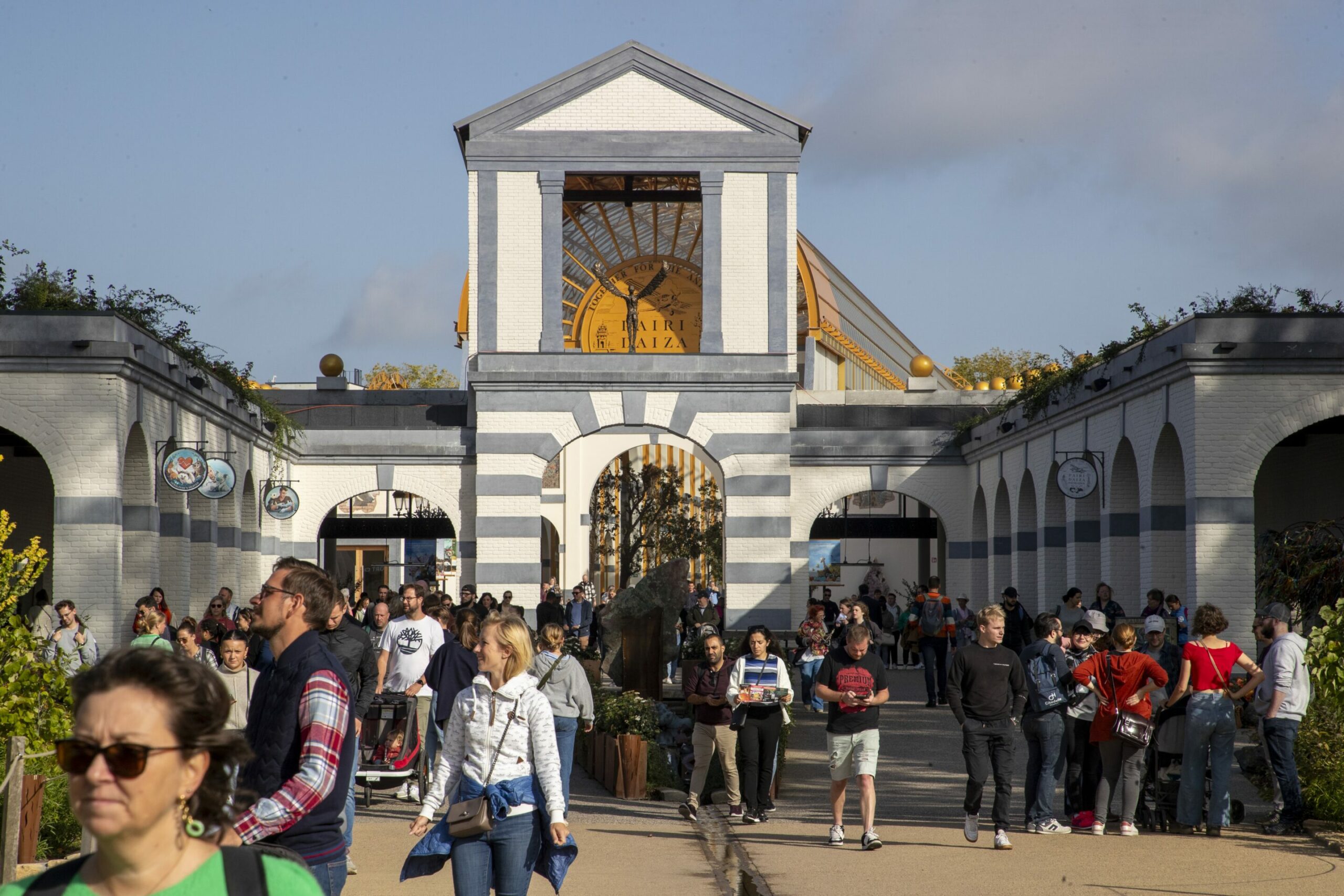
Pairi Daiza, Belgium’s award-winning zoo and botanical garden, is among the country’s most popular attractions, but the roads leading to it can be a nightmare on weekends and holidays.
Fortunately, SNCB offers a practical alternative: travel by train directly to the nearby station of Cambron-Casteau, located just over one kilometre from the park entrance. From here, a dedicated pedestrian path guides visitors safely between the two points.
To sweeten the deal, travellers who purchase a ticket to Pairi Daiza online receive a unique code to book an SNCB “Discovery Ticket” at half the normal rail fare. This discount applies to a same-day return ticket from anywhere in Belgium. The journey from Brussels, for instance, takes roughly 1 hour 45 minutes via Jurbise and avoids both congestion and parking fees.
Credit: Belga/ Nicolas Maeterlinck
Although most direct trains to Cambron-Casteau are hourly and may require a transfer, the overall experience is smooth and well-signposted. Children under 12 travel free when accompanied by an adult, making this a cost-effective and stress-free way to reach one of Wallonia’s top destinations without getting snarled up in holiday traffic.
You can also do this for Bokrijk, an open-air museum and heritage park near Genk, in Flanders. Trains from Brussels, Leuven, or Hasselt stop directly at Bokrijk station, which is just a five-minute walk from the entrance.
With its historic village reconstructions, vast arboretum, playgrounds and the iconic “Cycling through Water” path, Bokrijk is an ideal car-free day out, particularly during spring and summer.
The SNCB Discovery Ticket scheme covers dozens of Belgian attractions, from Train World and the Atomium in Brussels to Zoo Antwerpen, Technopolis, and the immersive Bubble Planet experience.
9. Consider Blue Bikes to complete journeys
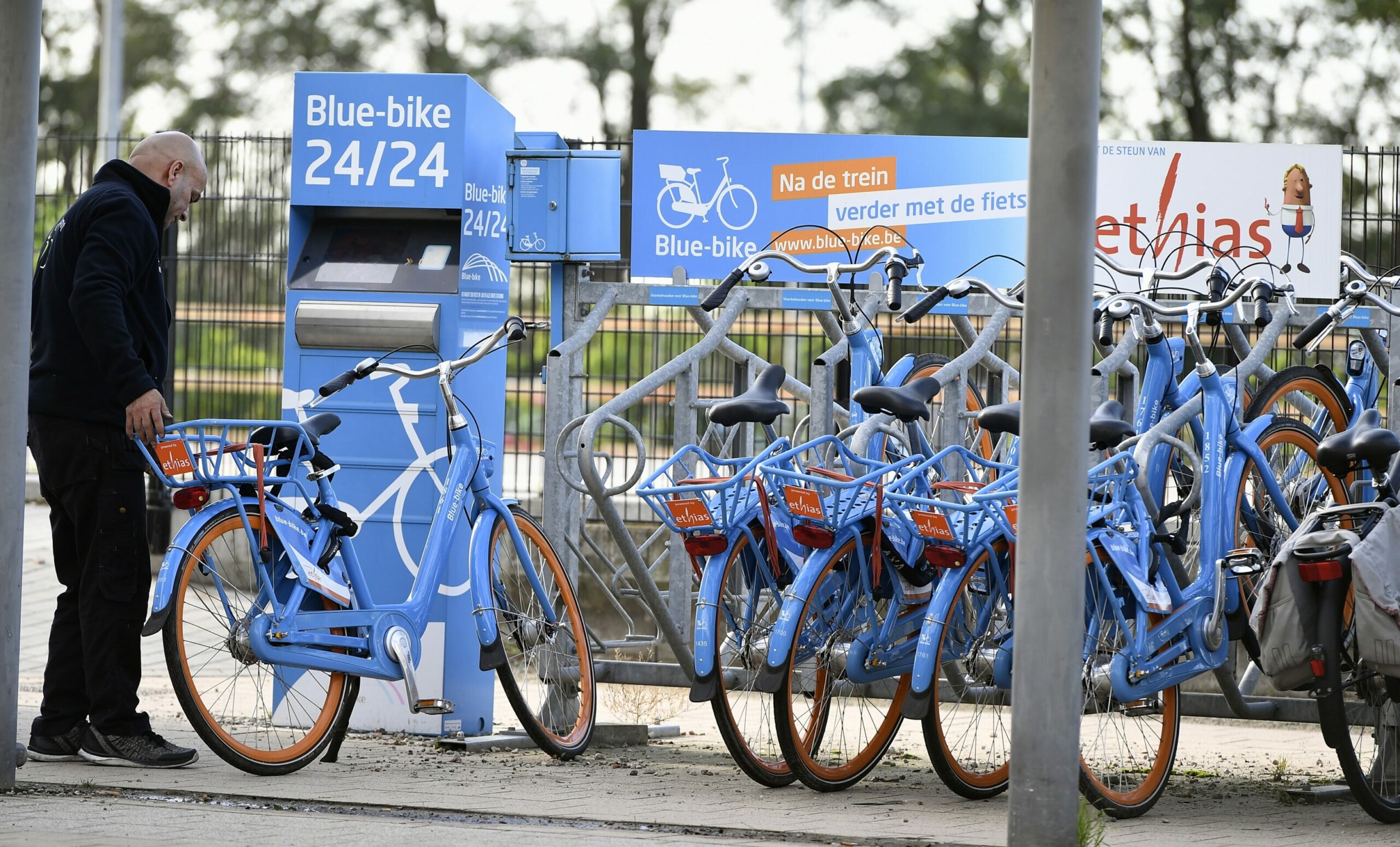
Blue bike, SNCB’s answer to app-based green mobility, offers a surprisingly useful solution to finishing those pesky last legs of a journey. This station-based bike rental network offers passengers with a series of rental bikes which can be picked up for as little as €1, allowing commuters to nip across town and make connections by bike in record time, or enjoy a new city on the saddle.
For example, travellers can go from Brussels to Gent-Sint-Peters station, pick up a Blue Bike at the station, cycle around the city, lock it up with its built-in ring long to go for coffee or attend a show, then drop it back at the station at the end of the day.
Credit: Belga/ Eric Lalmand
The system works on a subscription system, but can also be paid for in 30 minute intervals without a subscription.
Related News
- Plans for SNCB's new building at Brussels-Midi put on hold
- Leuven gets €3 million in European funds for infrastructure projects
- Top 10 Belgium travel hacks
The scheme’s Member Plus package offers unlimited trips of under 12 hours each for €35 per month for normal bikes, or €70 per month for e-bikes as well. On a pay-as-you-go scheme, bikes cost a maximum of 6 per day or 12 for an e-bike. A normal membership, which allows half price rates, is just €12 per year.
10. Customise your journey with SNCB/NMBS
Credit: Belga/ Hatim Kaghat
SNCB’s online journey planner isn’t just for finding the next train, it also includes a range of custom filters that let you fine-tune your journey based on how you want to travel. Both on their website or using the official SNCB app, you can personalise your trip with filters for connection time, walking preferences, mode of transport, and even train type.
Want more time to change platforms? Select a longer connection window (up to 30 minutes). Prefer to avoid stairs or steep transfers? Choose only foot, bike, or car connections to reduce hassle. You can also exclude high-speed trains like TGV or Eurostar if you're travelling on a budget. And if you're not in a rush, enabling “Include slower trains” often reveals S-train and local services that are less crowded and more likely to offer a seat.
This function is especially useful for families, elderly passengers, cyclists, or those unfamiliar with Belgian stations, helping avoid stressful sprints across platforms or unexpected metro legs. With a few clicks, you can design a journey that fits your pace and comfort, making Belgian rail travel that little bit easier.
