
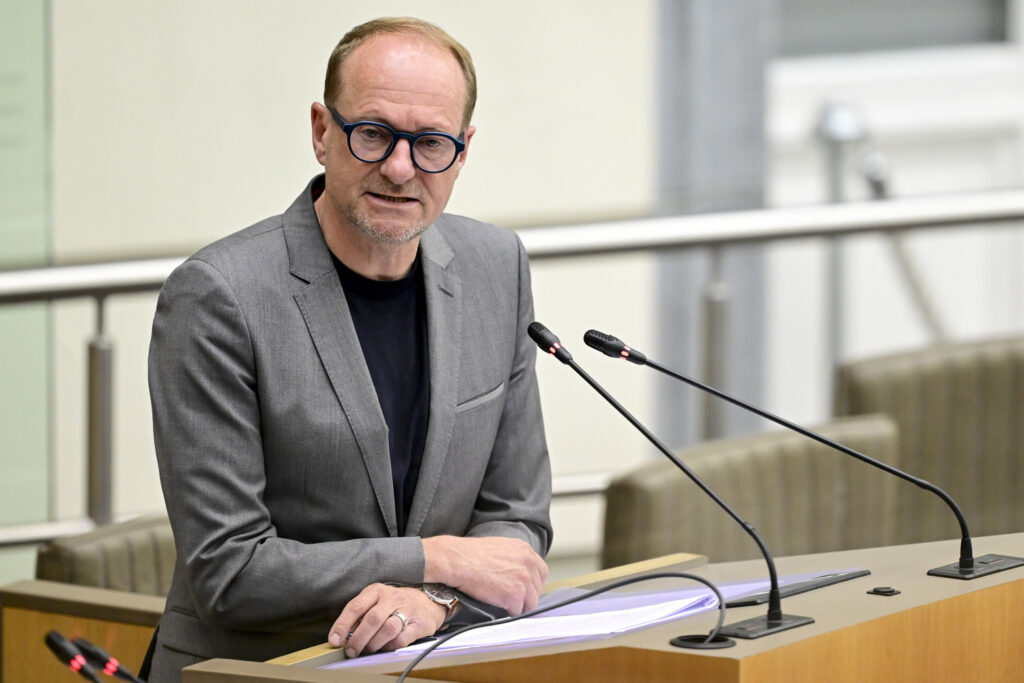
Flemish Finance and Budget Minister Ben Weyts wants to maintain the Flemish job bonus until 2028, a stance he reiterated on Sunday during an interview on Radio 1’s programme, De Ochtend.
The job bonus is a financial incentive for those earning below certain income thresholds, designed to bridge the gap between employment and unemployment.
Currently, anyone in Flanders earning a full-time monthly gross salary of less than €2,115 is eligible for an annual job bonus of €650. Those earning more than €2,115 but less than €3,115 also receive a reduced bonus.
The Flemish government had initially planned to scrap the bonus once federal employment taxes decreased, which is only expected to happen in 2029.
Earlier decisions from the administration led by Matthias Diependaele aimed to extend the job bonus temporarily, and recent developments from the federal summer agreement suggest that federal tax cuts won’t fully take effect until 2029, which aligns with the extended timeline for the Flemish bonus.
Minister Weyts emphasised the intention to phase out the job bonus once federal activation policies were in place, but he noted that the implementation will accelerate only by 2029.
“In the meantime, we will do everything possible to safeguard the job bonus,” Weyts stated, highlighting the minister’s commitment to retain the bonus at least through 2028. He acknowledged the financial impact of this measure, estimating it to cost around €250 million annually.
