
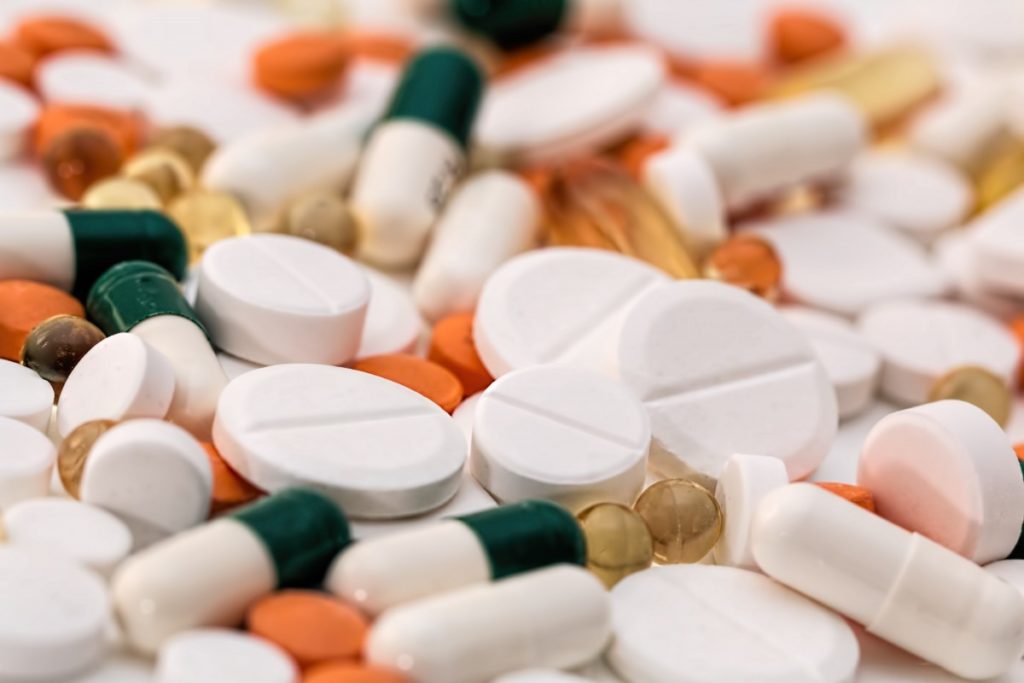
The scheme will be launched on 1 January 2026 and is expected to provide access to treatments for serious or life-threatening diseases even before they are officially authorised for the European market.
Since 2022, under the leadership of the NIHDI (National Institute for Health and Disability Insurance) and Federal Health Minister Frank Vandenbroucke, a major reform of the medical reimbursement system has been underway. It includes various elements, from greater transparency in contracts with pharmaceutical companies to better integration of patients in the decision-making process, as well as modernising reimbursement procedures. Several projects are on the table, some of which are set to materialise on 1 January 2026. Among them is the "Early and Fast Equitable Access" scheme, which Minister Vandenbroucke plans to finance by increasing the co-payment on boxes of medicines from €1 to €2, currently subject to a lower co-payment.
This system will enable the funding of promising treatments for serious or potentially fatal diseases, even before these medicines receive official market authorisation at the European level, using preliminary clinical data. Naturally, this won’t apply to all drugs, but primarily to those that meet "unmet medical needs", in other words, diseases for which no sufficient treatment currently exists.
The NIHDI defines these needs according to several criteria: the impact of the condition on the patient's quality of life and life expectancy, the effectiveness and accessibility of existing treatments, the burden and disadvantages of current therapies, and the disease's societal impact in terms of prevalence and healthcare costs. The range of medicines potentially eligible under the "early and fast" procedure is therefore quite broad. Additionally, pharmaceutical companies will be required to apply for market authorisation from the European Medicines Agency (EMA) within six months of receiving approval in Belgium.
"Thanks to this mechanism, Belgian patients will be able to benefit from certain new medicines two to three years earlier, without having to wait for EMA approval or a reimbursement decision from the competent commission," explains the minister's office to LeSoir. During this phase, manufacturers will receive a fixed payment per patient for the medicine supplied until all the procedures are fully completed. "The Early and Fast Equitable Access system is not intended to accelerate procedures, but to temporarily fund access to certain promising innovative medicines between the end of clinical trials and the final decision on marketing authorisation and reimbursement." the Minister's office added.
While the system appears innovative and promising for patients, especially those in immediate danger, it raises some questions nonetheless. Is it wise to bypass the opinion and expertise of the European Medicines Agency to offer these treatments to Belgian patients?
"Without knowing the details of this new scheme, a Belgian expert committee will likely review these innovative treatments, the advisory commission on temporary intervention for the use of a medicine (CAIT), which will, in a sense, take on the role of EMA’s experts and issue an opinion before the European agency gives its verdict," comments Jean-Michel Dogné, dean of the faculty of medicine at the University of Namur and expert in drug safety at the EMA to LeSoir.
According to Jean-Michel Dogné, the system will need to be accompanied by strict real-world follow-up to monitor the safety and effectiveness of the authorised treatments. Such monitoring is planned with the creation of an RWEP (Real World Evidence Platform), overseen by the federal healthcare expertise centre (KCE) in collaboration with NIHDI and Sciensano, which will be responsible for analysing the scientific data from treatments made available to patients.
"If the EMA takes an average of 210 days to evaluate a new medicine, there’s a reason for it. We’ll also need to see whether this Belgian system creates tensions with European regulations, which are supposed to centralise marketing authorisations across the EU." The expert also emphasises the importance of transparency in the procedure for patients who will undergo these treatments. "And then there’s also the issue of responsibility. When a pharmaceutical company receives European marketing authorisation, it also assumes responsibility for any adverse events that might follow. But what will happen under the Belgian procedure?" He concludes.
