
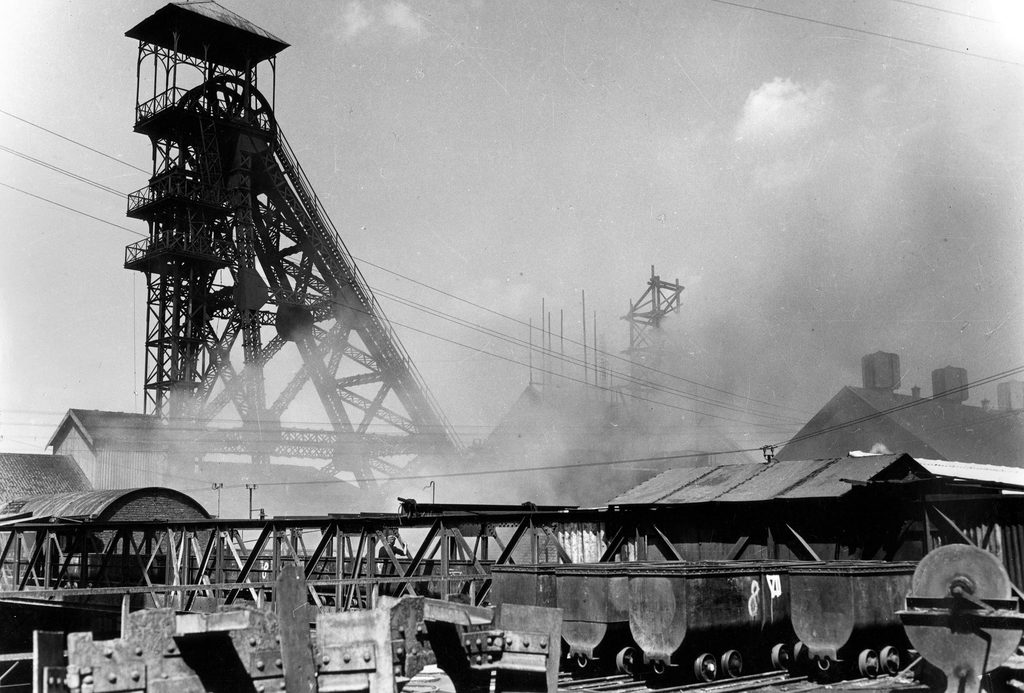
Friday marks the 69th anniversary of one of Belgium’s darkest chapters in its history – the Marcinelle mining disaster.
On 8 August 1956, at 08:10, an electrical fire broke out inside the mine shafts of Charleroi's Bois du Cazier, killing 262 workers.
It was said that the disaster was caused by a misunderstanding between the miners loading coal carts onto the hoist from the bottom of the shaft, and the operators on the surface.
The hoist, which was started at the wrong moment, collided with a steel beam, severing a high-voltage cable, an oil pipe and a compressed air pipe.
The collision ignited 800 litres of powdered oil and the wooden structures of the well, including the coal extraction shaft – the only air passageway into the mine.
A cloud of smoke and carbon monoxided infiltrated the ventilation system and engulfed the galleries below.
'All corpses'
Rescuers were not able to reach the lower parts of the mine for two weeks, finally breaking through on 23 August with black smoke still streaming out of the mine shaft.
The official communication from below was in Italian: "Tutti cadaveri" – 'all corpses'.
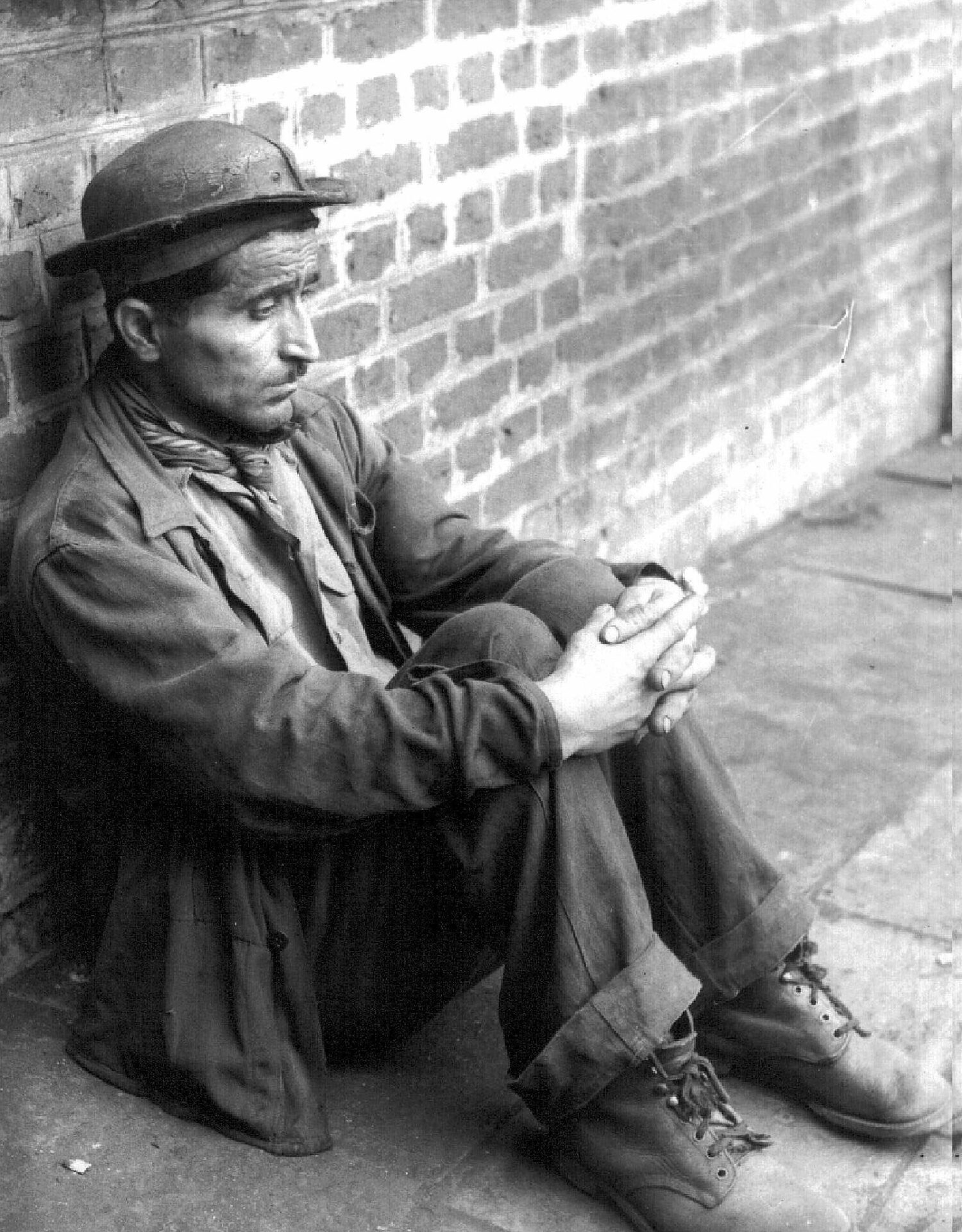
File picture dated 08 August 1956 of a miner waits for news during the fire in the coal mine Bois du Cazier of Marcinelle. Credit: Belga / Albert Gobert
While down to a misunderstanding, the labour conditions inside the mines played a huge part. At the time, miners in Belgium were working in unsanitary and unsafe conditions, for low pay and often undertaking 12 to 14-hour shifts.
The Bois du Cazier had been poorly maintained, with certain safety regulations ignored. For example, it had been well-known that the electrical cables were dangerously close to the oil pipes.
Several key figures, including the chief rescuer and general-manager of the mine, were also not on site that morning, without being asked why in the inquiry. All were acquitted.

Onlookers watching through the gates of the coal mine at Marcinelle. Credit: Belga Photo Archives
Out of the 262 victims of 12 different nationalities, 136 of those were Italian. This was due to the post-war ‘men-for-coal’ agreement between Belgium and Italy – where Italian workers were sent to work in the mines in exchange for Belgian coal.
This agreement shaped Italian migration to Belgium, with large Italo-Belgian communities still residing near Belgium’s main mining areas in Wallonia and Limburg.
Other nationalities killed that day included: 95 Belgians, eight Poles, six Greeks, five Germans, three Algerians, three Hungarians, two Frenchmen, two Russians, one Dutch and one Briton.
'Symbol of collective memory'
Friday marks the 69th anniversary of this tragedy, which is etched into the memory of both Belgium and Italy.
Every year, officials from both countries visit the site for a day of tributes and commemorations. Today, the Bois du Cazier site is a museum and a UNESCO World Heritage Site since 2012.
As part of this year's commemorations, the French-speaking Community Government of Belgium announced this week that it will classify the staff attendance register of the mine as a historical ‘treasure’.
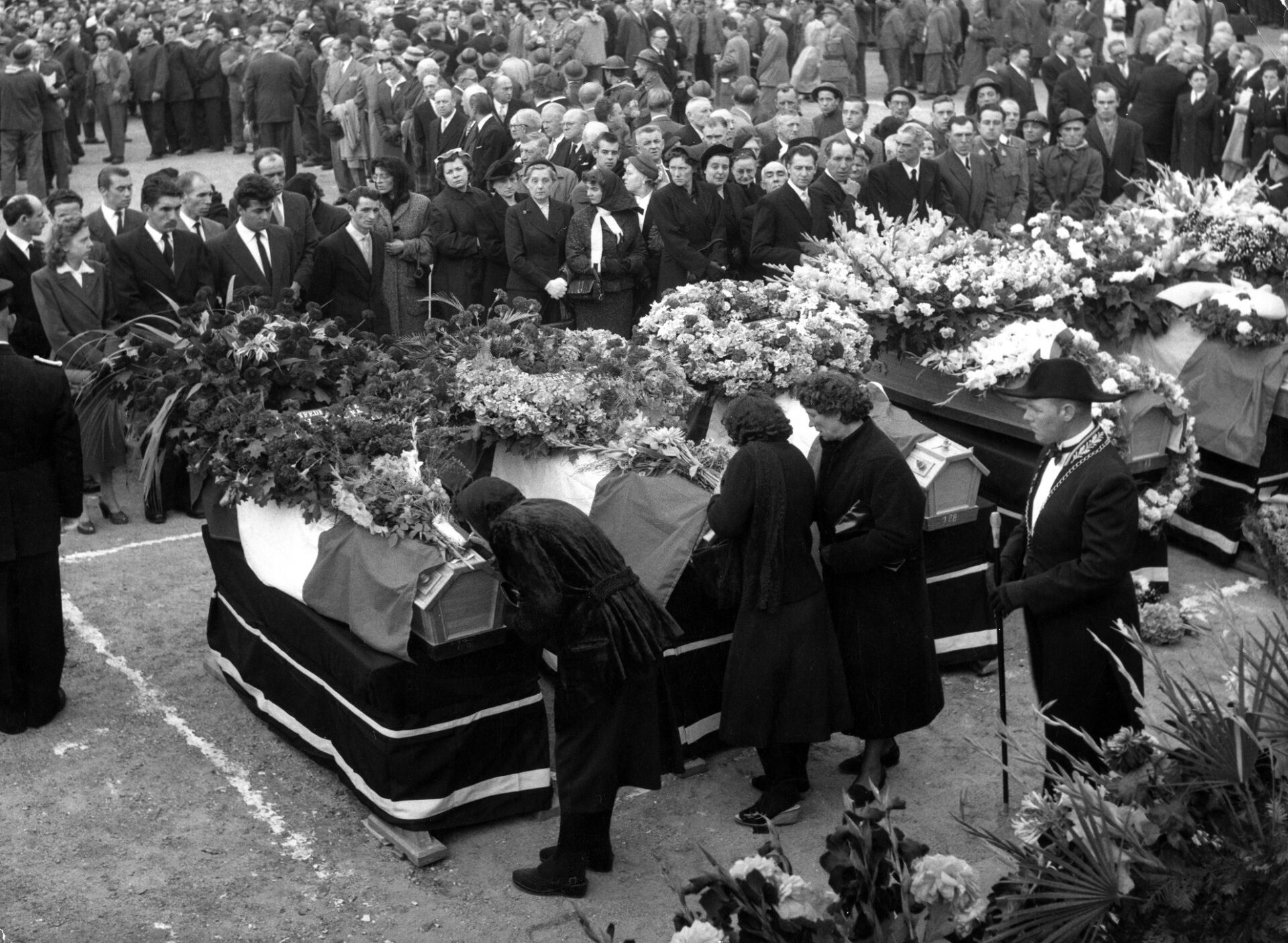
This file picture dated 13 August 1956 during the funerals of the miners of the Marcinelle mining disaster. Credit: Belga Archives
The document, which was purely administrative in nature, contains the names of the 262 victims. During the rescue operations, these names were gradually crossed out and marked in red with the word deceased.
"This unique document, which has become a symbol of collective memory, embodies both the human drama and the reality of post-war labour immigration, as well as the first signs of a European awareness of safety at work,"according to a statement by the Minister-President of the French-speaking Community, Elisabeth Degryse (Les Engagés).
In addition to the register, the centrifugal fan from Bois du Cazier has also been designated a ‘treasure’.
Commemorations
On Friday, commemoration ceremonies will begin at 8:05, with the blessing of the Maria Mater Orphanorum bell. At 8:10, it will ring 262 times in tribute to the victims of the tragedy.
This will be followed by a moment of tribute in words and music at 8:45, a multi-faith tribute at 9:00, and official speeches at 9:20. The laying of flowers at the monument to the victims is scheduled for 10:00.
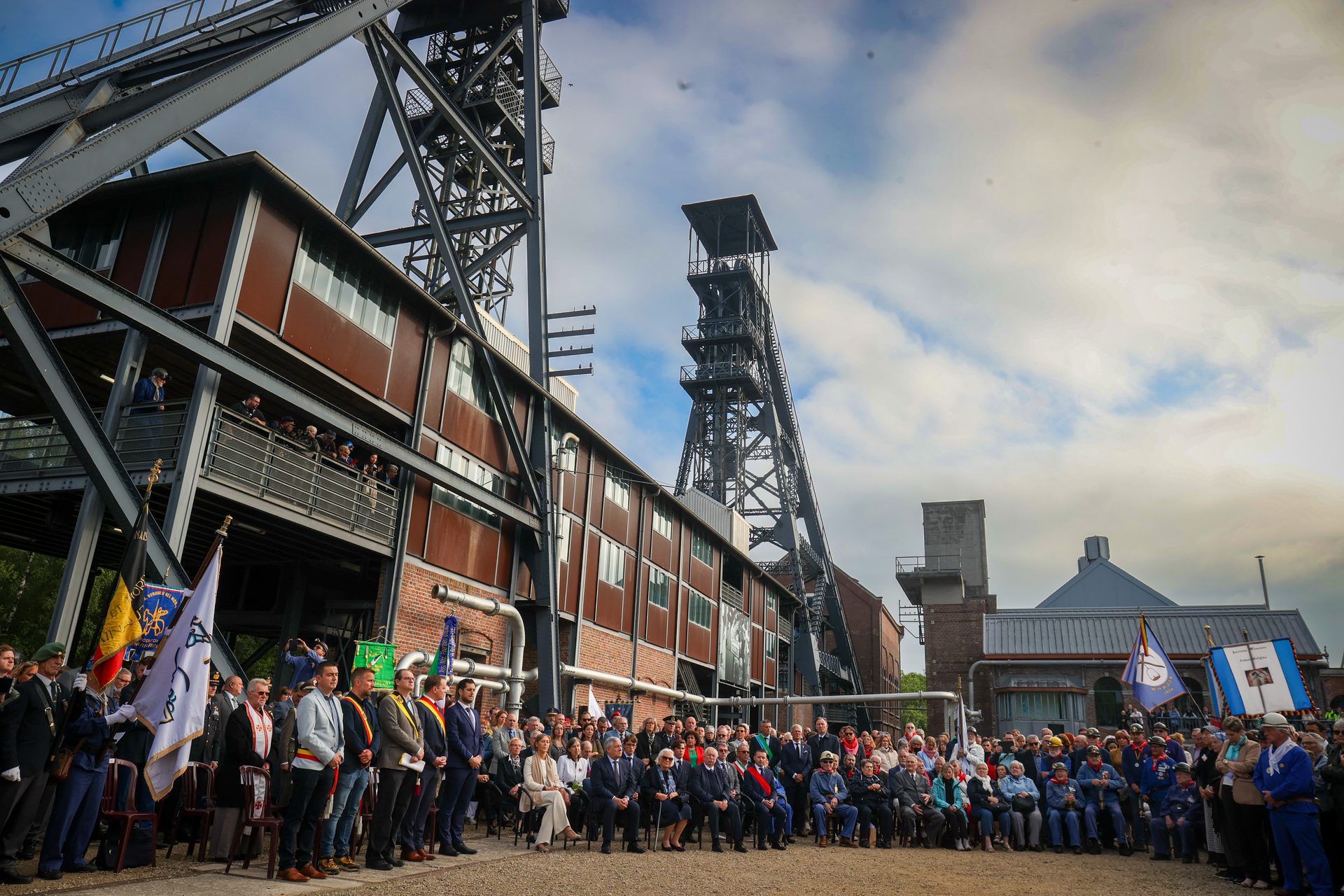
67th commemoration of the Bois du Cazier mining disaster in Marcinelle, Charleroi, on Tuesday 08 August 2023, on the occasion of the 67th anniversary of the tragedy. On 8 August 1956, 262 people were killed in a fire which destroyed the mine. Credit: Belga / Virginie Lefour
At 11:15, a moment of silence will be held at the Marcinelle cemetery, with flowers laid at the monuments to the Miners and Italian Miners' Sacrifices.
Finally, at 12:00, the site of the Bois du Cazier will host a reception attended by the Consul General of Italy. The ceremonies are open to all.
Since 2001, the anniversary of Marcinelle has also been celebrated by the Italy as the "National Day of the Sacrifices of Italian Workers throughout the World".
