
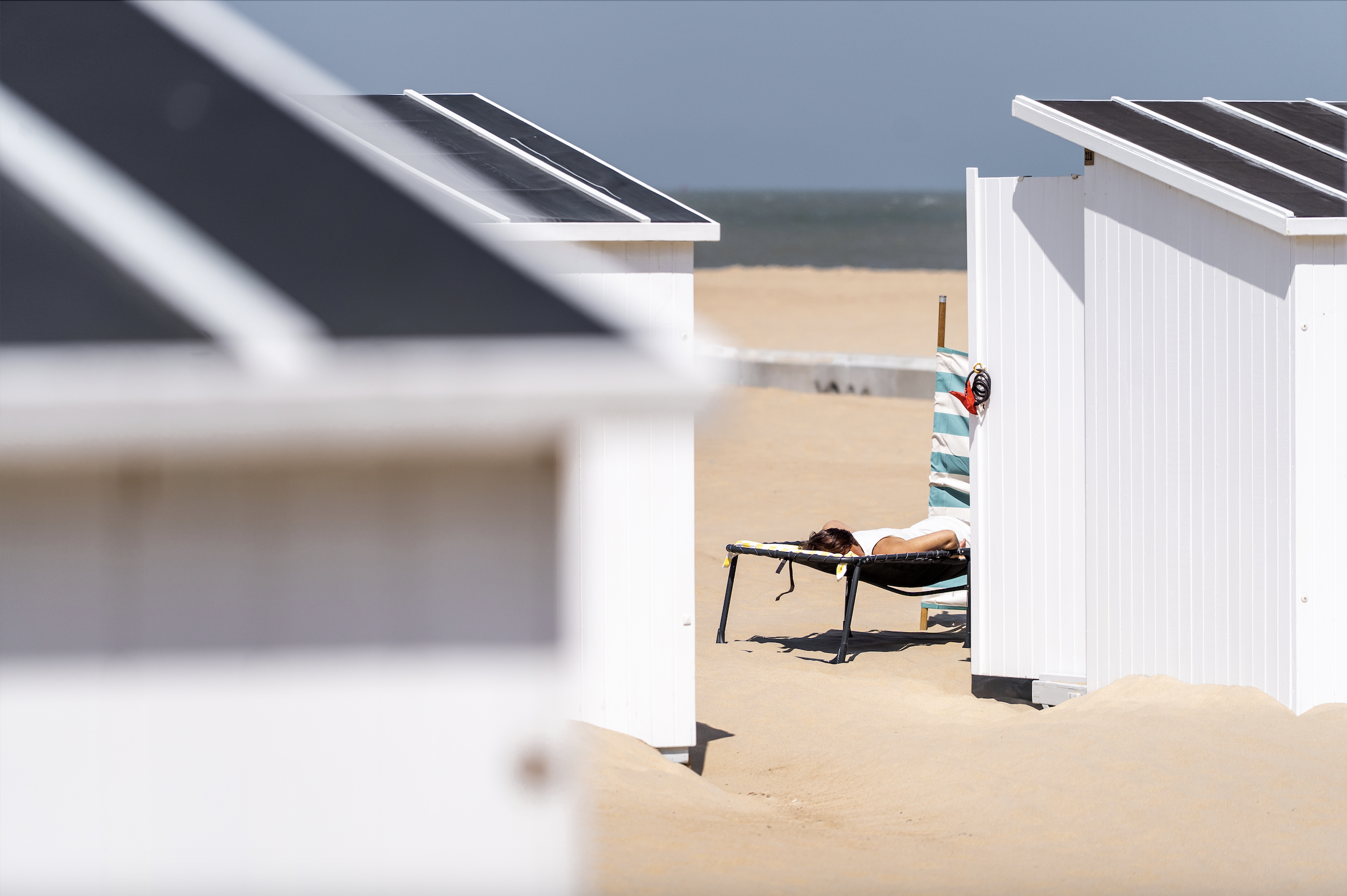
Despite spanning just 65 kilometres, the Belgian coastline is one of the most densely urbanised and idiosyncratic in Europe.
It connects windswept dunes and post-industrial relics with beachfront promenades and high-rise apartment blocks, offering a peculiar mix of nostalgia, nature, and concrete.
Here, fishing traditions and horse-drawn shrimpers coexist with mobile home communities, speculative real estate, and ageing monuments to leisure.
Long promoted as the summer escape for Belgium’s inland population, this narrow strip now grapples with overcrowding, ecological degradation, and rising sea levels.
From the French to the Dutch border, the coast becomes a stage for the country’s contradictions, caught between openness and enclosure, vacation and retreat, nature and construction.
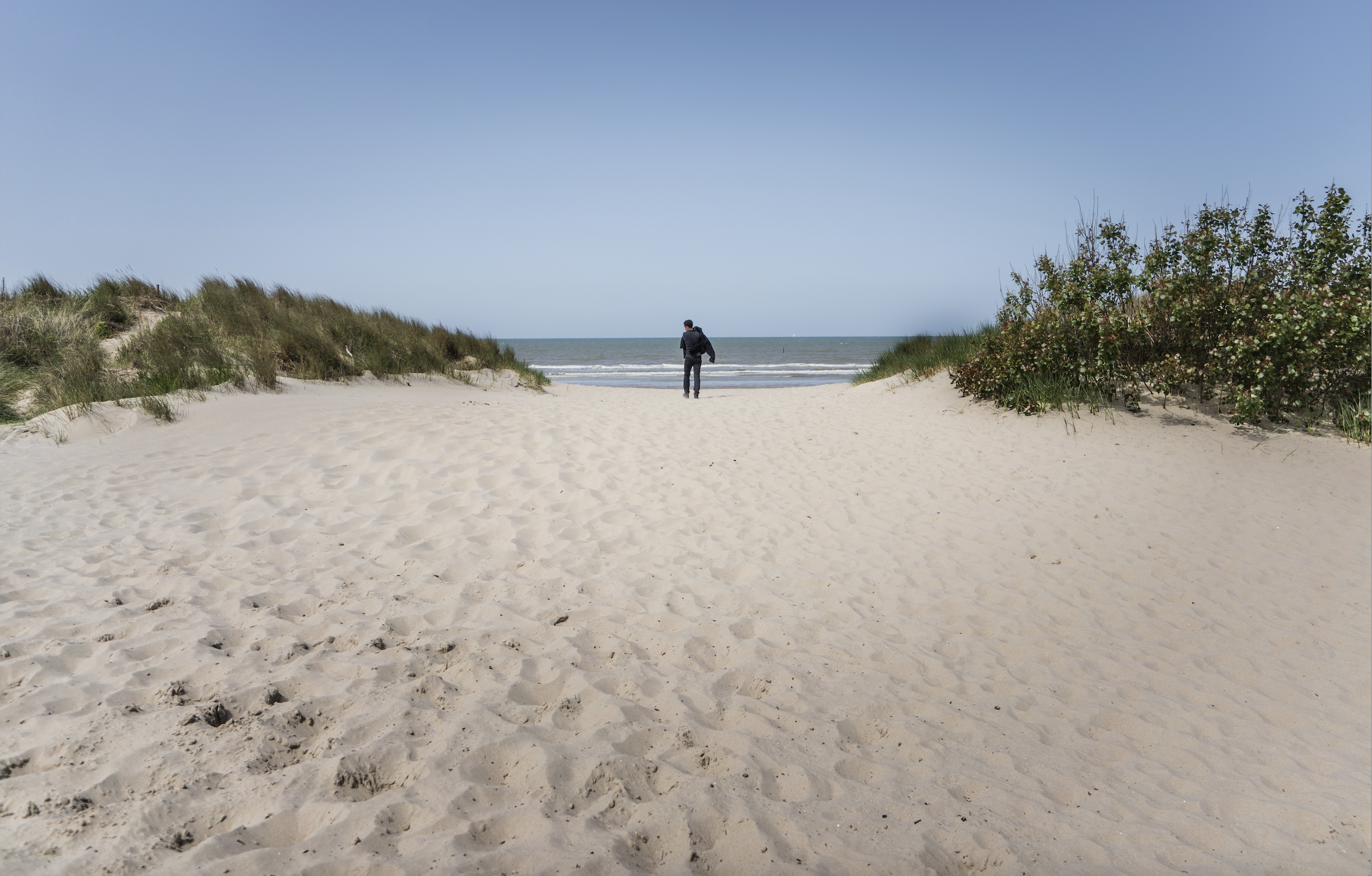
A barely visible border separates France and Belgium. A footpath threads through the dune vegetation, no fence, just space.
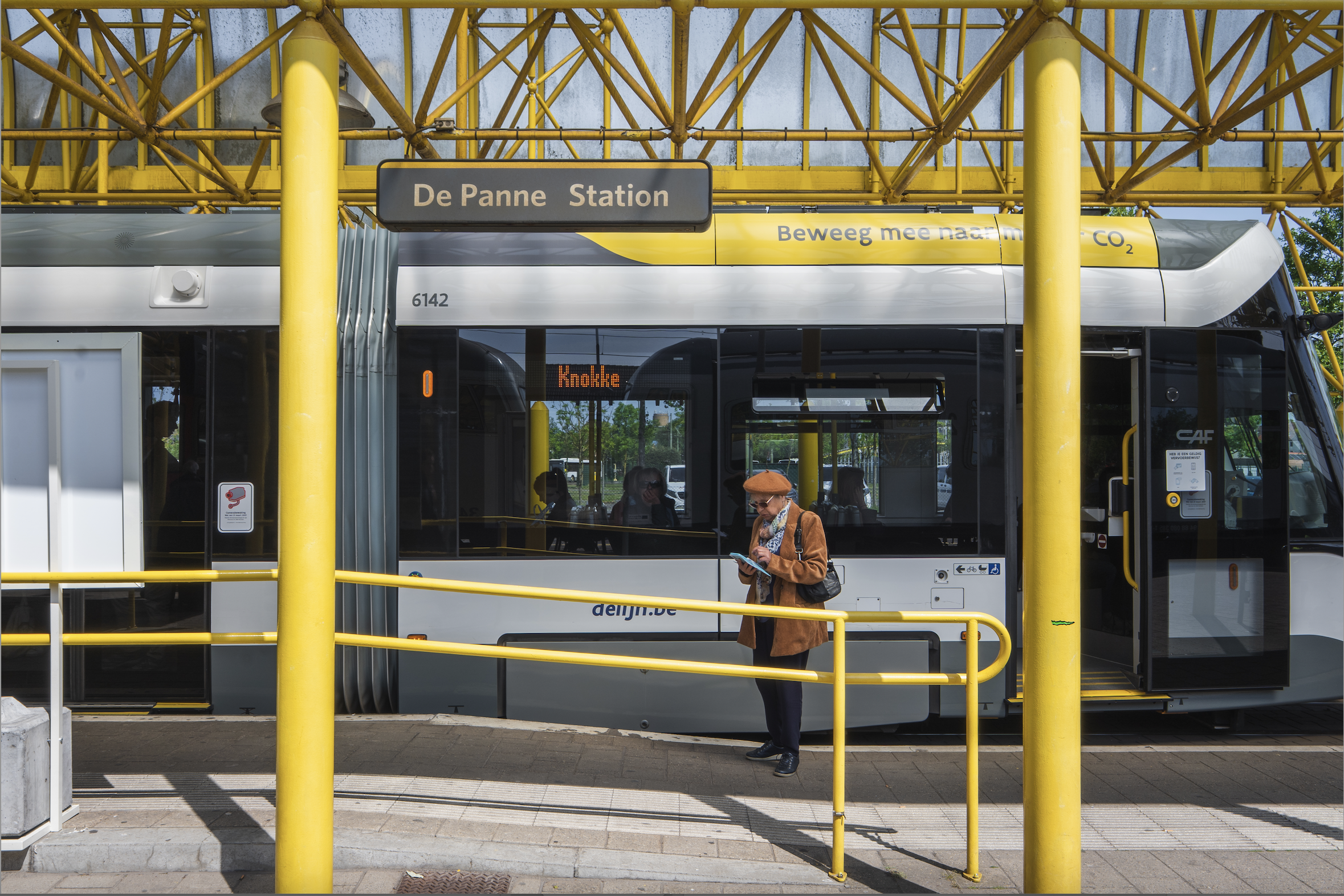
The Kusttram, the world’s longest coastal tram line, links the entirety of Belgium’s seaboard.
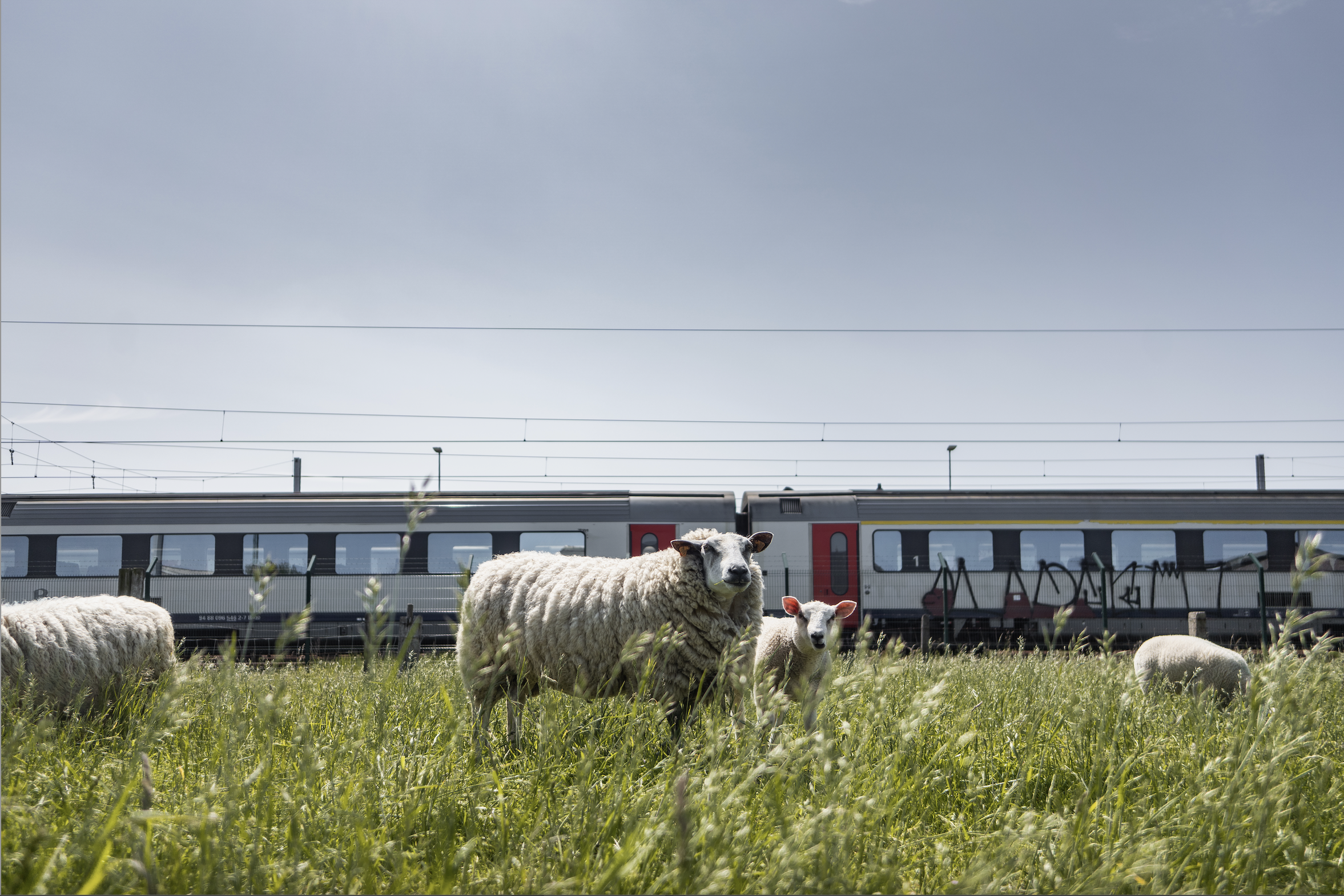
A flock of sheep grazes next to a train parked at De Panne station, near the French border.
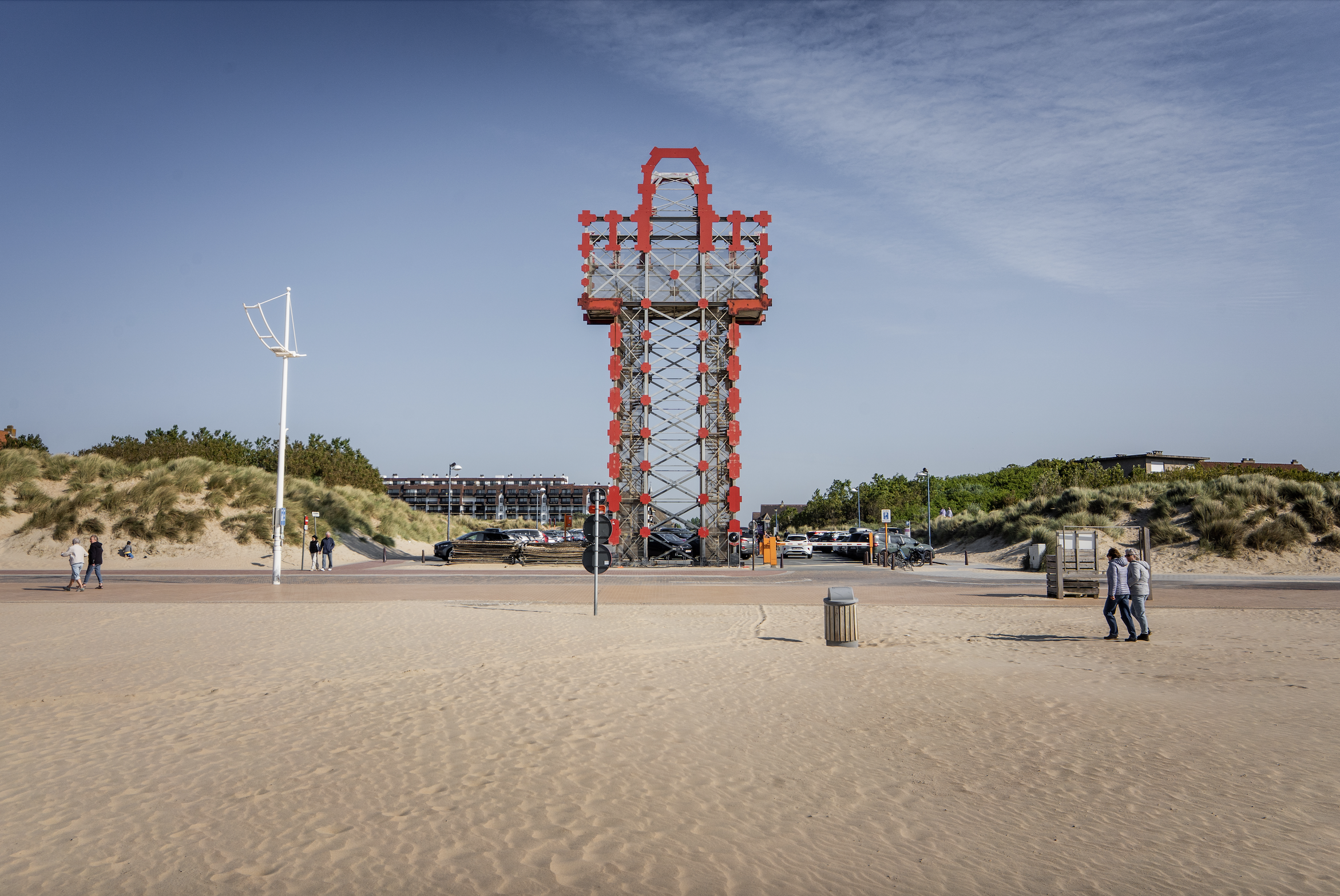
The monument "Acqua Scivolo" in Ster der Zee Square, Koksijde, stands tall despite its whimsical charm. Years ago, residents grumbled about it blocking their view of the sea and there were even plans to demolish it. It now stands as an unlikely landmark of 1970s tourism optimism.
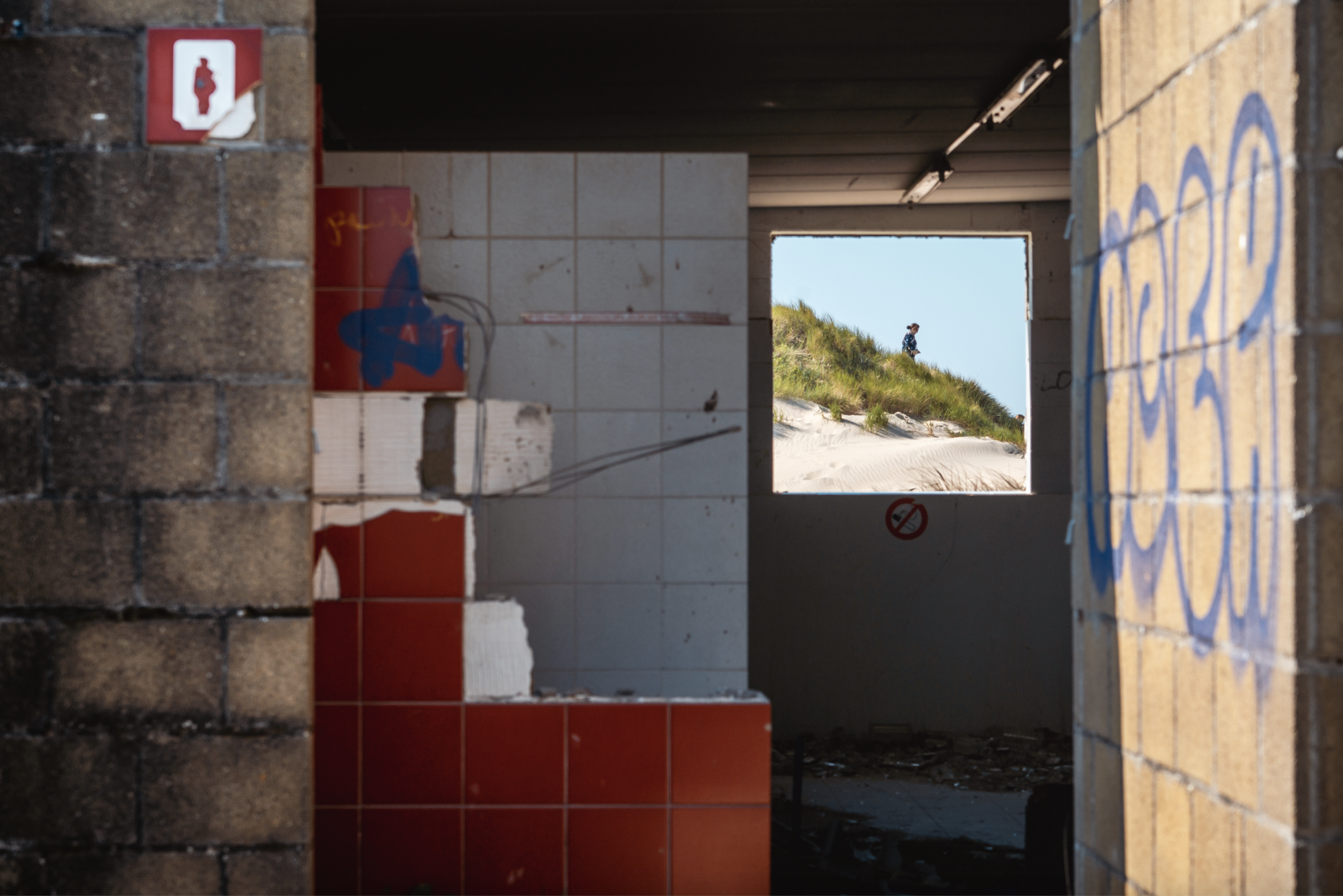
The now abandoned Zeepark campsite used to cover 8 hectares between De Panne and Koksijde. Established in the 1950s, Zeepark catered to post-war leisure dreams.
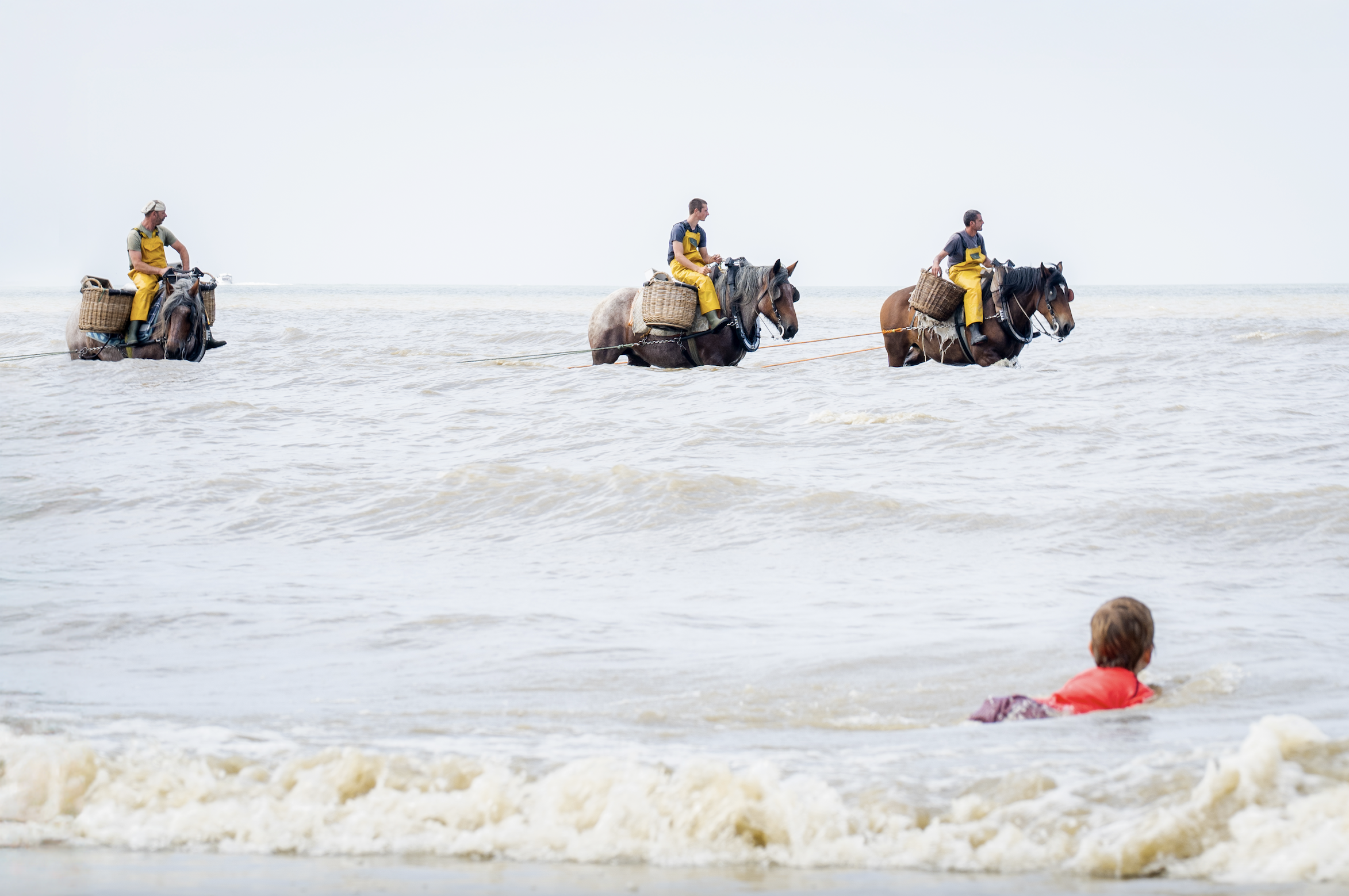
In Oostduinkerke, shrimp are still harvested by horse, a UNESCO-recognised tradition kept alive by a handful of fishermen. Their method of fishing, known as 'paardenvisserij' in Dutch, involves fishermen riding Brabant draft horses into the shallow waters of the North Sea to catch shrimp. This tradition dates back to the 16th century.
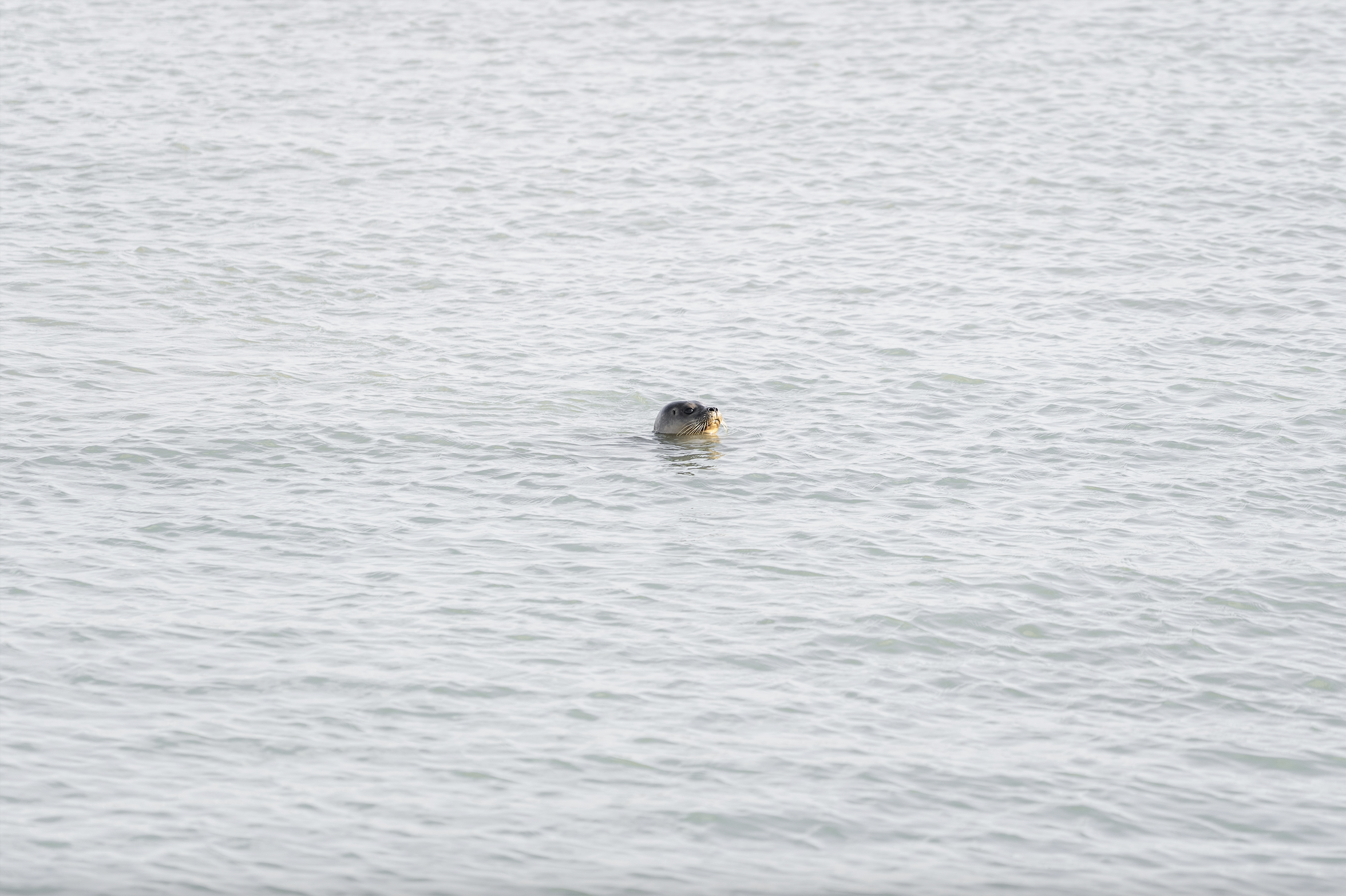
Near Ostend, a seal keeps watch over beachgoers.
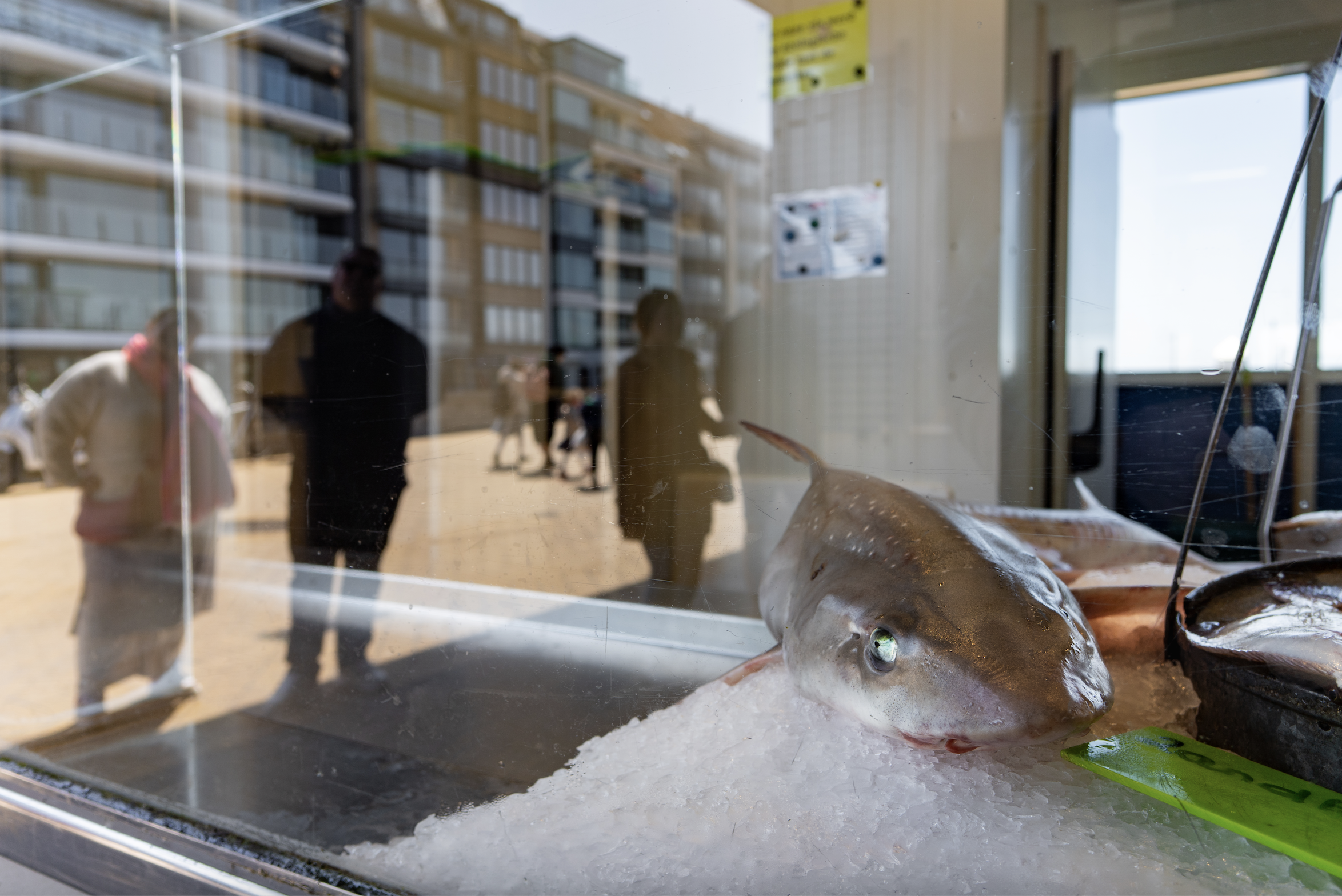
Customers wait their turn under the watchful eye of a small shark in the fish market of Ostend.
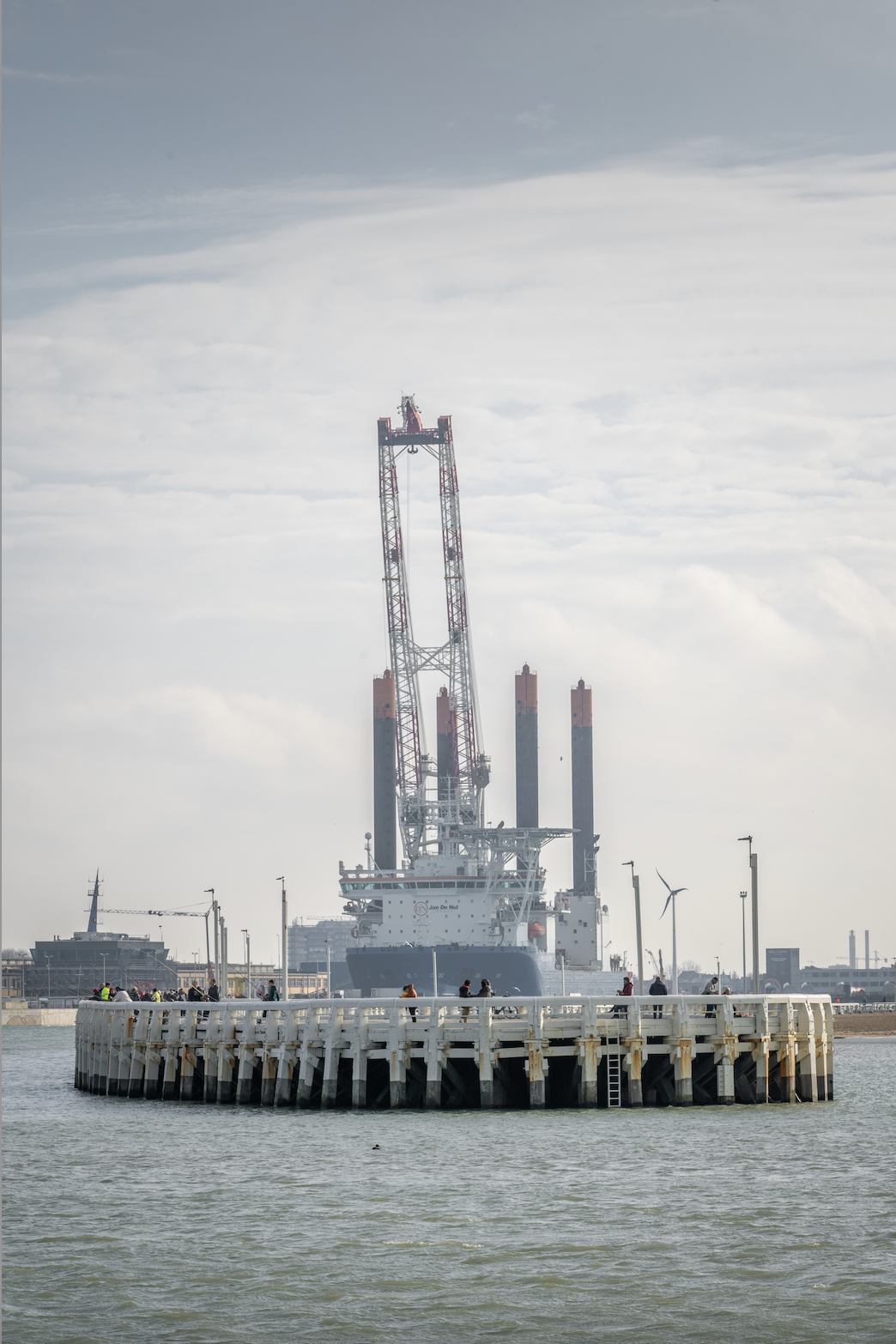
Ostend's pier and port.
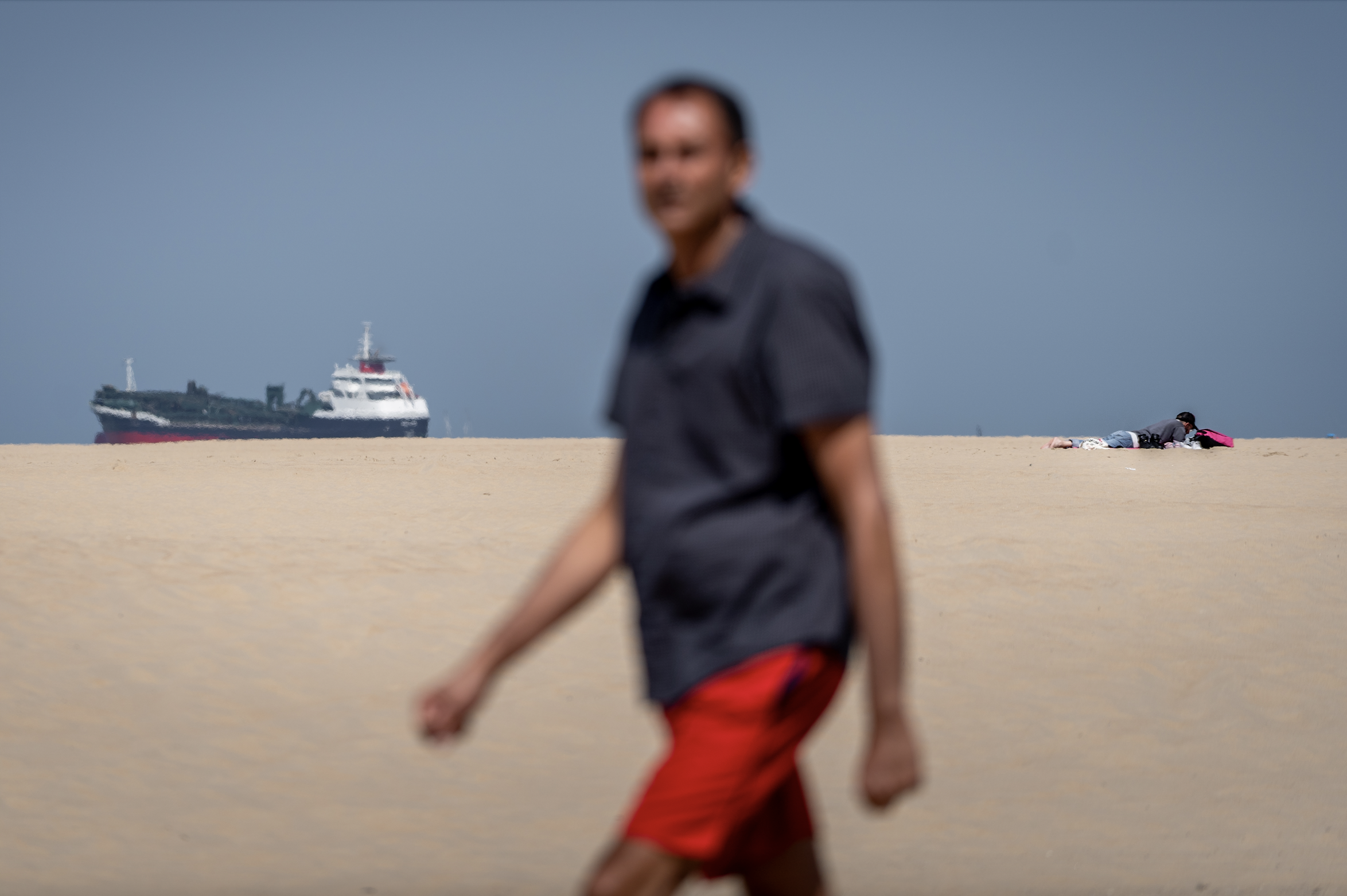
Movement in Ostend's beach. Beyond, a cargo ship leaving port.
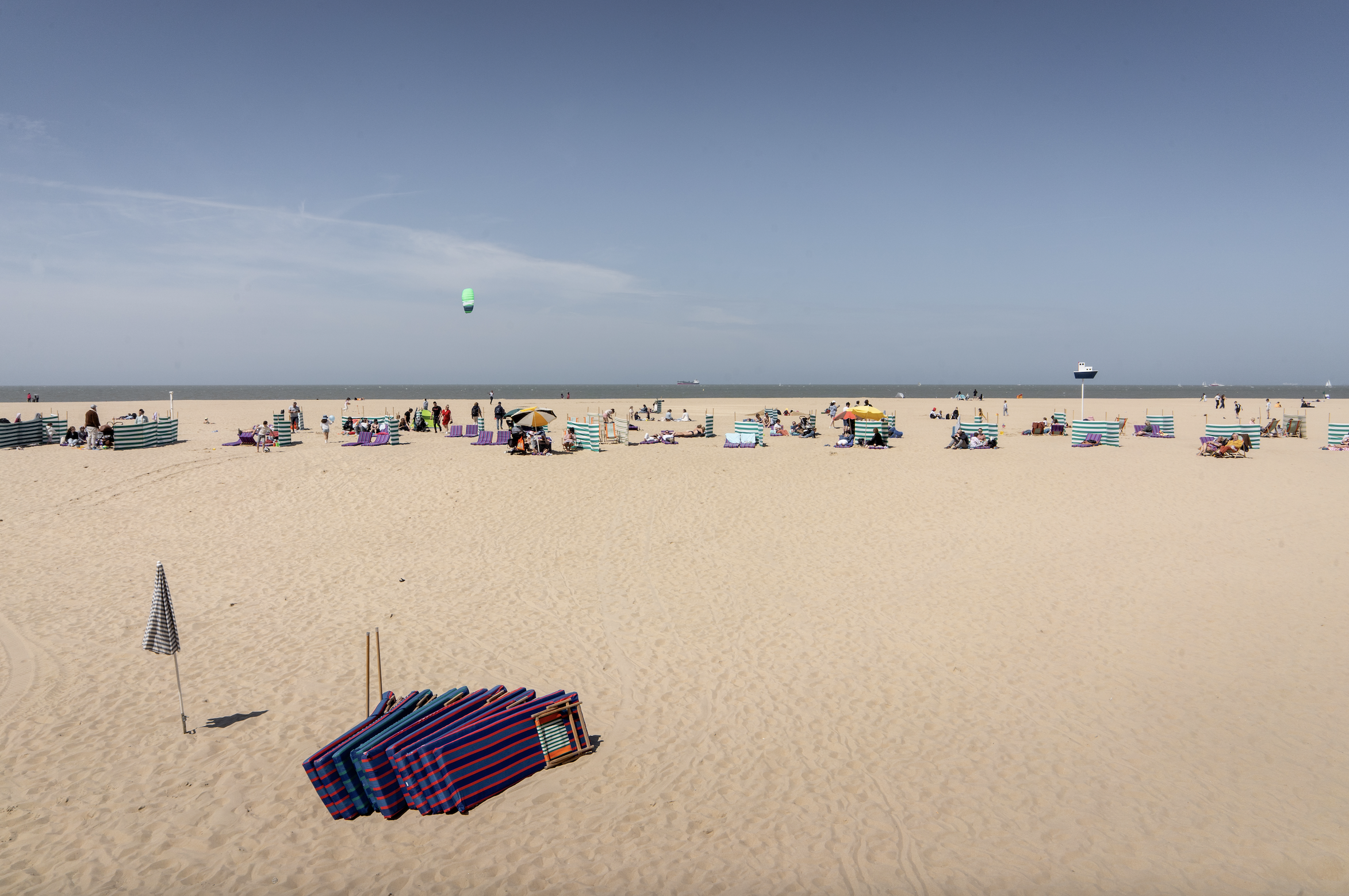
A spring day in Ostend that feels like summer.
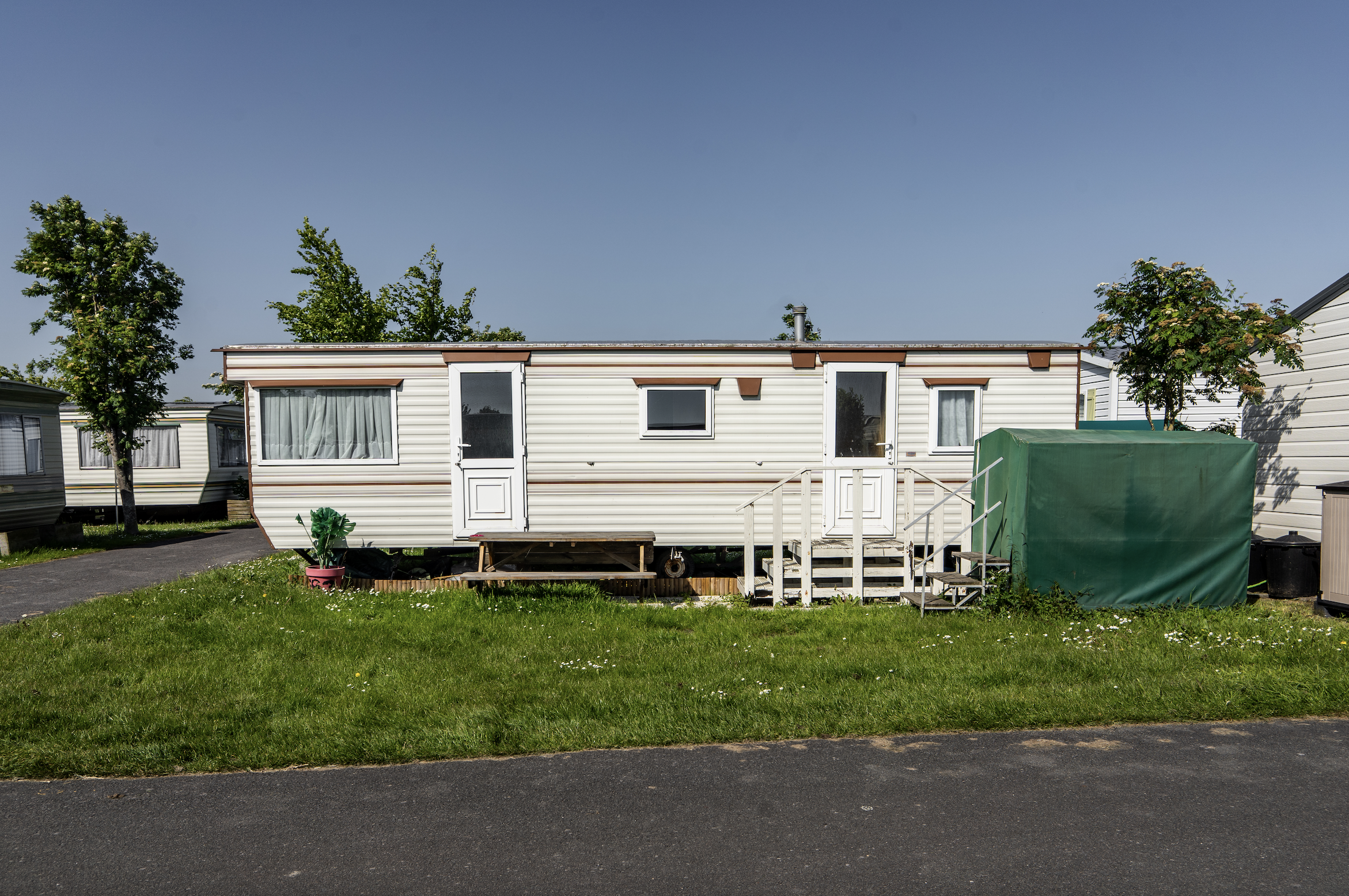
A mobile home in a coastal campsite near Bredene, where many residents live year-round. These semi-permanent communities are common along the Belgian coast.
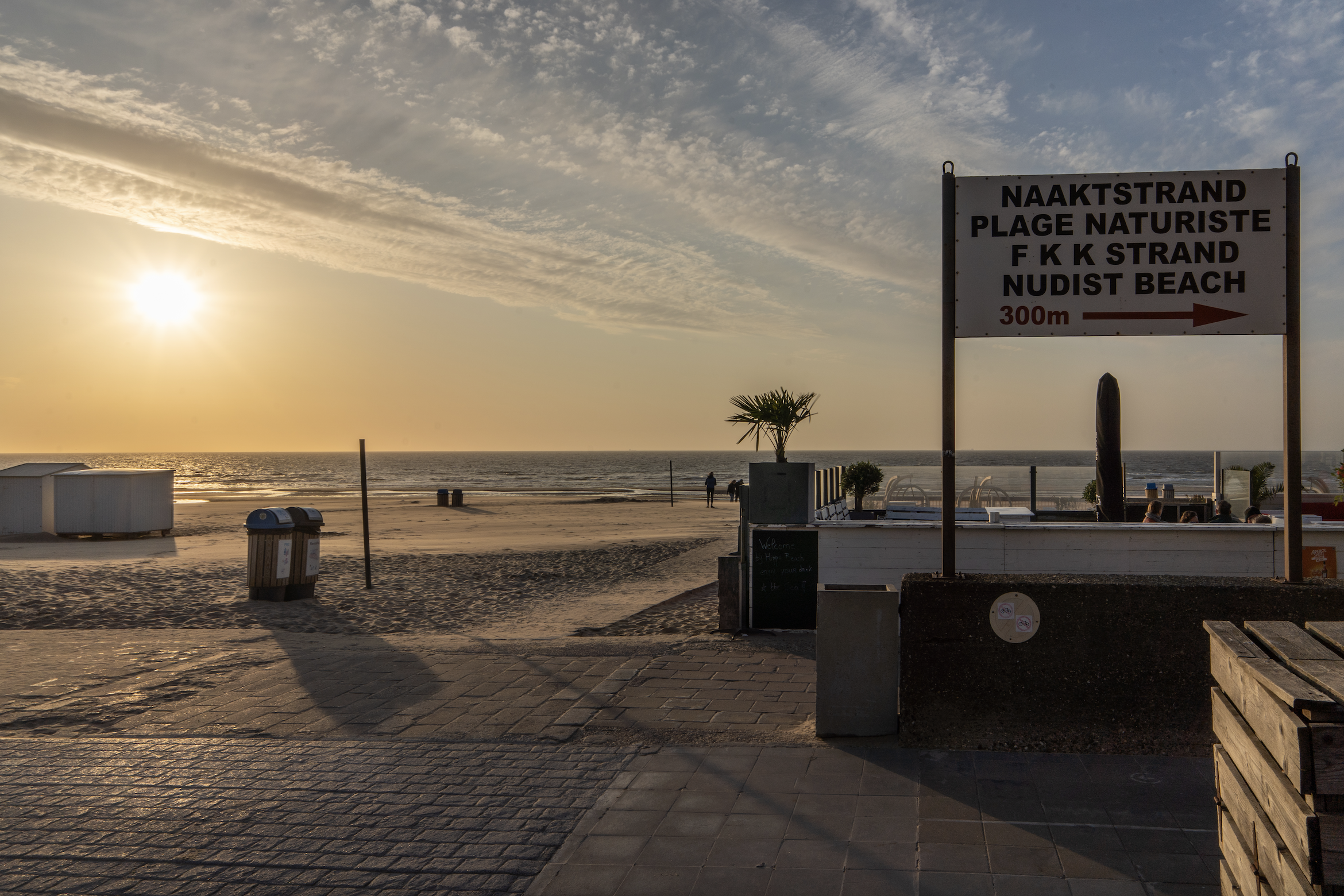
Between Bredene and De Haan, and near Belgium's only official nudist beach.
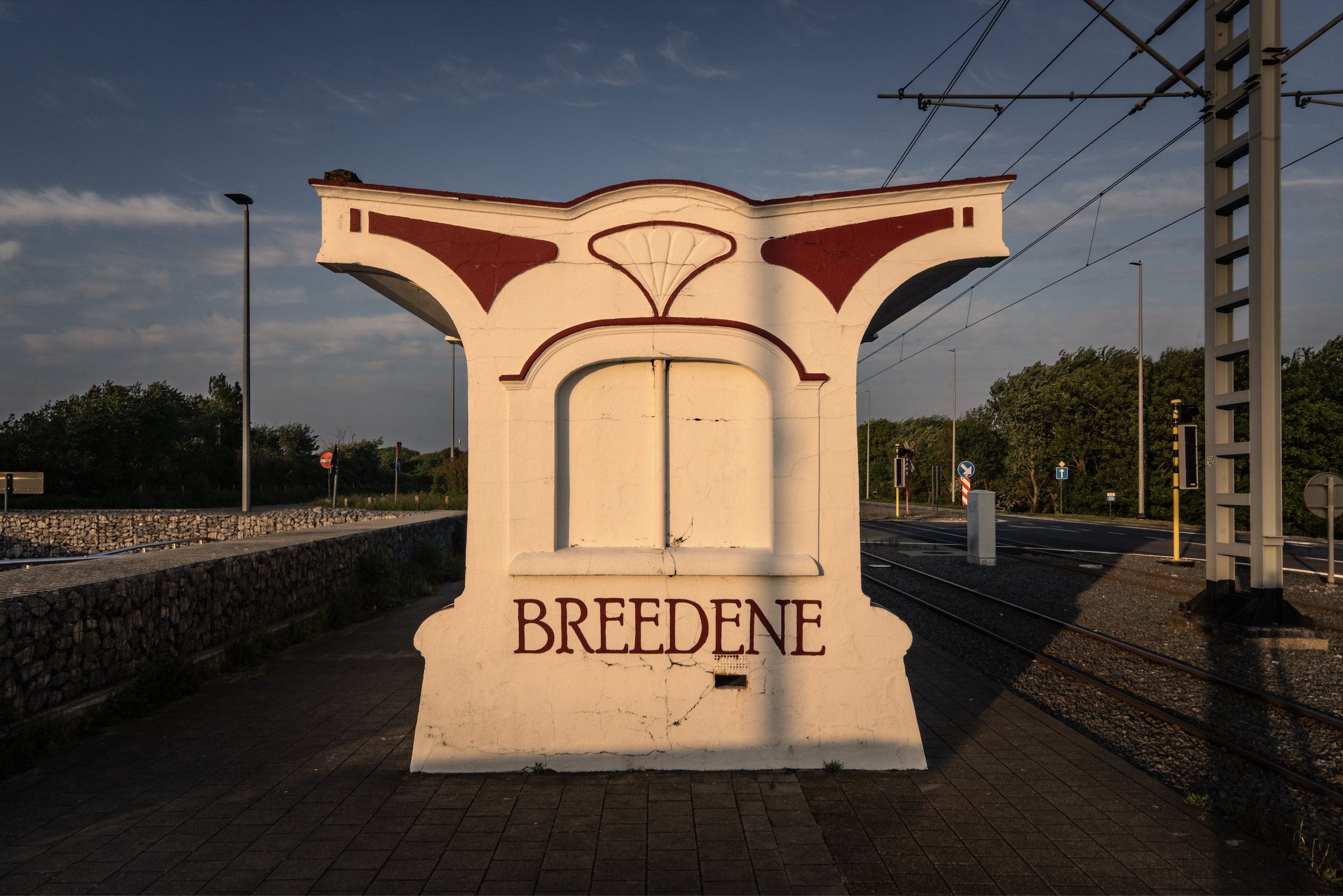
Evening light stains the Bredene tram stop, quiet before the summer crowd.
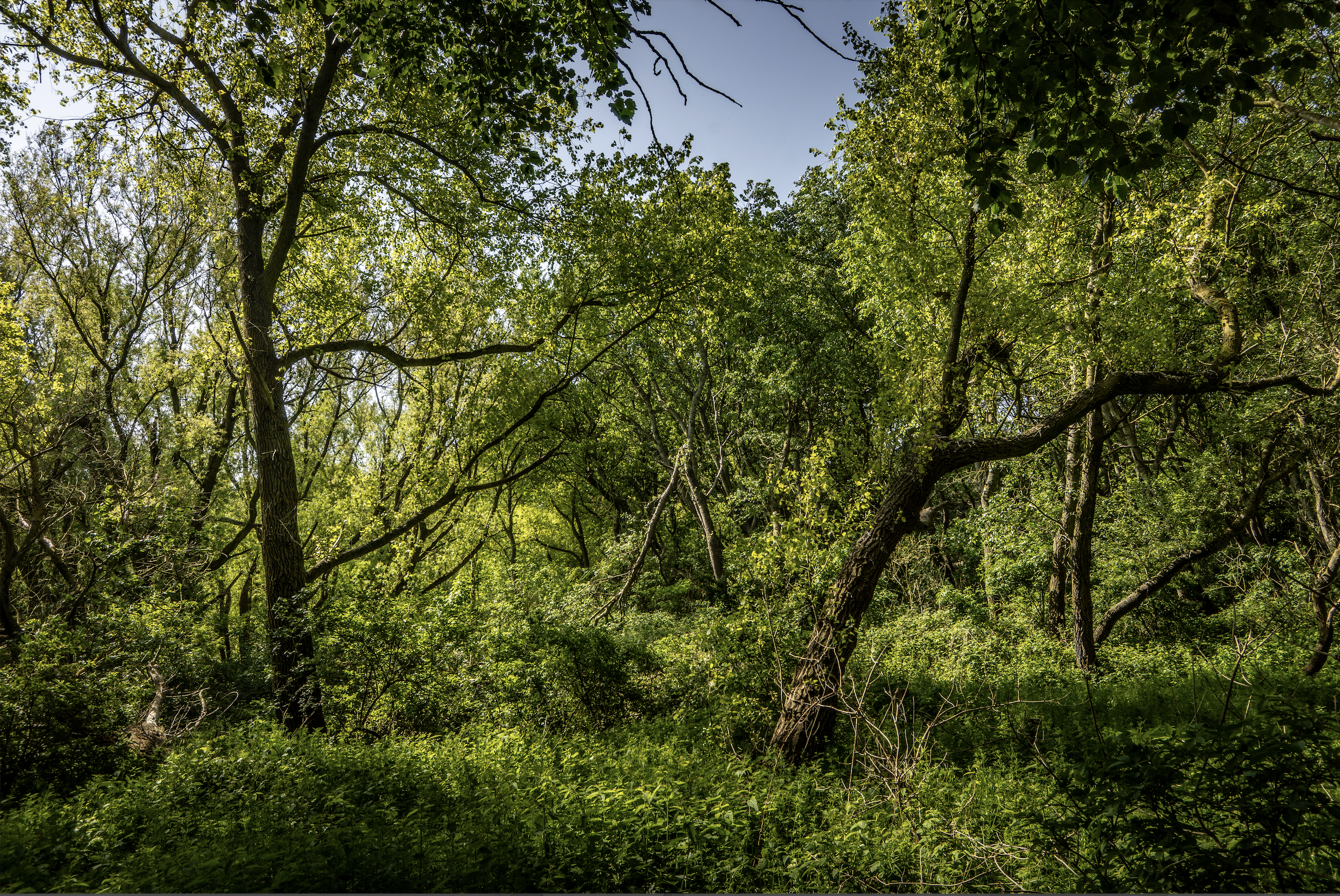
Low brush and coastal forest create a brief illusion of wilderness near De Haan.
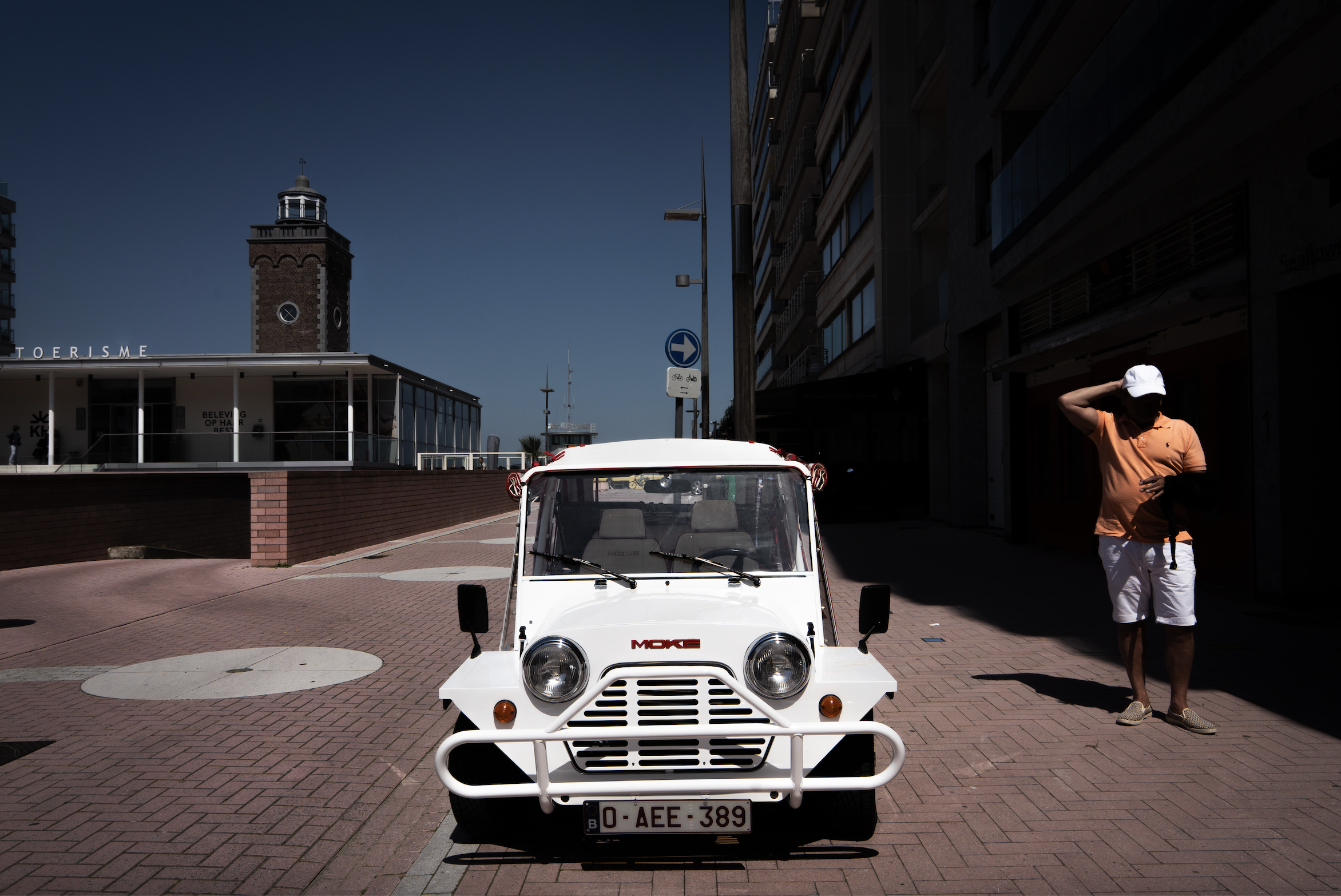
Knokke.
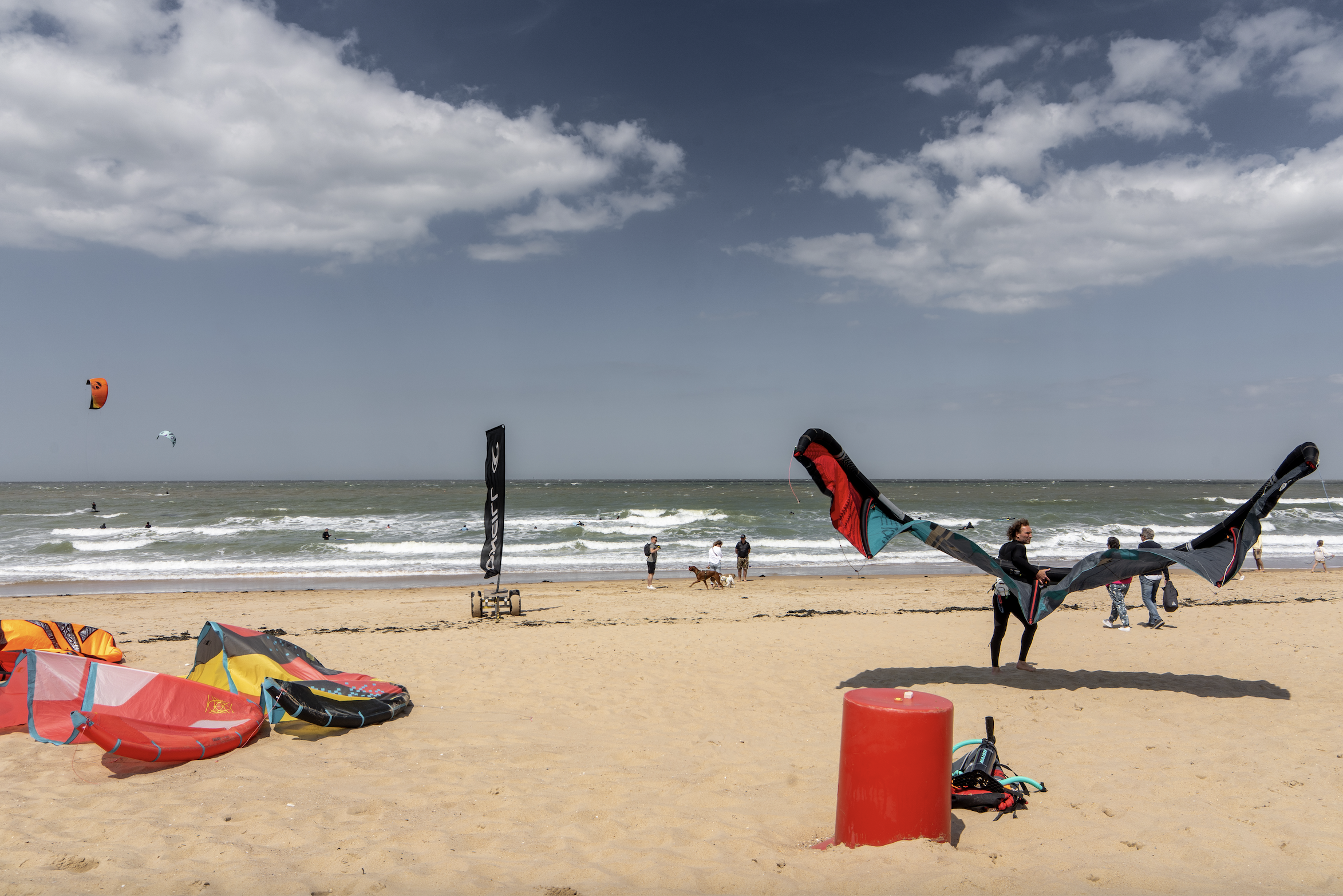
A day of wind at the surfers’ club, between Knokke and the Dutch border.
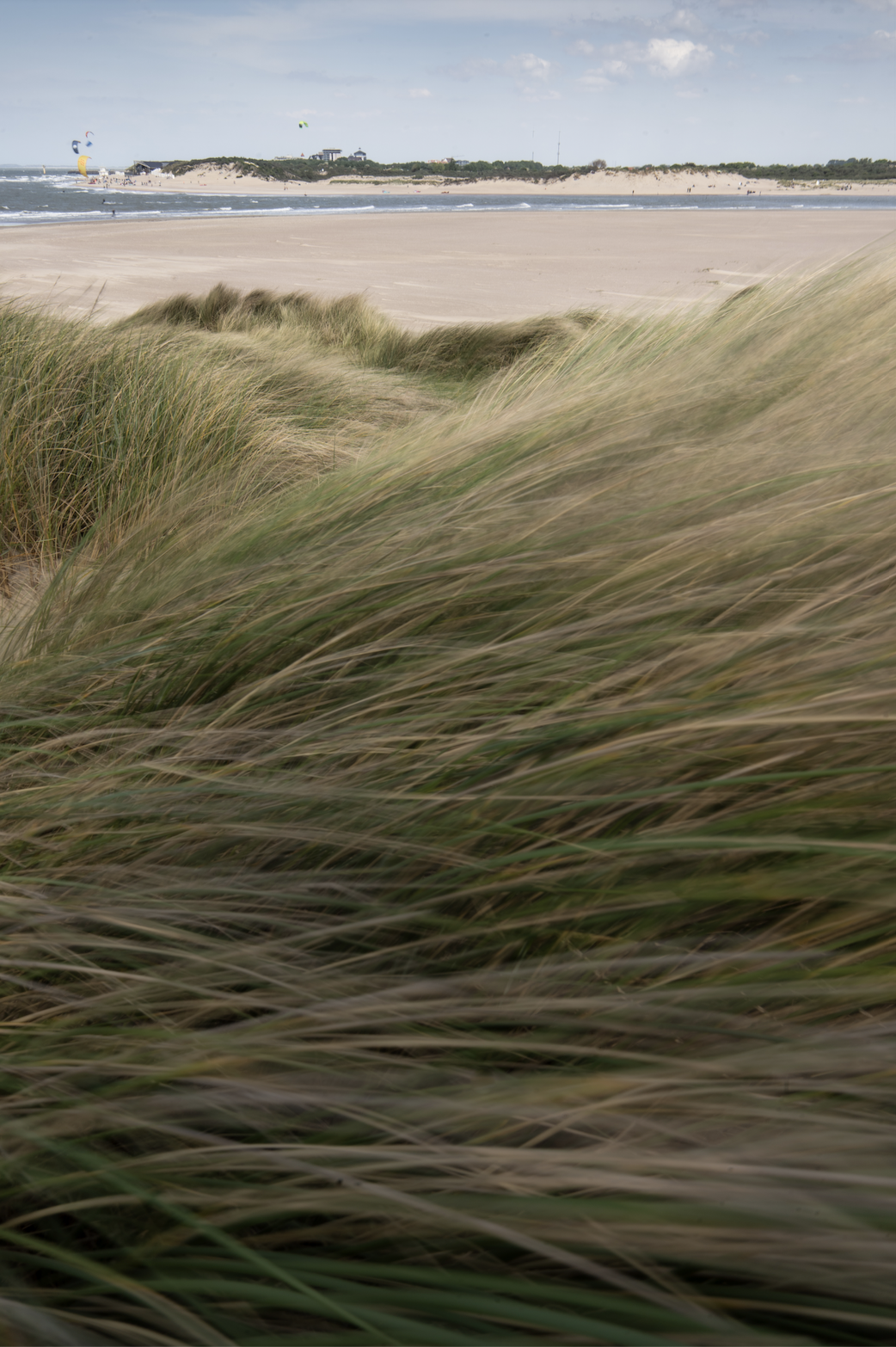
Vegetation and wind shape the dunes of Zwin Nature Park, on the border with the Netherlands. Beyond the Zwin River lies the Dutch region of Cadzand.
