
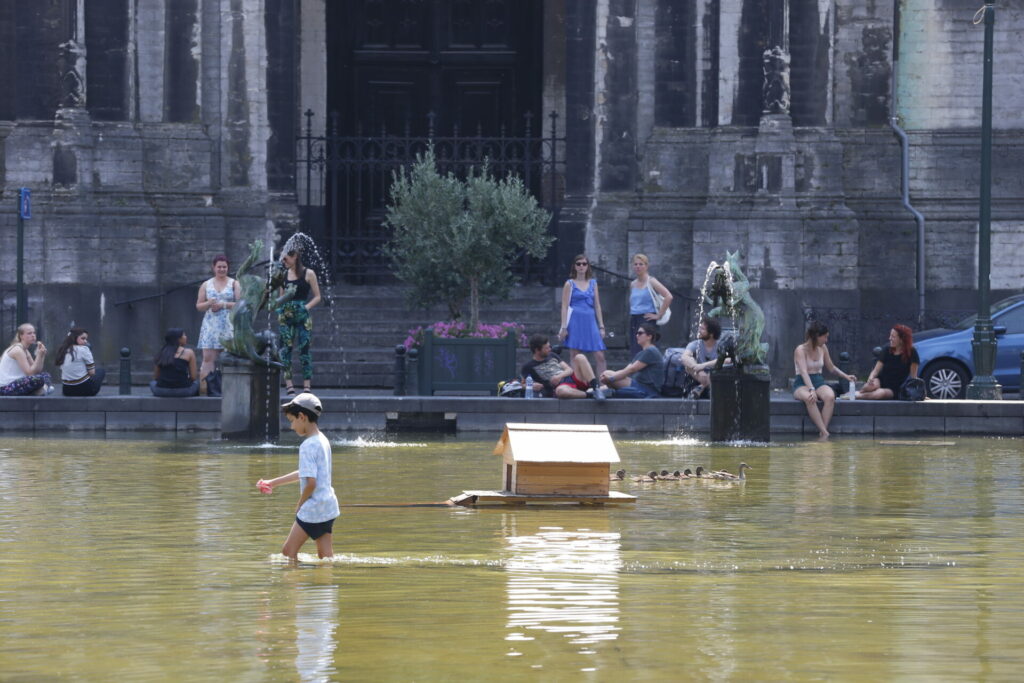
After a few weeks of grey and rainy weather, summer is back in Belgium. People can prepare for another period of warm weather – and possibly even a heatwave.
The weather of the summer holidays has been quite changeable so far, with high temperatures followed by rainy periods, but it seems that the second part of summer has now officially begun.
"At the start of the week, temperatures will reach up to 30°C. But it will also cool down at night, making the warm weather bearable," said VRT weather reporter Sabine Hagedoren. "For now, it looks like it will be a 'warm period,' possibly even a heatwave. But it is still too early to say for sure."
A potential heatwave
The Royal Meteorological Institute (RMI) declares a national heatwave when the maximum temperatures in the official measuring station in Uccle reach 25°C (or more) for at least five days in a row, of which at least three days of 30°C (or more).
According to the RMI, the maximum temperatures will fluctuate between 25°C and 30°C over the next two weeks, with an expected outlier of 34°C on Tuesday. During the Pukkelpop music festival this weekend, temperatures will range from 25°C to 29°C.
"Such a high-pressure area can sometimes exert its influence for one to even two weeks," said Hagedoren. "So if you like warm summer weather, next week is looking very good."
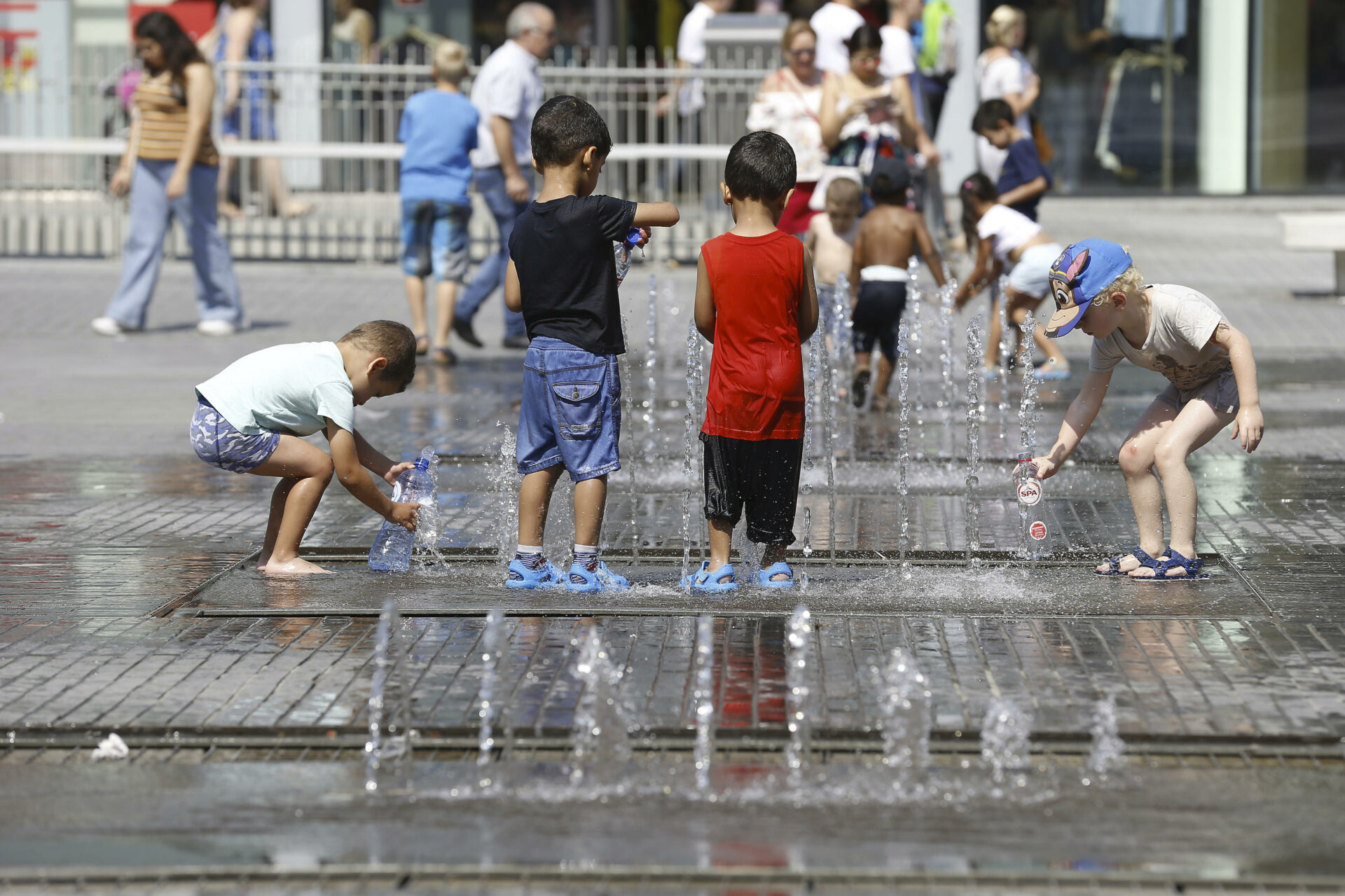
Kids playing in Brussels during one of our more frequent heatwaves. Credit: Belga
Despite the rainy weather in Belgium, July 2025 was the third warmest July ever (after 2023 and 2024) across the planet, according to the European climate service Copernicus Climate Change Service (C3S).
The average surface temperature was 16.68°C – 0.45°C warmer than the average July over the past 30 years (1991 to 2020), but slightly cooler than last year's July (16.91°C) and the record holder, July 2023 (16.95°C).
The past month of July was 1.25°C warmer than the pre-industrial level (from 1850 to 1900). Of the last 25 months, July was only the fourth month that did not exceed the 1.5°C mark.
Heat records and forest fires
In Europe, the average temperature over land was 21.12°C – 1.3°C higher than the average for the past 30 years, making last July the fourth warmest on record. In the Nordic countries, the above-average temperatures were most pronounced: Finland and Sweden in particular experienced heat waves.
Additionally, Southeast Europe was confronted with heat waves and forest fires. In Turkey, a national record temperature of 50.5°C was even measured.
Globally, the average temperature for the past 12 months (August 2024 to July 2025) was 1.53°C higher than the pre-industrial level. However, this does not mean that the limits set in the 2015 Paris Climate Agreement – which set the ambition to limit global warming to 2°C and preferably to 1.5 °C – have been exceeded.
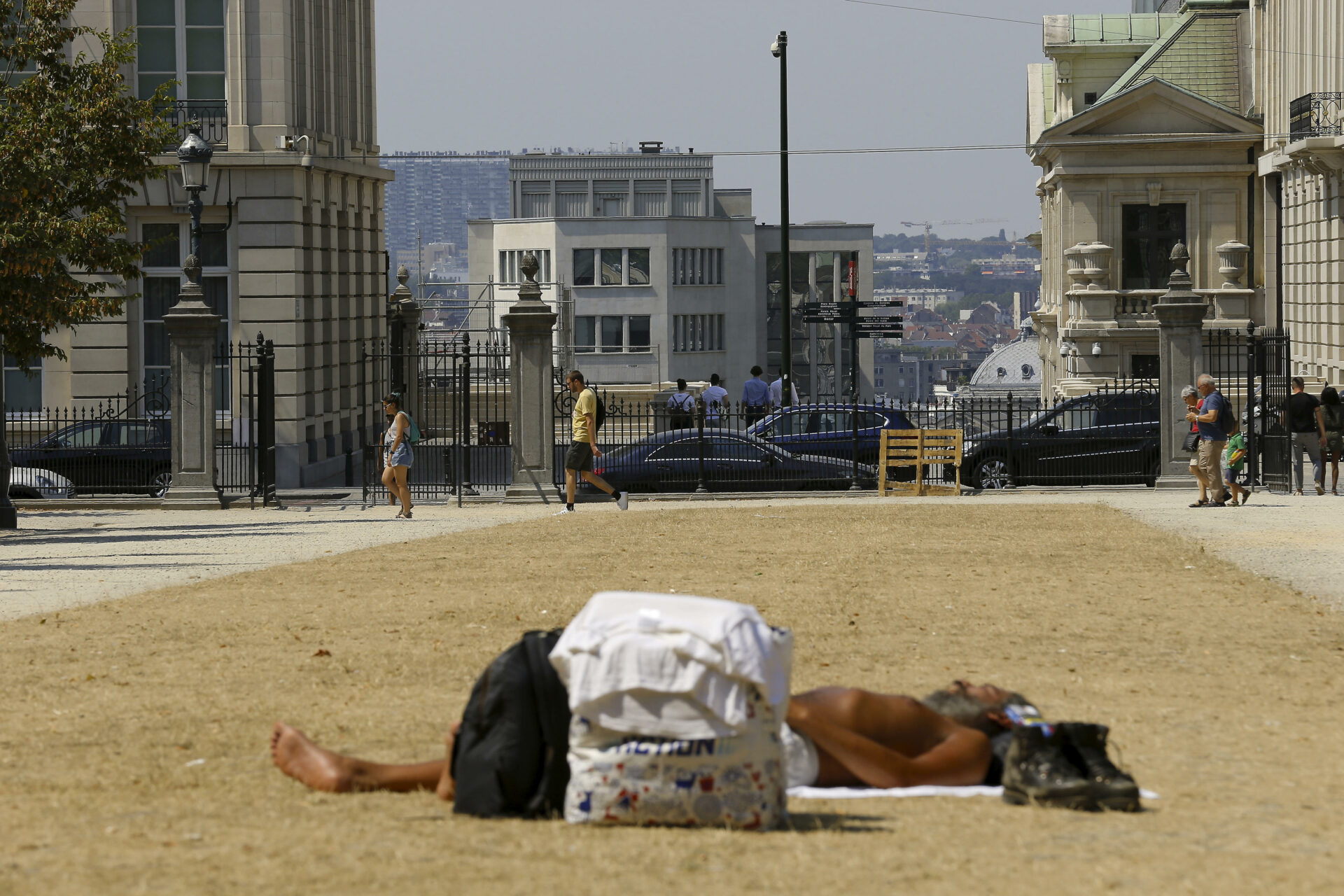
Credit: Belga/Nicolas Maeterlinck
After all, the agreement uses a long-term average, an average over ten or 20 years. The World Meteorological Organisation (WMO) is working on ways to monitor the crossing of that symbolic threshold more closely.
"Two years after the hottest July ever recorded, the recent series of global temperature records is over, for now," said C3S' director Carlo Buontempo. "But that does not mean that climate change has stopped. In July, we still witnessed the effects of a warming world, such as extreme heat and catastrophic flooding."
"Unless we quickly stabilise greenhouse gas concentrations in the atmosphere, we can expect not only new temperature records but also a worsening of these effects, and we must prepare for that," he stressed.
