
Belgian health experts are warning travellers to take precautions against hepatitis A during the summer holiday season, after figures show infections often peak in the months following the break.
Speaking to 7sur7, virologist Steven Van Gucht of Sciensano said the illness remains relatively rare in Belgium, with only 395 cases reported nationwide in 2023; however, infections increase each year after the summer.
"The virus is more common in other countries," Van Gucht explained. "People can become ill when travelling to certain (sub)tropical countries such as India, Pakistan and Indonesia, as well as parts of Eastern Europe like Romania. We also see cases in popular Mediterranean destinations such as Morocco, Egypt and Turkey, and in southern Europe, including Spain and Italy."
Hepatitis A is one of five hepatitis viruses and causes inflammation of the liver. According to liver specialist Xavier Verhelst of UZ Ghent, also quoted by 7sur7, the virus is "self-limiting", it does not become chronic, unlike hepatitis B or C. "You can become ill, but the virus will eventually disappear from the body, much like a cold," he said.
The illness often begins with flu-like symptoms, including fatigue, mild fever and abdominal discomfort. As the infection progresses, jaundice (yellowing of the skin and eyes) can occur, along with dark urine and pale stools. These changes are linked to bilirubin, a substance the liver struggles to process during infection.
Symptoms can take between two and seven weeks to appear after exposure. Some people experience only mild illness, while others may be bedridden for several weeks. In rare cases, acute liver failure can develop. Recovery generally takes two to four weeks, though fatigue may last for months.
Hepatitis A spreads mainly through contaminated food or water. A common source is food prepared by someone infected who has not washed their hands properly.
The virus is not airborne and cannot be caught through casual proximity, such as in a train or workplace. However, poor hand hygiene after using the toilet can lead to person-to-person transmission.
There is no specific treatment to speed recovery. Doctors recommend rest, hydration, avoiding alcohol and eating easily digestible foods.
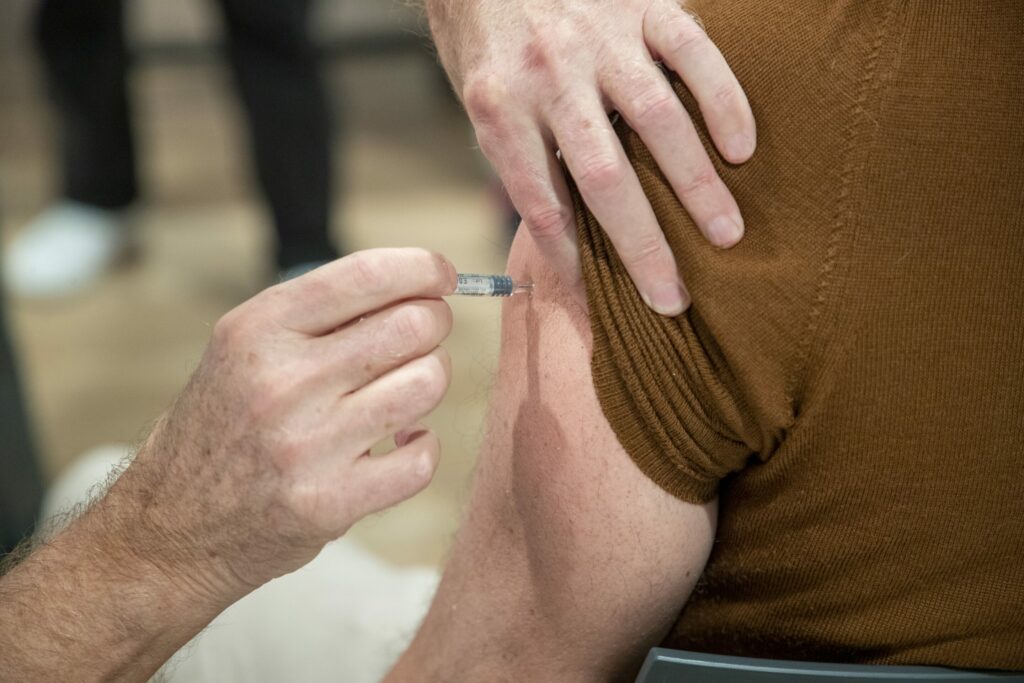
A vaccine is available, with protection beginning within 14 days of the first dose, though optimal immunity develops after about a month. Van Gucht advised travellers to discuss vaccination with their GP or a travel medicine clinic, particularly if travelling to higher-risk destinations.
