
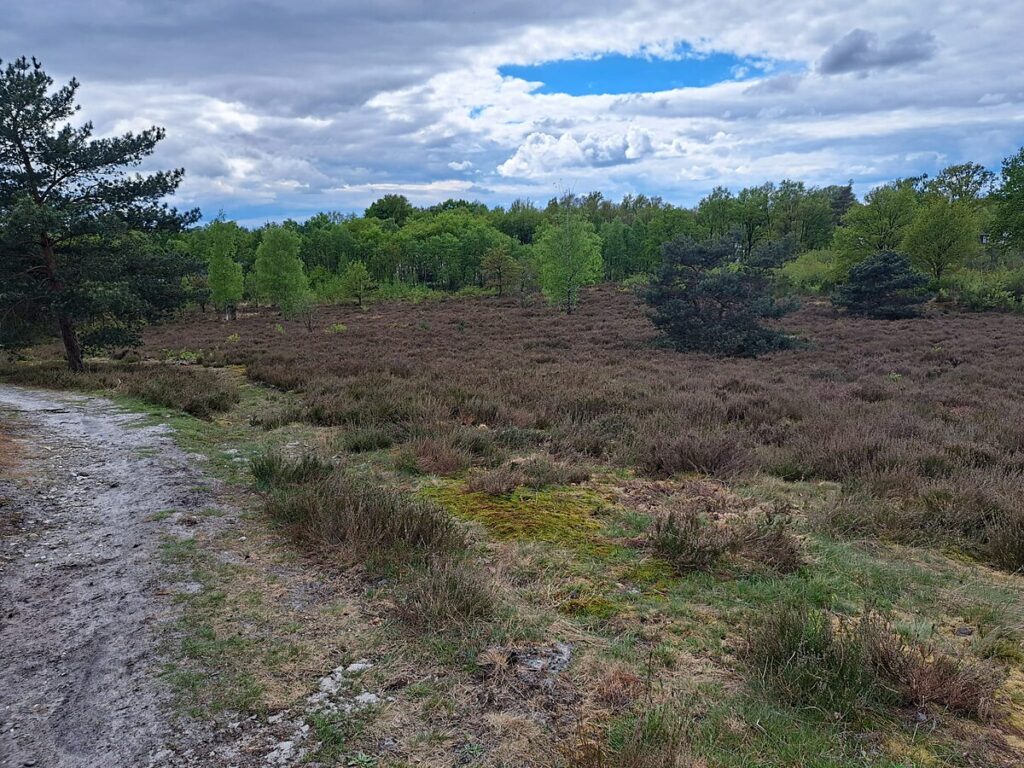
Flanders has invested €6.2 million in recent years to strengthen the heather landscapes around Genk.
This funding is vital, as 95% of Flanders’ heather areas have disappeared over time. Today, only 0.6% to 1% of the landscape in Flanders consists of heathland. These habitats are home to rare plants and animals, with 13% of the region’s most endangered species dependent on heathland for survival. Alarmingly, over 60% of species native to these areas are now extinct, critically endangered, threatened, or vulnerable in the region.
Heather landscapes also play a critical role in water management, allowing up to 75% of rainwater to infiltrate the soil. This helps replenish groundwater levels. Together, the heathlands in Opglabbekerzavel (70.5 hectares), Schemmersberg (33 hectares), and Boxbergheide form the largest protected heather nature reserve in Flanders.
Of the €6.2 million invested, €5.8 million is being used to develop the Zwarte Berg ecological valley, a key ecological corridor linking the Mechelse Heide and the Houthalen-Helchteren Military Training Grounds. Another €363,000 has been allocated to the management of Opglabbekerzavel, with work expected to be completed by December 2025. Starting in November 2024, Genk will also receive €66,000 annually for the ongoing management of these three heather areas.
“Genk has been a model city in strengthening, managing, and connecting valuable natural areas,” said Flemish Minister for Environment and Agriculture Jo Brouns (CD&V). “With this investment, we are not only giving Genk’s heather landscapes more breathing space but also building resilient ecosystems that are better equipped to withstand droughts and climate change. We’re boosting biodiversity while protecting this unique open landscape, creating a space where both locals and visitors can fully enjoy the beauty of nature.”
