
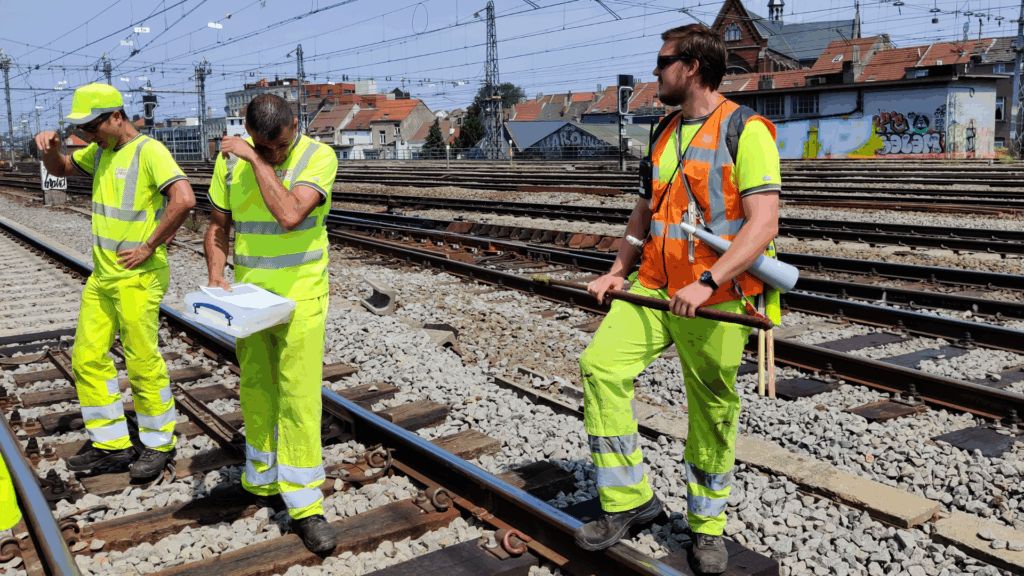
As global temperatures break historic records, too many workers remain insufficiently protected, warned the World Health Organization (WHO) and the World Meteorological Organization (WMO) in a report released on Friday.
More than 2.4 billion workers worldwide are exposed to excessive heat, according to estimates by the International Labour Organization (ILO). The health consequences of this can, in some cases, be a matter of life or death.
“Extreme heat is something called the silent killer. But with today’s science, data, and technologies, it is no longer an excuse…Almost all heat illness, injury, and death is preventable,” said WMO’s Senior Director of Services, Johan Stander, in a press conference on Thursday.
In the recently published report, a first major update on the topic since 1969, the WHO and WMO advise and call for all actors, including governments, workers, and trade unions, to accelerate efforts to adapt to the climate trends.
The publication of the report follows a summer of numerous heatwaves across European countries, including Belgium. This year, Belgium notably experienced the hottest 1 July since 1833, with temperatures reaching 38°C in Brussels.
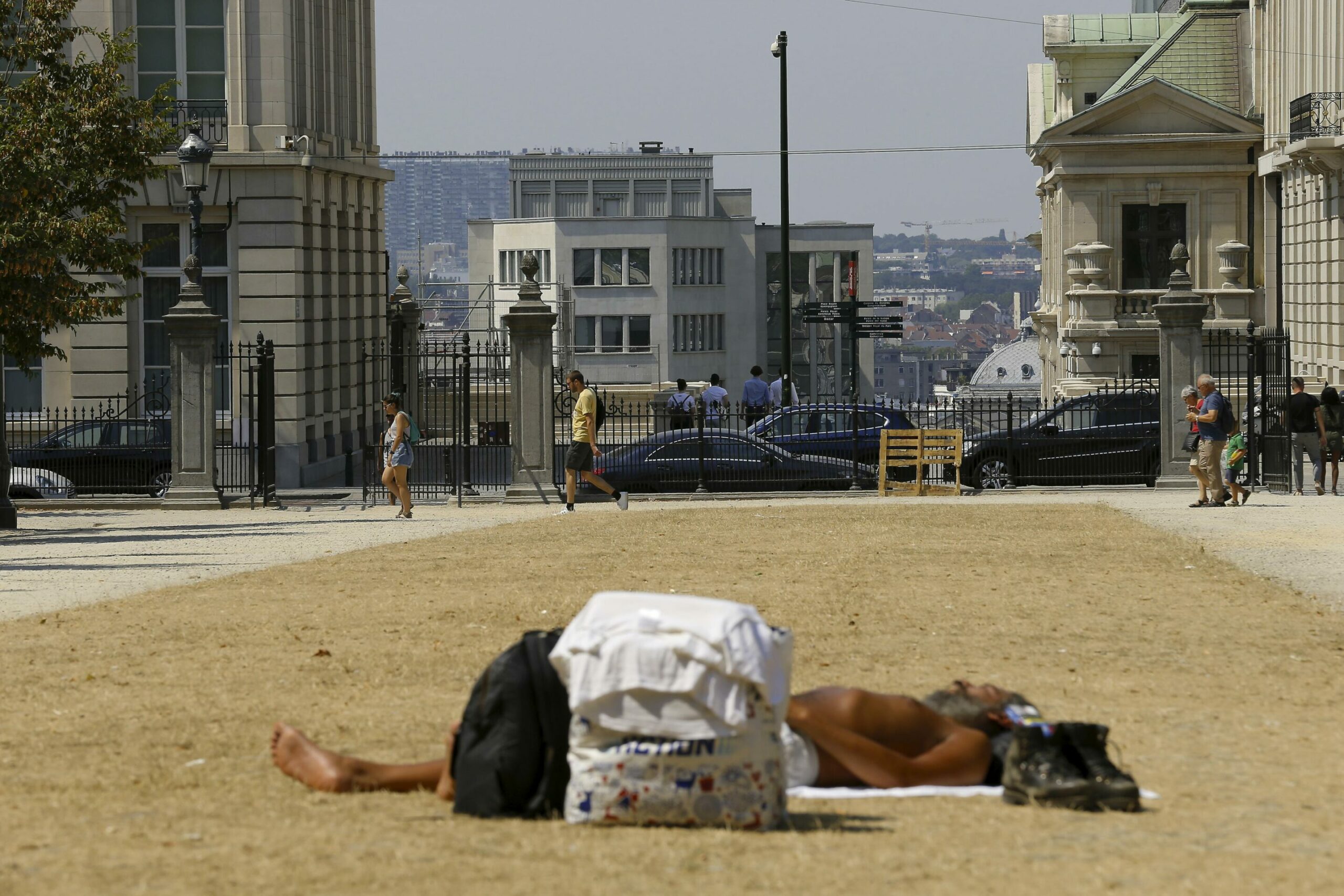
A man pictured sleeping at the Parc de Bruxelles as temperatures reach 33°C in Brussels on July 2018. Credit: Belga/Nicolas Maeterlinck
The impact of hotter days is particularly visible in physically demanding sectors, such as agriculture and construction, where the WHO has noted a “clear increase” in heat stroke.
In Belgium, workers are protected by labour law via the code on Well-being at work. The code stipulates that employers must assess the risks associated by thermal conditions and take measures when certain temperature thresholds are exceeded.
The measures to protect workers can vary from providing drink, increasing breaks or adjusting working hours for example.
These are methods often used within the construction sector in Belgium, according to Sven Nouten, the spokesperson for the Belgian construction association, Embuild. Although Nouten says there are no plans to expand the current "heat measures" in the sector, he expects the measures to be used “much more frequently” in the future.
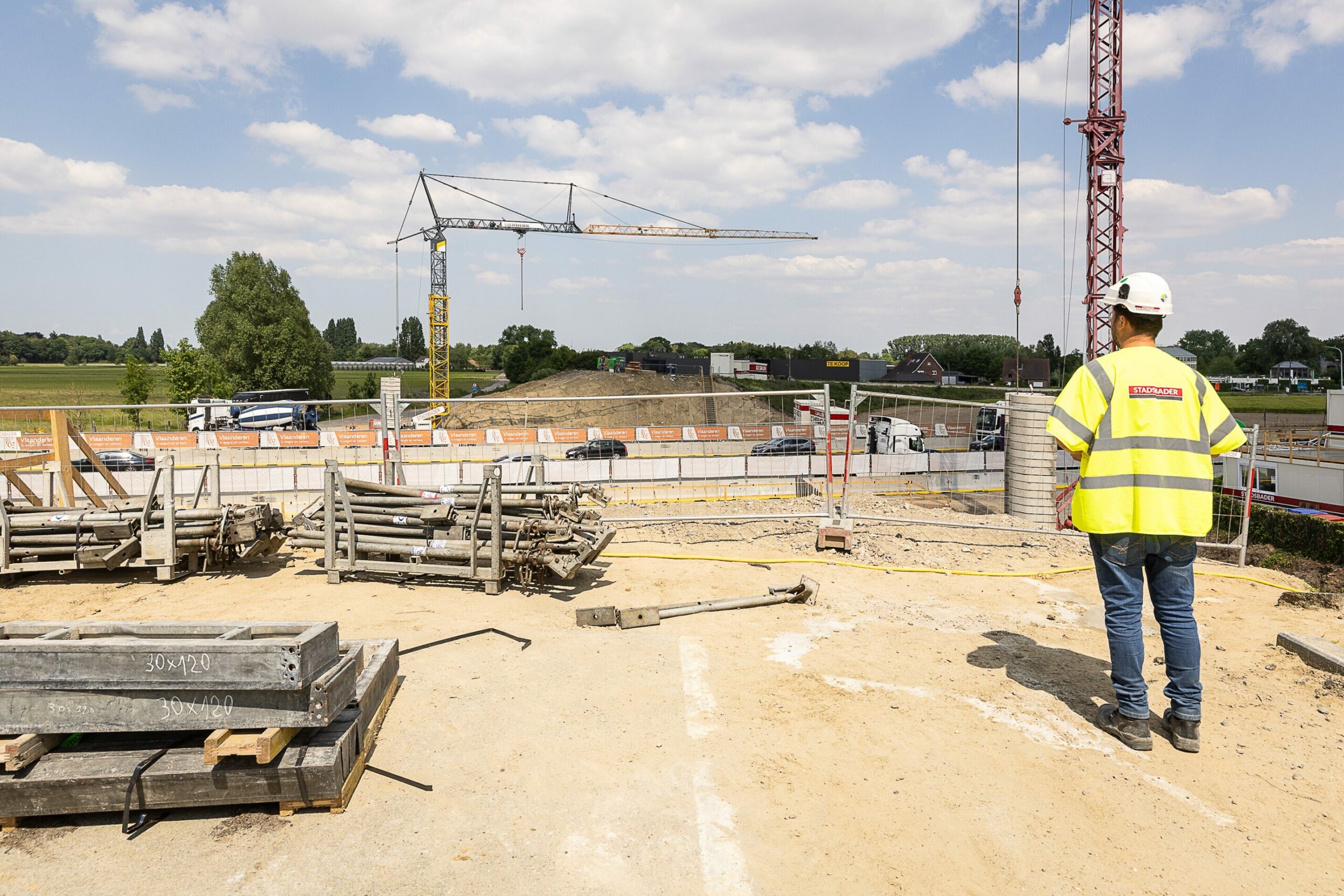
A construction site. Credit: Belga/James Arthur Gekiere
At a federal level, in light of existing legal frameworks to deal with the heat, Belgium is not planning any legislative changes, according to Julien Vandenborre, spokesperson for the Minister of Employment David Clarinval (MR).
"At this stage, no specific legislative reforms are planned, but the prevention services and federal authorities are closely monitoring international recommendations, including those of the WHO, with a view to adapting the existing guidelines if necessary," he said.
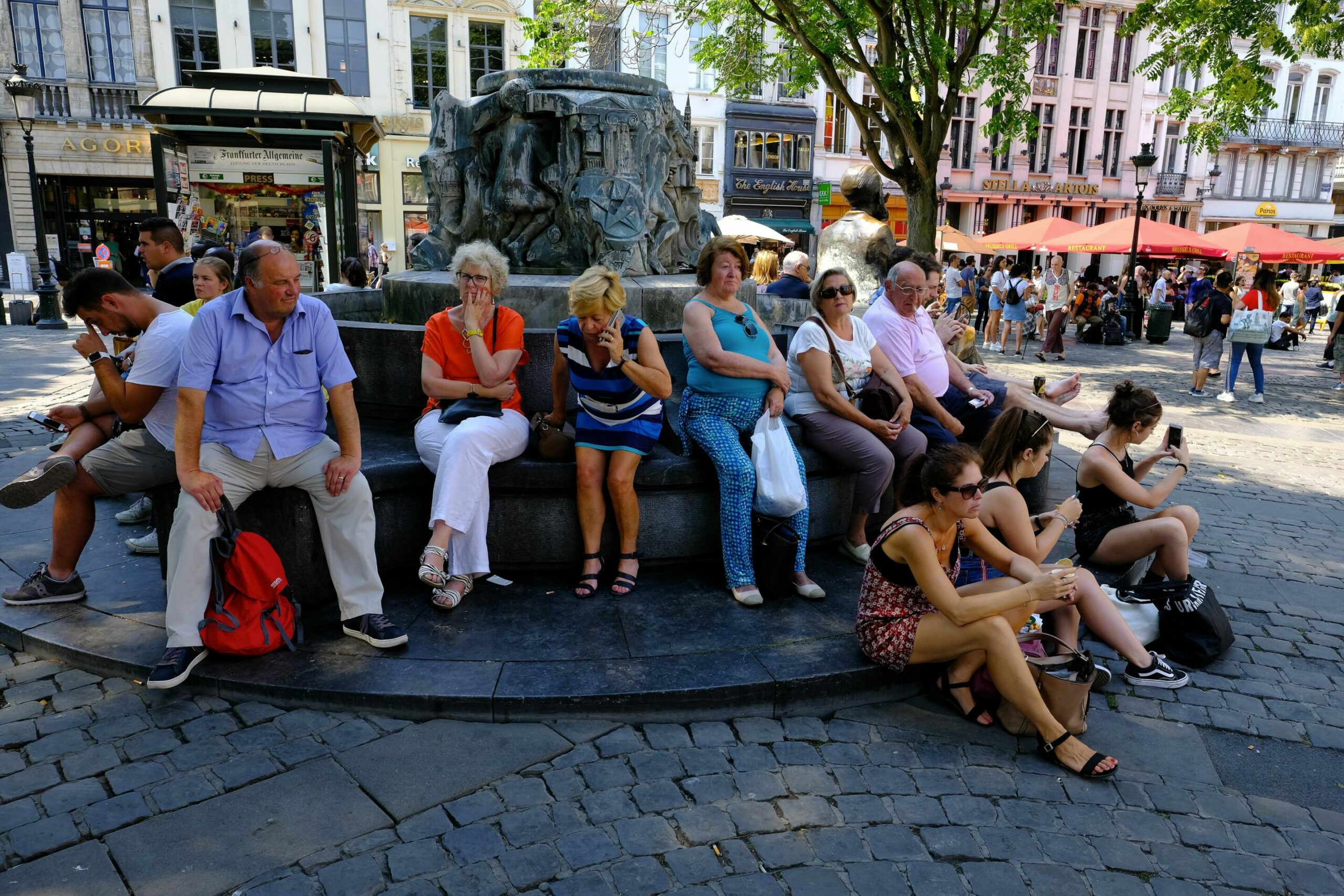
Tourists seeking the shade during a hot day in Brussels. Credit: Belga/Nicolas Maeterlinck
While Belgium has legal tools already in place, this is not the case in every country. However, the proven economic benefits of using heat mitigating measures, due to reduced health costs and reduced loss of productivity, could help companies worldwide to step up their efforts to protect workers.
“It’s not only beneficial for workers’ health but it’s also beneficial for the employer’s bottom line,” said the main editor of the WHO-WMO report, Andreas Flouris.
In addition to being a health and economic matter, tackling heat is also a topic of equality in society, according to Rüdiger Krech, Director for Environment, Climate Change and Health at WHO.
“Protecting workers from heat is a matter of life and death. It is not just about temperature. It's about inequality. The poorest workers are on the front line of the climate crisis,” he said.
