
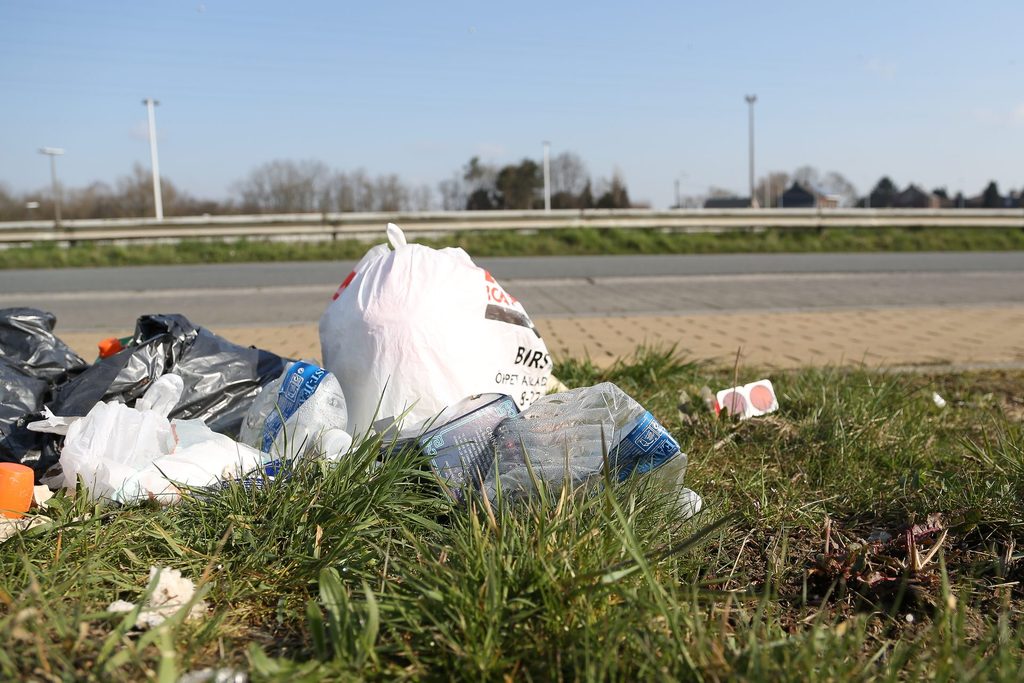
Belgian industry groups, including the Federation of Enterprises in Belgium (FEB) and the food sector federation Fevia, have strongly criticised a proposed litter tax that would cost producers an estimated €102 million annually.
The tax stems from the European Single-Use Plastic (SUP) Directive, which obliges food and beverage producers to cover litter clean-up costs. While the industry acknowledges the need to comply with the EU directive, Fevia argues the proposed amount is excessive and calculated in a non-transparent way.
Fevia warns it may take legal action if regional parliaments approve the proposal in its current form. The tax is set to be discussed and potentially voted on next month in Belgium’s three regional legislatures.
According to industry groups, the tax unfairly shifts nearly all responsibility onto producers, overlooking the roles of governments and consumers. Producers not only bear clean-up and enforcement costs, but are also held accountable for maintaining public cleanliness, with no proper oversight or control mechanisms in place, the FEB said in a statement.
The proposed tax, estimated to be up to four times higher than those in neighbouring countries, threatens the global competitiveness of Belgian businesses and could drive cross-border consumer purchases, they warn.
Concerns have also been raised over inconsistencies in how the tax is calculated across Belgium’s regions. Fevia criticised the Brussels region’s methodology, claiming it results in significantly higher fees for local companies compared to other areas, despite being based on the same EU directive.
Another point of contention is the retroactive nature of the tax. The levy would apply to products placed on the market as early as 2025, which, according to Fevia, were sold without producers having been able to anticipate the tax’s impact. This retroactivity is described as “unacceptable” and likely to worsen the already challenging economic conditions for the sector.
Both FEB and Fevia also expressed frustration at the perceived contradiction in government policy. While political leaders promise to boost Belgium’s business competitiveness, initiatives like this tax seem to undermine that goal, they argue, calling the situation “incomprehensible.”
