
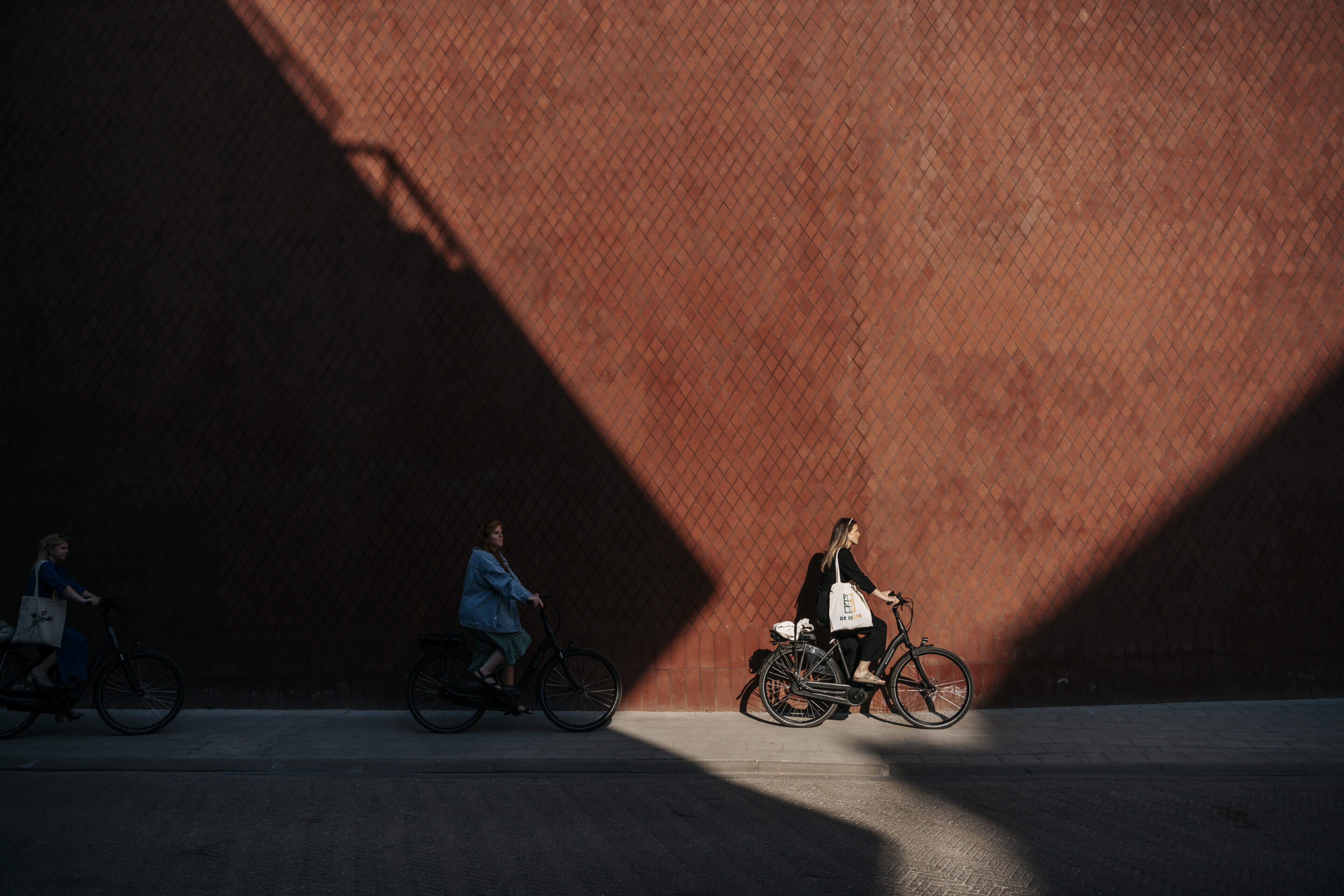
Hasselt is where ancient history and modern flair intertwine. It is one of Belgium’s oldest cities, dating back to the 7th century, and among its most fashionable, with a rich textile history and thriving scene featuring Belgian designers.
Located in northeastern Flanders, just 30 km from the Dutch border, Hasselt also charms visitors with walkable streets and flourishing culinary, art and cultural sectors. Green oases abound, while unique annual events animate the city’s calendar.
The city emblem is a hazelnut with an “H” in the middle of it, standing for Hasselt, hasaluth meaning hazel and the Helbeek tributary which lies underneath (piped since the 1950s to stop water from coming into the streets).
The hazelnut shape cherishes the city’s ancient past when hazel plants grew in the area until the 8th century. A footpath of bronze emblems marks a Historische Stadswandeling (Historic City Walk).
Visit Hasselt makes exploration easy with this and other routes of about 5km each, including Smaakmaker Spraakmaker (Tastemaker Speechmaker) with city highlights, Kunst (Art) Route and Muziek (Music) Tour. An accompanying Smaakmaker Spraakmaker guide is available for €3 in multiple languages.
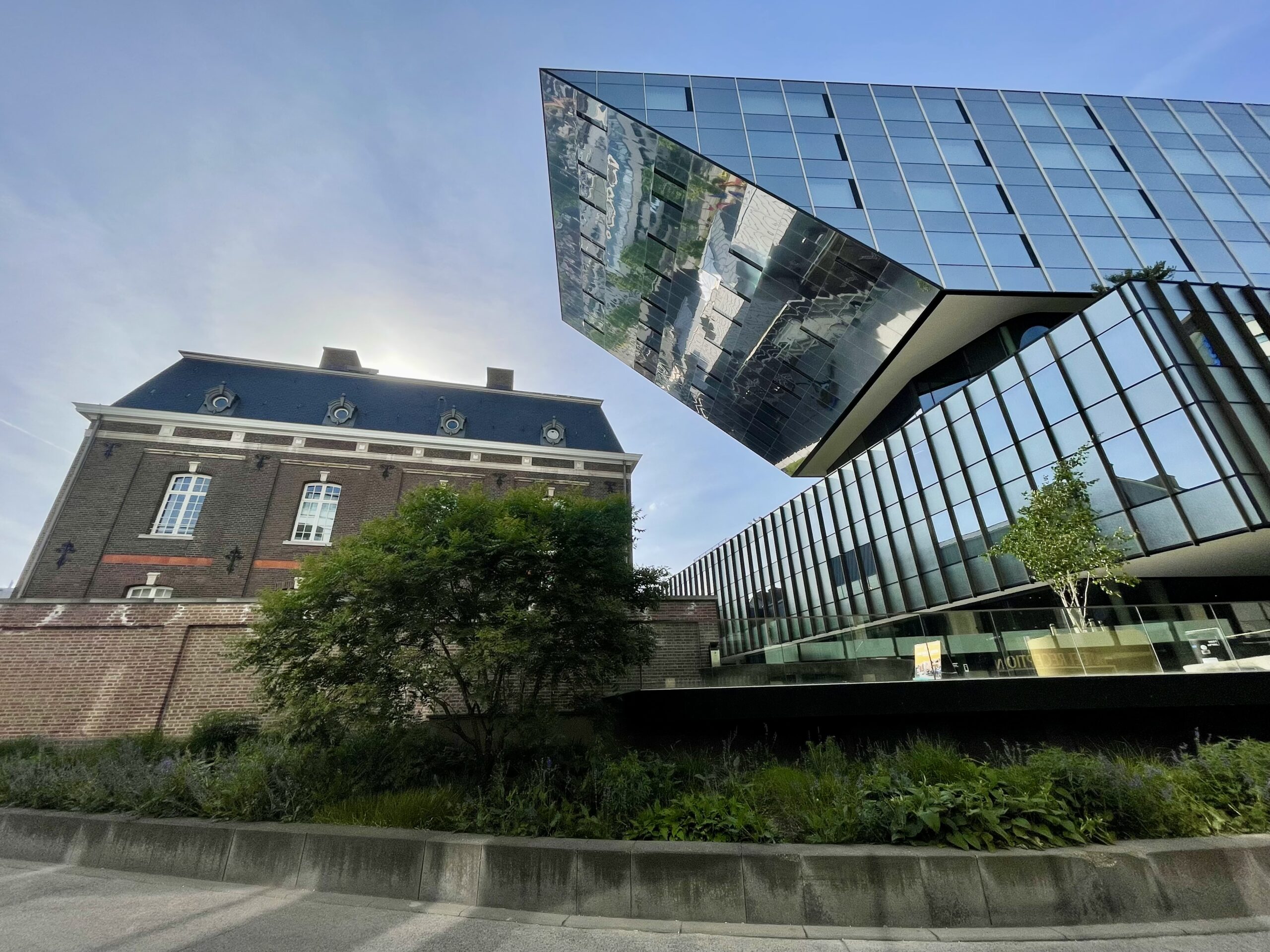
Hasselt City Hall. Credit: Angela Dansbury / The Brussels Times
A convenient ring road encircles Hasselt, where a big wall once stood to protect the city until Belgian independence in 1830. Hasselt was heavily bombed during World War II when the Germans occupied its train station, so much of that neighbourhood was rebuilt. While on a smaller scale, Hasselt strives to be as fashionable as Antwerp with traditions and creativity that invite exploration at every turn.
Frequent, direct trains go from Brussels to Hasselt in about an hour. Driving is the same amount of time and good value parking (€10 per day) is available underneath Blauwe (Blue) Boulevard.
Fashion foundation
Since the Middle Ages, Hasselt has been cut from fashionable cloth as it was internationally known for textiles and weavers. In the early 16th century, its textile industry employed about one-fifth of its population. Competition led to the industry’s decline decades later, and by the late 19th century, Hasselt reinvented itself as a trade and shopping hub, with new boutiques specialising in fabrics, accessories and custom tailoring.
The Modemuseum Hasselt, the first (1988) fashion museum in the Benelux, has an extensive collection of Western clothing and accessories from 1750 to today. Its current temporary exhibition, running until February 22, 2026, the exhibition “Rococo Reboot!” displays fashions from 1750 to 1830 alongside modern interpretations, including designs by Belgian fashion icons Dries Van Noten and Raf Simons.
The museum is housed in a Mosan-style building from 1664, retrofitted with a modern, vertical entrance and glass roof.
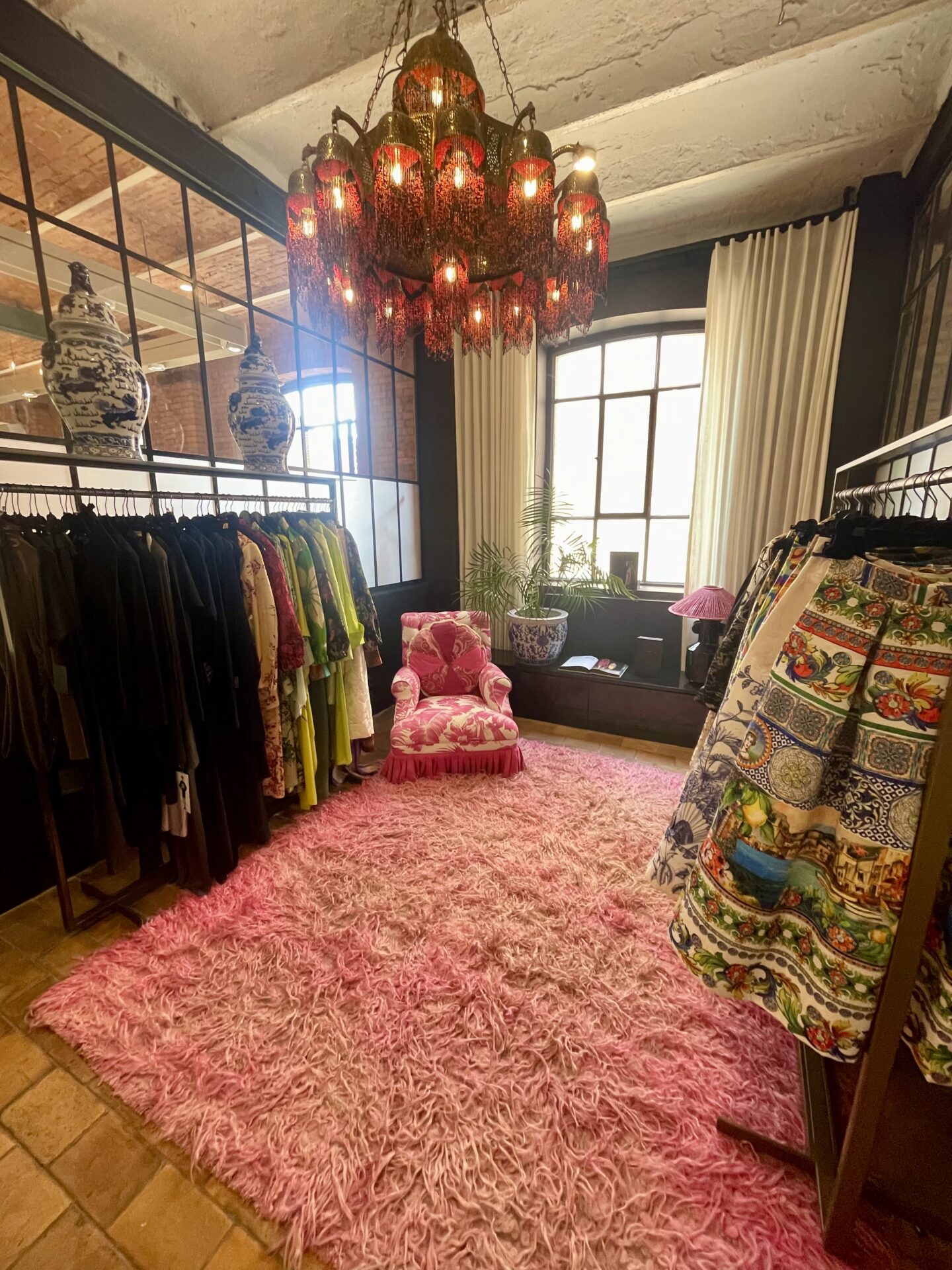
La Bottega in Hasselt. Credit: The Brussels Times / Angela Dansby
Hasselt is fashion-forward elsewhere with many unique boutiques, several of which feature Belgian designers, particularly on Kapelstraat, Aldestraat, Dokter Willemsstraat, Dorpsstraat and Maastrichterstraat (the latter street also has antique shop signs with ornate frames complete with a dangling figurine). Unlike most of Belgium, Hasselt has shopping Sundays the first of each month and throughout December.
Huis (House) Reekmans has been making hats since 1904, the oldest business in Hasselt, and its former shop has a window display about hat-making. Galerie Multiple features exhibitions of jewellery designers, some of whom studied the craft at the Hasselt PXL-MAD School of Arts.
Jenever roots
Jenever is a juniper berry-flavoured spirit originating in the Low Countries with roots in Hasselt. Made in Belgium for over 500 years, it is a precursor to gin, which was created about two centuries later in England (British fighting in the Low Countries during the Napoleonic wars liked jenever so much that they created their own version of it back home).
As an EU and UK Protected Geographical Indication (PGI), the name jenever can only be used on products made by traditional methods. While jenever and gin are both distilled with juniper berries, they differ in raw liquids. Jenever is made from at least 1.5% malt wine – a distillate of malted grains such as barley, rye and corn – and gin from grain alcohol.
During the Industrial Revolution, Hasselt jenever accounted for 15% of Belgian alcohol production. It had 75 jenever-related businesses and sourced juniper berries that grew in the region. Jenever was initially valued for medicinal properties before becoming a social drink.
People drank so much of it that after World War I, strict laws were passed to limit its production and consumption. These laws remained in force until 1984 (stimulating smuggling with the Netherlands and illegal distillation), after which jenever revived.
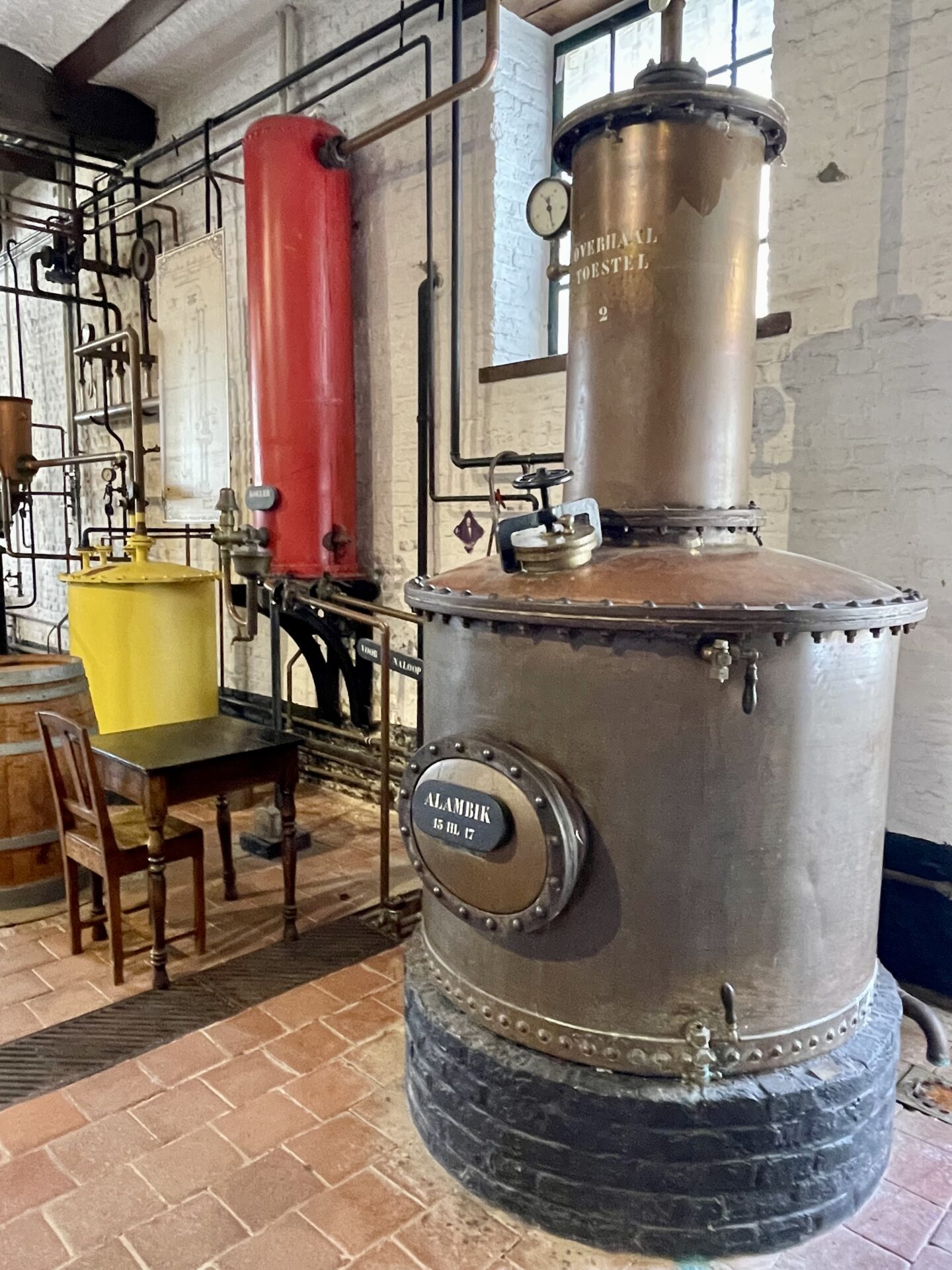
Jenevermuseum interior in Hasselt. Credit: Angela Dansby / The Brussels Times
Today, only one traditional jenever distillery, Fryns, remains in Hasselt but there are a handful of newer artisanal producers. All must use local malt wine to call their products Hasselt Jenever. Fryns and Smeets (though now distilled in Ghent) are the largest producers.
The Jenevermuseum in an old jenever factory covers the evolution of the spirit from its invention in 1552. A tasting room in former ox stables has a wide range of jenevers and related elixirs, including several made by the museum, such as mandarin-flavoured Goudwater elixir with gold flakes. One tasting is included with a museum ticket.
The lively Jeneverfeesten festival each third weekend of October celebrates the city’s jenever heritage with music, dance, street theatre, a waiter's race. It also features jenever flowing from the Borrelman (Drinkman) fountain, where a bronze statue of a man holds an ossakop (“head of an ox”)-sized barrel (268 litres) on his shoulder and a glass in his hand, sitting atop a cow surrounded by pigs.
Cattle used to be fed spent grain from jenever distillation and the ossakop was the traditional jenever barrel size (hence, Hasselt people are called Ossakopen). A bronze Borrelvrouw (Drinkwoman) statue in front of Visit Hasselt represents the traditional hospitality of a Hasselt woman welcoming visitors with jenever shots.
Foodie fancies
The self-styled “capital of taste” is full of culinary surprises from its food and drink specialities to 36 Gault-Millau and three Michelin-starred restaurants. Italian restaurants dominate due to immigrants arriving in the 1960s to work in the area’s mines. Hasselt even calls itself the “vegan capital of Belgium” as five of its eateries won prizes at the Belgian Vegan Awards.
The city’s own speculaas is similar to Belgian speculoos but thicker, soft inside and with more cinnamon as well as crushed hazelnuts and almonds (it also used to be made with sugar leftover from jenever distillation). Only Hasselt bakers DePaifve, Cools and Bakkersdochter are certified to make it. Bakkersdochter also offers speculaas-making workshops. The sculpture Het Speculaasmannetje (The Speculaas Man) pays homage to this made-in-Hasselt specialty.
The Limburgse vlaai (Limburg pie), a small tart with a filling from local fruits like apricot or cherry, has EU-protected designation (PGI). Hasselt coffee is a strong drink made of coffee extract and Hasselt jenever. The city also has paté made with hazelnuts and jenever.
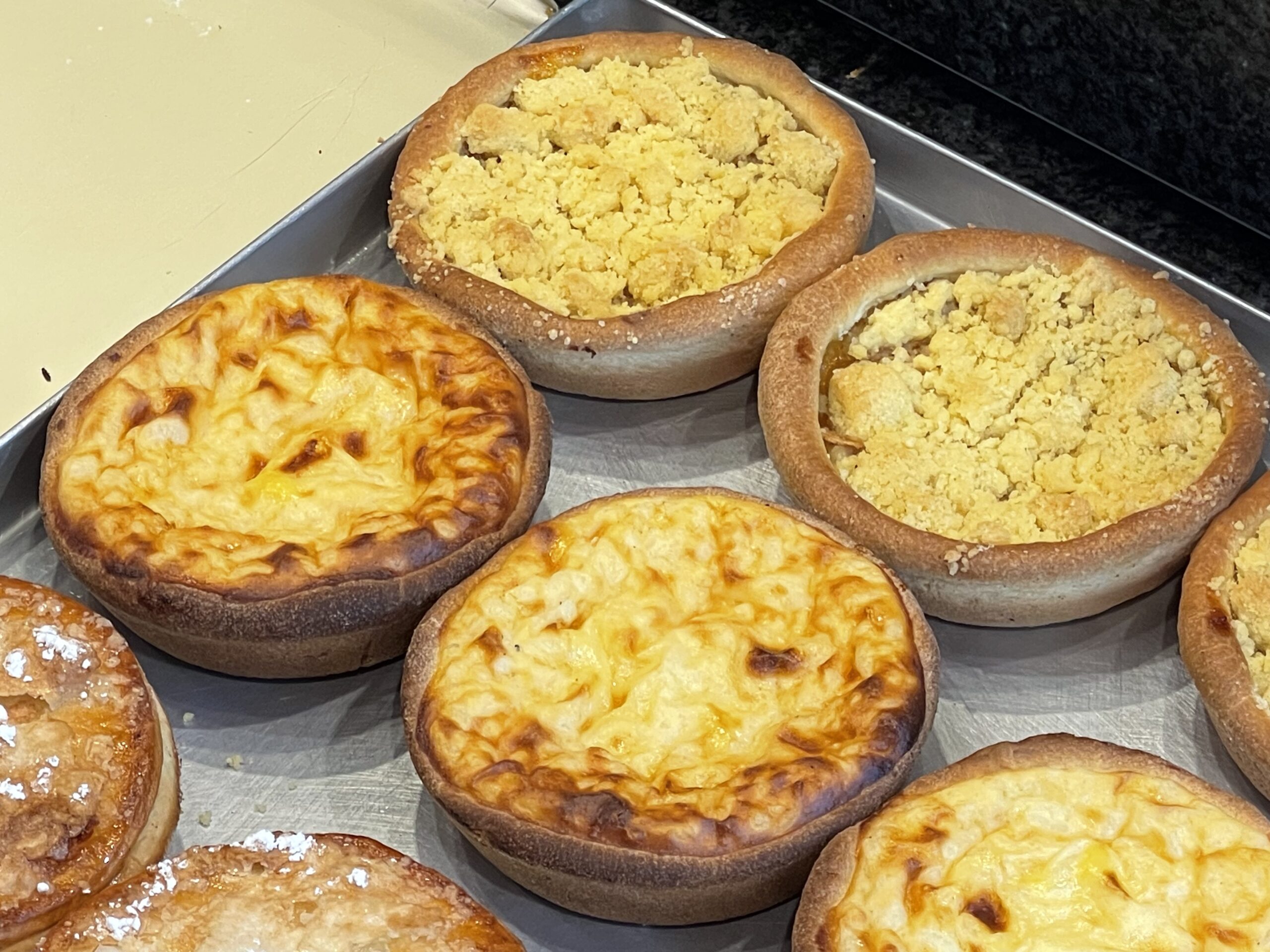
Limburgse Vlaai and rice tart-from De Paifve bakery in Hasselt. Credit: Angela Dansby / The Brussels Times
Boon Chocolatier creates fashionable chocolates, and makes the Hasselt Praline with a hazelnut-speculaas-juniper berry filling and Vlaai Pralines, chocolate wedges with pie fillings formed in a circle. Boon Academy offers chocolate-making workshops for groups.
Local beers are made at the microbrewery Hop Hemel, Herkenrode Abbey and the artisanal Jessenhofke Brewery, which offers a guided tour and tasting.
The newish Blauwe (Blue) Boulevard along the basin of the Albert Canal, as well as the Zuivelmarkt, Grote Markt, Fruitmarkt and Kolonel Dusartplein are all trendy areas to have a drink or bite, especially when terraces are open. Hidden gems are Kadettensteegje, a courtyard accessed by three alleys, and Walputsteeg corridor, which has two restaurants (Kouzina and Orangerie). The former, called The Alleys, leads to a pop-up bar that changes seasonally. For example, springtime features The Blossom Alley and winter The Christmas Alley.
Hasselt also celebrates gastronomy in several annual festivals featuring world foods (Amuse), local restaurants (Culinaire Ring and Hasselt à la Carte) and food trucks.
The Hasselt Taste Package, sold at Visit Hasselt for €10, contains Hasselt pralines, speculaas, juniper berries, apple juice and a cycling route. It must be pre-ordered at least two workdays in advance.
Art, architecture and culture
The Z33 House for Contemporary Art, Design and Architecture, on the former beguinage site of Hasselt, is currently running The Wet Wing, an exhibition of floor-to-ceiling silk paintings, hand-carved sculptures and ceramic jars with an oceanic theme. The tiny Paardsdemer Chapel, dating to 1530, was relocated within Hasselt to the front of Z33.
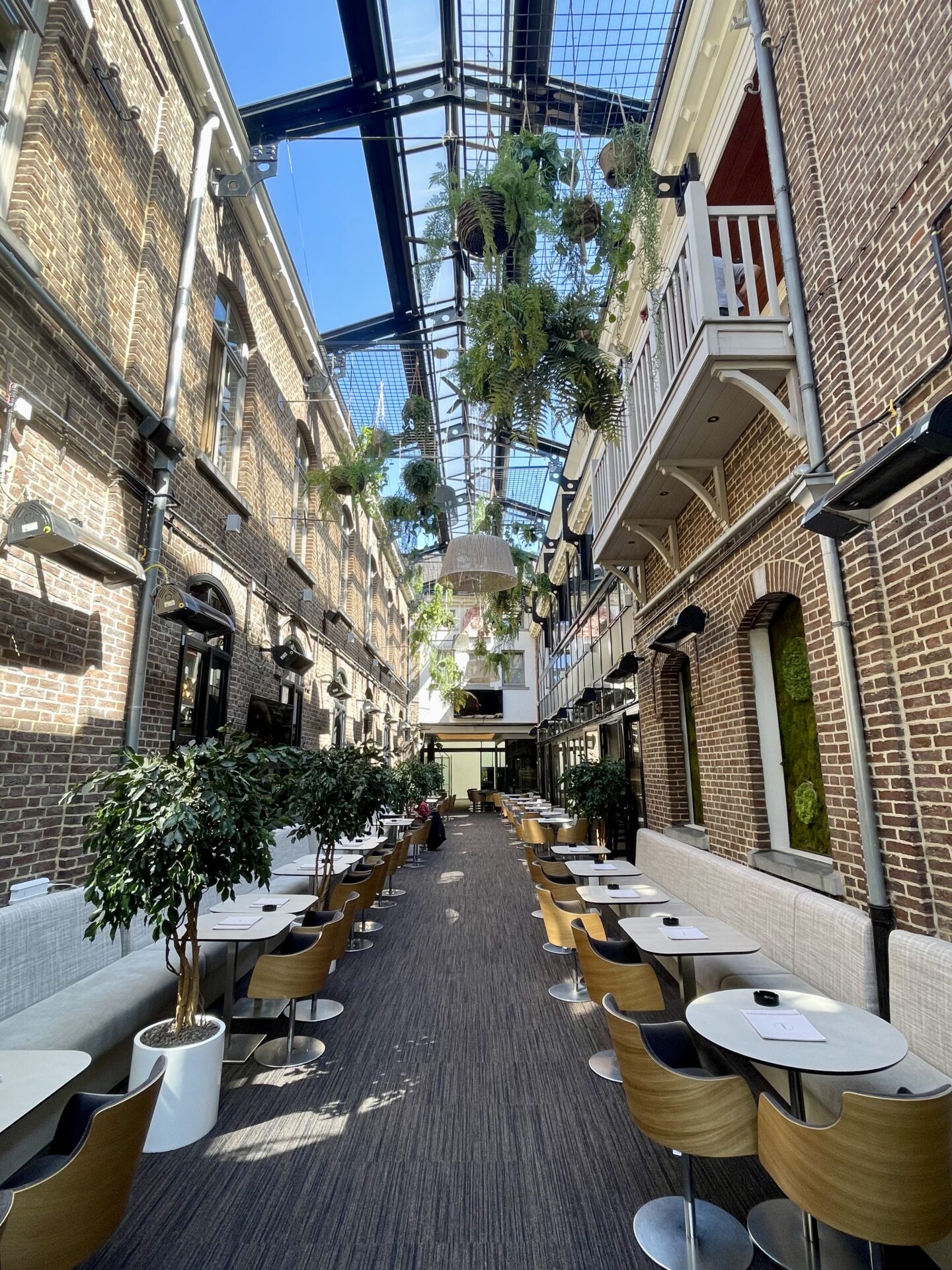
Walputsteeg in Hasselt. Credit: Angela Dansby / The Brussels Times
Het Kunstuur (The Art Hour) in the Brutalist-style former city hall presents Belgian paintings from 1850 to 1950 with storytelling, including narration by Flemish celebrities. The next edition will be as of September 20.
‘t Scheep, Hasselt’s new city hall with a striking mirrored overhang, was built in 2018 as one of the most energy-efficient buildings in Flanders. It sits behind former gendarmerie barracks to which it contrasts with geometric layers of glass and mirrors. Inside is a notable charcoal drawing by contemporary Belgian artist Rinus Van de Velde.
Hasselt has about 200 street art murals by global artists who add annually to its collection. The city was the first in Belgium to make space for street artists in the 1990s. Visit Hasselt maps and Street Art Cities’ website and app reveal where they are. Great examples are on Dorpsstraat and Schrijnwekersstraat streets, the city’s skatepark and on “legal walls” near the University of Hasselt (UHasselt).
Don’t miss the giant owl on an old malt tower on Vaartstraat by the artist known as Roa; the temporary street art wall in front of Visit Hasselt, which changes four times a year; and the largest mural of all in Capuchin Square facing the tourism office.
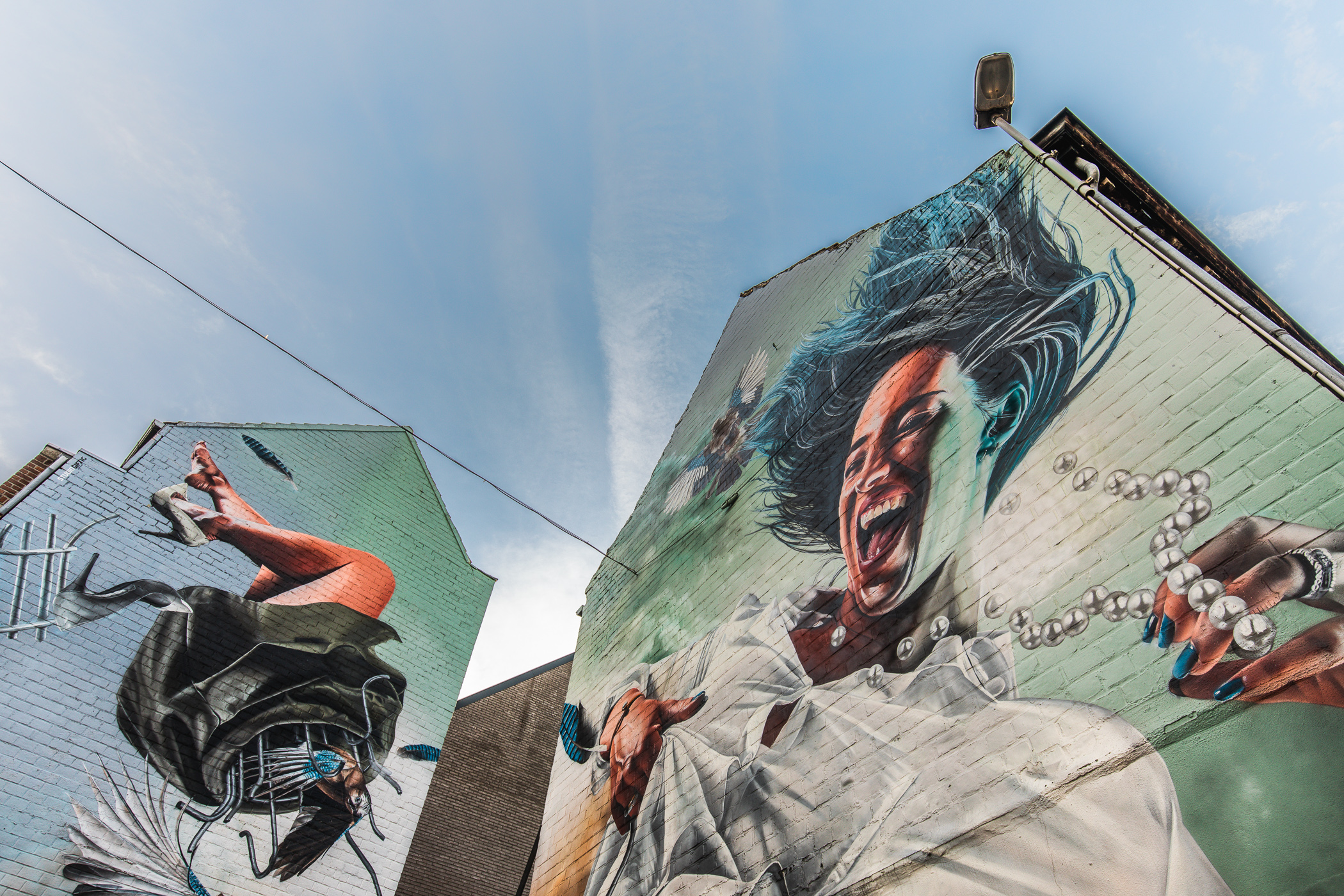
Street art murals in Hasselt. Credit: Visit Hasselt
Sculptures are also abundant in public spaces, such as Hendrik & Katrien sitting on a bench in the Grote Markt; Het Mona Lisa Tafereel at PXL University College, a modern, comical twist on the famous painting; Zen giant theatrical mask across from Kolonel Dusartplein; Sculptuur 't spikklaasvreuke of a thin woman eating speculaas facing the Walputsteeg; city charterer (1232) Arnold IV Graaf Van Loon on a horse in the Fruitmarkt; and Dr. Louis Willems, a pioneer of bacteriology and immunology, near the Jenevermuseum. Other public artworks are by Belgian artists like Panamarenko and Piet Stockmans. Molenpoortplein has a long, artistic fountain that’s activated May-October.
CCHA features photography and videography in at least nine exhibitions a year and Villa Verbeelding displays books and illustrations.
Decorative ceramic tiles on the facades of several houses “dressed up” Hasselt during the industry’s heyday from 1880 to 1950 (Portuguese ceramicists went there to learn how to winterise tiles). Jenever manufacturers inspired the industry by having ceramic plates made with their logo to give to clients. The art installation Het Waterpad in the Grote Markt is composed of 350 ceramic tiles in the ground.
Kunstmarkt Montmartre, a small art market featuring local works, is on Capucienenplein every Saturday afternoon from mid-July through August. Art market Boulev'Art two Sunday afternoons in September is similar. From April to October, an antique and curio market is on Kolonel Dusartplein every Saturday morning. Hasselt also has several art galleries.
Moreover, Hasselt boasts that it is a music city with one of Belgium’s largest annual music festivals (Pukkelpop), several concert venues, pop and rock school PXL Music and Spotify playlists curated by locals. De Serre and Café Café are well-known music venues. A nightclub, Versuz, just closed its doors for transformation into a cultural centre.
Gigaswing and Just for the Record shops offer new and second-hand vinyl records, respectively. The latter also doubles as a café and rotating art exhibition space. Visit Hasselt’s MuziekTour walk, set to music, takes visitors to most of these places. Limburgers, known for “singing” when speaking due to lilting intonation, complement the music scene.
Holy heritage
Het Stadsmus (The City Museum) covers the history of Hasselt and contains rare relics, including the world’s oldest known monstrance (receptacle for the wafer representing the body of Christ) from 1286, golden crowns, a silver linen baby Jesus dress linked to a miracle, a 5,000-year-old large stone and an early 14th century illuminated manuscript. The museum also has contemporary works by regional artists and a hidden garden.
The Virga Jesse Basilica contains the 14th century Gothic statue of Maria Virga Jesse, which locals carry through city streets during the Virga Jesse Festival every seven years (next in 2031), a tradition upheld since 1682! The basilica is the third built in the same place, most recently after a misplaced bomb hit it in 1944. The striking church interior has a black and white checkered floor, ornate wooden pulpits, magnificent tomb sculptures and stained-glass windows depicting a tree as the outgrowth of Jesse.
The Neo-Gothic St Quentin Cathedral, with roots in the 8th century, is Hasselt’s largest church. Its Carillon tower chimes every hour and offers visitors a climb of 168 steps to panoramic views as well as information about bells and clocks.
The cathedral contains two large monstrances – one containing a 13th-century, bacteria-stained wafer (once thought to be the “blood of Christ”) and another behind it with a modern wafer – as well as a statue of St Brigitte, relics of St Ursula, and a 16th cenutry brass bible stand shaped like an eagle with a bat (the devil) on top for placing the holy book.
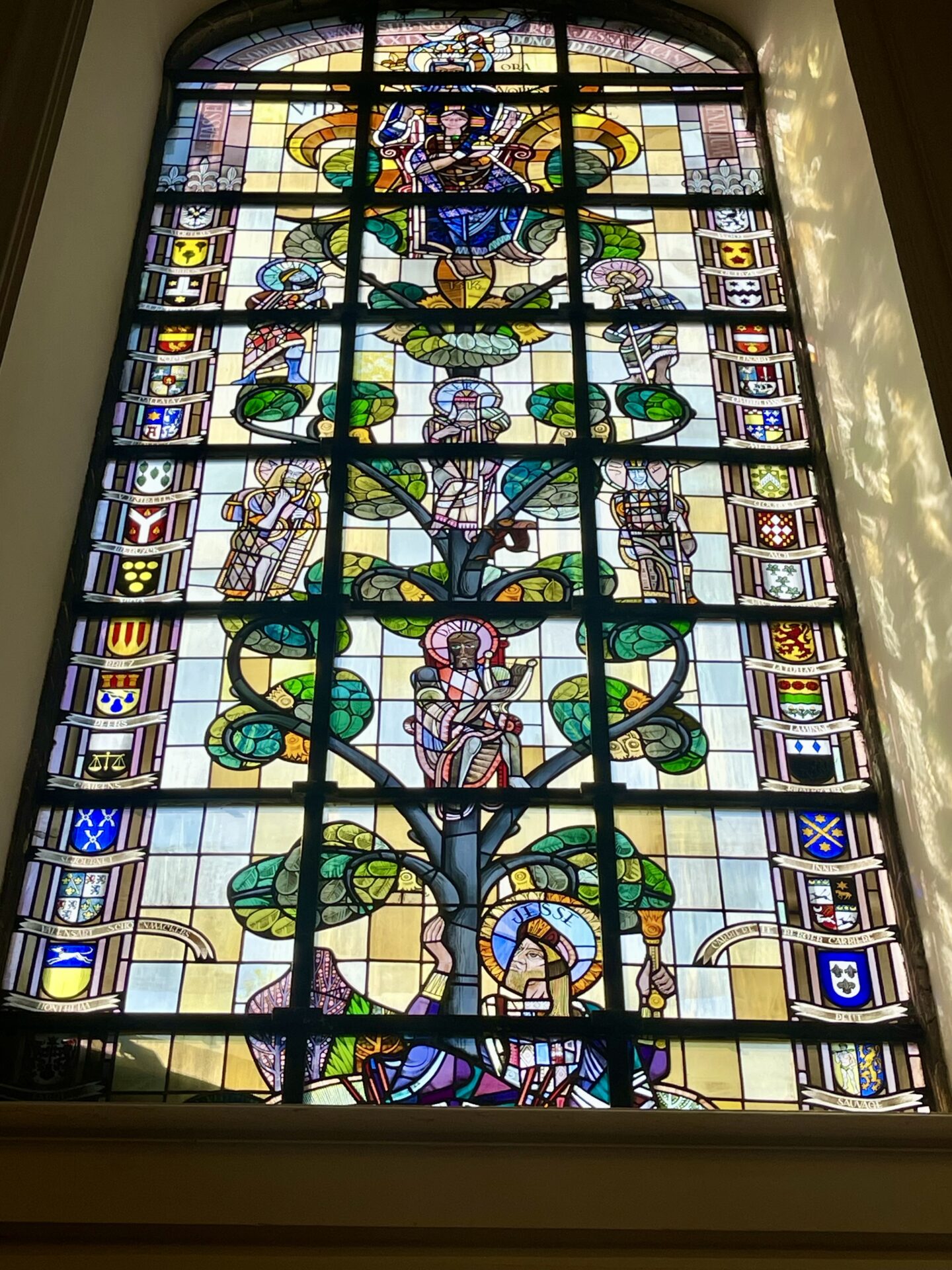
Virga Jesse Basilica stained glass. Credit: Angela Dansbury / The Brussels Times
The old Begijnhof (beguinage) includes a tower under construction to replace one accidentally bombed by Allied forces in World War II, church (now Z33), gatehouse, garden and 13 dwellings. As of September 2026, visitors can climb the tower for panoramic views.
The Minderbroederskerk (Order of Friars Minor) contains the tomb of Het Heilig Paterke (The Holy Father) Valentinus Paquay, who was famous for prophecy.
The Grote Markt is a former corn market that includes Het Sweert, a Mosan-style timber building with Xs on it dating to the 14th century. An old copper rose tops the Nespresso building across from it. Nearby on Kapelstraat is another Mosan-style building with an alley that leads to 16th century windows and renovated shutters.
UHasselt’s law school incorporates an Old Prison, where students study in renovated prison cells, and the Refugiehuis, a former soldier refuge where the Rectorate of UHasselt now sits.
The Paardenjaarmarkt (Hasselt Horse Fair) has been an annual tradition since 1242, making it one of the oldest events of its kind in Belgium. In March, the Prinsenhof area in Kuringen, a district of Hasselt, is transformed into a medieval festival that includes historical reenactments.
Green grounds
The Hasselt area is a walking and cycling paradise. Notably, it has the largest Japanese Garden in Europe thanks to a sister city in Itami, Japan. This garden has a waterfall, large gong, ponds, koi fish, little bridges and abundant cherry trees. Every spring there is a Hanami Cherry Blossom Festival and each October a Kikumatsuri Chrysanthemum Festival.
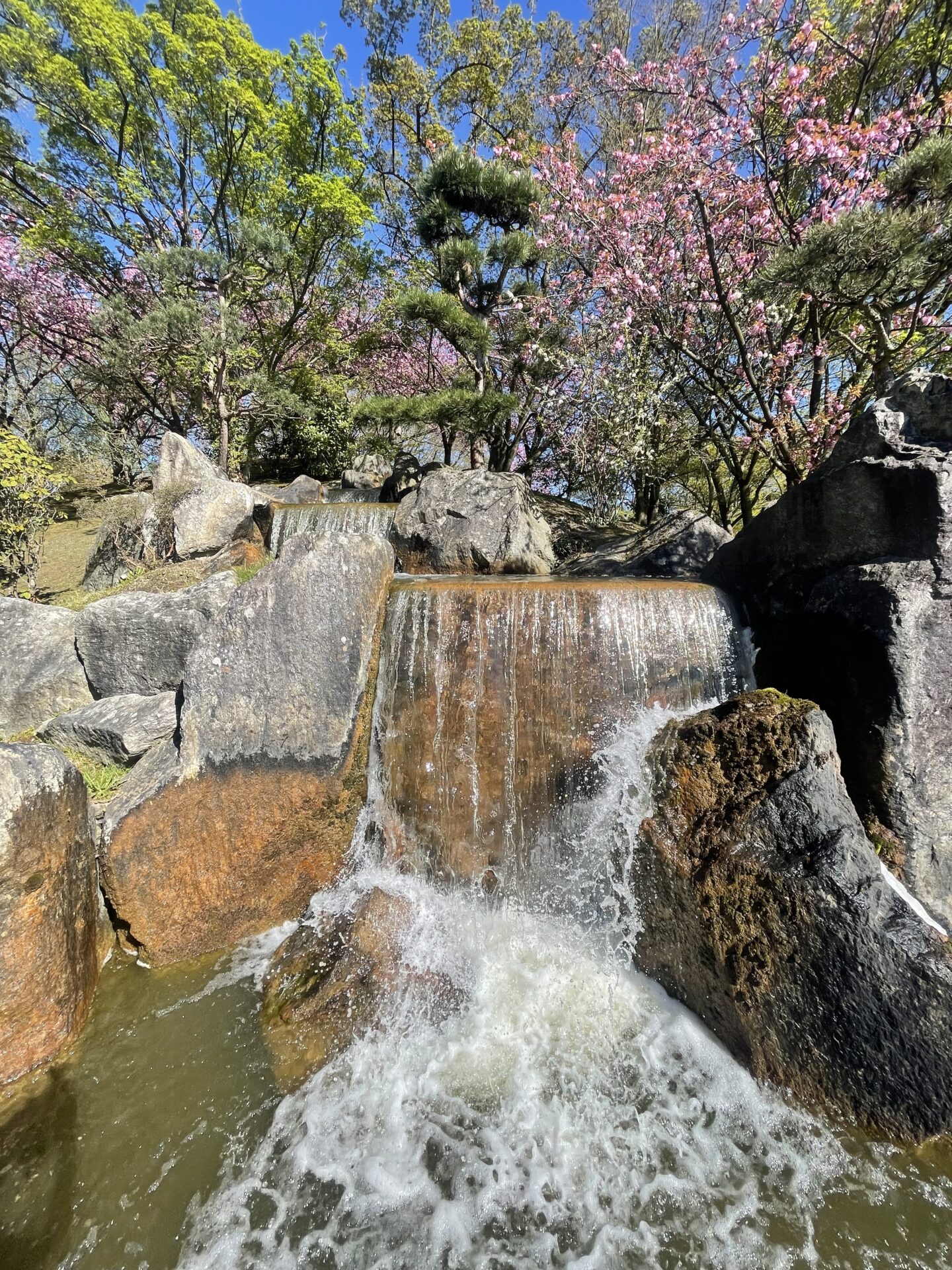
Japanese Garden in Hasselt. Credit: The Brussels Times / Angela Dansby
The Abbey of Herkenrode in a former textile plant has centuries-old buildings, some from the 12th century, restored and repurposed amidst a green paradise of 100 hectares. Cistercian nuns who once lived there transformed Herkenrode into one of the wealthiest abbeys of its time – as explained in the Experience Centre in the former stables and coach house. Behind is the large Herb and Inspiration Garden.
Herkenrode has four mapped nature routes (1km to 9.2km) and bicycles for rent. Bus 51 at the Hasselt train station goes to the road leading to the abbey, about a 15-minute walk away.
In the works at Herkenrode is the art installation Clausura, a spatial memory of a 1740 abbey church outlined in thin steel rods. Scheduled for completion by the end of 2026, for the 200th anniversary of the original church’s destruction, it’s the big brother of Reading Between the Lines, a see-through church made of stacked steel plates by the same designer, Gijs Van Vaerenbergh.
Herkenrode is the gateway to De Wijers nature reserve, nicknamed Land of 1001 Ponds. Nearby Domein Kiewiet Nature Reserve of 130 hectares has five different types of gardens as well as boardwalk trails from 1.5km to 12km. Other great green spaces are the renovated Kapermolenpark, peaceful Mombeek Valley, Tommelen nature reserve with 110 pools and Nietelbroeken bluegrass meadows with boardwalks.
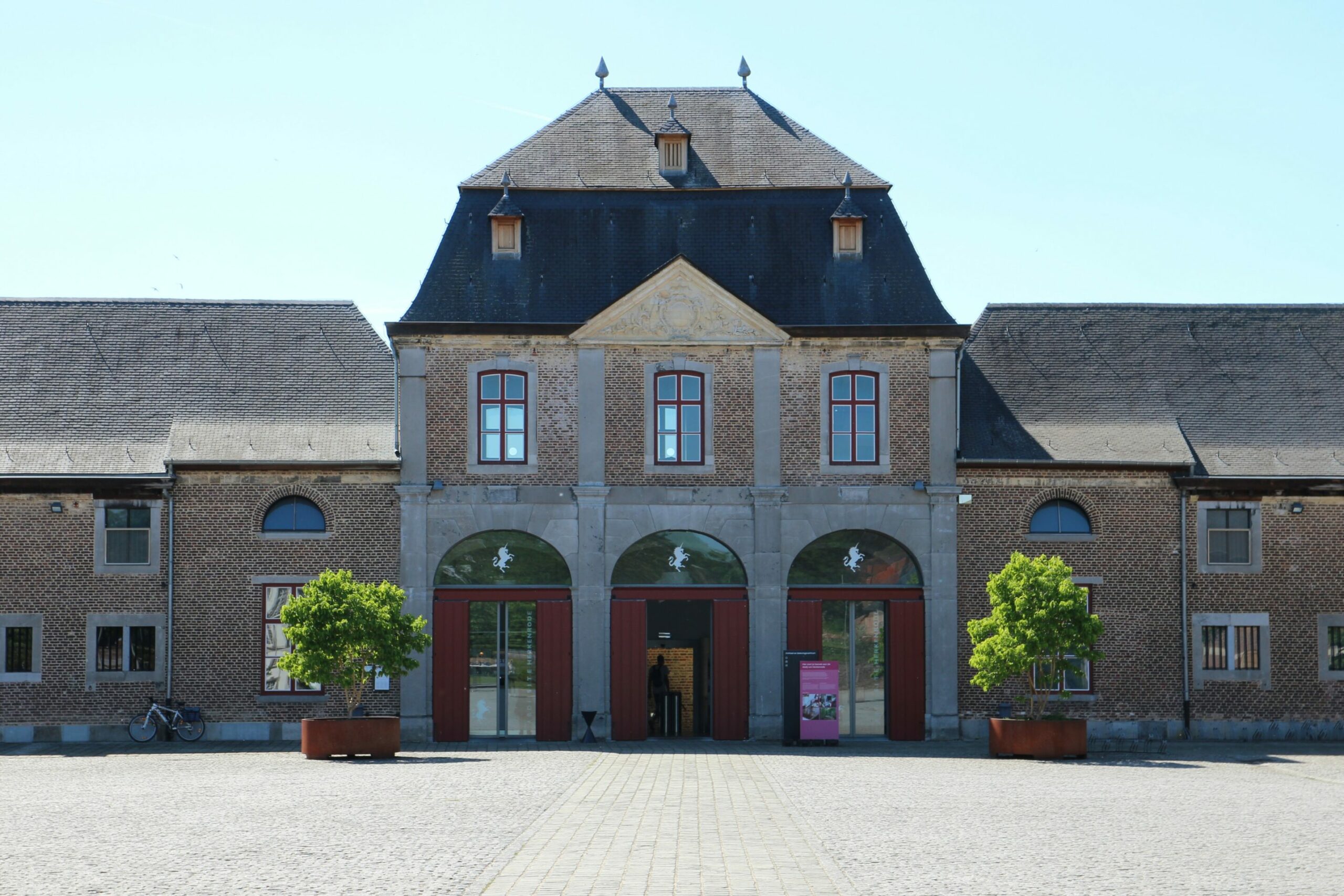
Herkenrode Abbey in Hasselt. Credit: Angela Dansby / The Brussels Times
Cycling through Water is nearby a 200m bike path through a pond, where the water is at eye level on both sides. Cycling through the Trees in Bosland lets cyclists peddle among trees up to 10 metres high. E-bikes are available from City-rent.be, Visit Hasselt, Biking Fietsshop and Corda Campus.
Community guards keep an eye out for bicycles for free at Capucienenplein and Groenplein (which also has a bike tire pump) every day but Sunday. Vespa Vibes has a wide selection of scooters for a stylish day out and Rederijli Limburgia offers a variety of cruises on the Demer River that.
The HasPas is a good value booklet including tickets to the Jenevermuseum, Modemuseum, Het Stadsmus, Z33, Villa Verbeelding, Japanese Garden and Herkenrode Abbey plus more, available for €18 from Visit Hasselt and other tourist sites. Visithasselt.be offers a downloadable city map.
EXPERIENCE
Hasselt à la Carte: Food week with special restaurant menus, food stands and workshops
Hasselt Fashion & Design: Annual fashion festival with about 100 models walking through streets, October 23-26
Jeneverfeesten: Two-day celebration of jenever each third weekend of October, October 18-19
Kunsten Nacht: Art night including rare access to the garden of the Governor’s mansion, each second Thursday in May
Live in Hasselt: A free music festival with known Belgian artists in the city centre the last Saturday in May
Meiavindviering: End of winter festival including the burning of the Langerman king of winter, a procession with giant puppets and fanfare, April 30
Pukkelpop: Four-day, August music festival in Kiewit park featuring Belgian and international artists plus 180,000 music fans
SAVOUR
Bocca Nera: Bright, modern, Italian hotspot with a sharing concept and extensive menu, including wood-fired pizzas
Het CordAAT: Upscale, attractive restaurant run by culinary students at the adjacent Corda school outside the city centre
La Fontanella: Cozy Italian restaurant featuring fresh pastas and Italian classics like veal parmigiana
Lento: Upscale vegetarian restaurant offering several gastronomic courses
Ogst: Michelin star gastronomic restaurant offering multi-course lunch, dinner and à la carte menus
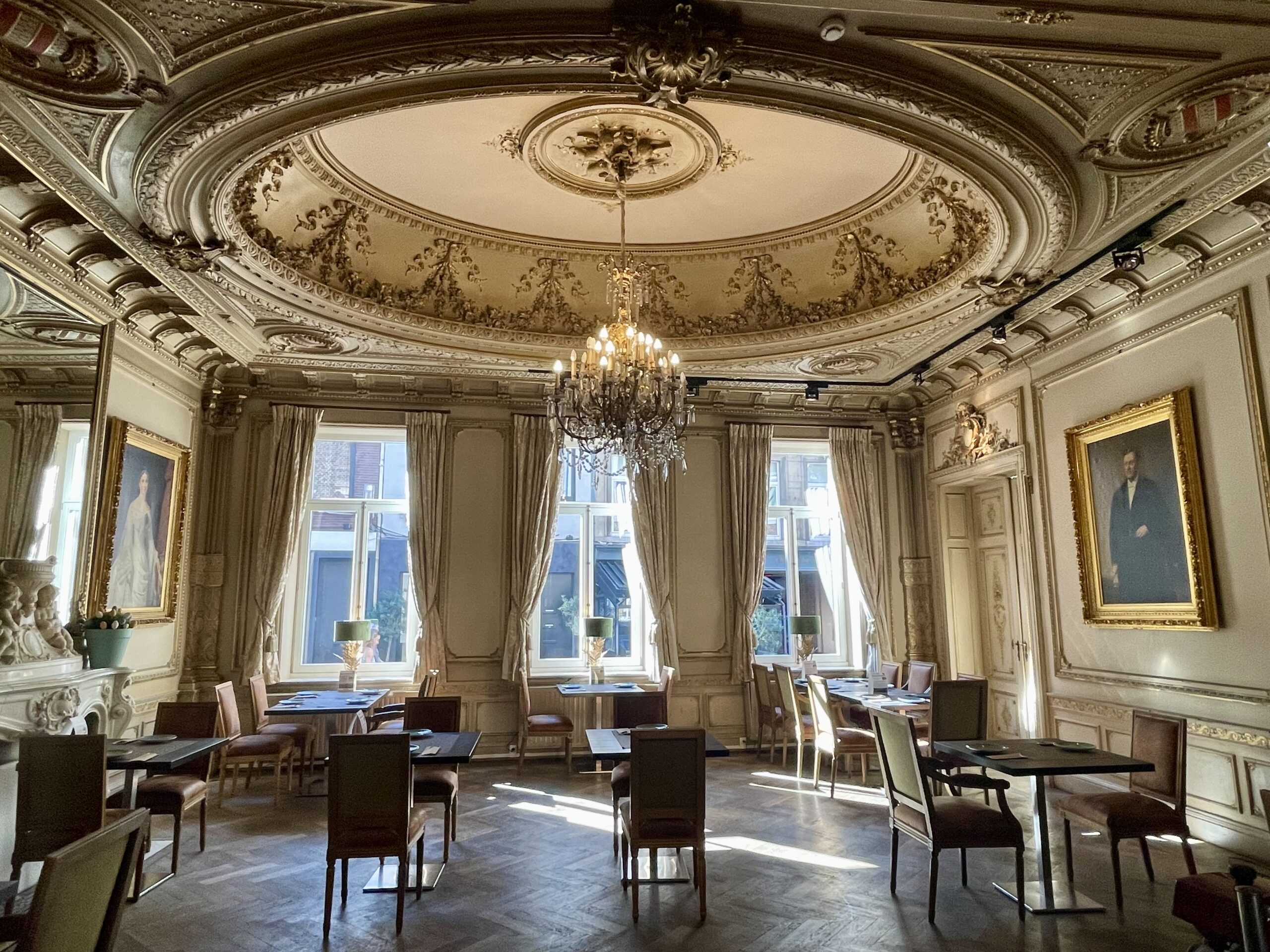
Smaaksalon Brasserie in Hasselt. Credit: Angela Dansby / The Brussels Times
SIP & SNACK
Bardot: Wine bar featuring Spanish wines and Cava plus daily fresh pasta
Bon’Air: Atop the Radisson Blu hotel rooftop, an open-air bar specialising in cocktails
Lac Bleu: Swanky bar with a huge terrace on the canal
Koks & Tales: Award-winning, Art Deco-esque cocktail bar with homemade creations
Smaaksalon Brasserie: Offers Belgian breakfast and lunch in a stunning interior with ornate ceilings
STAY
B&B Hotel Hasselt: Three-star option near the train station with spacious, modern rooms in a 17th century building
BareFoodGiulia: Boutique hotel with seven artsy rooms in a renovated mansion in the city centre
HasHotel: Four-star, modern business hotel next to the town hall
Het Menneke: A centrally located, modern bed and breakfast with five rooms each displaying a mural that represents Hasselt
Maison Stout: Beautiful, peaceful bed and breakfast on the outskirts of Hasselt with an enclosed garden
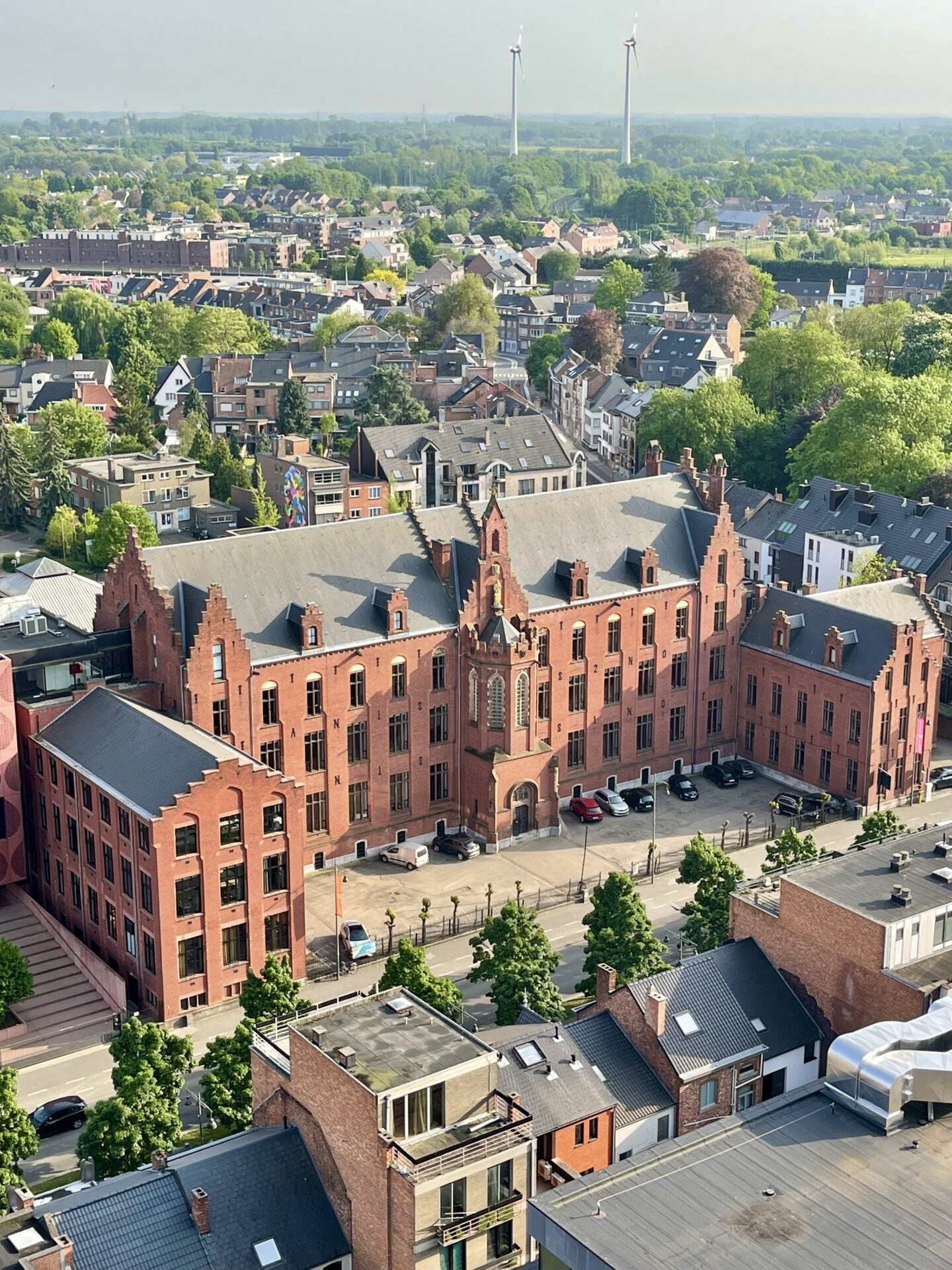
View from Bon'Air rooftop in Hasselt. Credit: Angela Dansby / The Brussels Times
SHOP
Boon: Chocolatier known for creative moulds and the Hasselt praline
DePaifve: Bakery specialised in speculaas, including biscuits laced with marzipan
Kuycksmeers: Design studio of an architect-jewellery designer duo selling zero-waste handbags and coffee tables
La Bottega: In the former Smeets jenever distillery, a 2,000-square-metre retailer of designer shoes, clothing, accessories and home décor items with a focus on Belgian talent. Its Bistro Bottega offers breakfast, lunch and cocktails for shopping breaks.
La Bottega Outlet: Offers deep discounts on certain La Bottega items
100.000 Hemden: Stylish men’s and women’s shop since 1882
