
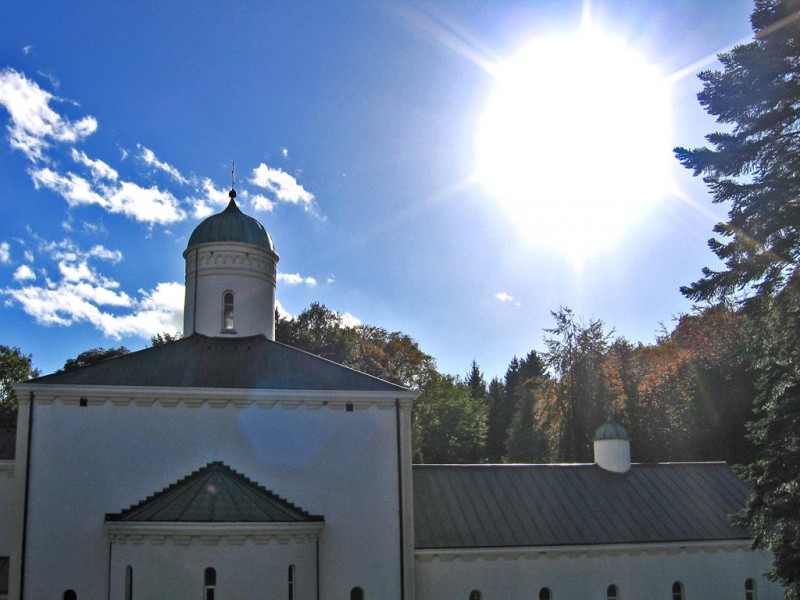
Monasticism has been a significant part of Belgium’s religious and cultural history for over a thousand years. The country is home to numerous abbeys and monasteries, some of which remain active religious communities. Others survive as historical sites or ruins.
The origins of monastic life in Belgium trace back to the early Middle Ages. Communities inspired by the Rule of Saint Benedict emerged from the 7th century onwards.
Early abbeys, such as those at Stavelot and Lobbes, became centres of prayer, agriculture, and manuscript preservation, offering stability and learning during a period of political fragmentation.
The Benedictine order
The Benedictines played a central role in the spread of monasticism within the country. Their communities adhered to the principle of ora et labora (prayer and work), combining spiritual devotion with agricultural and intellectual pursuits.
Belgian Benedictine abbeys gained recognition for education, scholarship, and hospitality. Maredsous Abbey, established in the 19th century, remains one of the most renowned Benedictine establishments in Belgium.
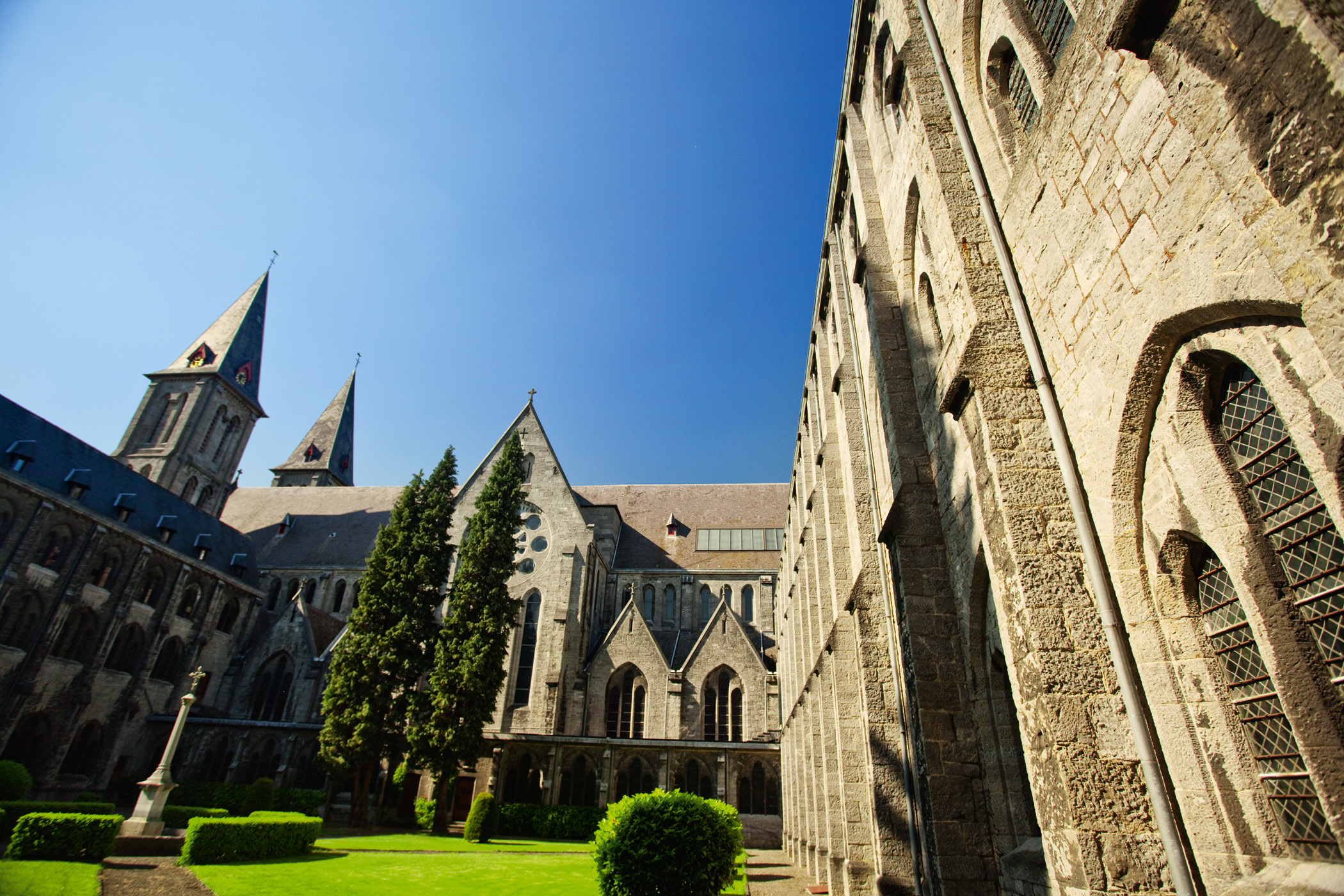
Abbey of Maredsous, famous for brewing beer and crafting cheese. Credit: Abbey of Maredsous
The Cistercians
In the 12th century, the Cistercian Order established several abbeys in Belgium, emphasising simplicity and austerity in both worship and architecture. Their communities were typically founded in rural locations and developed extensive agricultural estates.
Notable Cistercian sites include Villers-la-Ville and Orval. The ruins of these abbeys remain among the most visited monastic sites in Belgium today.
The Trappists
The Trappists, a reform branch of the Cistercian Order, arrived in Belgium in the 17th century. They adhered to a more rigorous interpretation of monastic discipline.
Trappist communities became particularly known for brewing beer, initially as a means to support themselves and provide hospitality. Today, Belgian Trappist beers such as Westvleteren, Chimay, and Orval are recognised internationally.
Other monastic communities
Besides the Benedictines and Cistercians, Belgium hosted other religious orders. The Premonstratensians (Norbertines) were involved in pastoral work and established abbeys, such as Tongerlo.
The Carthusians, emphasising solitude and silence, also maintained a presence. Many of these establishments were dissolved during the French Revolution, although some traditions have persisted.
The French Revolution and subsequent political shifts in the late 18th century resulted in the suppression of most monasteries in Belgium. Buildings were demolished, repurposed, or left in ruins. However, in the 19th century, some communities were re-established and new abbeys were constructed.
Today, monastic life persists in several locations, while other former abbeys serve as heritage sites, cultural venues, or museums.
Monasteries today
While fewer people enter monastic life today, many abbeys in Belgium continue to serve the wider public in new ways. Some run guesthouses where visitors can spend time in silence, reflection, or prayer. These retreats attract people seeking relief from daily pressures, as well as individuals interested in spirituality without necessarily being religious.
In recent years, abbeys have also become popular study retreats for students during exam periods. The quiet environment and structured rhythm of monastic settings provide an alternative to libraries or student residences. This shift reflects a trend in which monasteries adapt their hospitality traditions to meet contemporary needs.

A hidden gem : Chevetogne
Grand, silent and smells of incense. Chevetogne is a hidden gem, tucked away in the forests of the Ardennes. The monastery serves as a bridge between East and West, welcoming both the Latin and Byzantine liturgies under one roof.
For almost a month, I stayed in the monastery and discovered a strict rhythm of life defined by prayer and hospitality.
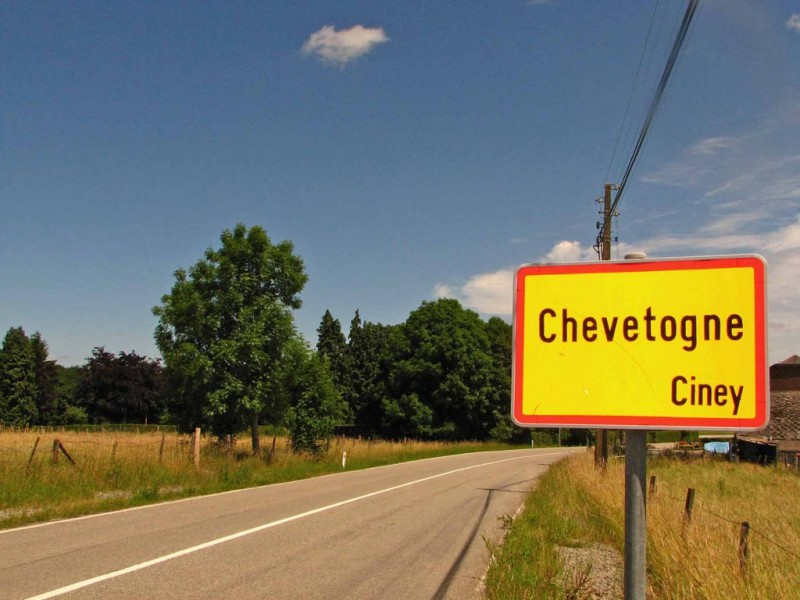
Tucked away in the forests of the Ardennes, the monastery serves as a bridge between east and west. Credit: Monastère de Chevetogne
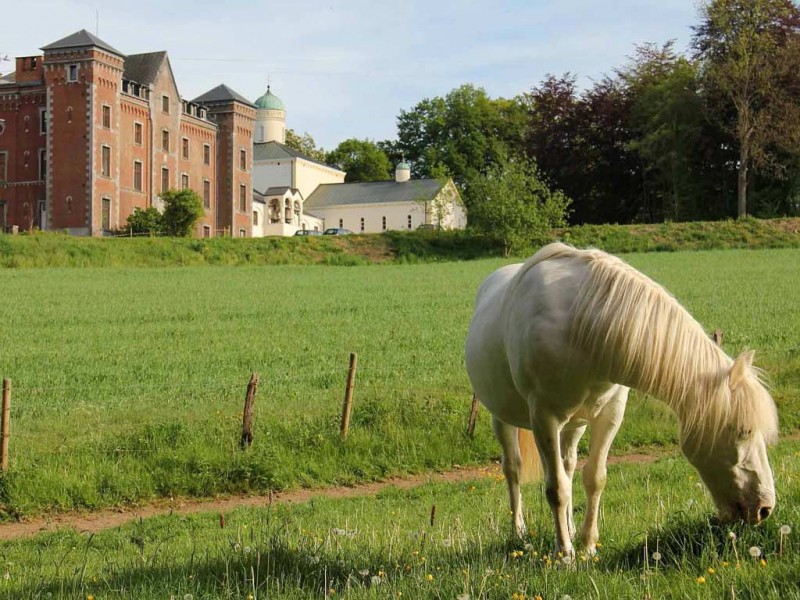
A huge domain surrounds the monastry. Credit: Monastère de Chevetogne
The day begins early, at dawn, 5:30. The bells ring loudly. The monks, dressed in their black robes, gather in the small Byzantine church called the Crypte: an intimate little temple that glows with golden icons and candlelight.
The service, sung in Greek, Russian and Slavonic, is very rhythmic and lasts about an hour, typical of Eastern Orthodox traditions.
Later, in the Latin Church, a more austere building, the monks pray again, this time in Latin. The monastery is unique in Europe: two liturgical traditions coexist side by side. East and West, and it works. Wonderfully.
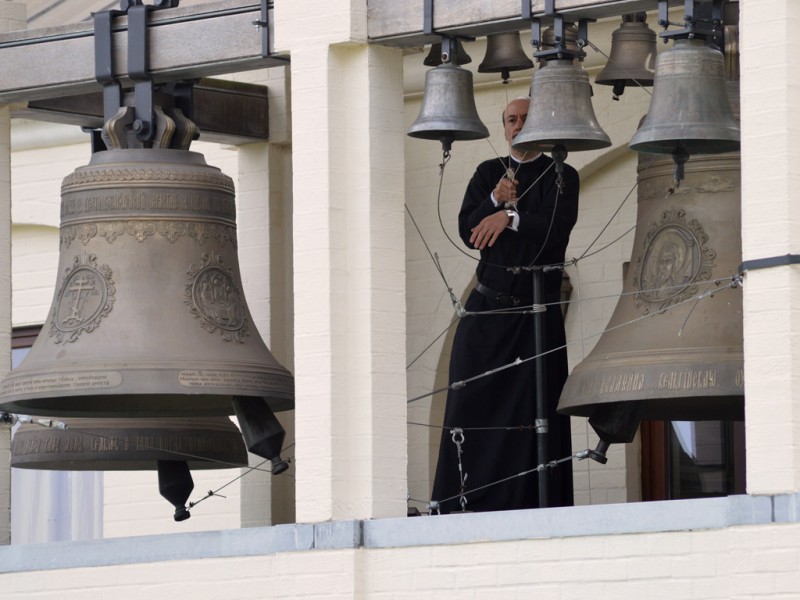
Chevetogne is also renowned for its collection of bells, each with a distinct sound that resonates across the entire domain. Credit: Monastère de Chevetogne
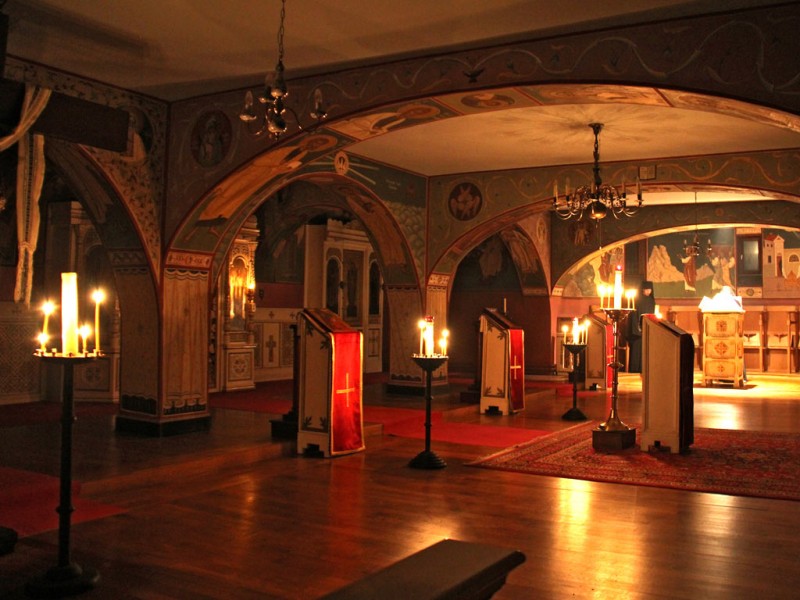
The Crypte, a small intimate church where liturgy is held in Greek and slavonic. Credit: Monastère de Chevetogne.
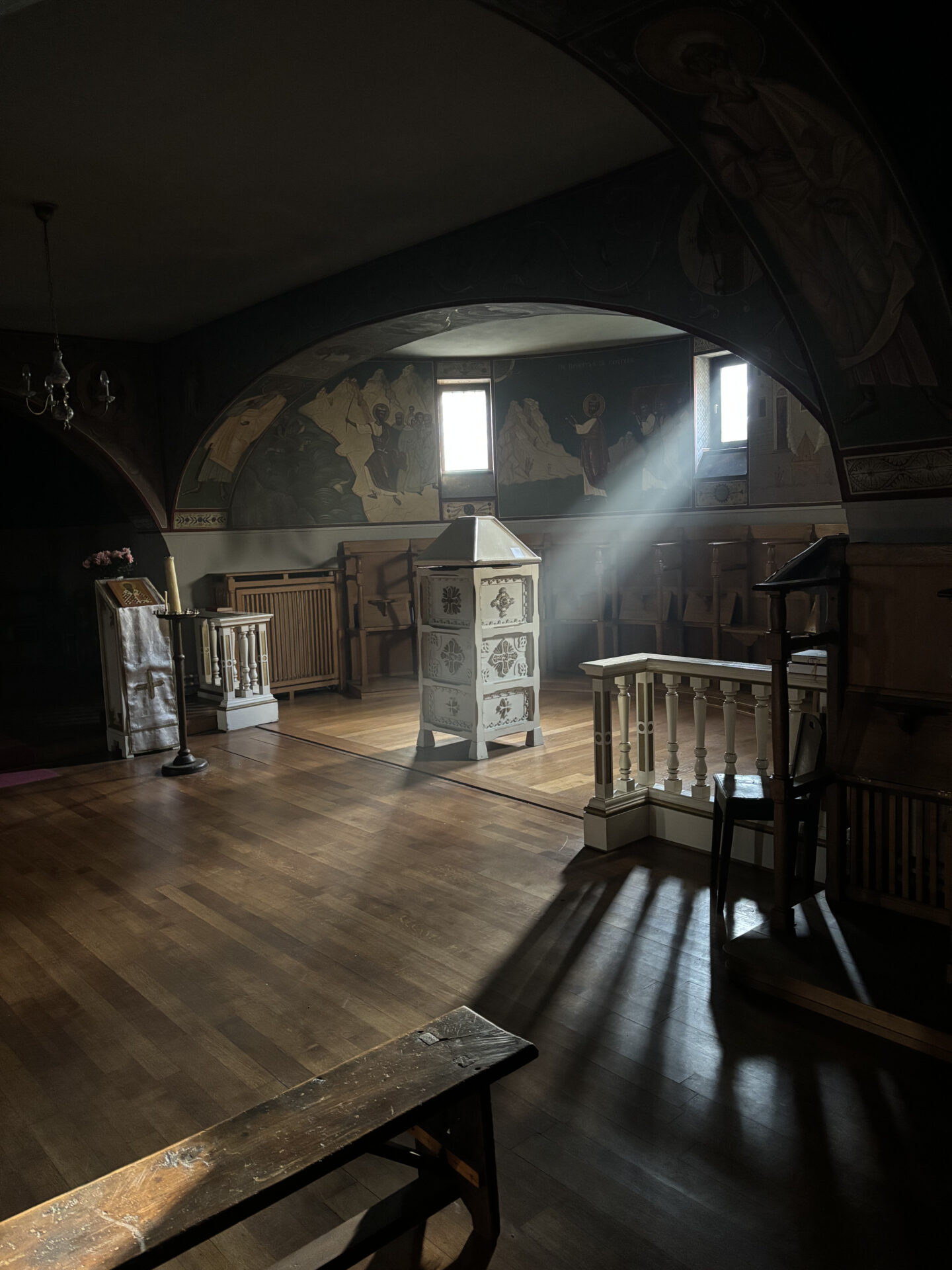
The Crypte, a small, intimate church where liturgy is held in Greek and Slavonic. Credit: Anas El Baye
After prayer, silence gives way to a simple breakfast. The monks eat together, joined by a handful of guests staying in the monastery’s guesthouse.
Students and retreatants sit quietly at wooden tables. Some come seeking solitude, others come with their relatives and others come to concentrate on their exams. I was there for both solitude and exams.
Chevetogne has become a well-known refuge during exam periods. The atmosphere is informal yet discreet, warm and reminiscent of the Benedictine hospitality.
Each group of monks has a role. Some tend the garden's weeds, others look after donkeys in their barn, while others prepare the liturgical chants or care for the monastery’s library.
I spent a few mornings with Father Simon, a lovely man, although a chain smoker. He explained his life as a monk to me, and it was genuinely fascinating to observe the dedication, patience, and servitude that this quite intellectual, heavily addicted to nicotine man has... along with his law degree.
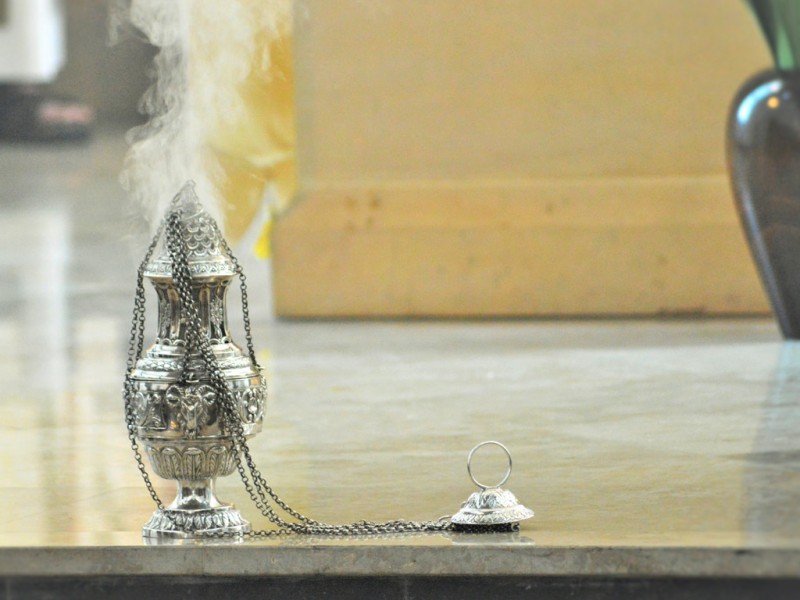
Incense was traditionally made by local monks. Credit: Monastère de Chevetogne
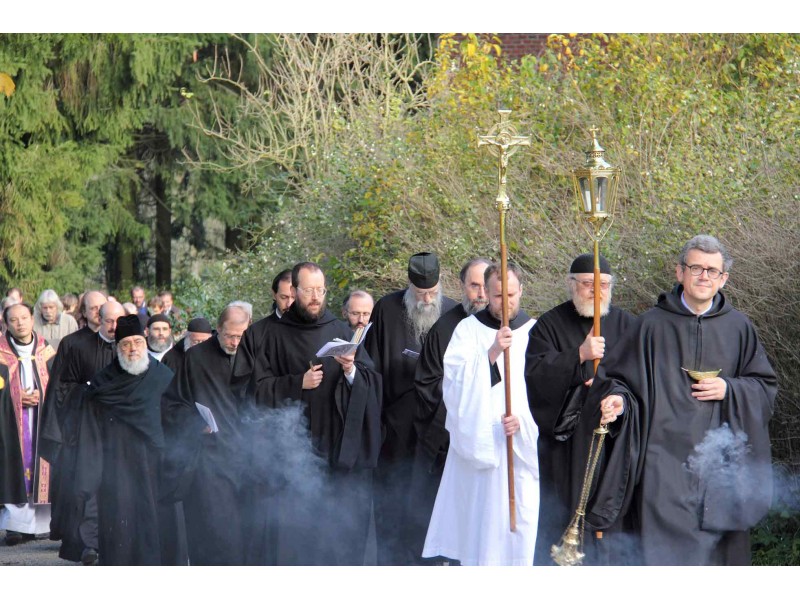
Monasticism has been a significant part of Belgium’s religious and cultural history for over a thousand years. Credit : Monastère de Chevetogne
At noon, the bells call everyone back to the Byzantine church. The Divine Liturgy, sung almost entirely in Slavonic, is a lengthy service, but you get used to it. Visitors sit alongside the monks, following the rhythm of bows, chants, and incense, or not.
Even for those unfamiliar with the rites, the ceremony is absorbing, and the choir chants fill the domed space.
Lunch is served afterwards in the refectory, a large hall where long wooden tables face a lectern. After the Jesus prayer, a monk steps to an altar and begins to read a text aloud while the meal continues in silence. It could be a commentary on European history, immigration, or the war in Gaza, or simply the news. They stay informed.
The menu is modest, consisting of soup, bread, vegetables, and sometimes chicken or fish. Conversation resumes only after leaving the hall.
Chevetogne houses a small library specialising in ecumenism and Eastern Christianity, as well as a small shop featuring exquisite handicrafts. The rooms are cosy and comfortable, with private bathrooms.
Young visitors from across Europe came to visit for a day or more, enjoying the tranquillity. The abbey has become a discreet but popular study retreat during exam sessions, its calm surroundings offer an escape from urban life.
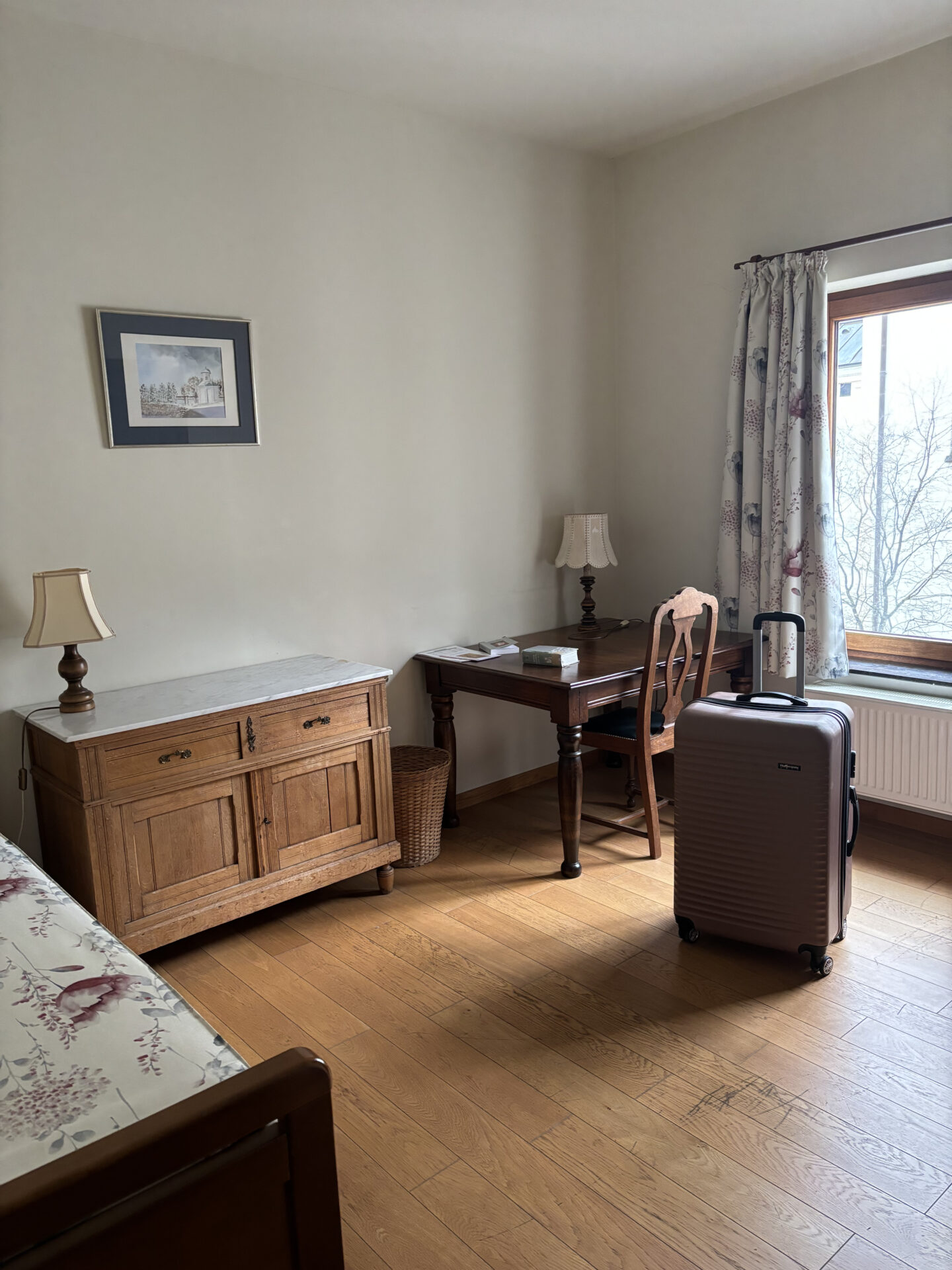
The rooms are decent and have a private bathroom, very quiet, and the windows offer a view of nature. Credit : Anas El Baye
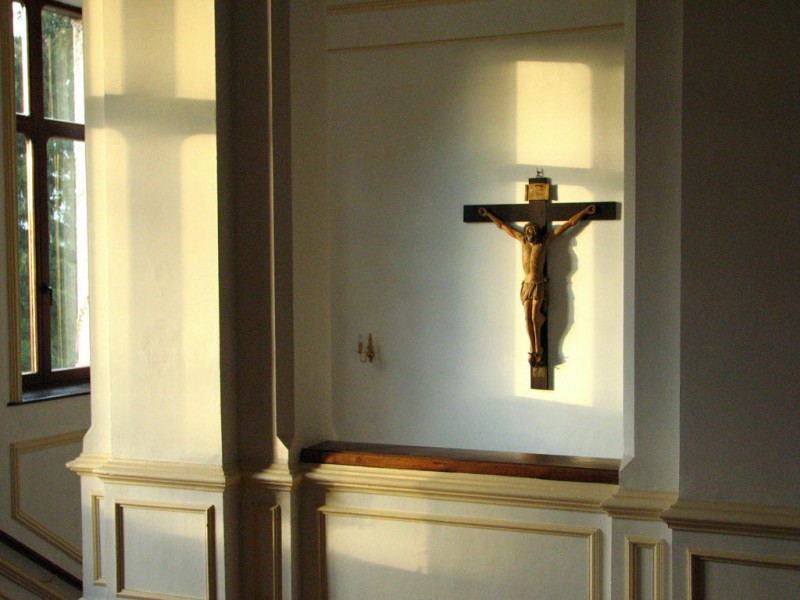
Liturgy is held in Latin, Greek and Slavonic. Credit : Monastère de Chevetogne
As the sun begins to fade, the monks gather for Vespers. The prayers are solemn psalms in the Byzantine intimate church, or in the Latin liturgy in the larger church. The contrast of the chant and decor is fascinating, yet somehow, it works together.
The evening meal is lighter, often consisting of bread and cheese, sometimes accompanied by fruit or yoghurt, and this time, conversation is allowed. I enjoyed every moment of the childlike, cheeky attitude of 90-year-old monk Father Nicolas Egender, who recently passed away.
He sometimes talked too loudly because he couldn't hear. So, guests freely shouted and shared their stories with him, gathering like little children around their grandad.
The day ends with Complines, the final prayer of the night, the best one. You might shed a tear or two for no reason, even if you’re not a believer, something profound in the humility of the voices chanting in love with a higher power.
After that, silence falls across the monastery. Corridors darken, lights go out, and the sound of crickets fills the place. It can be a bit frightening at times. Once I put my head on the pillow, it took me a few moments to fall into Morpheus's arms. In this case, into Jesus’s.
