
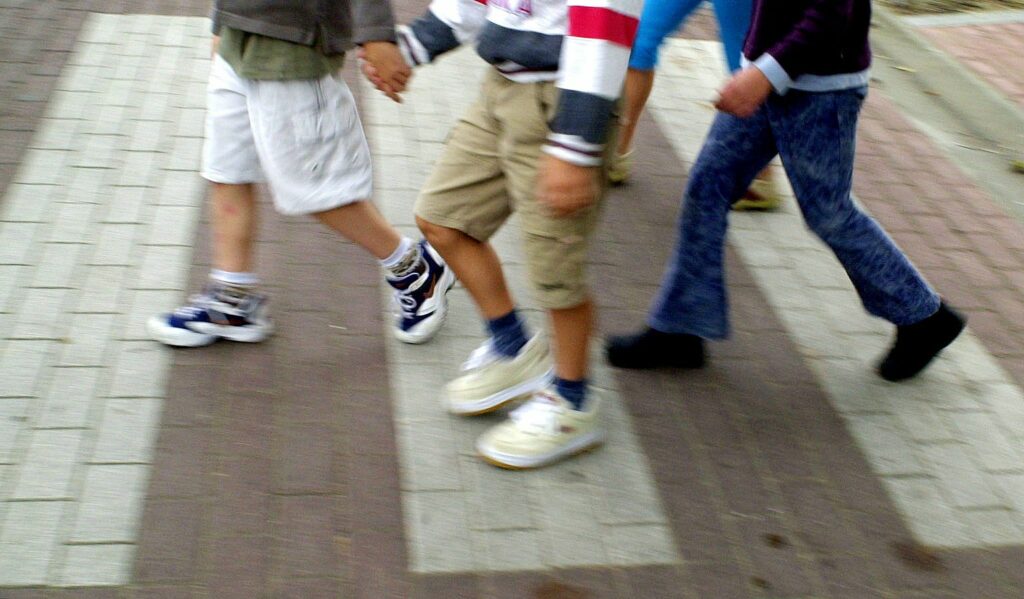
As the new school year begins, Brussels Mobility and the road safety institute Vias have issued warnings about dangerous behaviour among young people in the capital streets.
Figures published on Monday reveal that 482 children were involved in traffic accidents in Brussels last year. While still a significant number, it marks a drop from 544 in 2022 and, for the first time in years, brings the total below the symbolic threshold of 500. Before the pandemic, annual totals consistently exceeded that mark.
Officials "welcomed" the decline but cautioned that strict respect for the highway code remains the best protection for pedestrians, cyclists and motorists alike. Using designated crossings, obeying traffic signals and avoiding mobile phones while walking or driving were cited as life-saving habits.
Drivers were also reminded not to park within five metres of pedestrian crossings or on cycle lanes, where cars may block visibility, and to show particular care around young cyclists and scooter users.
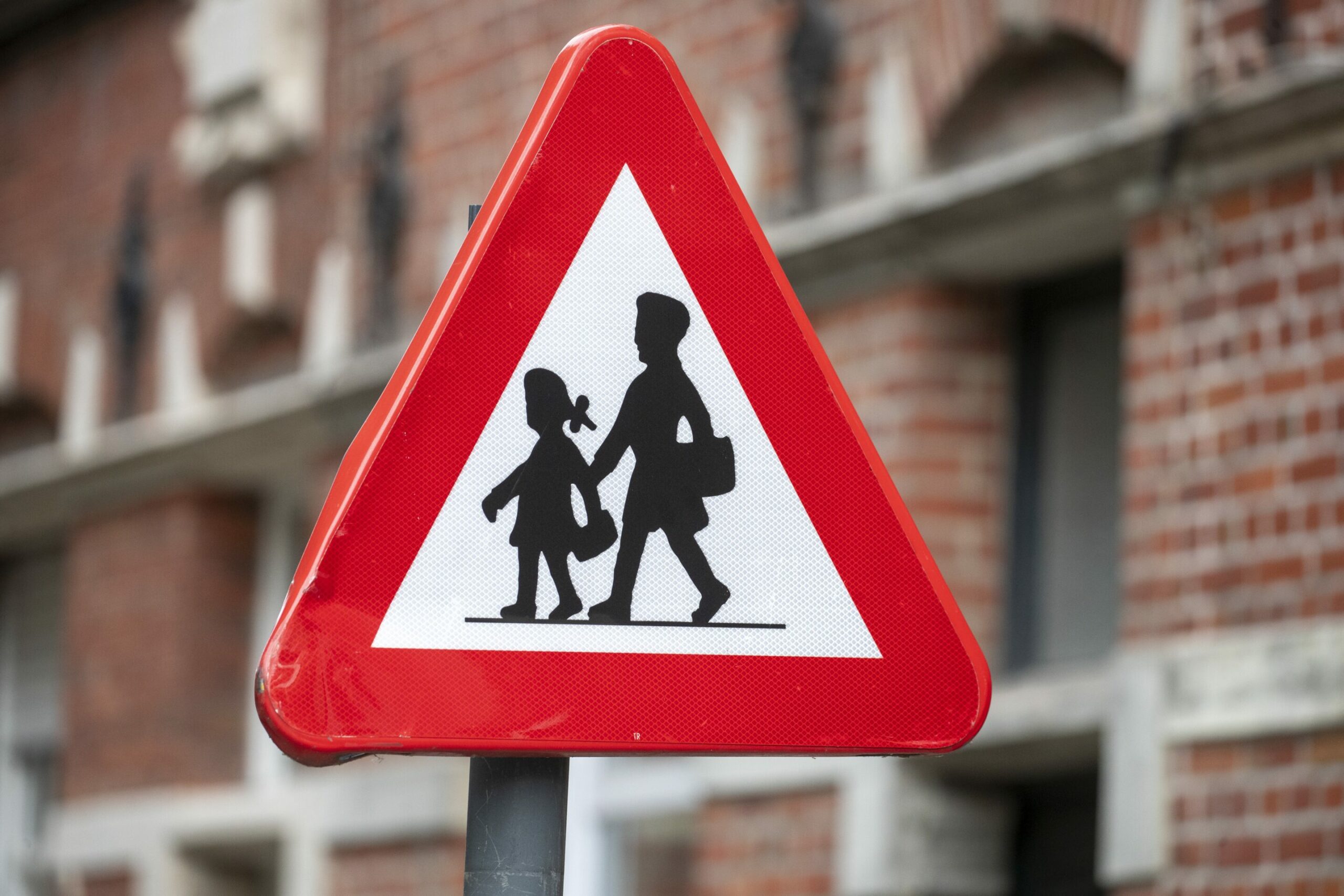
A traffic sign indicating attention for crossing children pictured in Gent Credit : Belga
A separate study by Vias also suggests that risky behaviour is common among teenagers. Surveying 1,500 pupils aged 15 to 19 across 24 schools in Wallonia, Brussels and Flanders, the institute found that four in ten admit they do not always buckle up in the back seat of a car. Nearly two-thirds confessed to texting or checking social media while cycling, while more than half had ridden a bike with their phone pressed to their ear.
The figures highlight how vulnerable young people continue to be in traffic. Last year, 4,609 teenagers aged 15 to 19 were injured on Belgium’s roads, with boys making up nearly two-thirds of the cases. Peer pressure seems to worsen the issue: one in four said they took more risks when accompanied by friends, and four in ten admitted they would get into a car with a drunk driver heading to a party.
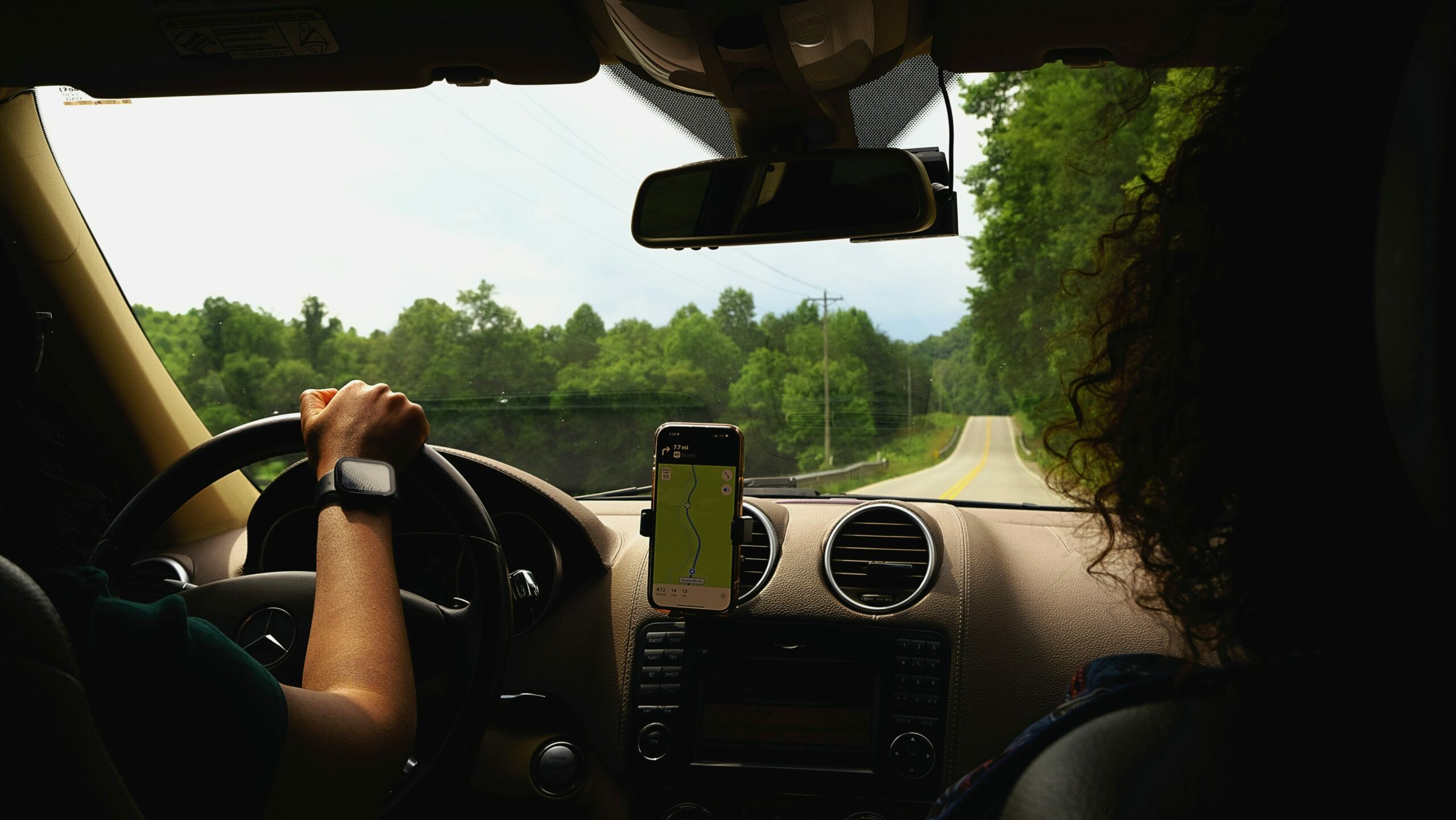
Parental influence is another factor. Three-quarters of teenagers reported that their parents sometimes exceed speed limits, and more than half said they had seen them drive with a phone in hand. Credit : Belga
Parental influence is another factor. Three-quarters of teenagers reported that their parents sometimes exceed speed limits, and more than half said they had seen them drive with a phone in hand. Unsurprisingly, only 46% of respondents considered travelling unbelted in the back seat "risky", compared with 80% who recognised the danger of driving without a seatbelt at the front.
Scooter use also raised red flags: eight in ten teenagers admitted to riding on pavements, while seven in ten confessed to carrying passengers, both practices prohibited under Belgian law. Nearly 30% admitted cycling in the past month after possibly exceeding the legal alcohol limit.
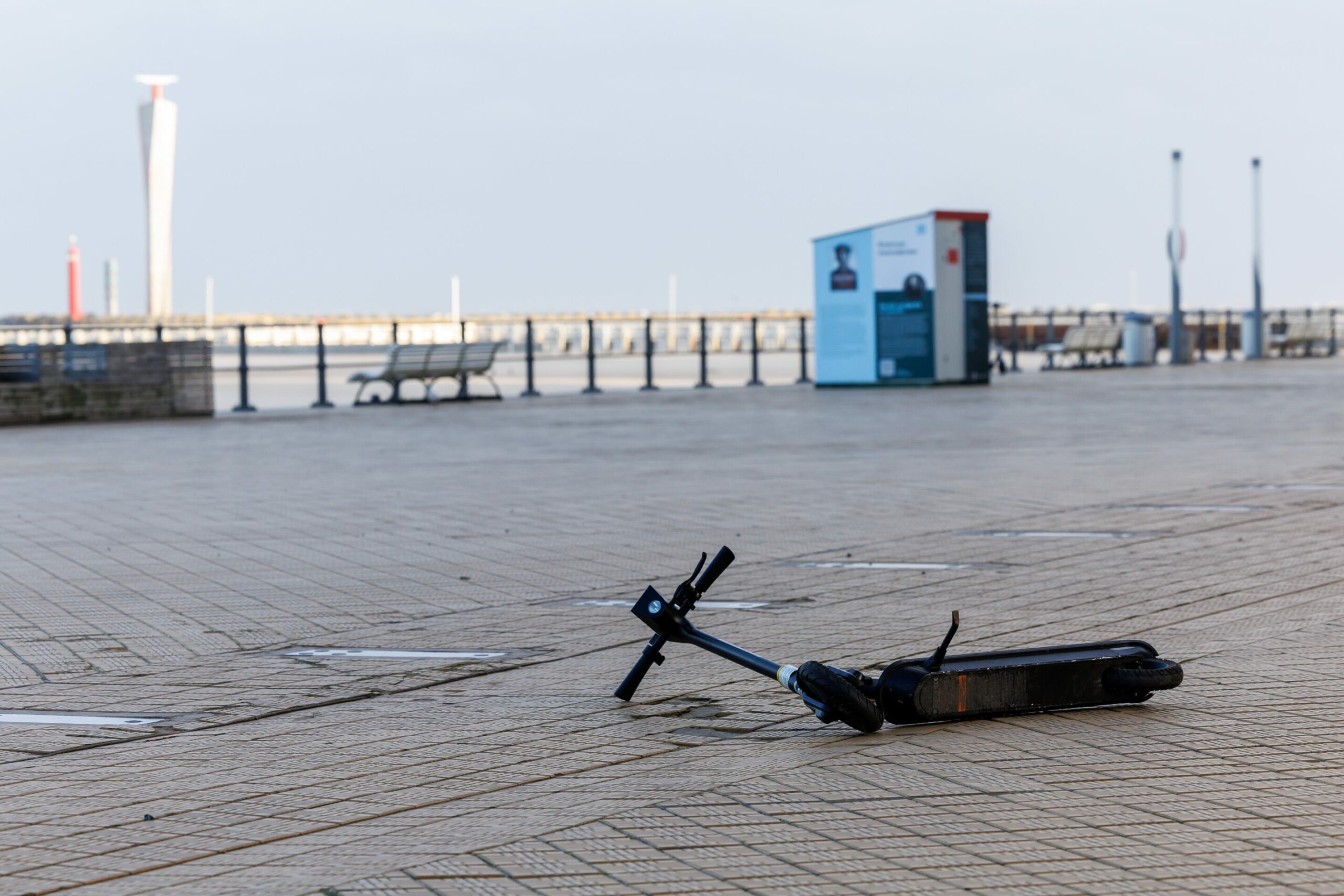
Scooter use also raised red flags: eight in ten teenagers admitted to riding on pavements, while seven in ten confessed to carrying passengers. Credit : Belga
"Teenagers naturally take more risks, but parents have a crucial role in setting the example and maintaining dialogue," the report highlighted, urging families to set clear rules and talk openly about the consequences of unsafe behaviour. In collaboration with XIU, a volunteer group promoting youth road safety, the institute is launching an online test for 12- to 17-year-olds. The tool uses 25 questions to produce a personalised risk profile and tailored advice for safer driving conduct.
For Brussels Mobility, the message is equally clear: "Whether walking, cycling or driving, attention and respect for the rules remain the best way to keep children safe."
