
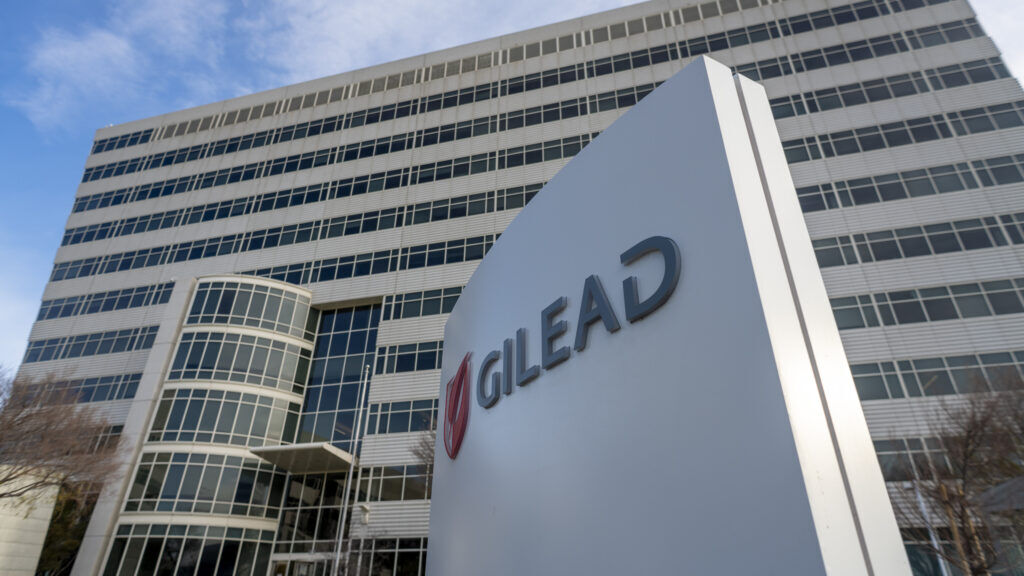
The European Commission has authorised the sale within the European Union of a new, long-acting HIV-prevention treatment developed by US company Gilead.
Branded as Yeztugo in the United States and Yeytuo in Europe, the treatment requires only two injections per year, a significant improvement over most current alternatives, which require daily pills.
This simplified dosing schedule is expected to improve HIV prevention among at-risk groups, especially in developing countries.
The European Medicines Agency’s Committee for Medicinal Products for Human Use, CHMP, had recommended approval of Yeytuo in July.
“Each year, around 25,000 new HIV cases are reported in the EU and European Economic Area,” noted Professor Jean-Michel Molina, an infectious diseases specialist at Paris hospitals Lariboisière and Saint-Louis, as cited in a Gilead press release.
“This figure clearly shows that current prevention methods are not working for everyone, particularly vulnerable populations,” Professor Molina added.
The United States had already approved Yeztugo for use in June.
Clinical trials conducted by Gilead demonstrated that the treatment reduces the risk of HIV transmission by over 99.9% in adults and adolescents.
Despite its potential to revolutionise HIV prevention, concern is mounting over its accessibility and cost.
In June, Gilead disclosed that Yeztugo would be priced at over $28,000 (around €23,000) per patient annually. However, when asked on Tuesday about the treatment’s pricing in Europe, the company did not provide an immediate response.
In 2024, following calls from experts and patient advocacy groups, Gilead reached an agreement with manufacturers to produce and distribute low-cost generic versions of the drug in over 100 developing countries.
Additionally, the Global Fund, a public-private partnership, announced in July it had signed a deal with Gilead to supply the preventative treatment to low- and middle-income countries.
