
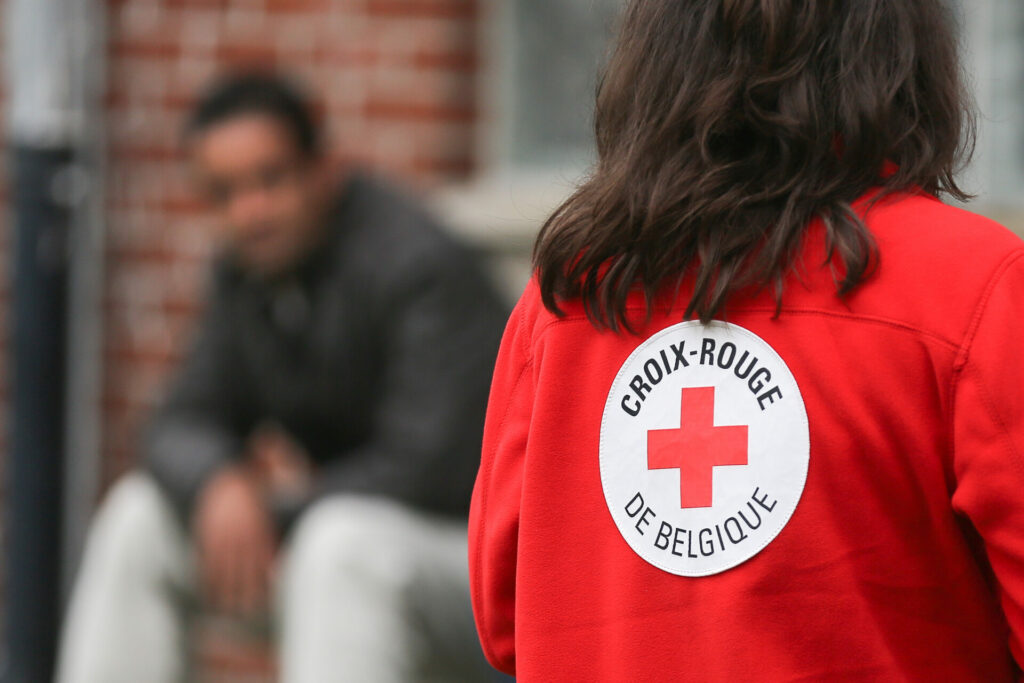
This year, Red Cross Flanders has already opened 156 cases of families who have lost contact with each other due to war, violence, or migration, the organisation announced on the International Day of the Disappeared.
Currently, there are 671 open cases in Flanders involving individuals who live in the region but have completely lost touch with their families under these circumstances. Globally, within the International Red Cross Movement, there are active cases for over 250,000 missing persons, according to Marijke Peys, head of the “Restoring Family Links” programme at Red Cross Flanders.
The cases in Flanders this year represent searches for 337 individuals. These investigations are part of the organisation’s core mission to reunite families separated by conflict and other crises.
The missing individuals come from more than 20 countries, including the Democratic Republic of Congo, Afghanistan, and Ukraine. There are also numerous open cases for families separated in the conflict in Gaza.
Since January, Red Cross Flanders has successfully resolved 15 cases, reuniting 30 people with their families. The individuals found include those from Afghanistan, Angola, Cameroon, Congo, Serbia, Slovakia, and Somalia.
Peys emphasised the crucial role of volunteers in this effort. In Flanders, a team of volunteers processes hundreds of new cases each year, working closely with affected families.
“People come to us, often filled with sadness and fear, because they’ve lost all contact with their loved ones,” Peys explained. “Our volunteers try to piece together information—who they’re looking for, where and when they last had contact, and the likely cause of the separation. Even the smallest details about the missing person can be vital.”
It’s a daunting reality, Peys added, that what they deal with is just the tip of the iceberg. Many missing cases are never reported, as people lose hope, feel afraid, or simply don’t know that help is available.
“Often, we have to wait for conflicts to subside or for an unexpected sign of life to emerge,” Peys said as she reflected on the challenges ahead.
