
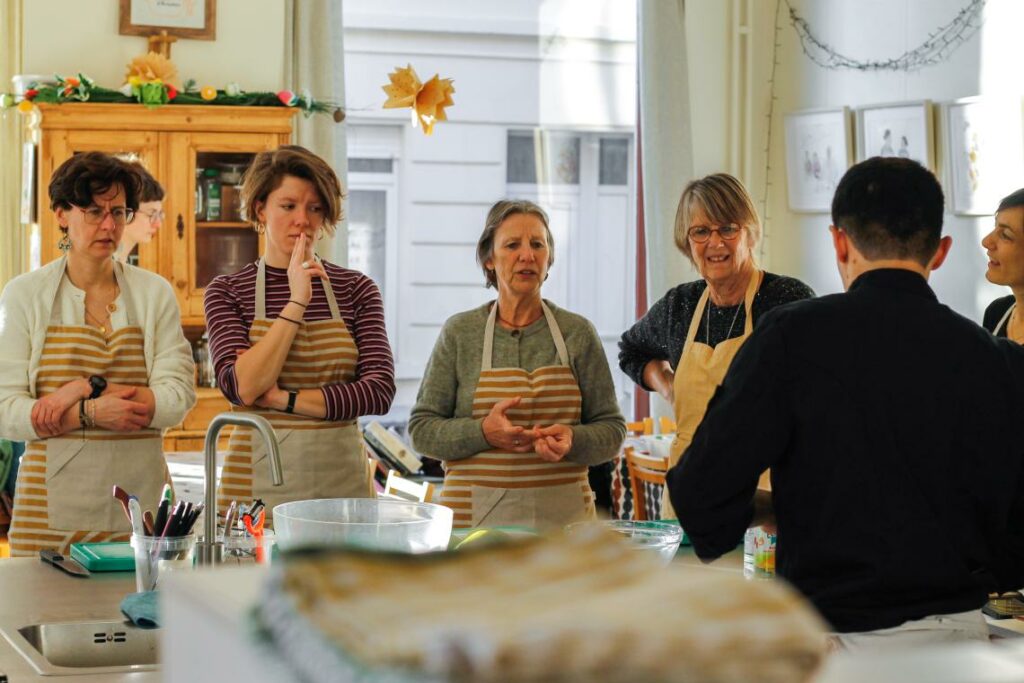
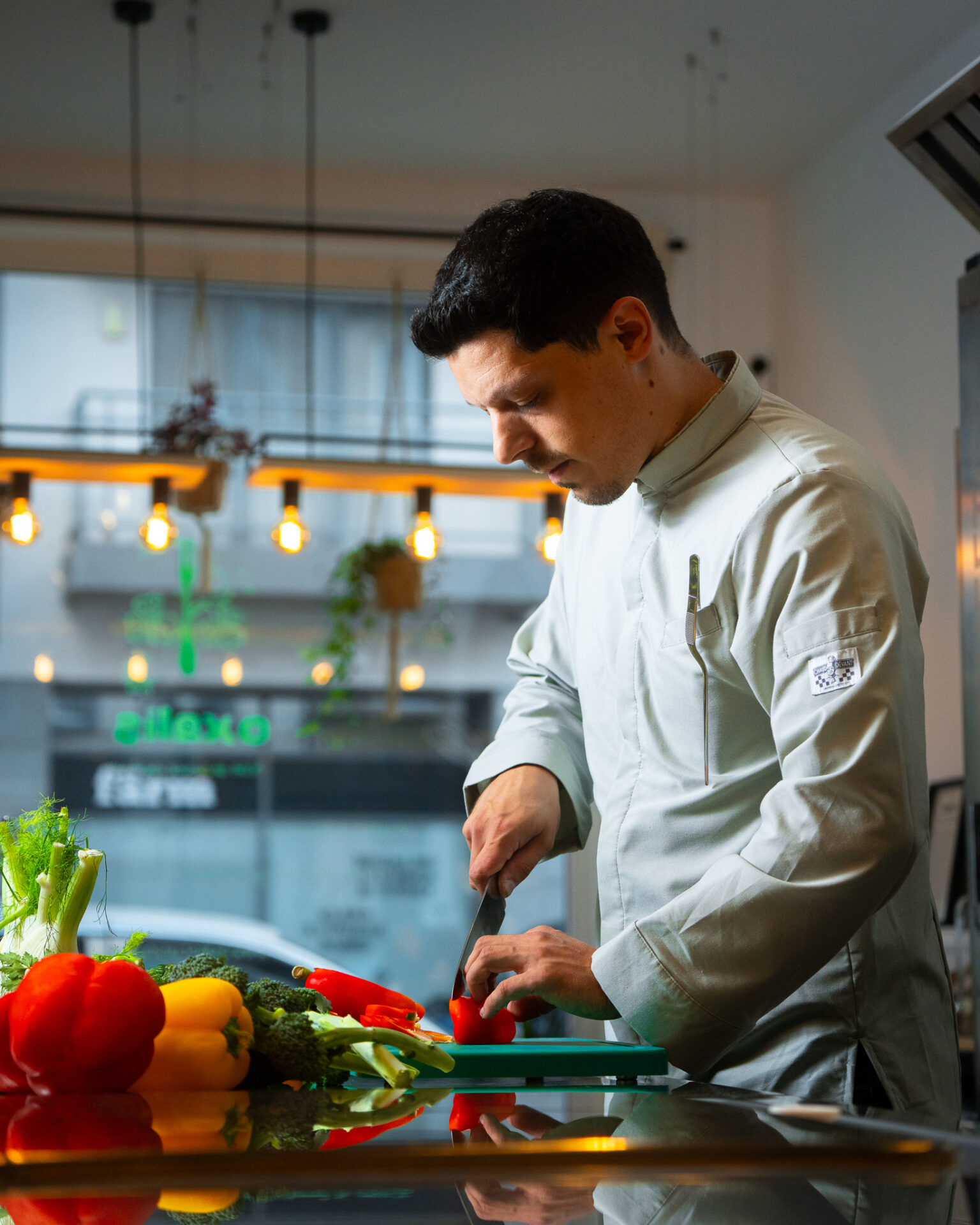
When chef Corentin Crutzen began offering small plant-based cooking workshops three years ago, he never imagined the demand would lead him to open an entire school.
"It's been 3 years since I have been giving cooking classes. At first, I was renting spaces that weren't mine. But more and more people signed up, and I thought: why not create something bigger, with more chefs, more classes, more variety?" said Chef Corentin Crutzen, the owner of the school, to The Brussels Times.
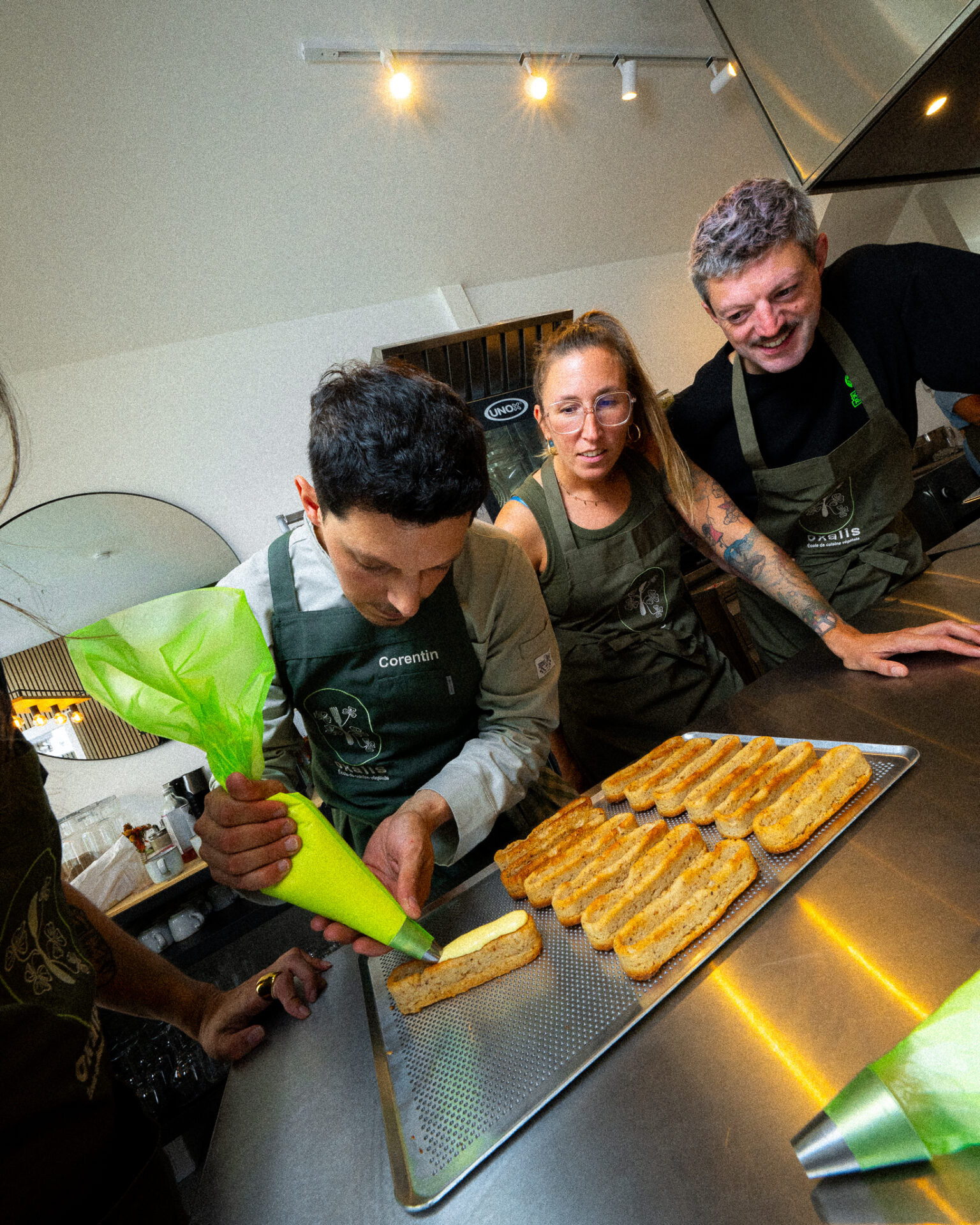
That idea has now evolved into Oxalis, Belgium's first entirely plant-based cookery school, which opened yesterday (Saturday) in Auderghem. The launch started with an inauguration evening on Friday for partners, followed by an open day where curious visitors could participate in workshops.
"The reactions have been really encouraging," says Crutzen. "Everyone who stopped by was enthusiastic. It makes me feel the project has real support."
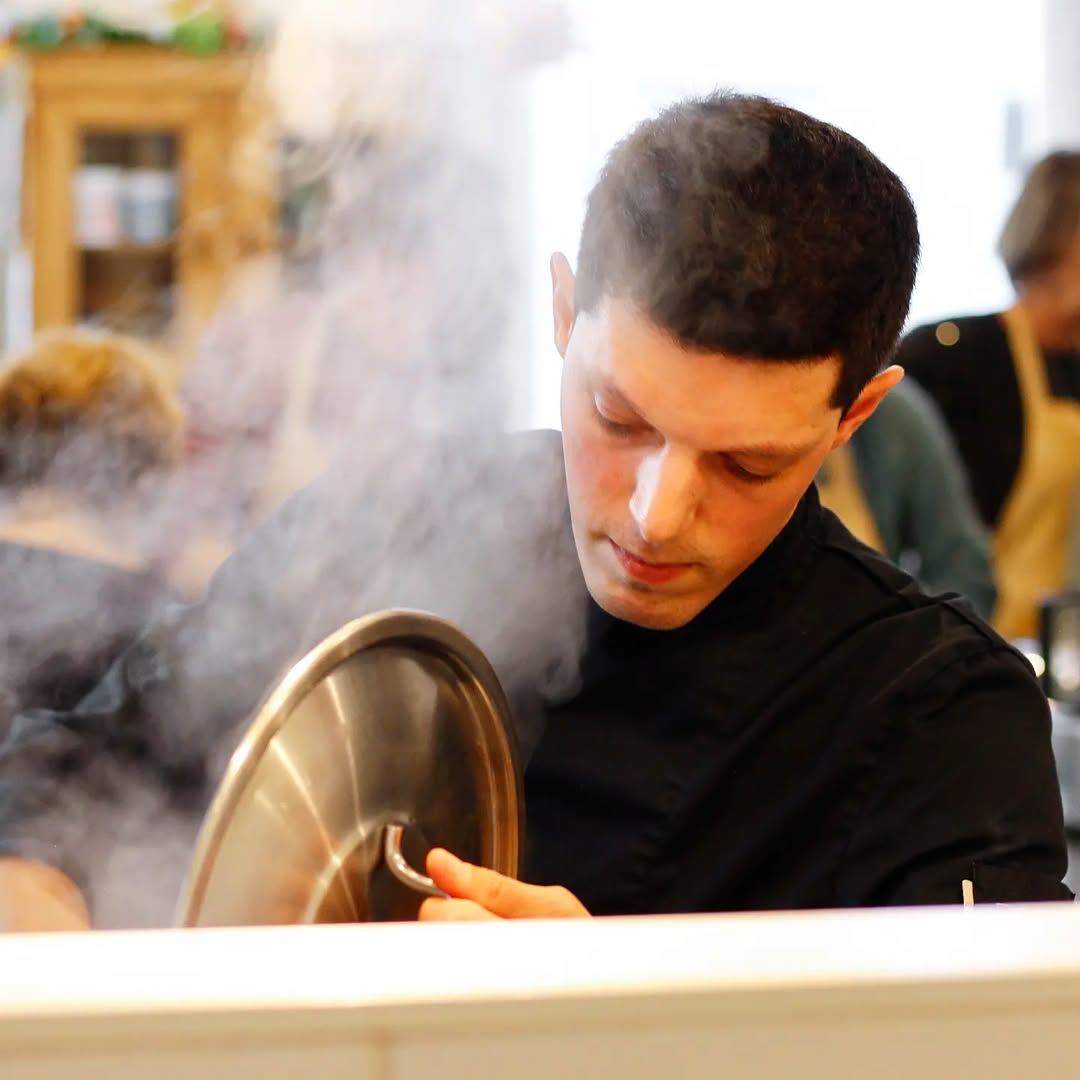
"It's been 3 years since I have been giving cooking classes. At first, I was renting spaces that weren't mine. But more and more people signed up, and I thought: why not create something bigger, with more chefs, more classes, more variety?". Credit: Oxalis.
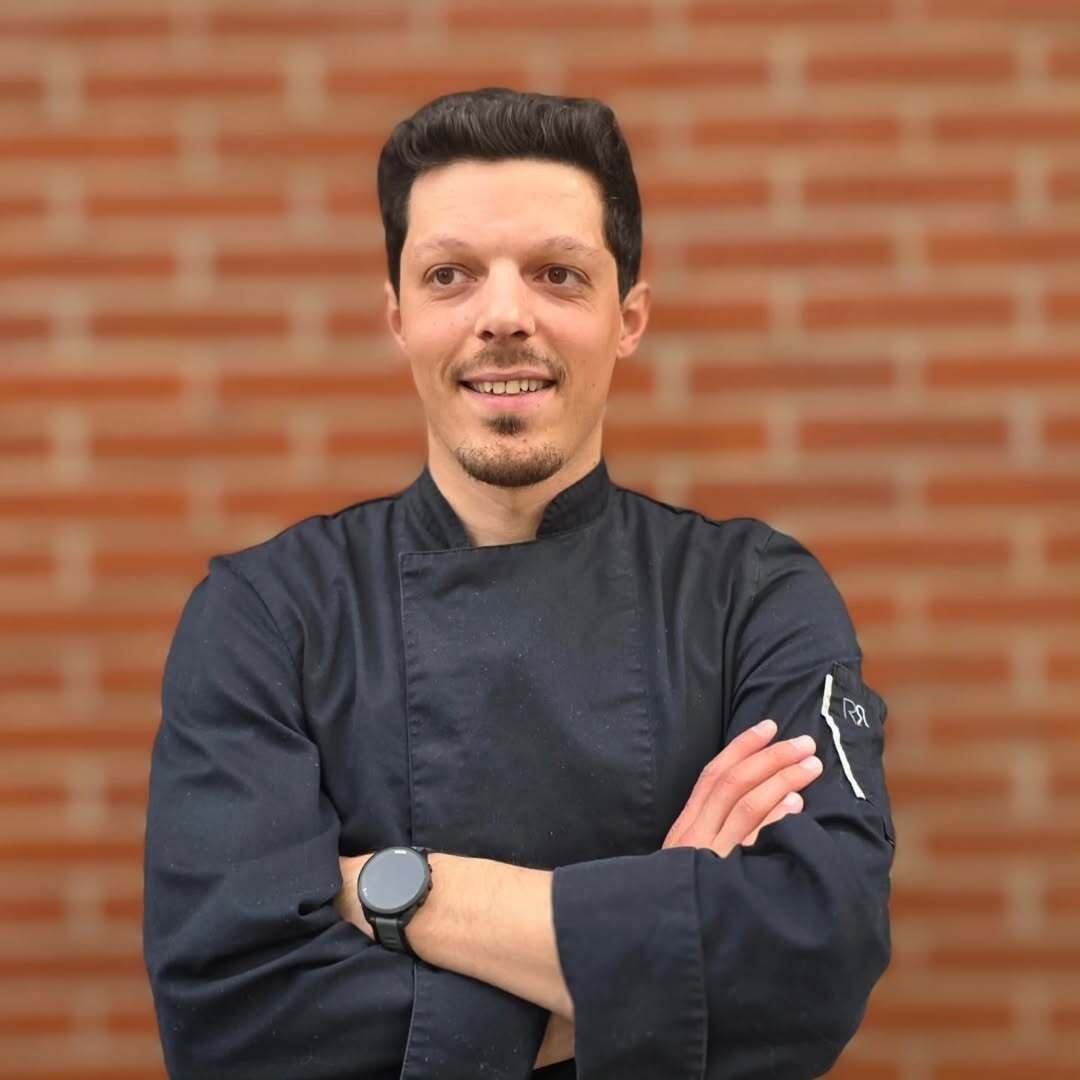
Chef Corentin Crutzen, owner of Oxalis. Credit: Oxalis.
Everyday, enjoyable cuisine
Crutzen describes Oxalis' cooking philosophy in three words: accessible, gourmet, and easy.
"Accessible means everyday cooking, simple dishes you can make with ingredients from the shops near your home. I try to source as locally as possible, and always thoughtfully," he explains. "But food has to be pleasurable too. Eating is something we do three times a day. It should feel good, physically, but also mentally."
That doesn't mean the school only focuses on "healthy" food. "We also teach 'food porn' workshops," he laughs, referring to burgers, street food and indulgent desserts. "Plant-based cuisine doesn't have to be boring or overly virtuous. It can be fun, rich, even messy."
Popular classes
In 2022, a study done by Proveg found that a growing number of people are abstaining from meat consumption at least one day a week.
In Brussels, 42% of residents surveyed reported following this pattern, which is higher than in Flanders (33%) and Wallonia (29%).
A growing trend of meat consumption abstinence is growing in Belgium. "I think people are becoming more and more aware that eating too much meat can lead to health problems," said Crutzen.
There's also the financial aspect to take into consideration; with recent inflation, meat has become rather expensive, and the quality of meats products has gone down. That explains the attraction towards plant-based alternatives.
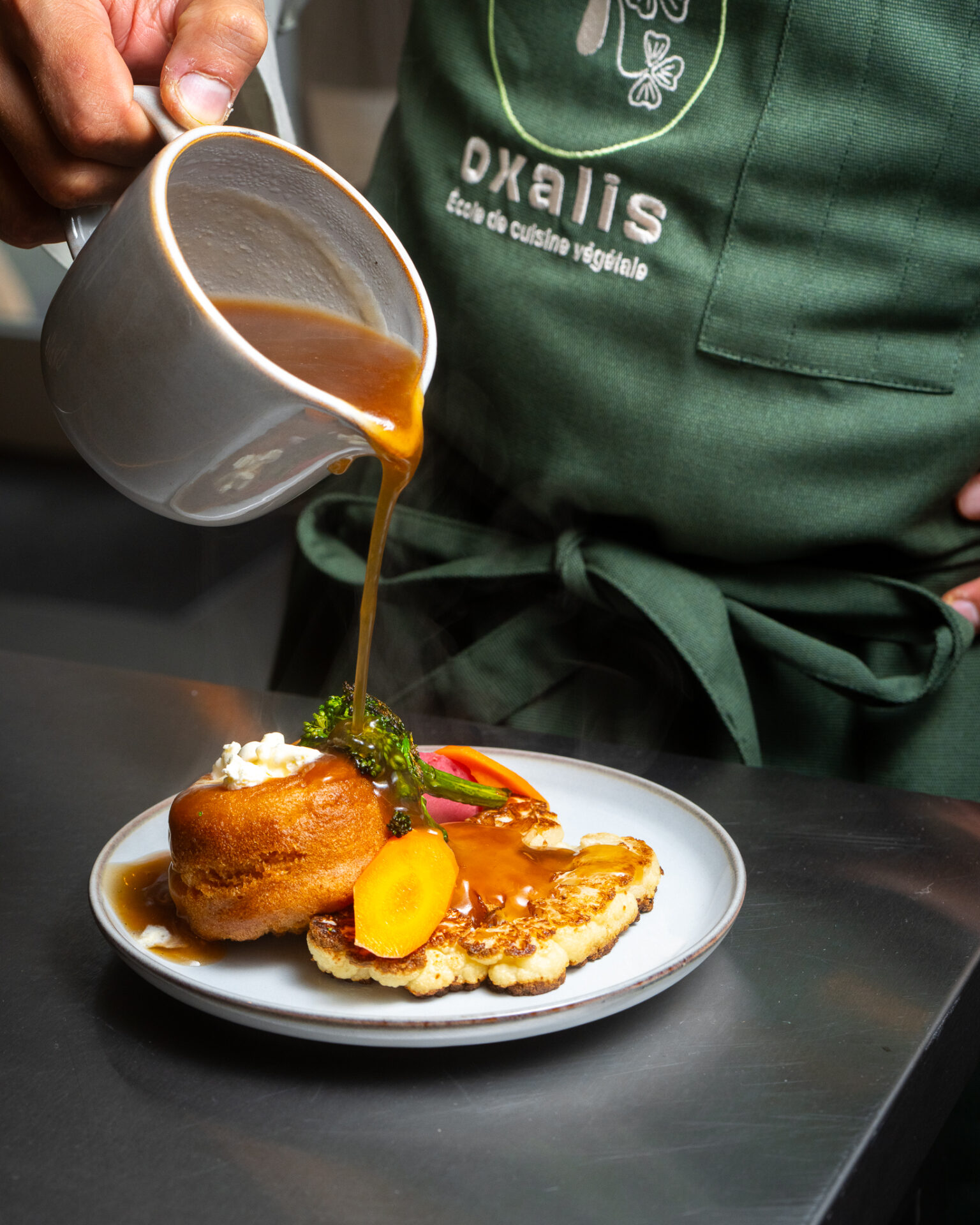
Credit : Monsieurhuman.
Early signs suggest that workshops on world cuisine (Indian and Asian mostly) are filling up fastest. But so are classes on pâtisserie and Italian cooking, where indulgence takes centre stage.
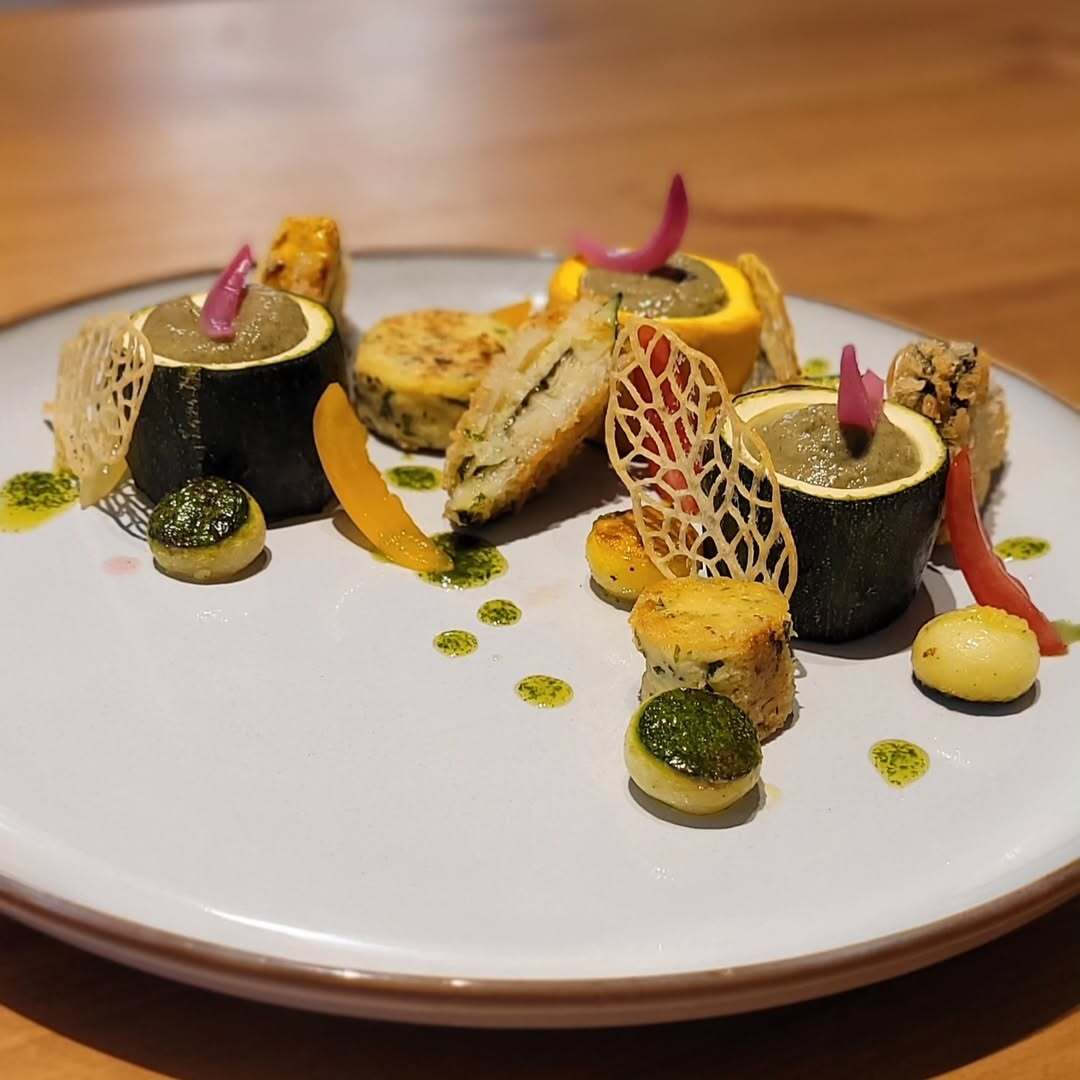
Early signs suggest that workshops on world cuisine (Indian and Asian mostly) are filling up fastest. Credit : Oasis.
Children can also join in: Oxalis offers family sessions where young cooks learn alongside parents or grandparents. For professionals, there are intensive two-day modules on subjects ranging from fermentation to desserts.
The team
Crutzen has recruited a dozen chefs to teach at Oxalis, a mix of Belgian and international talent. "Some are colleagues I've known for years, others I reached out to because I admired their work," he says. "Belgium is still a small country when it comes to plant-based gastronomy, so it was important to bring in expertise from abroad too."
The school also has a high-profile patron: Michelin-starred chef René Mathieu, a pioneer of plant-based fine dining. "I've been following him for years. He's at the forefront of this movement, so having his support feels like a real validation," Crutzen says.
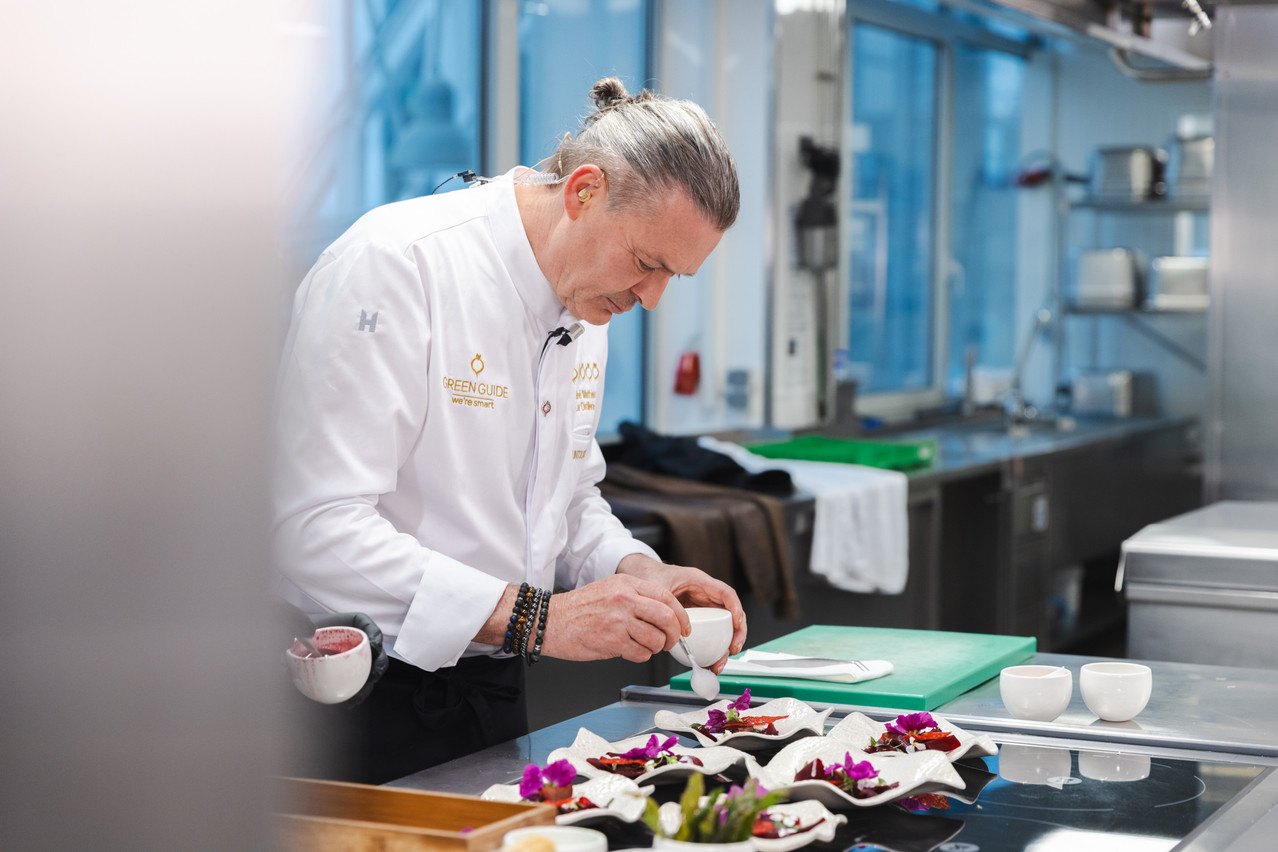
The school also has a high-profile patron: Michelin-starred chef René Mathieu, a pioneer of plant-based fine dining. Credit : Romain Gamba/Maison Moderne)
Vol-au-vent
When asked which Belgian dish he would most like to reinvent, Crutzen doesn't hesitate: vol-au-vent.
"I love the creamy mushroom sauce, the puff pastry. The chicken is actually the easiest part to replace; seitan works perfectly," he explains. "Every time I show people, they can't believe it. Even families and friends who aren't vegetarian are convinced."
Crutzen is focused on getting the school off the ground. His ambitions are clear. "One of our main goals is to train more professionals. Too often, vegetarian options in restaurants are fundamental. With the right techniques, they can be exciting, gourmet and satisfying," he says.
Oxalis operates as a non-profit, with Crutzen as the lead administrator. "We'll see how it develops," he adds. "But if more chefs and restaurants bring good plant-based cooking onto their menus, then we'll know this project is doing its job.
Credit : Monsieurhuman
Oxalis, Belgium's first entirely plant-based cookery school in Auderghem. Credit : Monsieurhuman
