
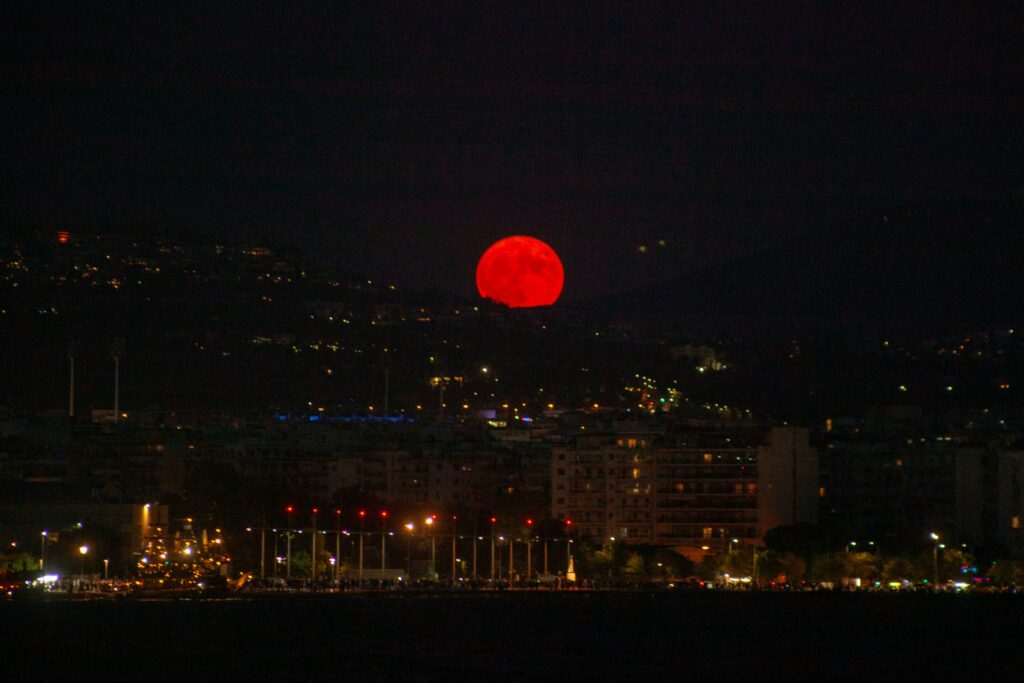
Belgium’s night sky is about to host a rare spectacle: the Moon will be draped in a reddish veil during a total lunar eclipse this Sunday, 7 September. The event will begin at 20:00, as the Moon rises on the horizon.
Why does the Moon turn red?
It is the sign of the end times in the Bible, but contrary to what one might expect, the Moon does not disappear entirely during an eclipse.
Instead, it takes on a deep coppery hue. This phenomenon happens because sunlight passes through the Earth’s atmosphere, scattering shorter blue wavelengths and allowing longer red ones to bend towards the Moon.
This phenomenon gives rise to the evocative names "Red Moon" or "Blood Moon."
Although a lunar eclipse was visible from parts of France last March, Belgium missed out. This time, however, the celestial show will unfold across the whole country.
When and where to watch?
From 20:00 this Sunday, stargazers can settle in for the display. The Moon will rise just as the Sun sets, around 20:07 A Telescope might optimise the view, but you can also simply look east towards a clear horizon.
As the Moon will be low, the best vantage points are open countryside (Hautes Fagnes or Les Ardennes, for instance) or rooftops in the city, away from heavy light pollution.
The total eclipse will peak around 20:53, with partial visibility extending until 21:57 To make the evening even more special, Saturn will also appear near the Moon, adding a planetary companion to the scene.
View this post on Instagram
A rare opportunity
The next total lunar eclipse visible in Belgium will not occur until 31 December 2028. This weekend’s event is therefore a rare chance to witness nature’s theatre at its most dramatic, weather permitting.
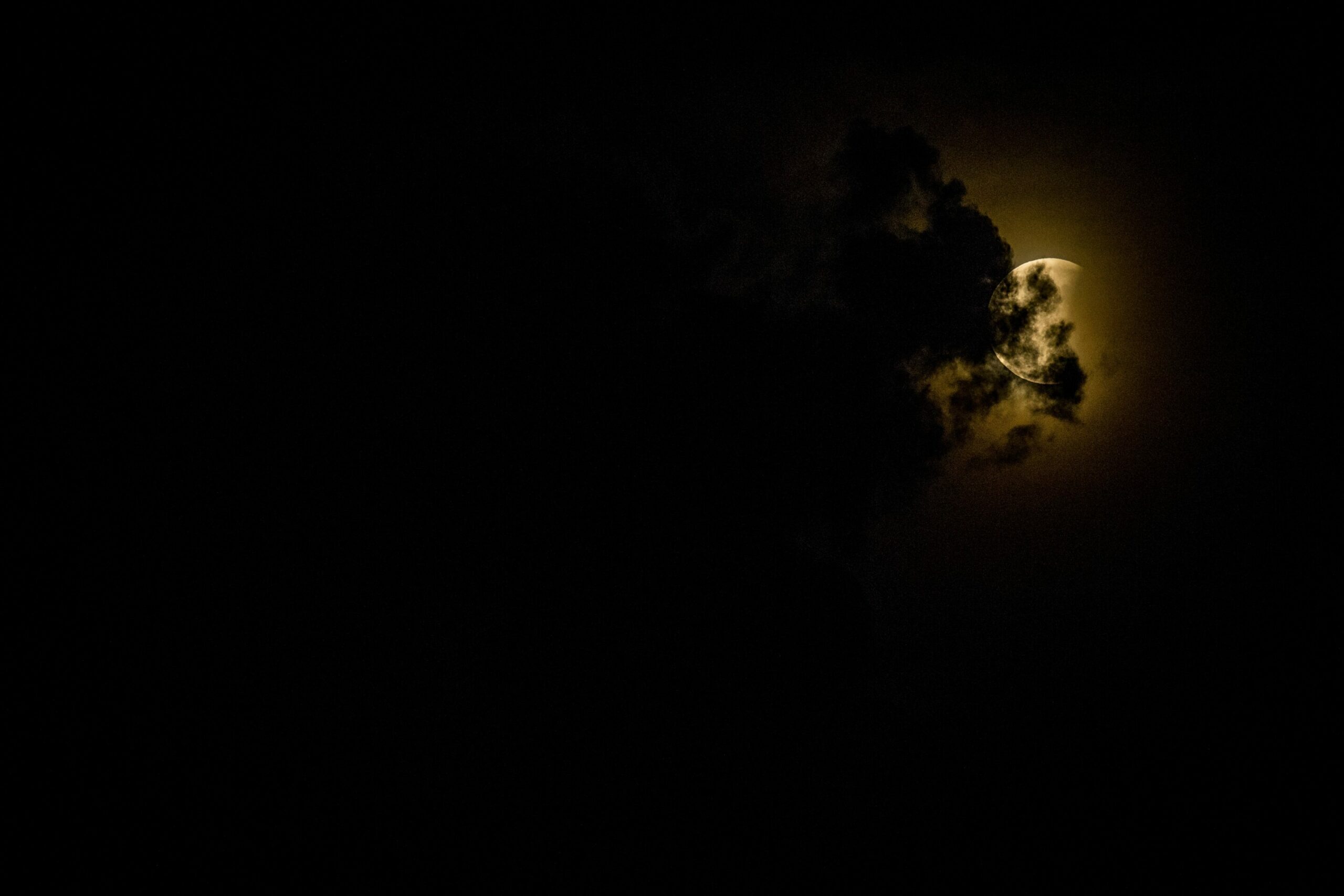
A lunar eclipse over Brussels. The blood moon lunar eclipse on July 28, 2018, was the longest in the 21st century; it also coincided with the closest approach of Mars to Earth. Credit: Belga.
