
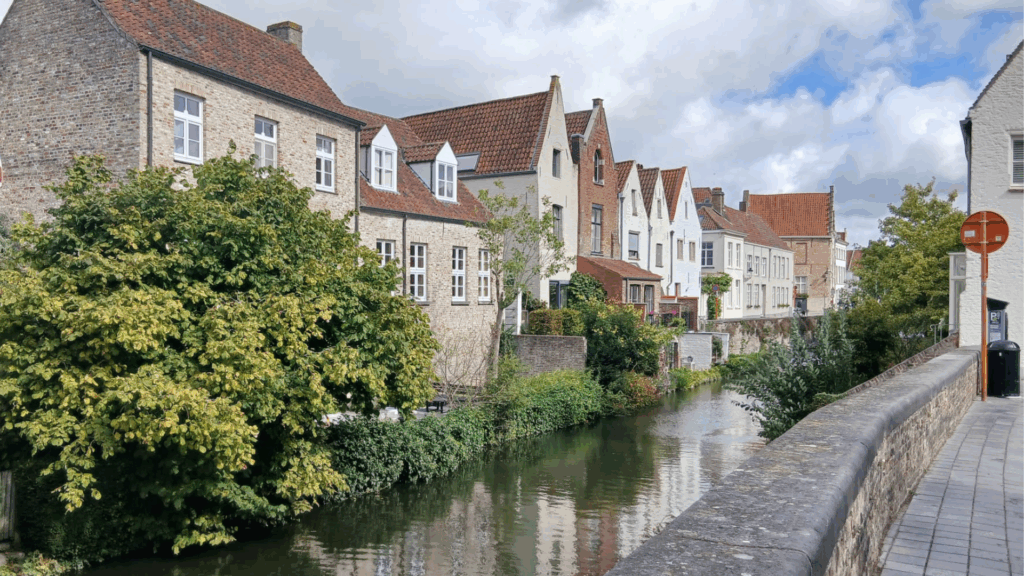
The silence on the bus was confusing and overwhelming for the man. Although it was full of passengers, no one would speak, let alone properly look at each other.
To cope, he would instinctively try to create noise himself; he’d burst into song or start clapping loudly. Sometimes he would speak to someone sitting in front of him - someone he could swear he knew, but had in reality never met.
His wife used to feel embarrassed at times and profusely apologise. But now it’s different. Now she just explains: “My husband has dementia.”
Had this incident taken place 20 years ago, perhaps the statement might have been met with a blank stare in Bruges. Now, more often than not, fellow passengers respond with a simple “no problem” and a brief moment of friendly chat with her husband.
“That, for me, is an example of a dementia-friendly society on the bus,” said Hilde Delameillieure, a coordinator at Bruges’ dementia expertise centre, Foton.
Lost years
Originally a nurse, Delameillieure has been a part of Foton for over two decades, an experience she told me, with an excited smile, was the job of her life.
She first heard the bus anecdote at the dementia centre from an informal carer, just a few weeks before we met at the Foton HQ, a five minute walk from the central square of Bruges.
Speaking to journalists wasn’t a novelty for her, she explained as she placed a cup of coffee in front of me.
She has given her fair share of interviews, particularly since Foton set out to officially make the city in West Flanders an example of a dementia-friendly society around 15 years ago.
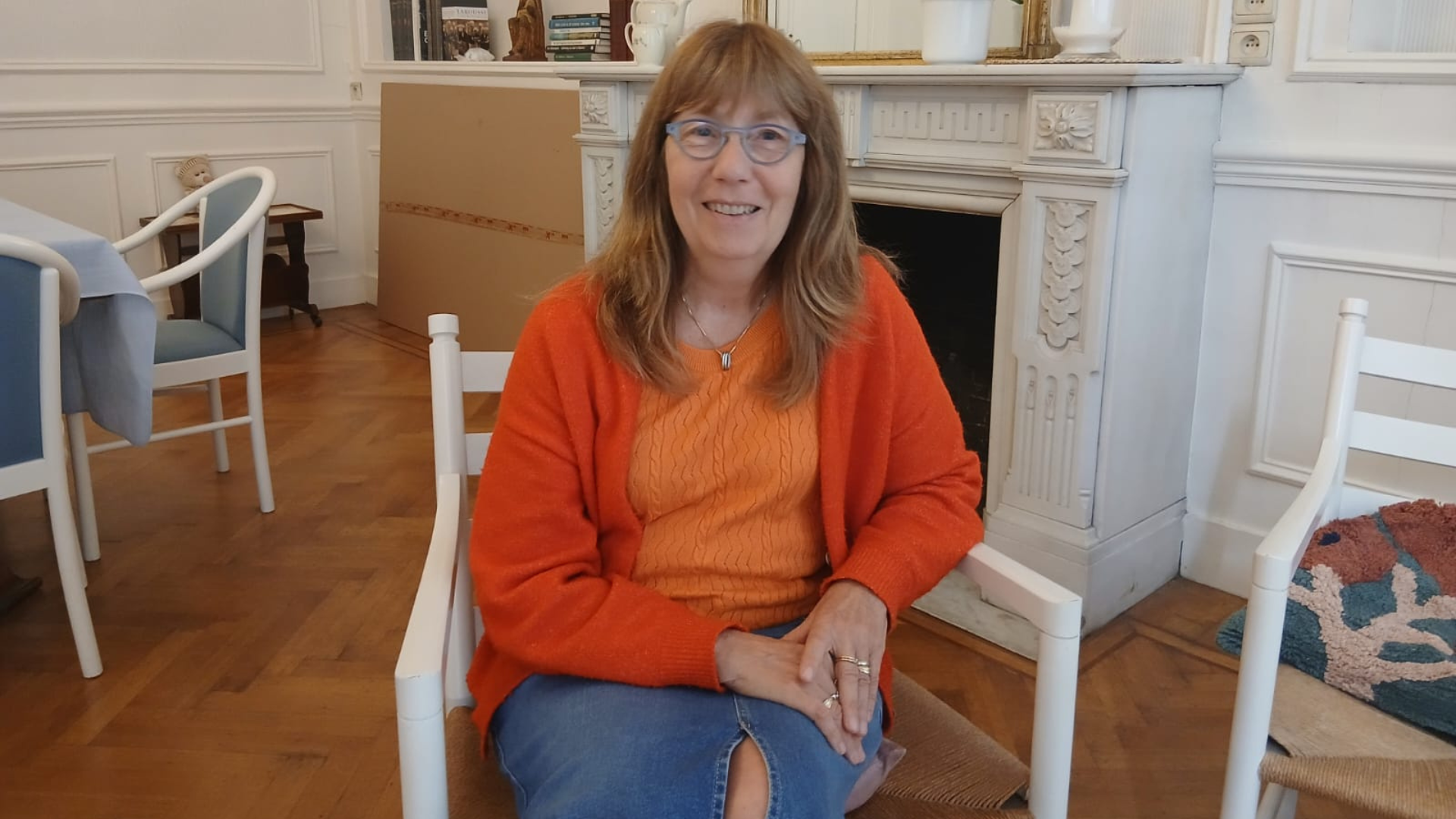
Hilde Delameillieure. Credit: Rita Alves
Dementia is an umbrella term for several diseases which disrupt cognitive processes, affecting memory, the ability to think or even perform simple daily tasks. It was a leading cause of death in Belgium in 2021, according to the most recent data by the World Health Organization.
However, the realities of dementia still remain misunderstood. “It’s not just a lost face, or someone who is dependent on others for everything they do in life,” said Delameillieure. “There are many years before reaching that stage.”
Foton estimates that around 70% of people with dementia still live at home and often have a family member or loved one who acts as an informal carer. Some can live at home for years without needing too much assistance, according to Delameillieure.
Nonetheless, many of the years with some quality of life that could still be experienced are often cut short because of the lack of awareness of how to include and accommodate those with dementia. Foton wanted to change that.
“The initial aim was that people with dementia didn't stay behind closed doors, but that they could go outside, and that they wouldn't be seen as a curiosity, but as human beings,” she said. “They are human beings like you or like me, with strengths and with weaknesses.”
Choirs, classes, & museums
The initiative, supported by several partners and backed by the municipality, has involved different projects over the years, some of which are still ongoing to this day.
These projects range from support groups to choirs for people with dementia, to special tours at local museums with trained guides, as well as weekly art classes - which Delameillieure says have had many positive reviews.
“It’s very touching when you see the things they make and you hear them talk about how proud they are that they created something. It's very important for their self-esteem, the image they have of themselves,” she said.
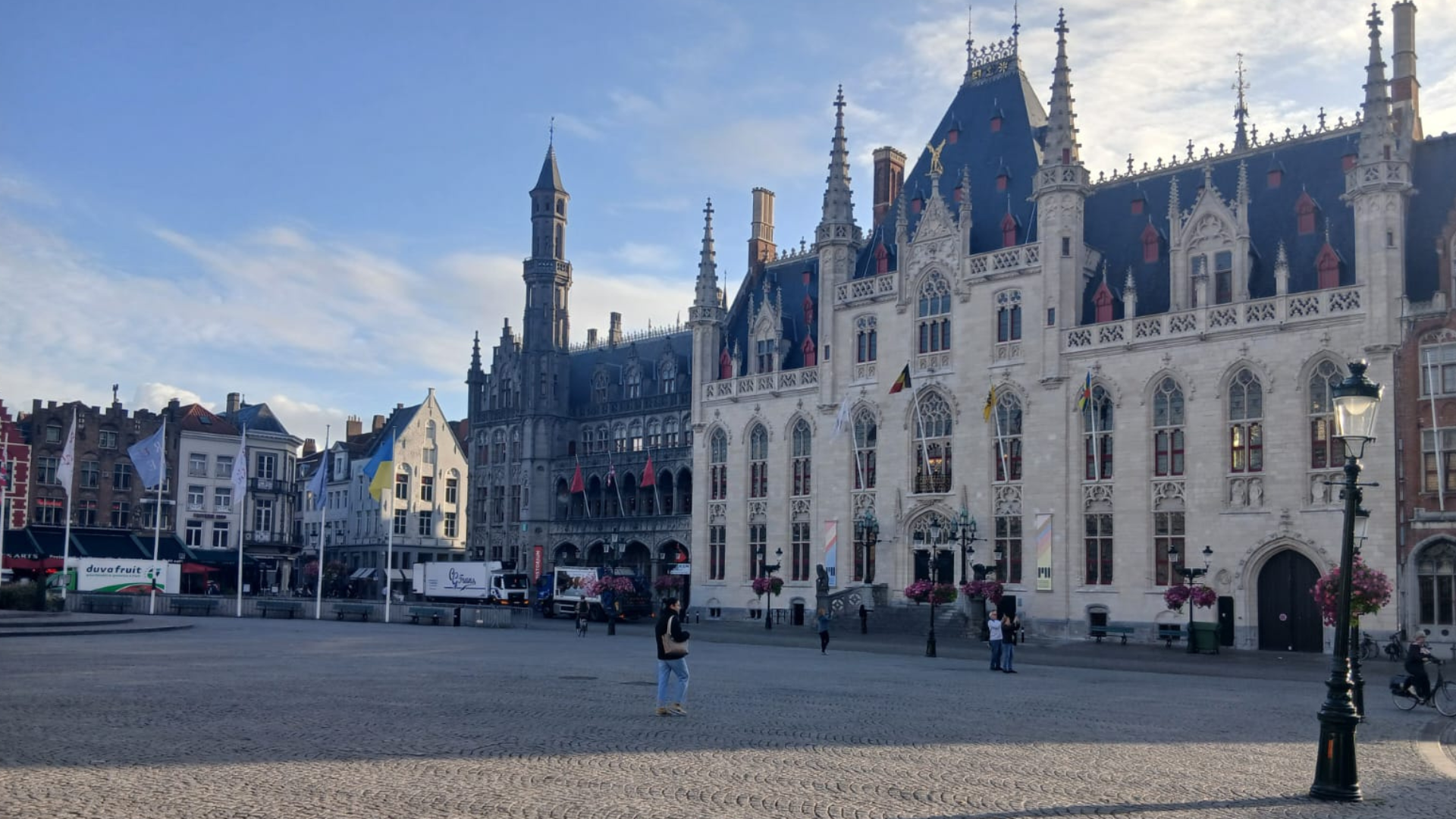
Bruges. Credit: Rita Alves
Delameillieure attributes the success of the projects in part to the support from the city of Burges, which, in addition to financial backing, has also designated two employees to work with Foton on ongoing projects.
“They didn’t just say ‘we want to be a dementia-friendly city’. They are actually putting in the work to make it happen," she said.
Forgotten initiatives
While much has been achieved in the last 15 years, building a dementia-friendly society is an everlasting job that is not immune to the occasional hurdle.
An example is one of the initiatives where local shopkeepers were trained on how to best communicate with customers with dementia. At the time, participating shops would display a knotted red handkerchief, a logo designed by students and selected by locals with dementia.
“It’s a reference to the practice from many years ago, when people would tie a knot on a handkerchief to not forget something,” said Delameillieure.
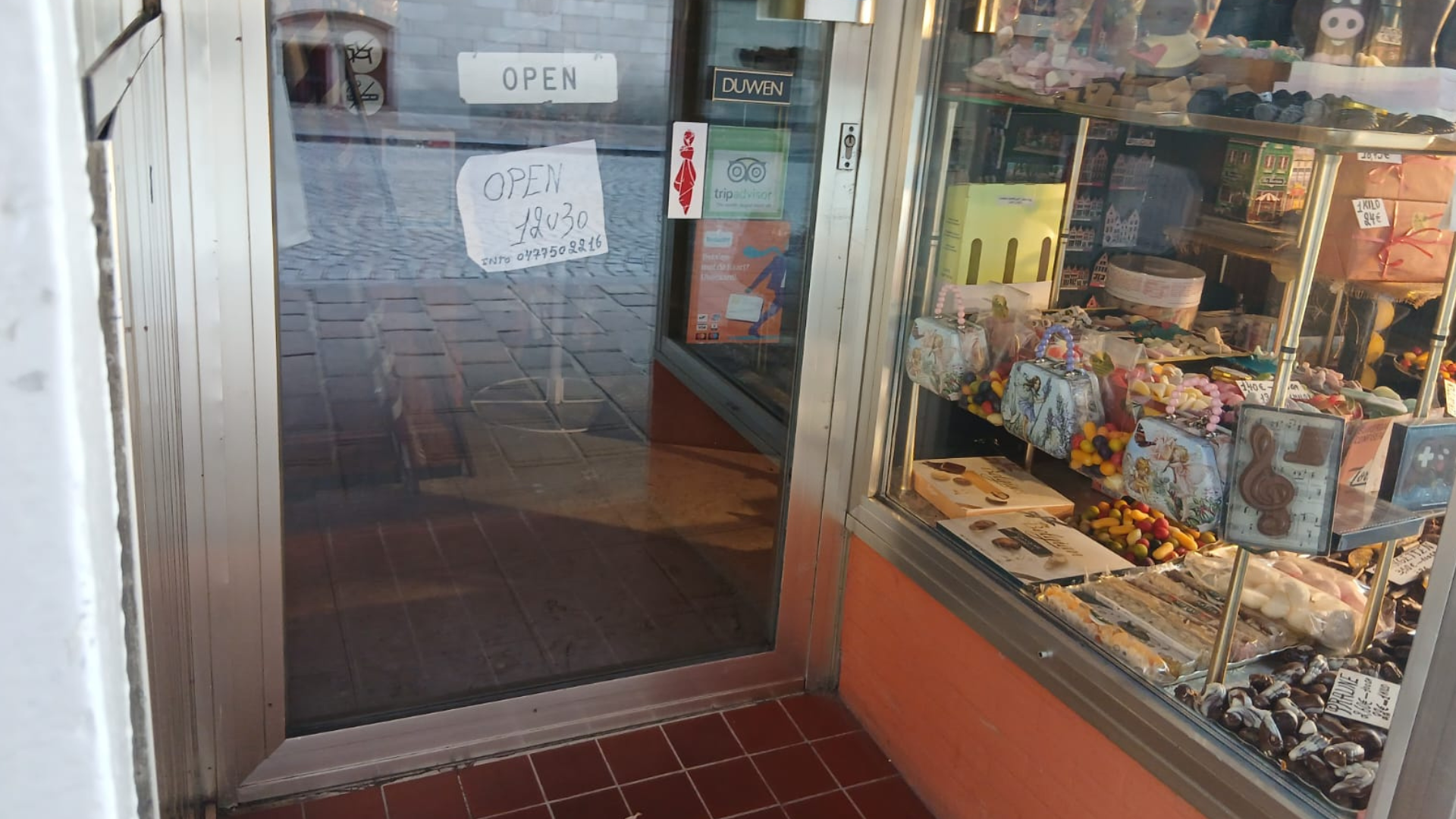
An example of a knotted handkerchief symbol outside a shop in Bruges. Credit: Rita Alves
However, over a decade later, as staff and local shop owners have changed, the symbol is not as easy to spot when walking through the centre of Bruges.
“Some shops still have the sticker on their window, but shopkeepers don't know what the sticker means,” said Delameillieure.
But the organisation sees this as a part of the process to change an ever-changing society, and has already started considering reviving the initiative for shopkeepers. A similar initiative was already recently launched for nearby restaurants and cafés.
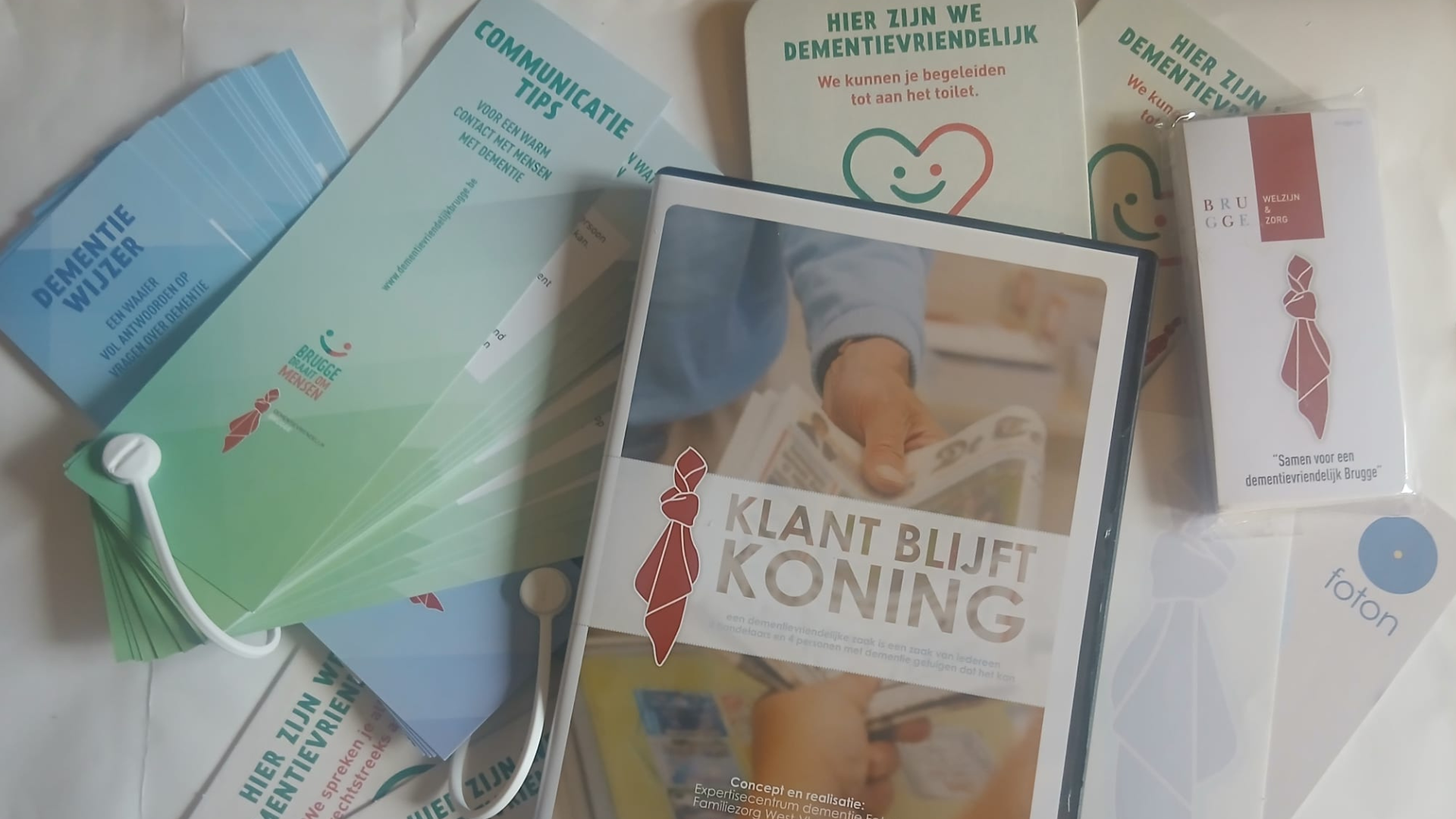
Items used in some Foton initiatives including flyers with communication tips, coasters with reminders and tips for hospitality workers to be more inclusive, a knotted red handkerchief to be placed at a shop.Credit: Rita Alves
‘They want to live’
The key to persevering in the face of such challenges, Delameillieure explained, is collaboration with people who are enthusiastic about the overall mission.
“The great purpose is that people of society don't exclude them,” she said. “They want to live their life just like we do. It's not because they have a diagnosis that life stops.”
As Delameillieure approaches her retirement next year, she isn’t exactly sure what the future holds for her, but she is certain that the ambition to make Bruges dementia friendly will thrive.
“It's an ongoing movement,” she said. “As long as dementia exists, we have to do this, to talk about it, to make it visible.”
Related News
- Funding issues bar development of cancer treatments during pregnancy
- Outbreak risks persist despite high vaccination rates in Belgium
- ‘I was told it was flu’: Late sepsis diagnosis puts lives at risk
The Foton Dementia Expertise centre in Bruges, just like the Dementia Counselling at home, are initiatives by the non-profit family care organisation Familiezorg West-Vlaanderen.
Familiezorg West-Vlaanderen is made up of 2,200 employees, including 500 volunteers, and offers support and care for around 10,000 families.
