
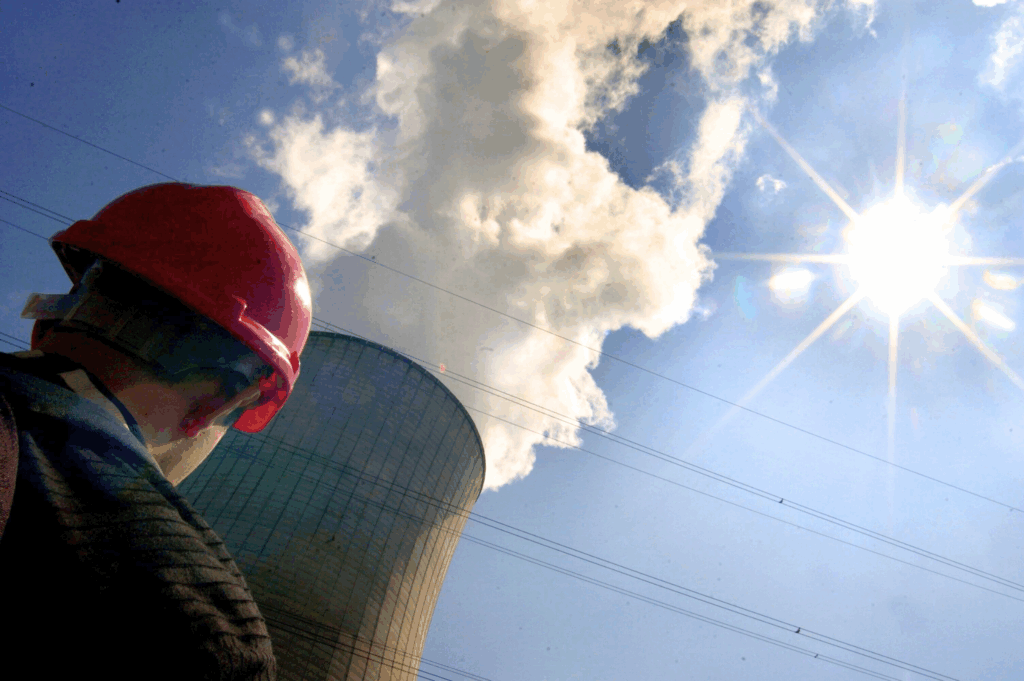
Belgium could need up to eight new nuclear power reactors to satisfy the country’s rising electricity demands as its strives to achieve climate neutrality by 2050.
This week, the Federal Planning Bureau (FPB) issued a new report presenting three scenarios to determine how Belgium can achieve climate neutrality in its electricity production by 2050.
It comes as Prime Minister De Wever's government is looking for ways to cut energy spending, which has pushed his Arizona coalition to reverse the planned nuclear phase-out, extending the life of the nuclear reactors for another ten years.
Yet with the gradual phase out of fossil fuels on the horizon, Belgium’s electricity consumption could more than double by 2050, reaching over 200 terawatt hours, according to the FPB’s estimates.
"I don't like to use hyperbole, but we are heading towards unprecedented electricity demand," said Alex Van Steenbergen, coordinator of the Energy team at the FPB in L'Echo. "The question is where this electricity will come from."
The three scenarios
Faced with this task, the FPB has compared different energy scenarios that would enable climate neutrality to be achieved by 2050. This comparison highlights significant differences in terms of costs and energy dependence.
All options differ in terms of the deployment of nuclear and offshore wind capacity, but all aim to keep costs as low as possible.
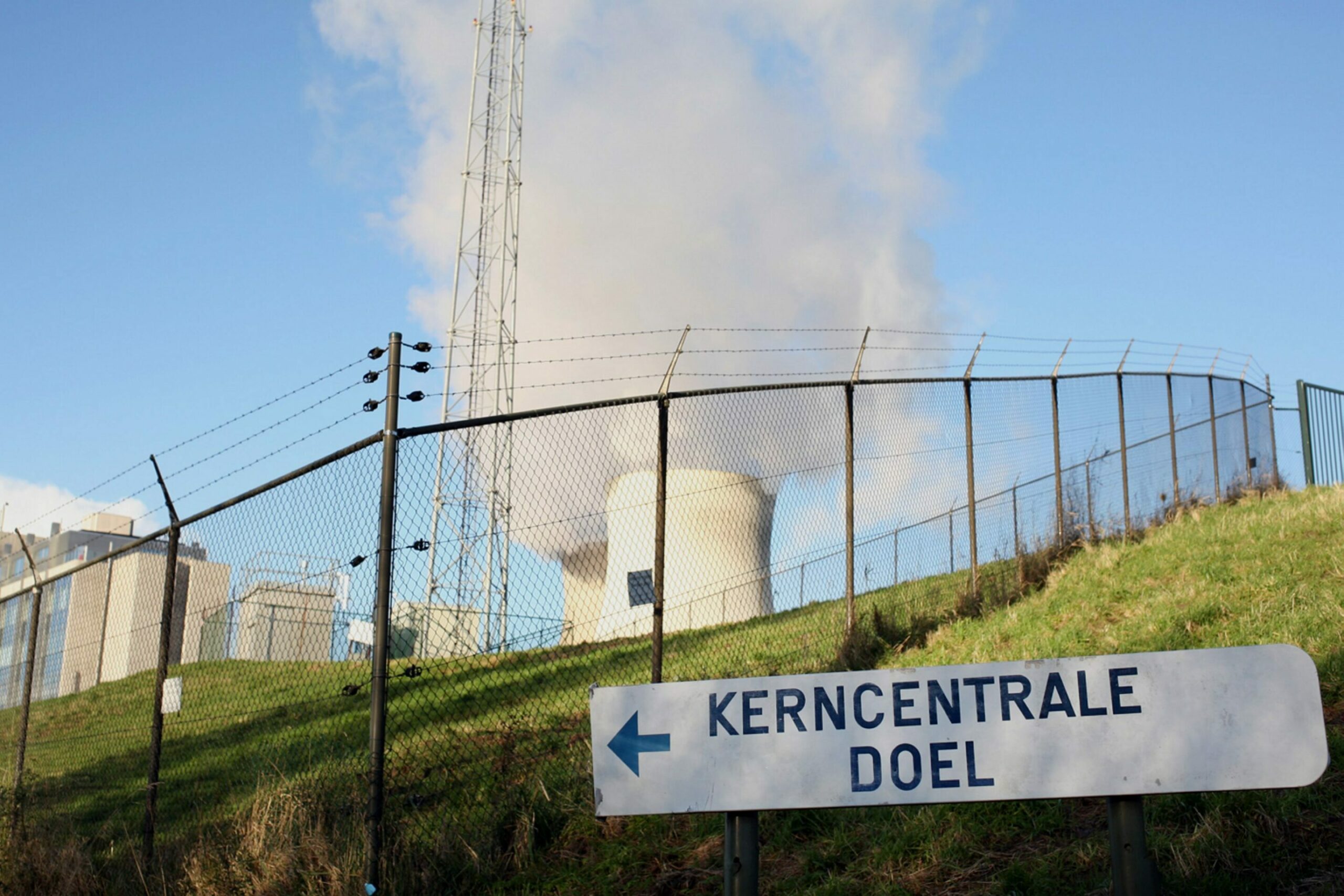
Doel nuclear power station, Tuesday 11 December 2007. Credit: Belga
Out of the three options, Scenario 3 is the most cost-effective. This would see offshore wind and nuclear energy developed to their maximum potential together.
Offshore wind energy capacity would increase from 2.2 to 8 gigawatts, and 8 gigawatts of new nuclear power plants would need to be built – the equivalent of eight large reactors such as Doel 4.
The other two scenarios maintain the phase out in nuclear power by 2035. Scenario 1 unites this nuclear power phase-out (by 2035) with the current ambitions for offshore wind power.
However, in Scenario 2 nuclear power phase-out is also maintained, but Belgium would develop offshore wind power to the maximum, including in extraterritorial farms.
In all three scenarios, significant investments in solar and onshore wind energy would complement these capacities.
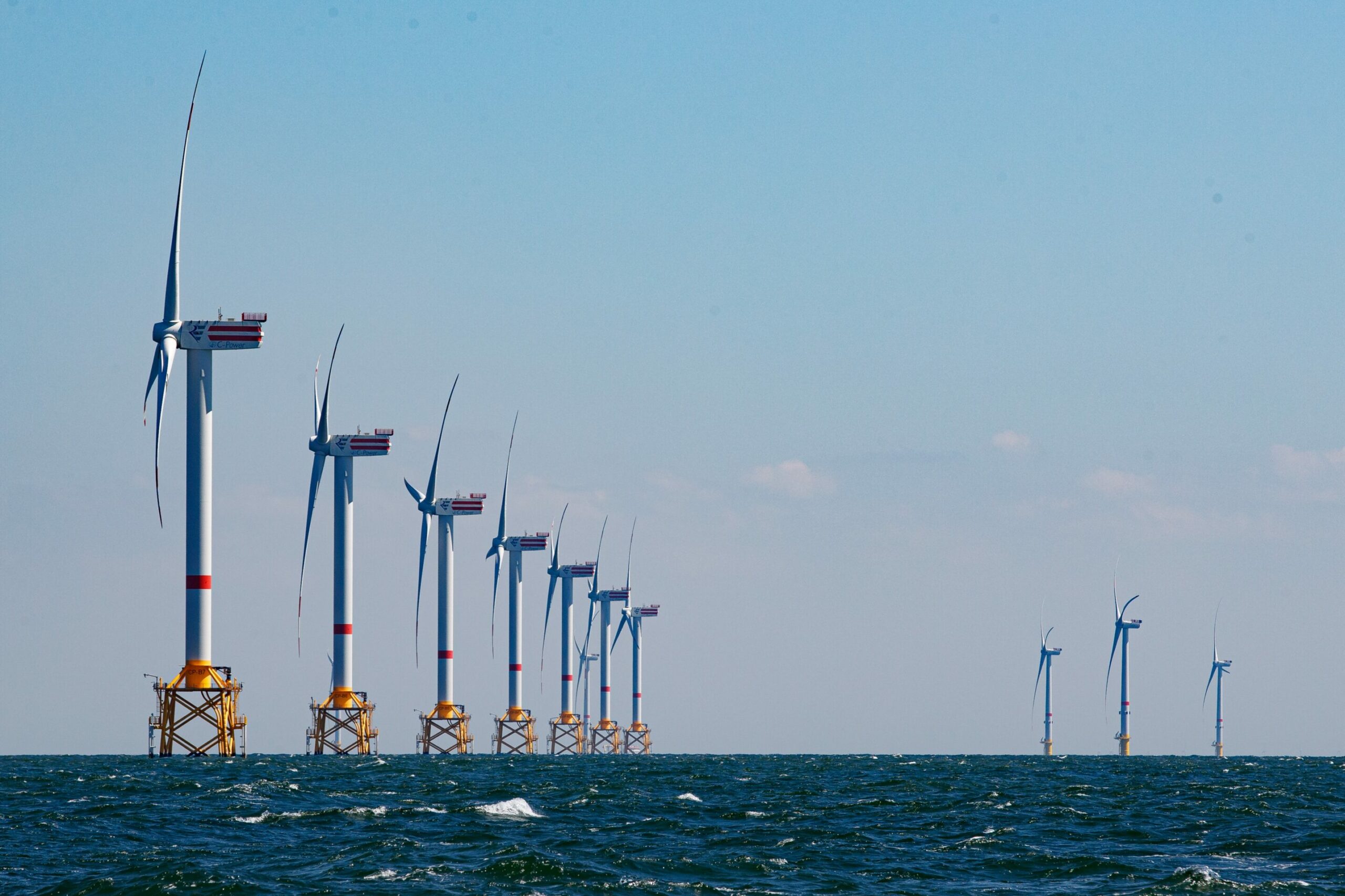
Illustration picture shows the visit of the base of the Modular Offshore Grid (MOG) with Elia in the north sea, Thursday 16 May 2019, near Oostende. Credit: Belga / Kurt Desplenter
What about costs?
The two nuclear power phase out scenarios (1 and 2), are most expensive solutions.
For the first scenario, the investments into intermittent sources such as solar and onshore wind must be paid off, the report argues.
In the second, just under half of Belgium's electricity would need to be imported from the rest of the North Sea.
With maximum wind energy coming from its offshore wind farms in the North Sea, Belgium would need to obtain nearly 40% of its electricity from neighbouring countries by 2050, a volume almost equivalent to the country's current annual consumption.
When it comes to Scenario 3's plans to build more plants, assuming that a 1-gigawatt nuclear power plant requires an investment of €7.7 billion, up to 8 gigawatts could be invested in Belgian nuclear energy by 2050.
However, these results depend on assumptions about the cost of capital-intensive technologies: in nuclear power, for example, a 150% increase in capital costs reduces the optimal capacity to 5 GW by 2050.
If the cost of a new nuclear power plant reaches €25.7 billion, the technology would lose its financial benefits, the FPB argues.
The optimal mix in terms of costs would therefore be diversified.
The ethics of using nuclear energy
The use of nuclear energy is also noted to have other social and strategic considerations, notably geopolitical and environmental.
Using nuclear power means importing nuclear fuels such as uranium, which increases Belgium’s dependence on other countries compared to scenarios that exclude this option.
Up until 2021, Belgium imported uranium from Russia, but now buys it from allies such as Canada and Australia.
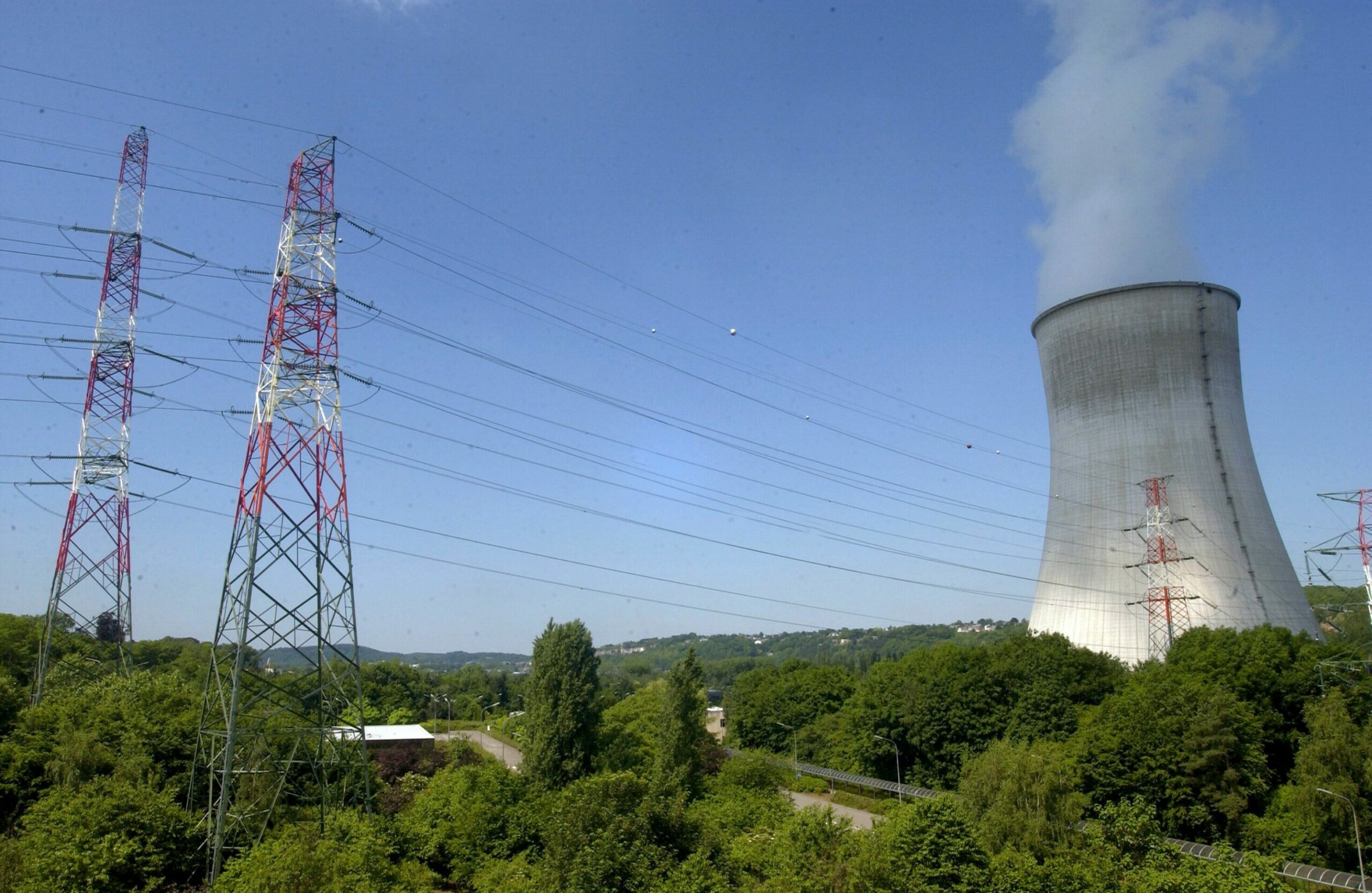
Illustration picture shows smokes coming out the towers of the nuclear power central (station - plant) of Tihange. Credit: Belga
Delays and cost overruns could also to be expected for new nuclear power plants, according to estimates reported in L'Echo.
Another concern with nuclear energy is the issue of disposing of nuclear waste. The report argues it is extremely hard to estimate the costs associated with this process.
Broader external costs, such as those related to environmental impacts, public health, geopolitical considerations or social acceptance, were not explicitly taken into account in the report.
"In this respect, it is important to take into account not only costs, but also strategic dependence," says Baudouin Regout, Commissioner at the Federal Planning Bureau.
"It is therefore important that the public authorities start thinking today about the choices they want to make, as the transition will take several years."
