
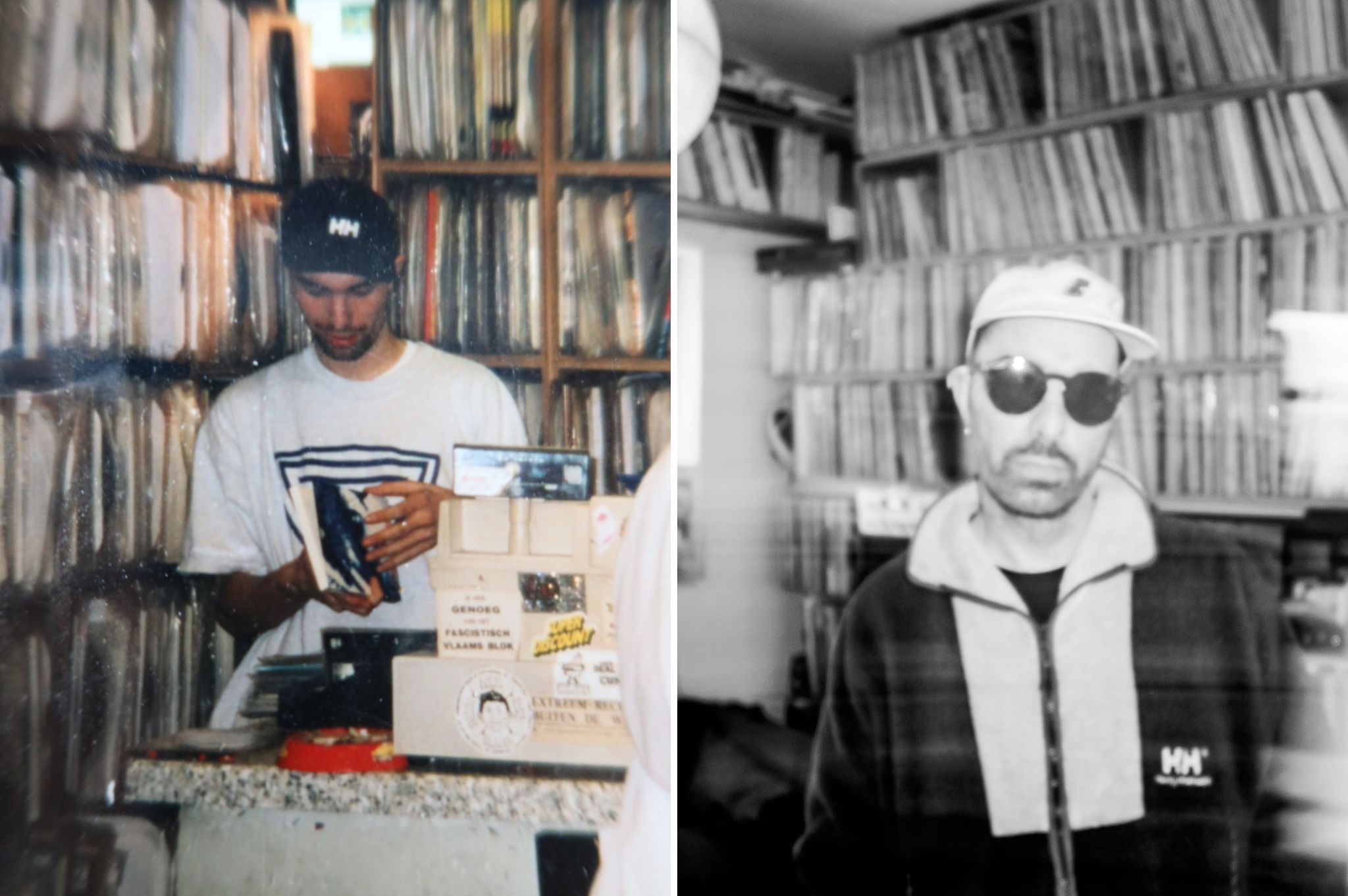
Few DJs stay on the cutting edge for 30 years, but this November, Brussels’ Lefto Early Bird will be celebrating three decades as one of the country’s leading DJs with a special evening at Ancienne Belgique.
He may not have the recognition of Belgium’s mainstream techno exports Amelie Lens or Charlotte de Witte, but if there were a prize for the country’s most influential spinner, the loquacious 49-year-old would be a frontrunner.
Cult music magazine FACT! has called him “your favourite DJ’s favourite DJ”, a nod to his global reputation. He has played with the likes of J Dilla, Floating Points, US pianist Robert Glasper and Canada’s BadBadNotGood. He appears around the world with regular gigs as far afield as the US, Japan and Korea.
Born Stéphane Lallemand in Anderlecht to French- and Dutch-speaking parents, his DJ name Lefto comes from a tag he used as a graffiti artist. It’s a pun on the French for early riser (“lève tôt”). He sometimes styles himself as LeFTO or LeFtO.
He arrives for the interview on an expensive bike at the Kiosk, a wooden shed in the Parc Royal, where he has a regular DJing slot. Speaking excellent English with a slight American lilt, Lefto calls himself an “underground DJ.” He has never held a regular club night, yet that label undersells him.
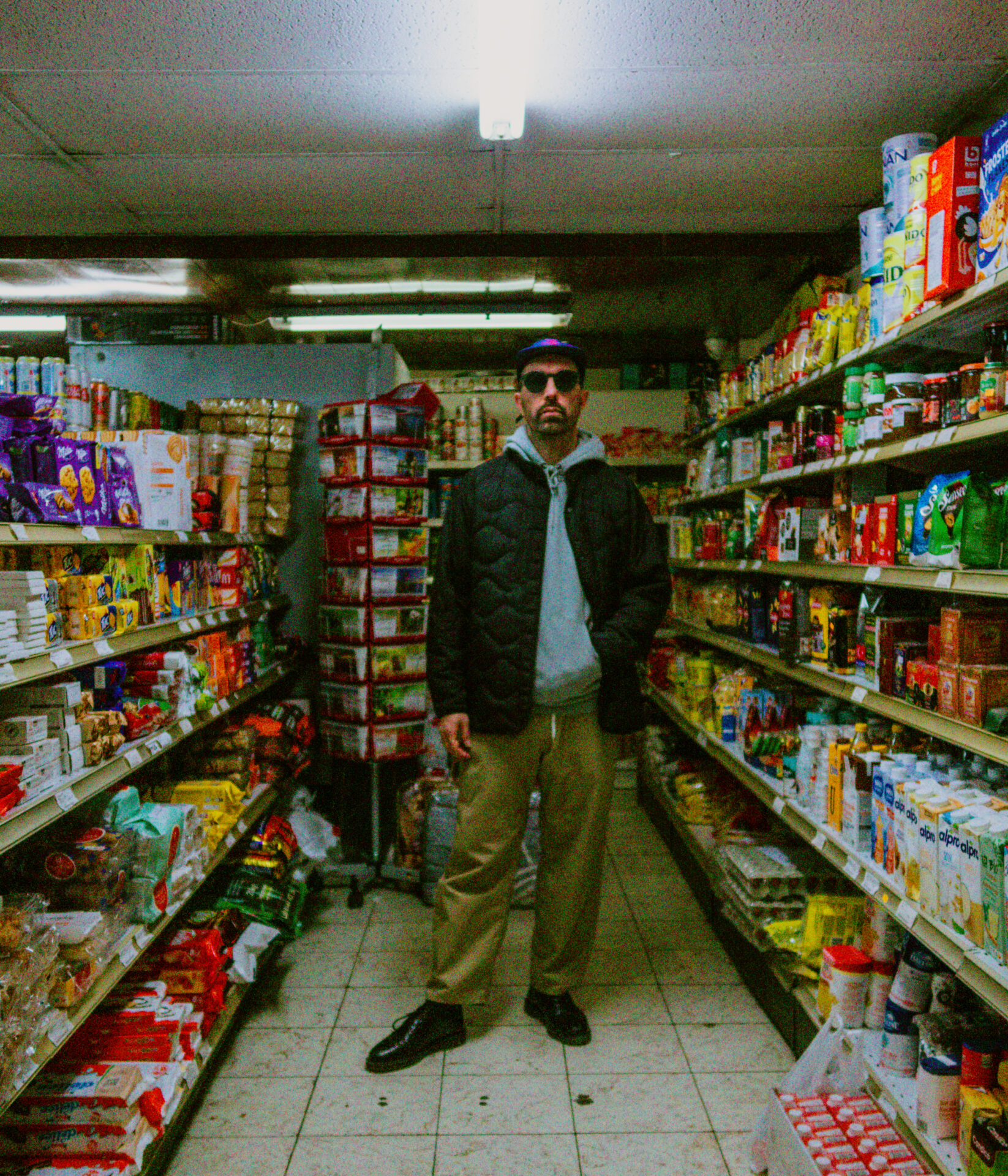
Brussels' Lefto, DJ, vinyl collector and radio host whose career spans 30 years. Credit: Yaqine Hamzaoui
He has been one of Belgium’s most influential tastemakers, helping to establish hip-hop in a country where it barely existed. He had the longest-running show on Flemish music station Studio Brussel, and his regular sets at Dour festival and Kiosk Radio in the Parc Royal draw fans from across Brussels and Europe.
To understand why he matters, listen to his three-hour set from this year’s Horst festival. Where other DJs might stick to one genre, Lefto roams: soul, R&B and jazz segue into dancehall reggae, grime, samba, and Middle Eastern funk. Techno – Belgium’s dominant export – is conspicuously absent. Although he does play techno as well, it is not prominent in his bag, as he finds some of it a bit soulless. His sets, by contrast, are brimming with warmth and surprise, the work of a DJ who refuses to be boxed in.
After-school practice
Lefto says he fell in love with hip-hop in his early teens and started DJing a few years later. “I would practice at my friend's place after school, learning to DJ because he had the turntables”, he says. He started at end-of-term school parties before getting behind the decks at places like VK in Molenbeek and Botanique’s Witloof bar.
His reputation as the go-to guy for hip-hop grew, and he began working for the Music Mania record shop in Ghent in 1997, managing their hip-hop selection, as well as playing gigs in the city. Two years later, he started his award-winning show on Studio Brussel, which ran for more than two decades.
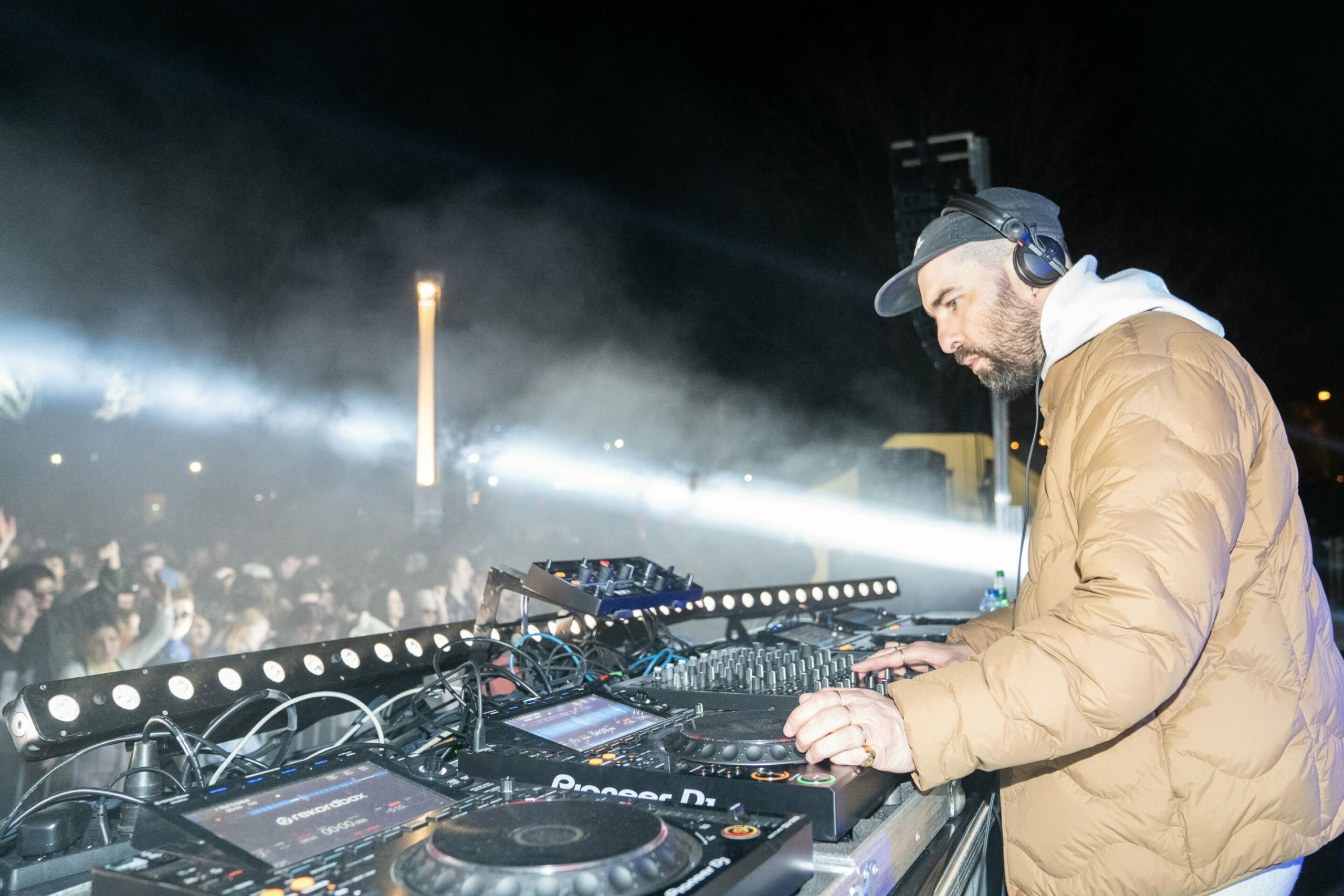
Dj Lefto pictured during the benefit festival 'UnitedForUkraine' organised by Brussels nightclubs, events sector and festivals, in Brussels, Thursday 10 March 2022. Credit: Belga
The show helped bring about his friendship with fellow DJ Giles Peterson, a music maven and inventor of the term “acid jazz”. The two met in 2007 when Lefto was putting on regular student nights in Ghent. Peterson, in town to play a set, heard his show and when he found out that Lefto was playing that night, he came along. The two have been friends and collaborators ever since: Peterson invited Lefto to play at his Worldwide music festival, held in the southern French city of Sete, and he has been a regular feature there ever since.
Segue into jazz
Around the early 2000s, sensing the hip-hop scene becoming less creative and dominated by big-name acts on major labels, Lefto shifted his focus to pursue his long-standing interest in jazz.
He explains that his father listened to jazz classics like Stan Getz when he was young. The switch was an organic one as the hip-hop artists that he loved had been sampling jazz licks for their records, especially creators such as Madlib and J Dilla.
Record companies with huge back catalogues saw the potential to introduce a younger record-buying public to their artists. California’s Madlib, seen by many as one of the greatest hip-hop producers, made an album, Shades of Blue, for fabled US jazz label Blue Note in 2004, remixing some of the record company’s greatest music.
The success of the project led Blue Note to look for other DJs to produce similar albums. They contacted Lefto and his radio station mate, Belgian DJ Krewcial, and they produced a remix album in 2005 called Out of the Blue. Lefto explains that his father died shortly before the album came out, and regrets that he never saw his son’s first album come out on the jazz label.
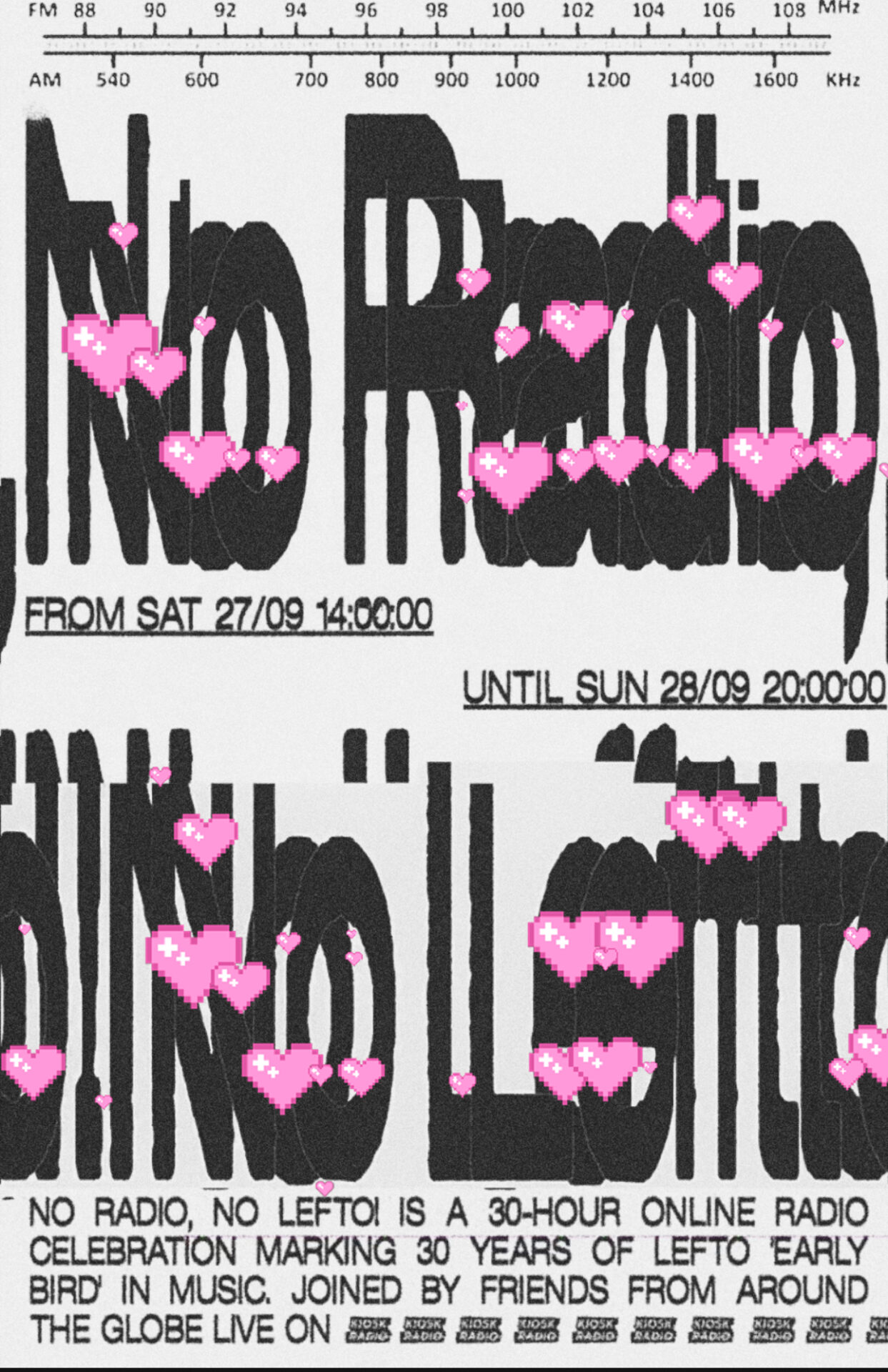
No Radio No Lefto, a 30-hour DJing marathon at Forest Park celebrating Lefto's career
After quitting Studio Brussel in 2020, Lefto began a regular slot at Kiosk Radio, a station that broadcasts from a hut in the Forest Park and has won listeners from around the world with its mix of local and international DJs and a panoply of different styles. Lefto says his Kiosk sets “allow me to see my audience”. On a good day, hundreds flock to hear his selections.
Looking back, he cites his 2016 Boiler Room set as a career highlight — a cathartic night just one week after the Brussels terror attacks. Now, as he prepares for his 30-hour marathon at Kiosk Radio on Saturday (27 September) and his show at Ancienne Belgique on 30 November, Lefto seems more reflective than nostalgic. The celebration, he says, is not just about marking his career but about paying tribute to the culture he has championed: music that began in the streets of New York, found a home in Brussels, and continues to ripple out across the world with his unmistakable touch.
