
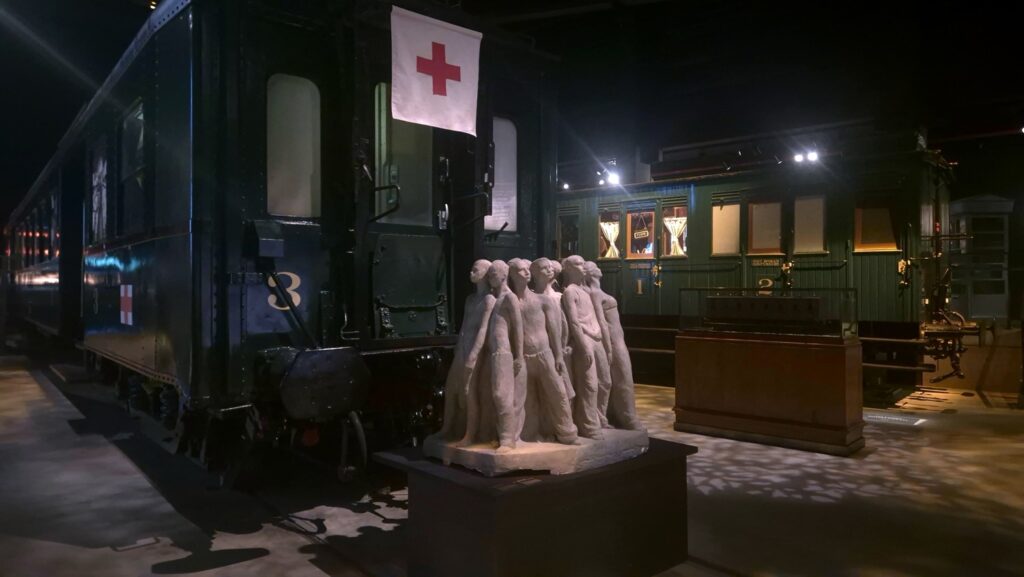
Train World, the SNCB-owned museum, has opened a new exhibition examining the Belgian national railway’s role during the Second World War, exploring its complex position between collaboration and resistance.
The exhibition, titled "SNCB, Occupied Company: Between Collaboration and Resistance," seeks to shed light on a dark chapter in SNCB's history, aiming to ensure these events are never forgotten.
Created in partnership with institutions such as Kazerne Dossin, the War Heritage Institute, CegeSoma, the National Museum of Resistance, MNEMA, and the Cité Miroir Foundation, the exhibit delves into the railway’s situation under Nazi occupation.
The exhibition traces SNCB's story from before the German invasion of Belgium in 1940 to the country’s liberation in 1945.
During this period, the SNCB, as Belgium’s largest employer and a key player in transportation and industry, fell under German control.
The Nazis used its trains to transport soldiers, weapons, political prisoners, and deportees bound for Germany or the Eastern Front, including Jews to their death in Auschwitz.
The gradual and all the more violent segregation process, abetted, particularly in Antwerp by the local administration, resulted in the deportations of 25,250 Jews and 352 Roma from Belgium, in 26 train transports from former military barracks in Mechelen to the death camp in Auschwitz.
The last one was on 31 July 1944, just days before the liberation of Belgium.
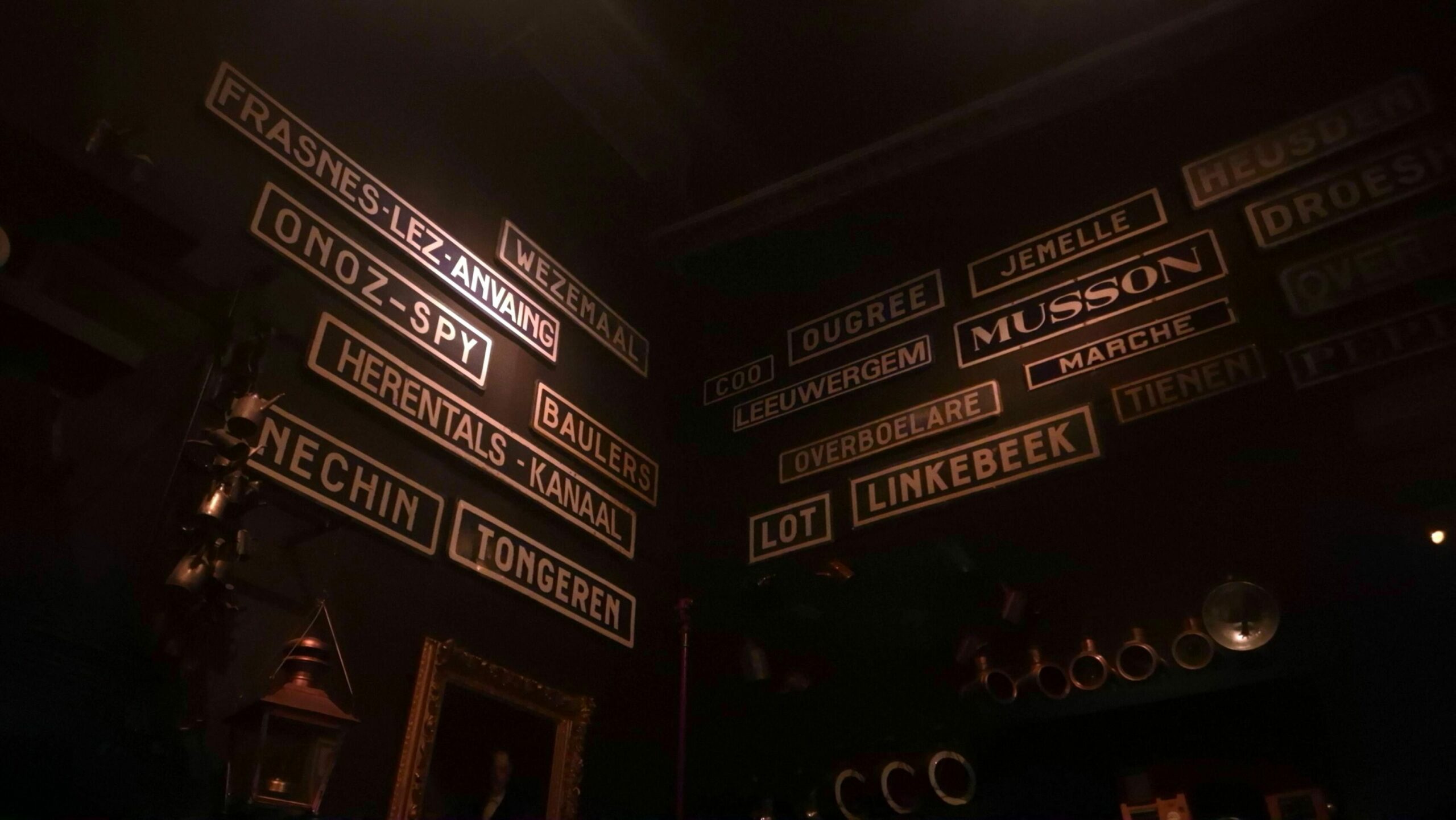
Picture of the new exhibition of Train World museum on the Nazi occupation. Credit: Belga
Train World director Thierry Denuit highlighted the nuanced position of SNCB during the occupation. "The story of SNCB is one between collaboration and resistance," he said.
"Large sections of the exhibition are devoted to the deportations and the railway workers' activities against the Germans. It’s a 'grey story' reflecting the complexities of the era."
The project was spurred by a scientific study led by Nico Wouters and CegeSoma into SNCB involvement in wartime transport and deportations.
Belgium's railway operator made its archives accessible and issued public calls for witness testimonies and private documents to contribute to the research.
SNCB and Kazerne Dossin emphasise the importance of confronting this difficult past to preserve collective memory for future generations.
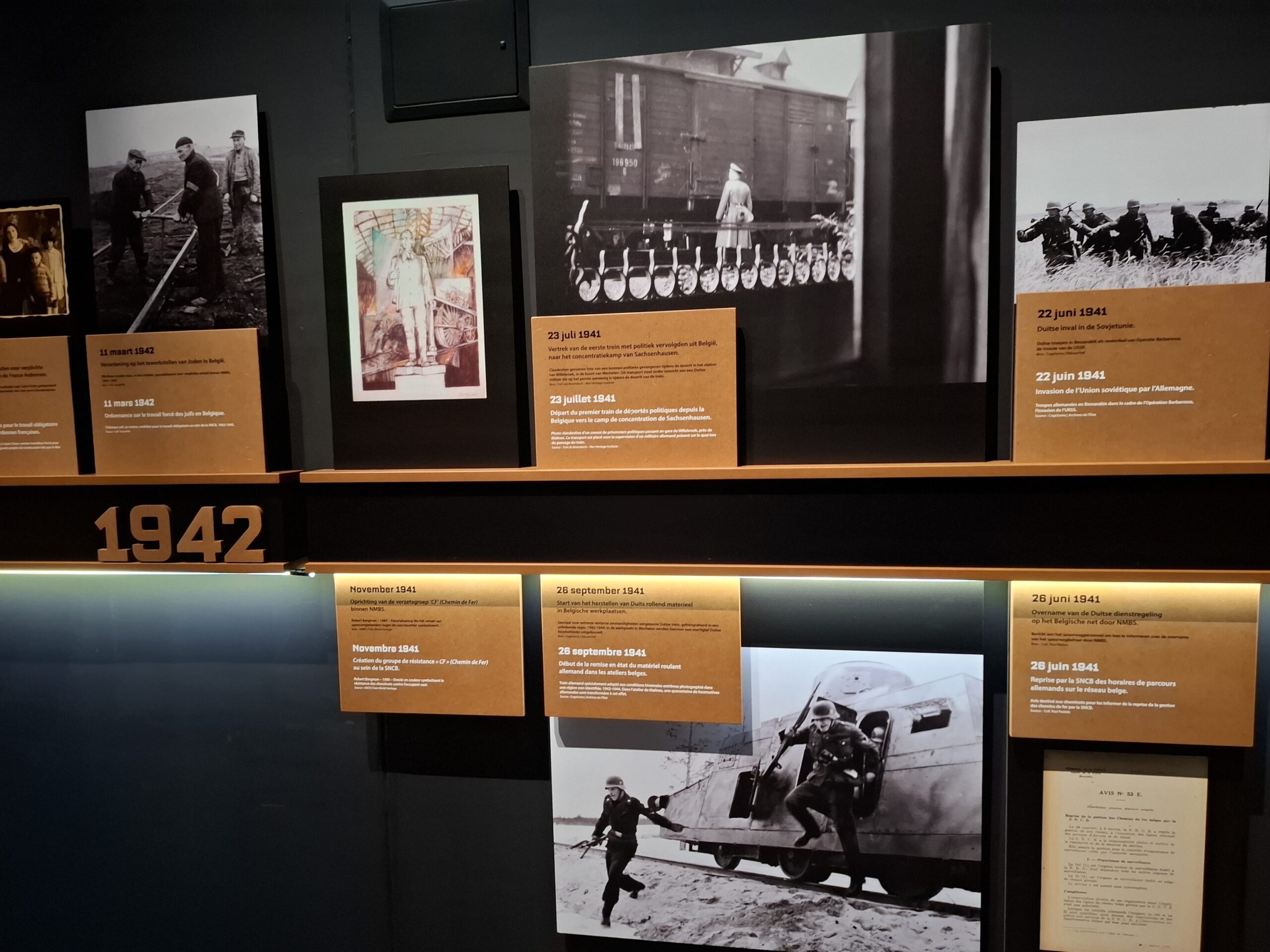
Picture of the new exhibition of Train World museum on the Nazi occupation. Credit: Belga
Already, 300 school classes from across Belgium plan to visit the exhibition.
Through educational materials, students are encouraged to reflect on individual and corporate responsibilities during such periods, according to Denuit.
The exhibition is free for young people under 18, including school groups.
