
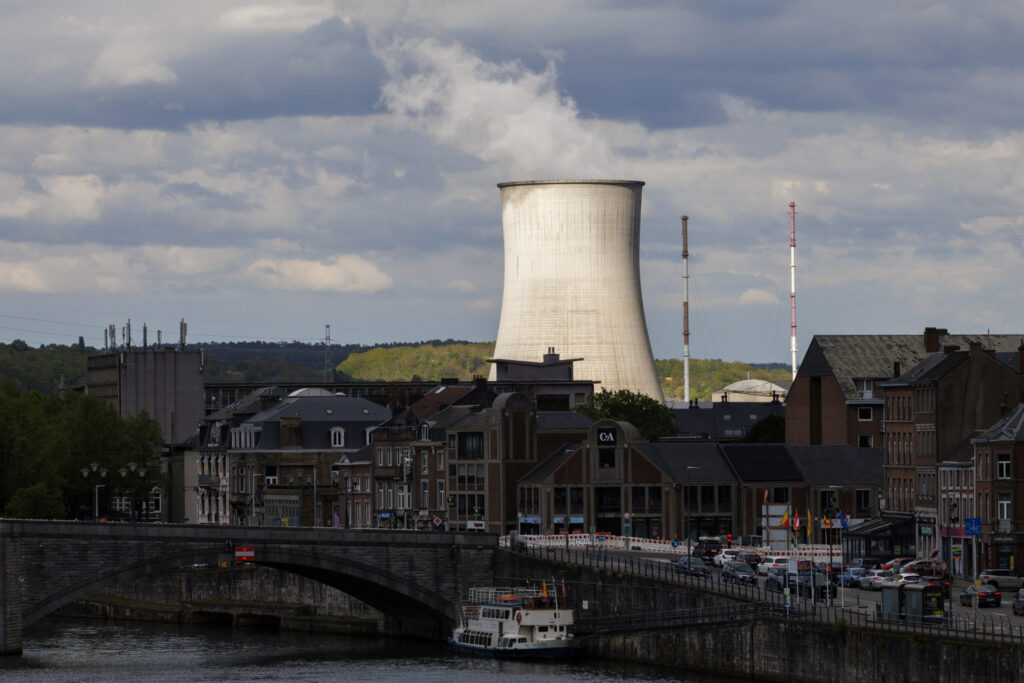
On Tuesday evening, Belgium’s Tihange 1 nuclear reactor will be shut down after 50 years of generating electricity, though the government hopes this isn’t its final closure.
Tihange 1 will be the fourth Belgian nuclear reactor retired, following Doel 3, Tihange 2, and Doel 1, all of which have already been permanently shut down. Doel 2 will follow in late November. Only two reactors—Doel 4 and Tihange 3—are set to remain operational until 2035, following a 10-year extension.
Construction of Tihange 1 began in 1969 near the Meuse River in Liège, and it started generating electricity in 1975.
Originally, the facility—co-owned by Engie and EDF Belgium—was scheduled to close in 2015. However, due to concerns over energy supply, its operation was extended until 2025. The reactor currently has a capacity of 962 megawatts.
Tonight, operators in the control room will bring the reactor offline and disconnect it from the high-voltage grid, marking the start of its shutdown phase.
This shutdown phase involves preparations for decommissioning. The reactor will be unloaded, and the spent nuclear fuel will be cooled before being transferred to temporary storage. The process also includes chemical cleaning of the primary circuit, with all these steps expected to take several years.
The full decommissioning phase is planned to commence in 2028 and could last until 2040. Key tasks will include dismantling the reactor vessel.
However, the Belgian government hopes to delay these plans. It has asked Engie not to perform any irreversible decommissioning work, as discussions about extending Tihange 1’s operational life are ongoing.
The feasibility of such an extension remains uncertain. Engie has repeatedly stated it is not interested in operating additional nuclear plants beyond Doel 4 and Tihange 3. Keeping Tihange 1 active would require significant investment, including a costly upgrade and a mandatory 10-year safety review.
There are also concerns about grid capacity in the Liège region, where two new gas-fired power plants are being built. High-voltage network operator Elia conducted an impact analysis, concluding that an extension of Tihange 1 from 2027 would be technically possible but could cause grid congestion until structural upgrades are completed.
The analysis suggests that congestion could be managed through curtailment measures, though these would come with costs. According to Elia, these costs might be justified when weighed against the broader implications of either extending or retiring the reactor.
