

Some of the most life-saving medicines in health care don’t come from laboratories — they come from people.
Plasma-derived medicinal products (PDMPs), used to treat patients with rare and chronic conditions such as immunodeficiencies, bleeding disorders, neurological conditions and others, as well as everyday medical situations such as burns, surgery, pregnancy, and more, rely entirely on one starting material: human plasma.
Unlike most pharmaceutical ingredients, plasma cannot be manufactured in a laboratory. It can only be donated voluntarily by healthy individuals. This makes plasma unique — and indispensable. For thousands of patients across Europe, plasma-derived therapies are not optional. They are essential for survival and must be available continuously throughout their lives.
Despite the strength of its health systems, Europe does not collect enough of its own plasma. Nearly 40% of the plasma used for European treatments is imported from the United States. This dependency is not about safety — which is already assured — but about supply security. Relying heavily on imports poses a clear vulnerability. Any disruption in global supply could leave European patients without the therapies they depend upon.
This is why ongoing policy developments in Brussels — particularly the forthcoming Critical Medicines Act — will play a crucial role. If Europe is serious about its health security and open strategic autonomy, the legislation must recognise the diversity of pharmaceutical supply chains; it shall distinguish between traditional pharmaceuticals and plasma-derived medicines. PDMPs rely on a fragile, time-intensive, human-based supply chain that cannot be replaced by manufacturing capacity alone. Plasma-derived medicines have a relatively short shelf-life and cannot be stockpiled in the same way as chemical drugs.
Treating PDMPs with a one-size-fits-all approach would risk undermining the very supply security the legislation seeks to achieve. Policies must be grounded in the realities of pharmaceutical supply, recognising the unique dependence of PDMPs on regular plasma donation and highly specialised production cycles. Patients’ continuous needs must remain the central priority.
Achieving European plasma sufficiency is not an abstract policy goal — it is an urgent imperative. European patients should not have to wonder whether the therapies they rely on will remain available due to circumstances beyond the Union’s borders. Encouraging more citizens to donate plasma regularly and creating systems that make donation accessible and valued will be key.
Public-private coexistence and collaboration must also be part of the solution. Across Europe, plasma is collected by both public health systems and private sector organisations. Too often, however, these efforts operate in parallel rather than in partnership. Countries that allow regulated modest compensation for donors have demonstrated that can secure reliable, healthy donors without compromising safety or quality — a fact acknowledged by the European Medicines Agency’s Committee for Medicinal Products for Human Use (CHMP).
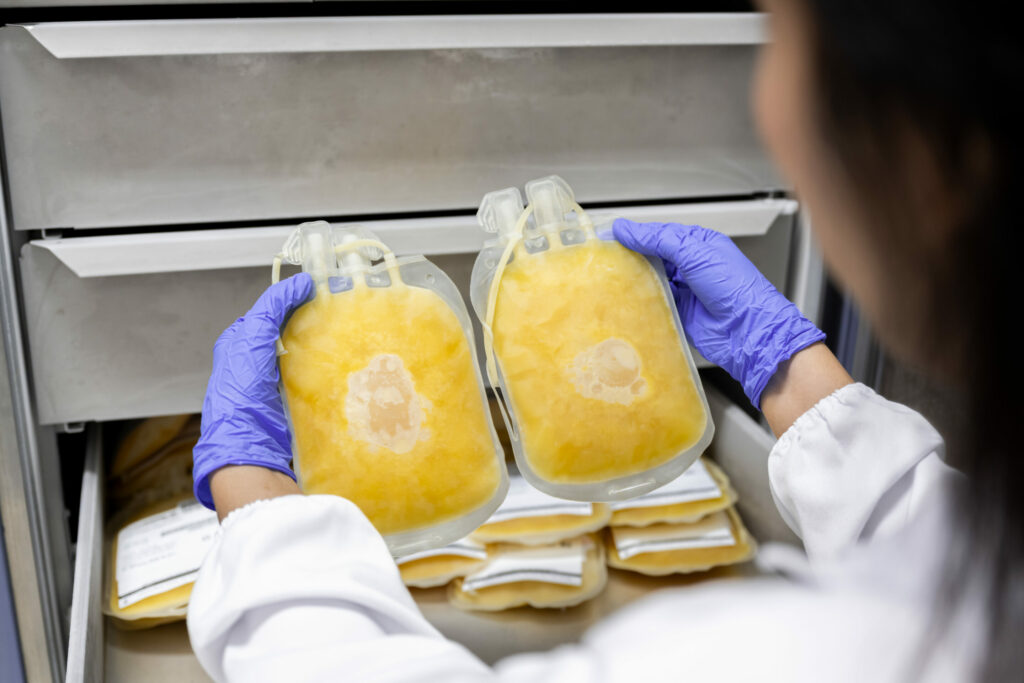
This week, International Plasma Awareness Week (IPAW) offers the perfect moment to reset Europe’s approach. While most Europeans recognise the importance of blood donation, far fewer understand that plasma donation is equally vital — and often even more urgently needed. Awareness must catch up with medical reality.
IPAW is more than a symbolic milestone. It is a reminder that Europe’s strategic autonomy in healthcare depends on its citizens. Every litre of donated plasma contributes directly to the production of medicines that cannot be replaced. Every donor becomes part of a supply chain that saves lives.
The clinical need for plasma-derived therapies continues to grow. Immunoglobulin use, for example, has nearly doubled over the past decade due to better diagnostics and expanded treatment indications. Without consistent contributions from regular donors, Europe risks facing shortages.
Meeting rising patient needs will require boosting collection through all available models — public, private, and collaborative. Governments should recognise the value each sector brings, adopt policies that support donor education, recruitment, retention, and safety, and foster collaboration to build a robust and sustainable plasma supply chain.
Europe has the collective capacity to reach plasma sufficiency — with both public and private sectors contributing trusted systems, proven expertise, and essential infrastructure. But capacity alone is not enough. What is needed now is urgency and coordination, from policymakers, healthcare systems, public and private actors and citizens alike.
No patient should have to wonder whether their next treatment will arrive. Not this week. Not ever.
For more information, visit www.plasmaweek.org.

