
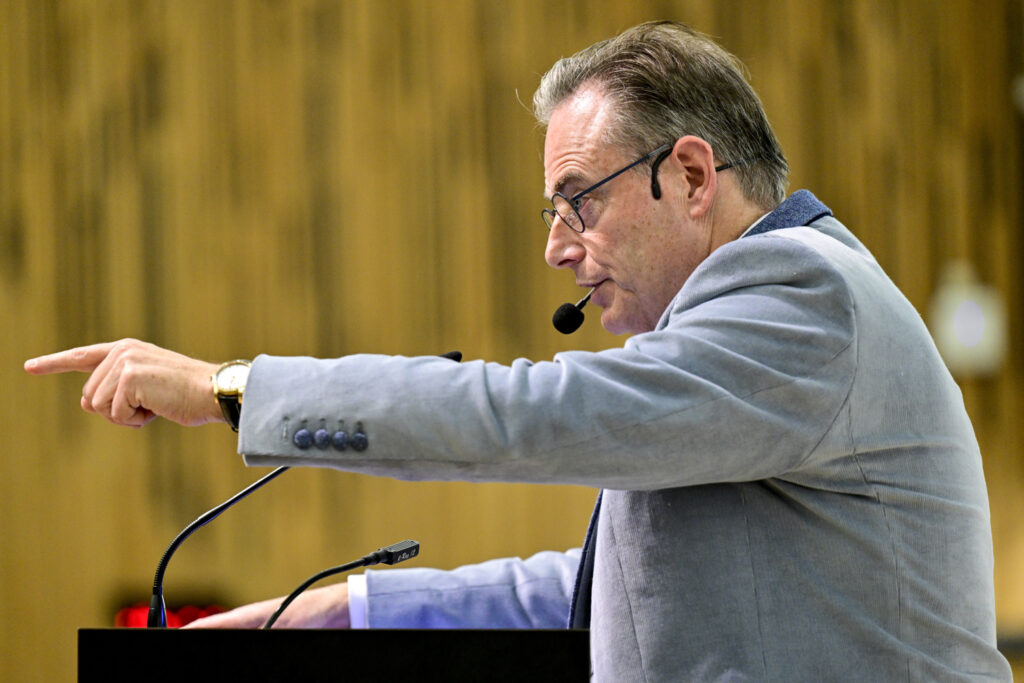
Prime Minister Bart De Wever (N-VA) has proposed a wage indexation freeze to his coalition partners as part of efforts to find at least €10 billion in budget savings, sparking significant opposition within his government.
The proposal, reported by Het Laatste Nieuws on Wednesday, would directly impact household incomes by suspending automatic wage increases despite rising living costs. The measure aims to boost businesses and stimulate economic growth.
The Federal Government is set to meet today to discuss budgetary challenges, with a target of saving at least €10 billion by 2030. De Wever highlighted this need during a political science lecture at Ghent University on Tuesday.
In recent days, the Prime Minister held individual meetings with his deputy prime ministers to explore ways to stabilise the budget. During these talks, he raised the idea of an indexation freeze, known as an “indexsprong.”
Cold shower
The proposal faces stern resistance, particularly from coalition partners Vooruit and CD&V. Vooruit leader Conner Rousseau dismissed the idea outright.
"The index protects people’s purchasing power. When life becomes more expensive, your income increases. That’s what makes the difference for those struggling to pay their bills," Rousseau said.
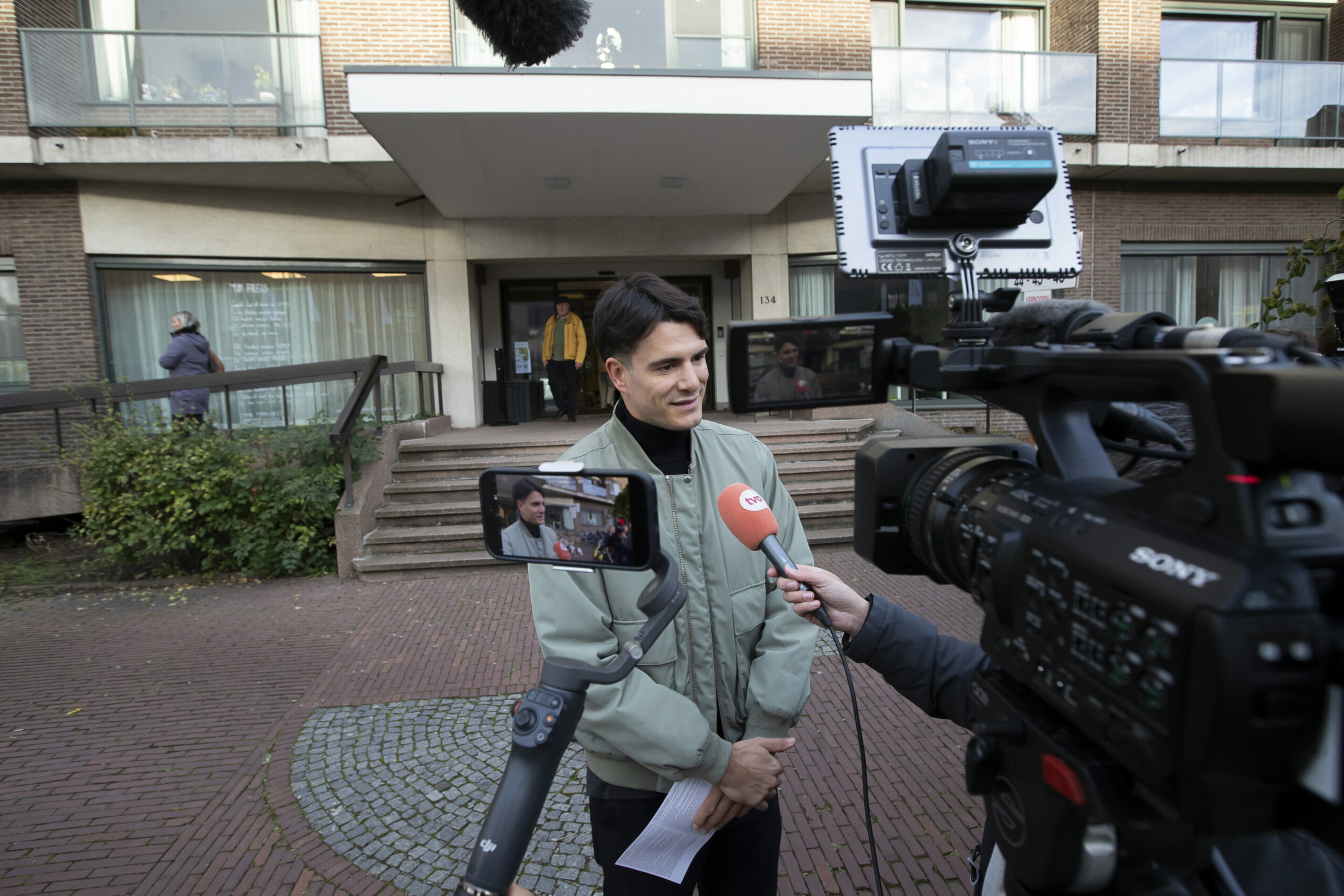
Vooruit's Conner Rousseau in Sint-Niklaas, 13 October 2024. Credit: Belga
"Responsibility means distributing efforts fairly. There are other ways to improve the budget."
Similarly, CD&V leader Sammy Mahdi rejected the plan as "unacceptable". He argued, "A wage freeze is nothing more than punishing working people to benefit big companies. On top of that, it contributes very little to the budget in the short term."
Mahdi also emphasised his party’s commitment to safeguarding workers’ purchasing power during government negotiations.
"CD&V fought to preserve the tax reduction on wages and their indexation throughout the discussions. That principle must remain intact. The budget can be balanced without forcing workers to shoulder this burden while funnelling money to large corporations," he concluded.
Appearing on La Première (RTBF) that same morning, MR's Deputy Prime Minister David Clarinval indicated that the savings target ‘is still under discussion’.
Curiously, 10 billion was stated as the target by De Wever, while 20 billion was put forward by MR.
"We want to meet European targets without stifling the country's growth,’ he summarised. MR "is proposing a mix of reduced spending and a parallel growth strategy".
To reduce spending, it is looking at "significant overspending in social security", particularly expenditure on "fake" long-term sick people.
As for the growth strategy, it involves, for example, "anticipating tax reform to increase purchasing power", reducing social security contributions, and "having a more ambitious energy standard, thereby reducing electricity costs for energy-intensive businesses".
