
Hundreds of Airbnb hosts in Brussels are filing complaints with the regional tax authorities after receiving unexpected fines this summer.
Around 2,000 people running an Airbnb tourist accommodation in the region received a letter accusing them of two offences: failing to register their establishment with the Brussels tax authorities and failing to pay the tax applicable to tourist accommodation.
Many of the recipients were unaware that they had not fulfilled their regional tax obligations. "Getting a €1,000 fine out of the blue feels very unfair," Aline (37), who puts her spare room on Airbnb two weekends a month, told The Brussels Times.
"I was not dodging taxes on purpose, I just didn't know about the rules. I did not realise that I needed to tell the regional authorities that I rented out one of my rooms every once in a while."
When asked if she knew she had to pay the tourist tax to the city, she said she only learned when she received the letter with the fine. "I have never received any information, not from Brussels and not from Airbnb either," said Aline.
Thousands of euros
To identify unregistered hosts, the Brussels tax authorities asked Airbnb to provide them with data on operators who are active in Brussels, but the company initially refused to do so. Following a lengthy legal battle that went all the way to the European Court of Justice, the platform was ordered to transfer the data in 2022, which resulted in these fines being issued now.
Often unaware of regional legislation, many hosts suddenly learned that they had to pay several thousand euros: a €1,000 fine per unregistered room, plus retroactive payments of uncollected tourist tax of €3 or €4 per night (depending on the type of accommodation).
Additionally, in the absence of information on the actual occupancy of the accommodation, the Brussels Fiscality tax authorities based their initial calculation on an assumed rental period of 365 days per year.
However, owners were also given time to provide evidence of actual occupancy (such as Airbnb screenshots) to adjust the amount of tax – something which 750 hosts (38% of the total) did by contacting the authorities to adjust the number of overnight stays mentioned in their tax assessment notice.
Airbnb. Credit: Unsplash
In total, Brussels Fiscality issued 1,839 fines for failure to register a tourist accommodation establishment in 2022 – for a total amount of €2.6 million.
Many of the hosts decided to contest these penalties, arguing that they never tried to dodge taxes and acted in good faith.
"It is not a business model for me. I have my room on the platform for €55 per night, but I only make €45-48 after I pay the Airbnb fees," one host said. "The cleaning lady costs something like €30, so I don't really make money. But that is not my goal either, I just want to meet interesting people. I did not know I needed to do anything."
To date, 896 appeals have been lodged, Le Soir reports.
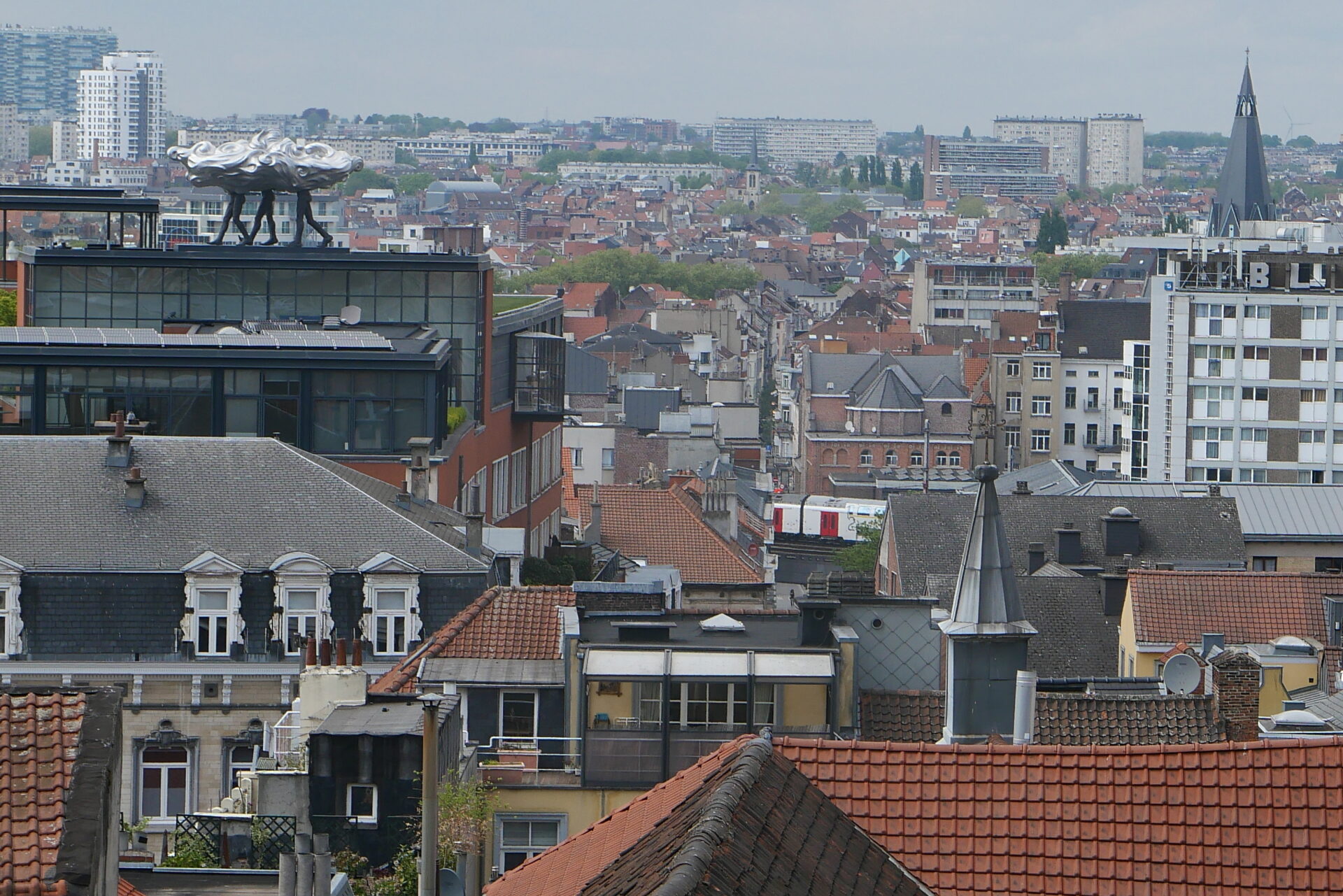
Central Brussels has a very high concentration of Airbnb listings. Credit: The Brussels Times
Due to the appeals and the ongoing campaign (the first letters sent out over the summer only concerned the situation for 2022, not the years since then), it is too early to estimate how much the Brussels Region would be able to recover as a result of these fines.
Meanwhile, Airbnb issued a statement saying that they stand by their hosts and pointing the finger at the Brussels authorities, citing the "complex" regulations for hosts in the Capital Region, which are based on rules dating back to 2014.
"Since then, local policymakers have shown little urgency in simplifying or strengthening the framework," a spokesperson for Airbnb Belgium told The Brussels Times over the summer.
Despite some hosts stating that they were not informed about certain obligations, Airbnb stressed that it "always informs hosts in Brussels of the need to comply with all applicable regulations when posting a listing on the platform".
What to do if you are an Airbnb host
Anyone who wants to legally rent out accommodation in Brussels via a platform such as Booking.com or Airbnb must register their accommodation (whether it is one room in their own home or an entire property) with the Brussels Economy and Employment agency.
For this registration, a number of documents are required, including an urban development certificate proving that the property may be used as tourist accommodation. This applies to self-employed people and businesses, but also to private individuals.
To get the required certificate, most aspiring Airbnb hosts have to apply for "a change of residential use" with the municipality – an often slow and complicated process. Nevertheless, running an unregistered tourist accommodation establishment is illegal, the Brussels Economy and Employment agency said.
This obligation is not being properly enforced; according to the 2023 annual report of visit.brussels, only 93 tourist accommodations and 172 recognised homestays are registered in the Brussels Region – a drop in the ocean compared to the 6,100 active properties offered on tourism platforms that same year.
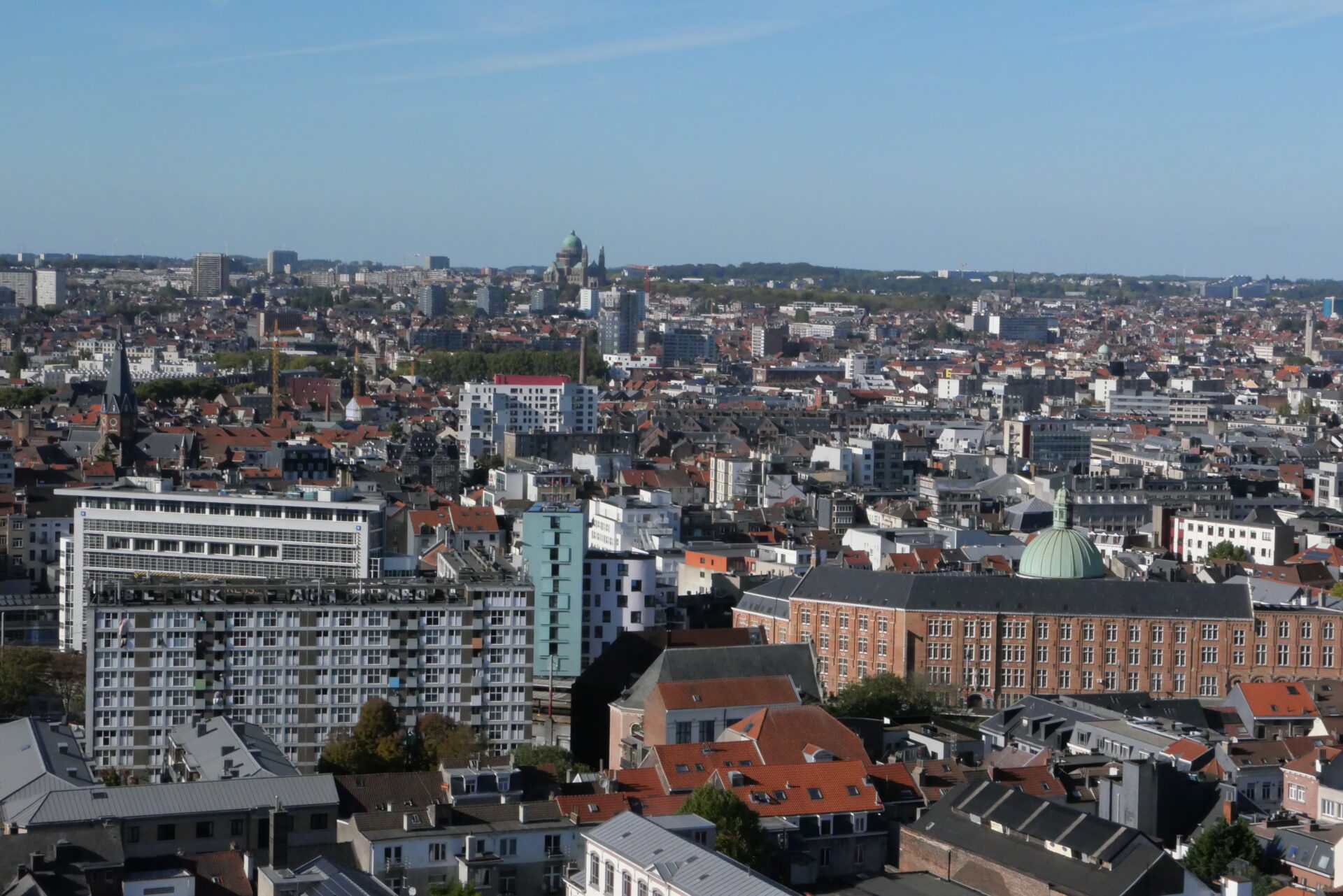
Brussels skyline. Credit: The Brussels Times/Orlando Whitehead
No large-scale registration took place this summer, despite the reminder from the Brussels tax authorities (which also mentioned the obligation to register in its letter issuing the fines). Between 17 July and 26 September, only 39 applications were submitted, according to Brussels Economy and Employment.
Since the summer, Brussels Fiscality has also been issuing regular reminders to hosts to register their accommodation in time and declare their monthly occupancy rate to avoid further fines.
As the Brussels authorities received numerous questions in early August, they published a list of frequently asked questions (FAQs) to help operators navigate their legislative obligations.
