
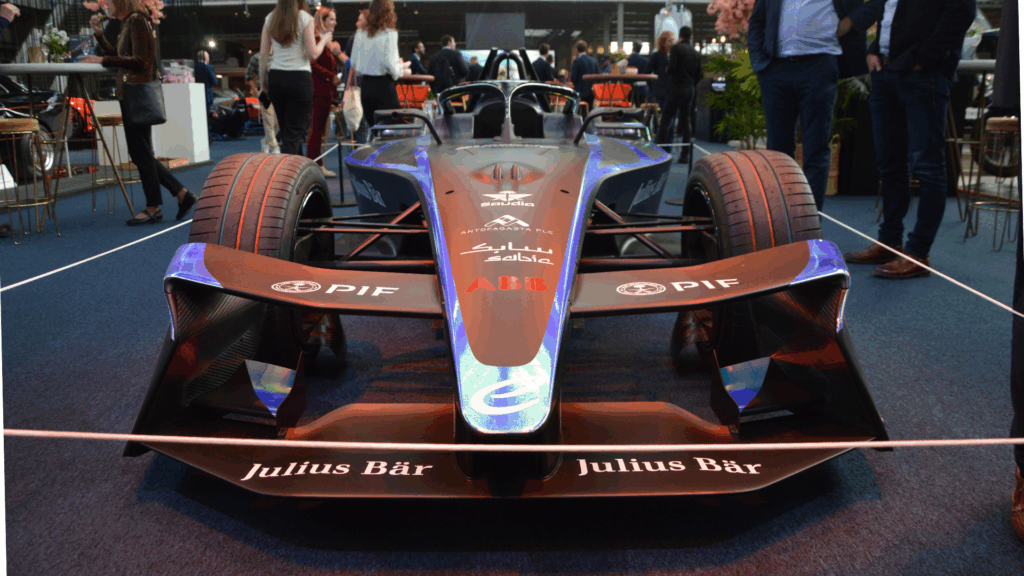
Just over a decade since the world's first all-electric motorsport was launched, Formula E still struggles to spark the interest of Belgians, according to Formula E CEO Jeff Dodds.
When the electric single-seater sport held its inaugural championship race in 2014, it left much to be desired. The batteries lasted for only half of the race, and it took 3.5 seconds for drivers to get to 100 km/h, a “not particularly impressive” number, says Dodds.
By the time he took over the reins of the sport as CEO in 2023, Formula E had moved far beyond what it was in the beginning. Today, the sport holds races in 11 locations, from Tokyo to London, and its cars now accelerate off the starting line faster than those in Formula One.
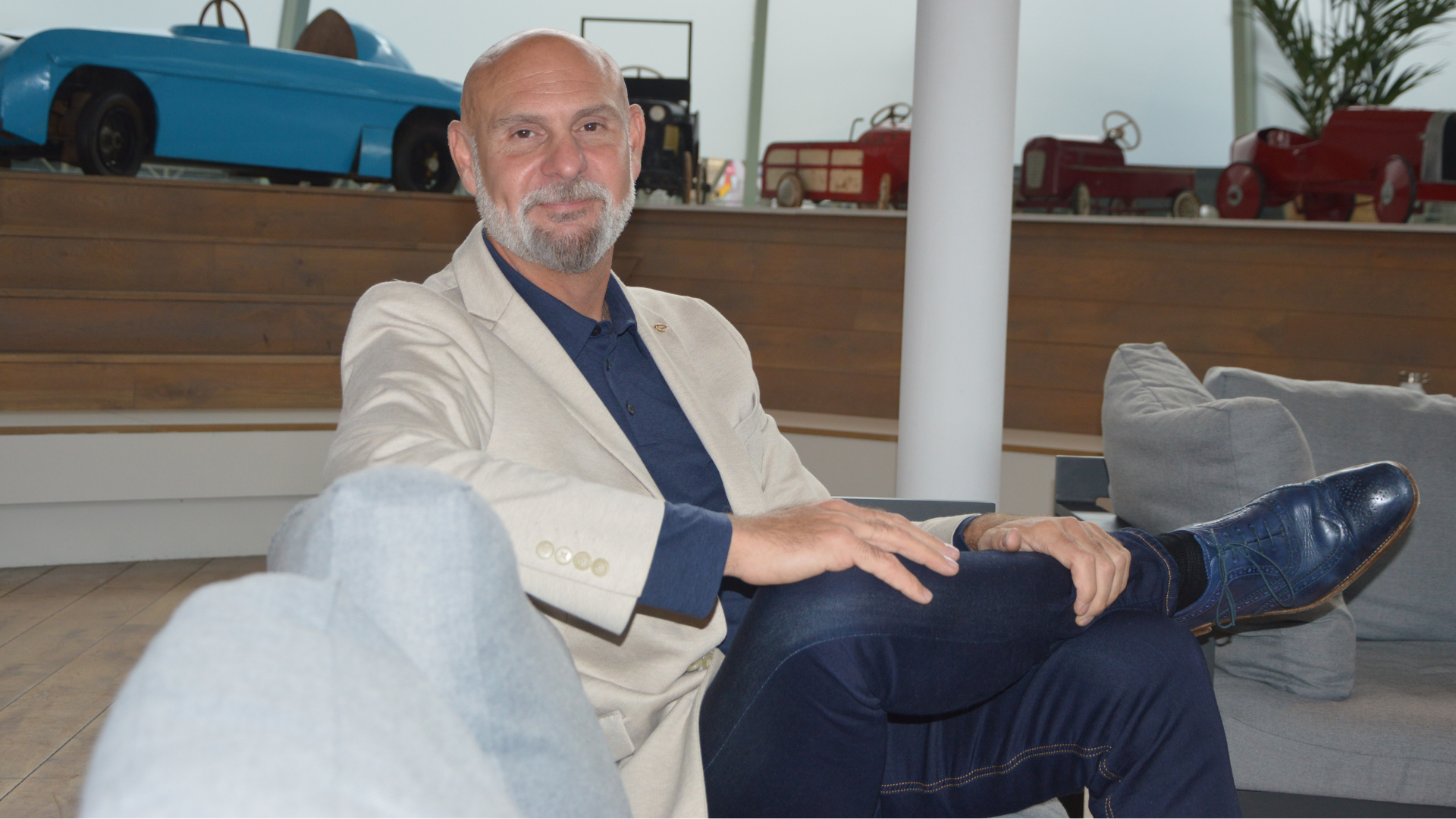
Formula E CEO Jeff Dodds at Autoworld in Brussels ahead of Liberty Global's event: 'Connected Futures: Accelerating Europe’s Innovation' on 23 September 2025. Credit: The Brussels Times/Rita Alves
The changes didn’t go unnoticed by the public. “We had zero fans on day one. Fast forward 11 years, we've got over 400 million fans around the world,” Dodds told The Brussels Times ahead of an event on Europe's innovation at Autoworld in Brussels.
'Racing with a clear conscience'
But the speed of the latest racing cars is not the only thing attracting new fans. “We have some people who just love racing and the close combat nature of our racing,” said Dodds. “Other people love the fact that it’s a software-driven, technology-driven racing series.”
For some, as it involves electric vehicles, the more sustainable nature of the sport is a plus. “They can enjoy the racing with a clear conscience,” he said.
Despite Belgium being represented in the electric races by former Formula One driver Stoffel Vandoorne, the sport hasn’t garnered much attention in the country.
For Dodds, this is likely due to the fact that Formula E doesn’t race in Belgium. “Where we have a race presence tends to be where our audience grows,” he said.
While Belgium will have to wait years to make it out of the “long list” of potential places for Formula E races, the sport will continue to grow. Like in many other industries, this involves Artificial Intelligence (AI).
'AI is a force for good'
Despite the widely reported negative environmental impacts of AI, Dodds believes it must continue to have a role in Formula E. “We are using it with a view to delivering social and economic benefit,” he said.
“The reality of AI is that it's omnipresent, so it's everywhere and it's ubiquitous,” explained Dodds. “To not use it and embrace it would mean we'll be irrelevant, so [Formula E] won't exist.”
For the CEO, “AI is a force for good”, depending on how it is used. An example, according to Dodds, is how AI is being used in Formula E to design 100% recyclable cars.
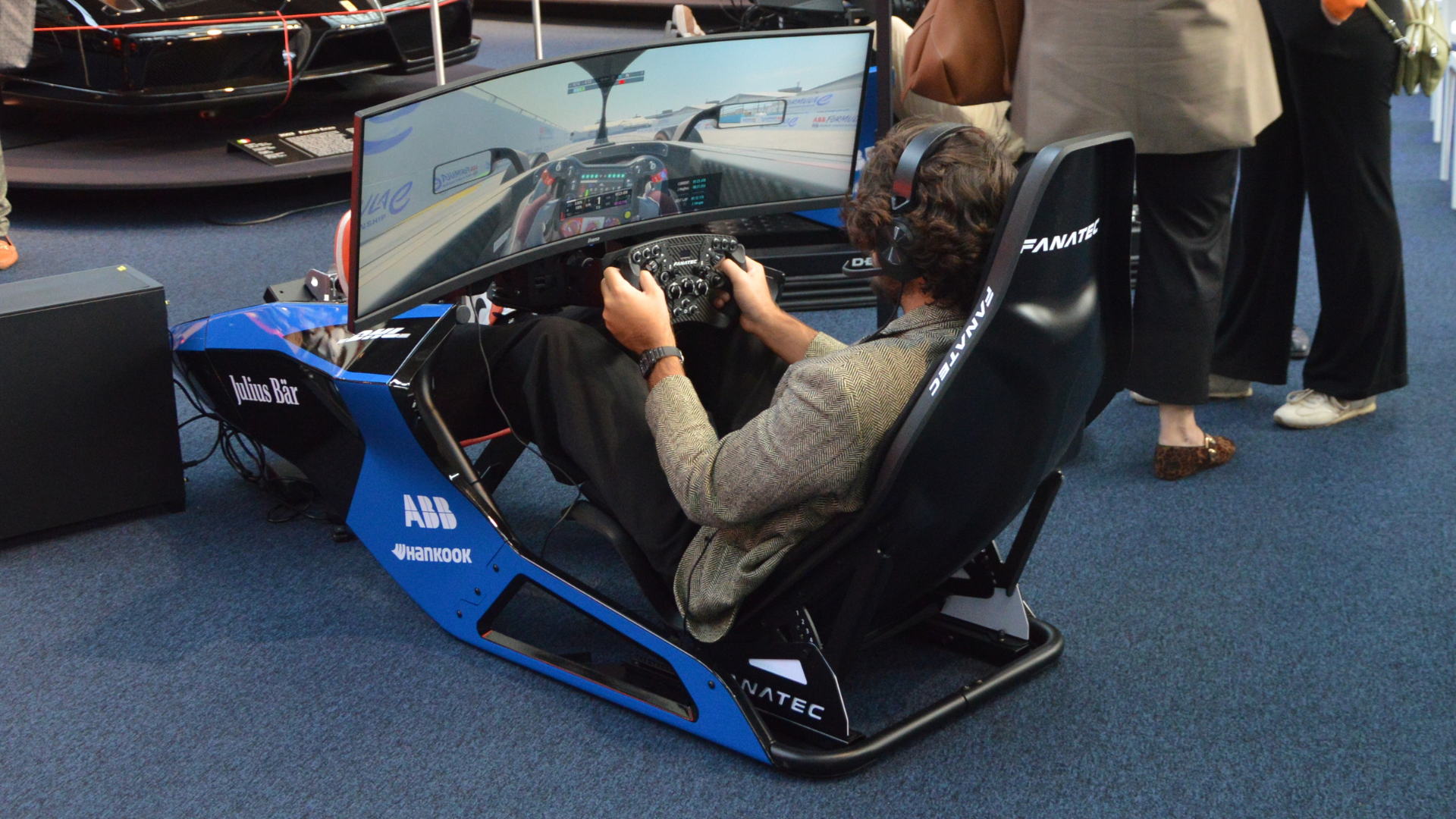
A racing simulator at Autoworld in Brussels on 23 September 2025. Credit: The Brussels Times/Rita Alves
In addition, in partnership with Google, Formula E has developed a driver AI agent, which Dodds says helps people from less wealthy backgrounds break into the motorsport world.
“You can put someone into a simulator, and the AI agent will coach them to try and accelerate their learning,” he said. “So it's trying to bridge years of not having the experience and the opportunity to drive fast cars to see their real potential.”
Faster than Formula One?
Since its conception, Formula E hasn’t quite been able to shake the comparisons to its fellow single-seater racing sport, Formula One. “We both have a formula at the start of our name. So we make it even easier for people to compare,” said Dodds.
Although he underscores that the differences between the two “are as big as the similarities”, he also welcomes the parallels drawn by the public. “Over time, the comparison will be a good thing for me, because people will be comparing much faster, much more innovative and technological cars than a Formula One car,” he said.
Nonetheless, the CEO, who grew up as a Formula One fan, highlights its role in driving forward motorsports. “A healthy Formula One is good for all motorsports. So when they're doing well and they're growing, that's great for me,” he said.
'Never say never'
While Formula E enters its 12th season, Dodds says fans can look forward to a new car launch in 2026 and expect more competitions in different places over the coming years.
Time will tell whether the new tech and innovation in the electric sport will be enough to drive the growth of the fanbase in Belgium.
“I think until we have a race here, it will be difficult to have a direct connection with the Belgians, but never say never,” said Dodds.
