The European Union will collaborate with G7 partners to develop a coordinated response to China’s recent restrictions on the export of rare earth technologies, the EU announced on Tuesday.
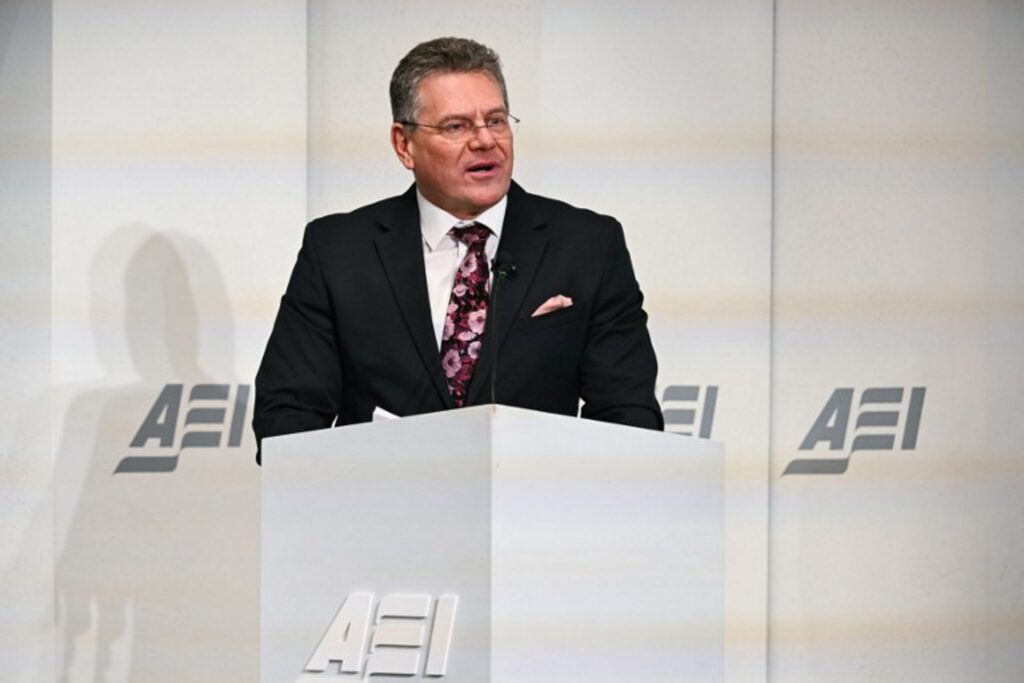
These restrictions have already forced some European companies to halt production, leading to significant economic damage, EU Trade Commissioner Maroš Šefčovič said after a ministerial meeting in Denmark.
“The controls directly target civilian industries. Therefore, we cannot accept them without taking action, and we need a coordinated response,” he stated. Šefčovič added that he was maintaining close contact with G7 partners and Chinese authorities to explore potential solutions.
“This issue will be discussed at the G7 level because it negatively impacts the economies of our countries. We will determine the most appropriate response, but clearly, we cannot tolerate measures that disrupt EU businesses,” he insisted.
Even before this new round of restrictions, China’s regulations on rare earth exports were problematic for European companies, according to the Commissioner.
Chinese authorities currently require companies to submit detailed purchase authorisation requests for rare earth materials. These must include in-depth descriptions of their production processes, which Šefčovič called “unjustifiably detailed.”
The requirements often extend to providing photographic documentation of entire production lines and detailed supply chain information, which Šefčovič described as “excessive.”
China is the world’s leading producer of rare earth elements, which are vital for various sectors, including digital technology, vehicle manufacturing, energy, and defence.
In April, Beijing introduced a licensing system for certain rare earth exports, a decision that has caused disruptions in multiple industries worldwide.
