
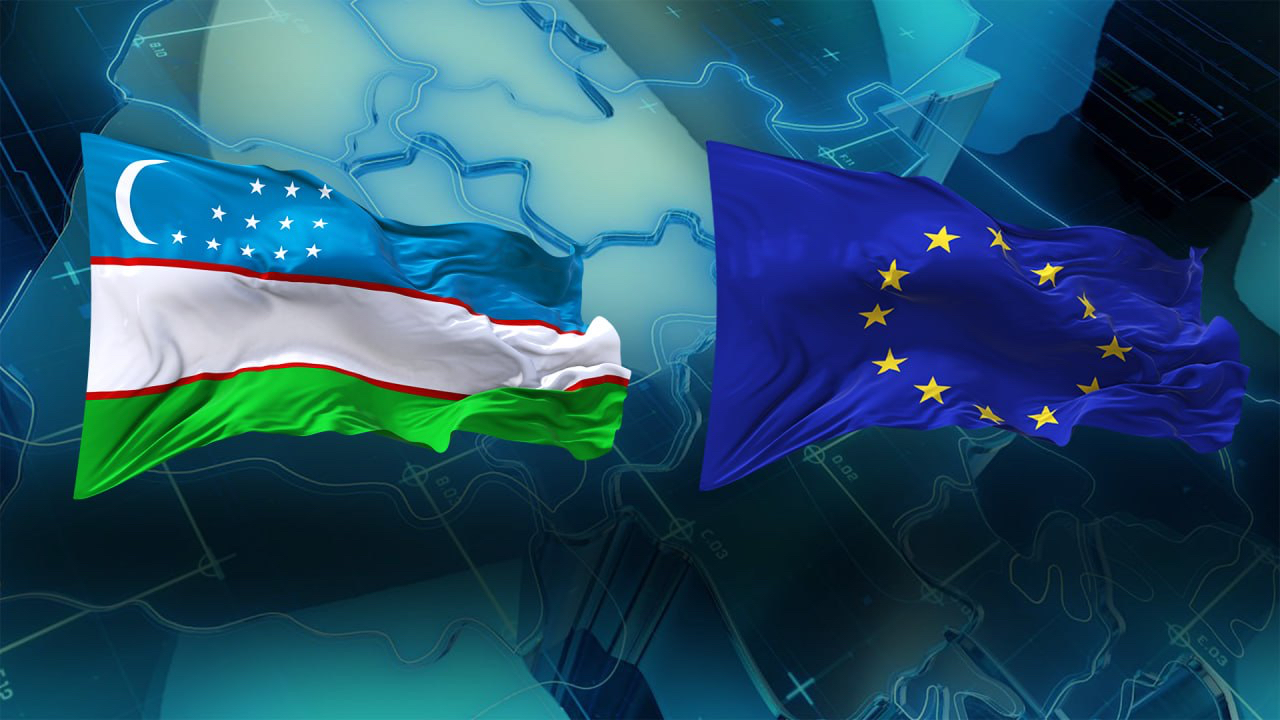
The world is entering an era where the energy transition and the “green economy” require not only political will but also resilient supply chains for critical minerals. In this global transformation, Uzbekistan confidently positions itself as a reliable partner for Europe—offering not only a rich resource base, but also a sustainable cooperation model built on innovation, transparency, and mutual benefit.
The signing of the Memorandum of Strategic Cooperation between the Government of Uzbekistan and the European Union in the Field of Critical Raw Materials in April 2024 became a key milestone in the development of bilateral relations. Based on this document, a “Roadmap” is being developed, which outlines concrete practical measures for the development of processing capacities, the production of high value-added products, and the strengthening of export infrastructure.
Following this, in September 2024, the Joint Statement signed between the Ministry of Mining Industry and Geology of Uzbekistan and the German Federal Ministry for Economic Affairs and Climate Action gave new impetus to deepening technological exchange and joint geological research. Europe, striving to diversify its sources of critical minerals, views Uzbekistan not merely as a supplier but as a strategic ally in building responsible and transparent production and investment chains.
A special role in this system is played by Uzbek Technological Metals Combine JSC (UzTMC), which has become a symbol of the country’s new industrial diplomacy. Through UzTMC, Uzbekistan has established dialogue with major European structures such as the European Investment Bank, KfW (German Development Bank), the French Development Agency, and the European Bank for Reconstruction and Development. These partnerships have laid the foundation for financing and jointly managing projects in the processing of lithium, tungsten, titanium, graphite, and rare earth elements.
Alongside industrial cooperation, intellectual partnership is also being strengthened. The establishment of a branch of the University of Pisa in Tashkent and the opening of the School of Technological Metals have elevated specialist training to the European level. Young engineers and geologists now have access to academic and research programs at the universities of Freiberg, Leoben, and Pisa. Participation in European projects such as Horizon Europe is shaping a new generation of experts committed to ESG standards and sustainable development.
Equally important was Uzbekistan’s accession to the European Raw Materials Alliance (ERMA), which secured the country’s status as a key link in Europe’s raw materials strategy. Participation in this platform has opened direct dialogue with Europe’s largest industrial and scientific centers and provided access to innovative technologies for raw material processing and recycling.
Joint projects with companies from Germany, Denmark, Finland, France, and Switzerland now cover the entire spectrum—from geological exploration and engineering to the implementation of advanced processing technologies. As a result, Uzbekistan is evolving from a mere supplier of resources into an active participant in shaping Europe’s “green industrial ecosystem.”
Today, as the global industry redefines its strategies for mineral security, the partnership between Uzbekistan and Europe is gaining particular importance. It is founded on trust, mutual benefit, and shared objectives—to ensure the sustainability of global supply chains, advance innovative technologies, and maintain a balance between economic growth and environmental protection.
Uzbekistan is not only strengthening its position on the international stage but is also becoming a center of a new cooperation model—open, responsible, and forward-looking. Europe, in turn, gains a reliable ally in Uzbekistan, one that shares its values of sustainable development and green progress.
