The Louvre Museum in Paris has been forced to close while police investigate a brazen heist which targeted France's priceless crown jewels.
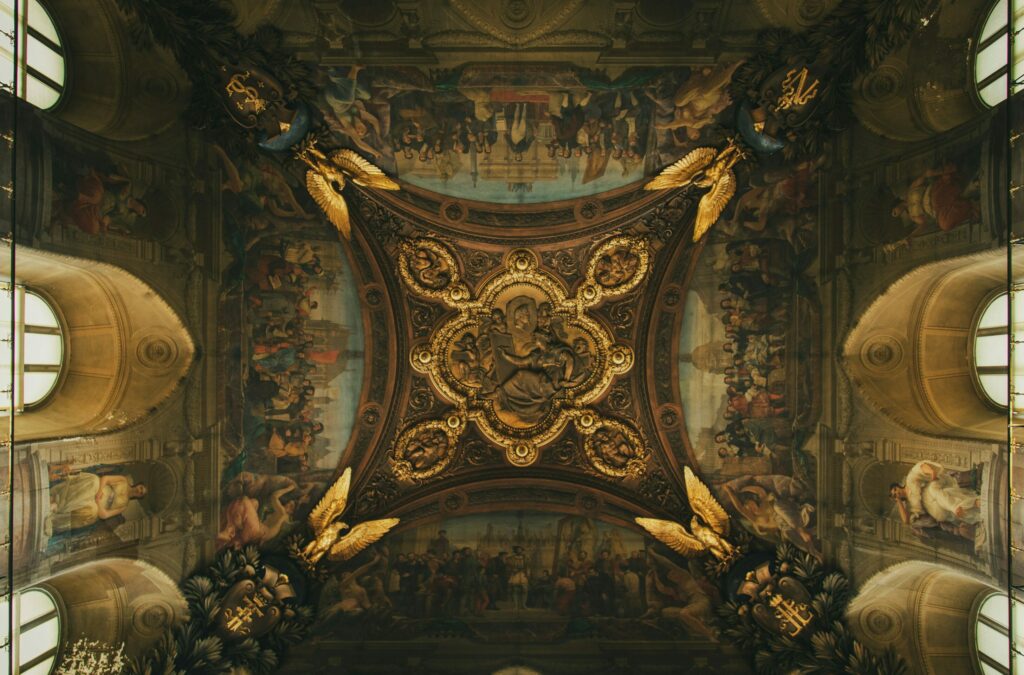
The Galerie d'Apollon at the Louvre Museum, the very room where Louis XIV first dubbed himself the Sun King, has witnessed centuries of splendour. But on Sunday morning, it became the stage of what Le Soir called "le casse du siècle", the heist of the century.
Within the span of just seven minutes, four masked thieves made off with eight royal jewels from France's imperial collection, leaving behind shattered glass, stunned guards, and a damaged crown once worn by Empress Eugénie, wife of Napoleon III.
The robbery
The robbery took place between 09:30 and 09:40 on Sunday, shortly after the Louvre opened to visitors. According to French authorities, four suspects used a vehicle-mounted mechanical lift to access the Galerie d’Apollon, which overlooks the River Seine.
Images from the scene showed a ladder attached to the lift reaching up to a first-floor window, the presumed entry point. Two thieves cut through the glass panes with a battery-powered disc cutter, entered the gallery, and threatened the guards, who evacuated the premises according to protocol.
They then smashed open two glass display cases and seized their glittering bounty: tiaras, necklaces, earrings and brooches from the 19th century, once owned by French royalty and imperial rulers.
As the museum's alarms rang, staff immediately contacted security forces and ushered visitors to safety. According to the French Ministry of Culture, one employee even prevented the thieves from setting fire to their vehicle outside the building, a final act meant to destroy evidence.
On TF1, Secretary of State for Culture Rachida Dati said surveillance footage showed the robbers entering "calmly" and operating "with a level of precision suggesting professional experience." There was, she added, "no violence, very professional."
The gang fled across Paris on two scooters, likely Yamaha TMax models, a favourite among French robbers.
"The whole operation was very, very fast," said Interior Minister Laurent Nuñez on France Inter radio. "It was over in less than seven minutes."
One witness described scenes of "total panic" as crowds were evacuated from the museum. At the same time, later images showed the Louvre's entrances sealed with metal gates as police forensic teams examined the scene.
What was stolen?
According to an official statement from the French Ministry of Culture, eight jewels were taken, all dating from the 19th century and of "immeasurable heritage value." The Ministry of Culture listed the stolen items as follows:
- Tiara from the parure of Queen Marie-Amélie and Queen Hortense
- Necklace from the sapphire parure of Queen Marie-Amélie and Queen Hortense
- Single earring from the same sapphire parure
- Emerald necklace from the parure of Empress Marie-Louise
- Pair of emerald earrings from the parure of Empress Marie-Louise
- Brooch known as the "reliquary brooch"
- Diadem of Empress Eugénie
- Grand corsage bow brooch of Empress Eugénie
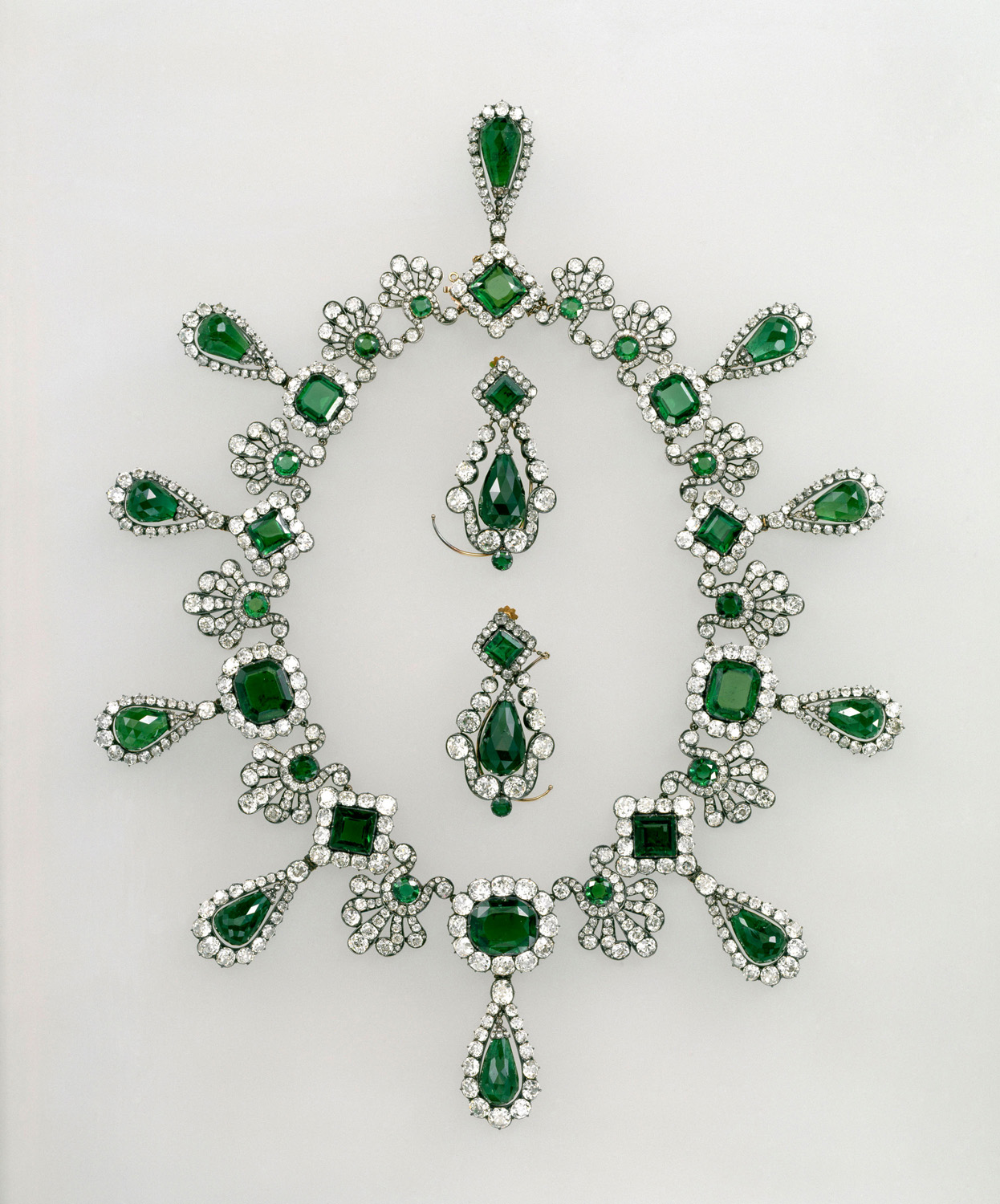
Necklace and earrings from the emerald parure of Empress Marie Louise. Credit: Louvre Museum
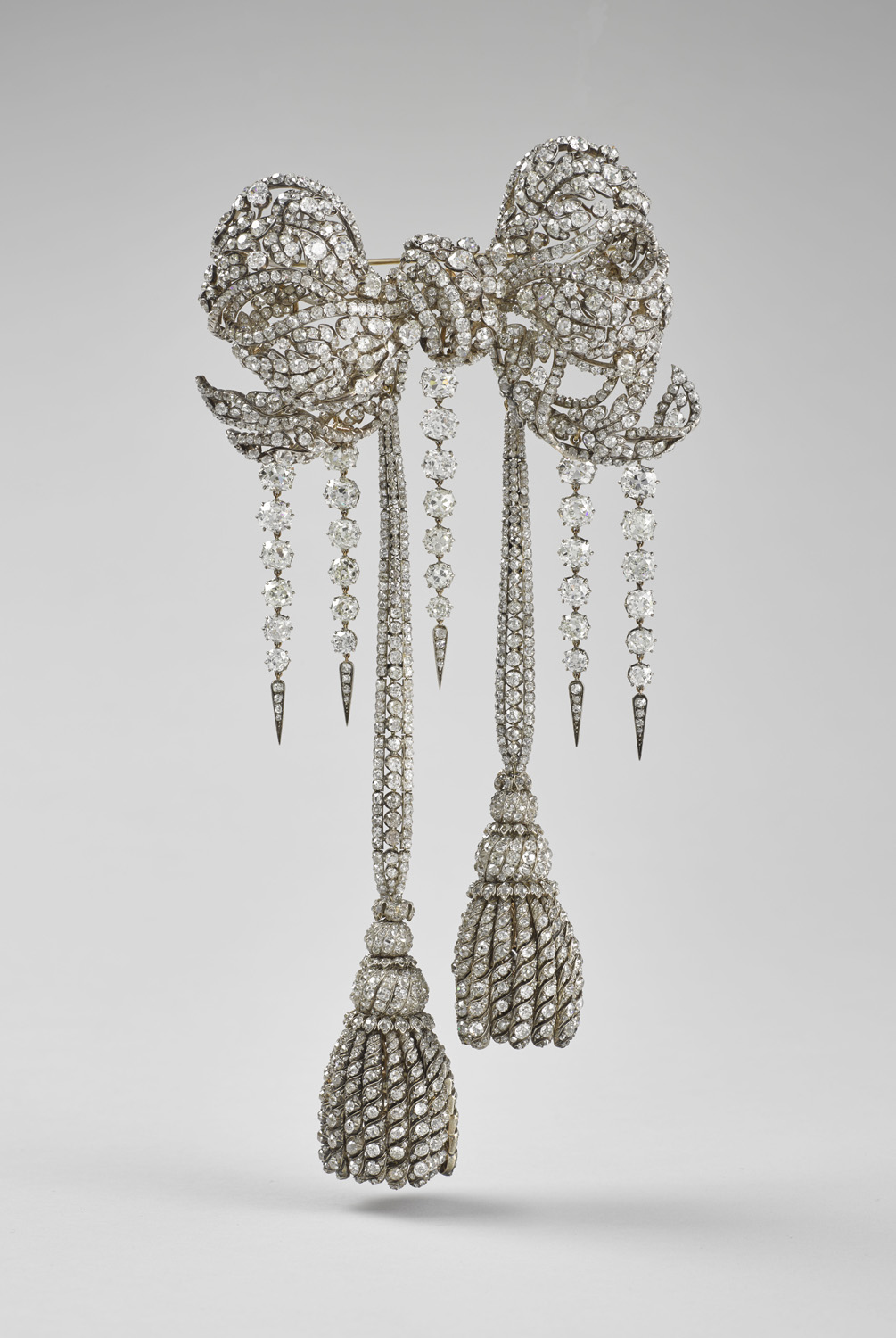
François Kramer, Diamond brooch of Empress Eugénie. Credit : Louvre Museum
Two further items, including Empress Eugénie's crown, encrusted with 1,354 diamonds and 56 emeralds, were recovered near the scene, apparently dropped during the thieves' escape. The crown, though damaged, is now under expert examination.
"No one was injured among the staff or visitors," the Ministry confirmed.
Priceless heritage, impossible to sell
The Galerie d’Apollon is home to some of France's most legendary gems: the Régent, often hailed as the purest diamond in the world, and the Sancy, a 55-carat stone once worn by Napoleon at his coronation.
The robbers reportedly had no time to reach these masterpieces, but the symbolism of their crime is immense. "Attacking the Louvre is attacking our history and heritage," declared Minister Nuñez to TF1. "Every resource is being mobilised to identify and apprehend those responsible."
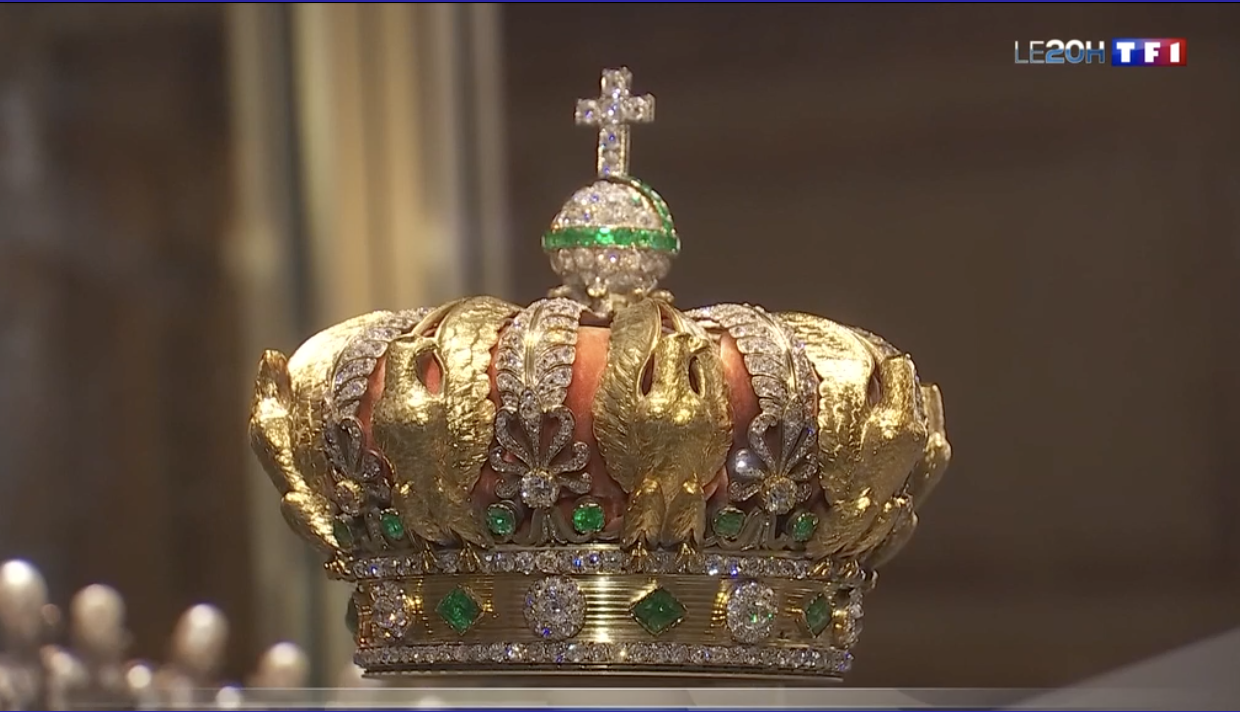
Empress Eugénie's crown, encrusted with 1,354 diamonds and 56 emeralds was recovered near the scene. Credit : Screenshot
Experts say the stolen jewels are effectively unsellable, given their fame and provenance. "They could only be traded for the raw value of their metals and stones," said one art crime specialist. "To collectors or the black market, they're simply too hot to handle."
The Louvre, spanning 210,000 square metres, is the most visited museum in the world, and increasingly difficult to secure. Despite a recent internal security audit, vulnerabilities remain. "We know French museums are exposed," admitted Nuñez, while Dati noted that "organised crime has turned its sights on cultural treasures."
This heist follows a string of museum robberies across France in the past year:
In Limoges, thieves stole €9.5 million worth of porcelain from the Adrien Dubouché Museum in September.
In November 2024, seven valuable artefacts were stolen from Paris's Cognacq-Jay Museum, five of which were recovered days ago.
The same month, armed robbers raided the Hieron Museum in Burgundy, firing shots before escaping with 20th-century artworks worth millions.
A century-old echo
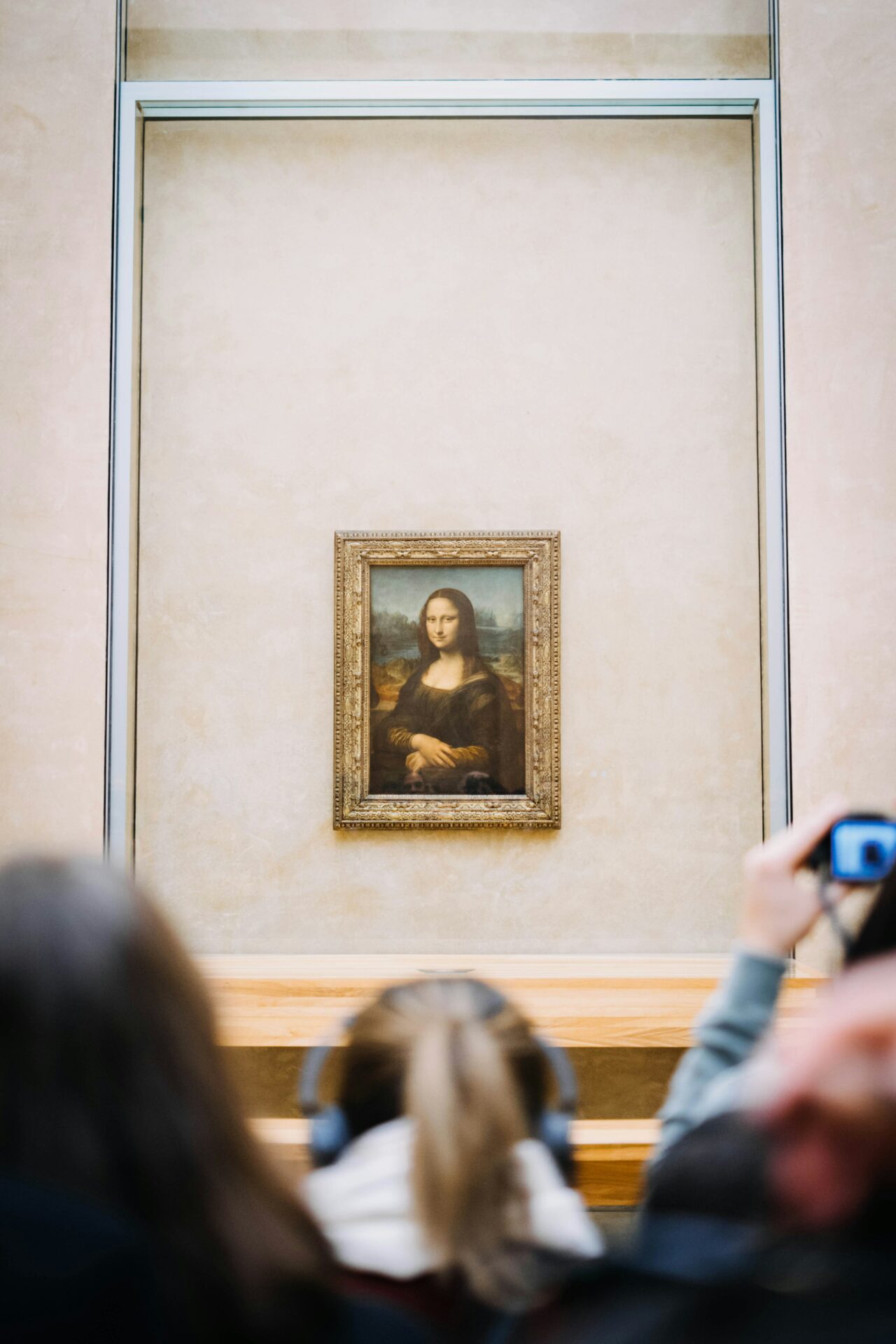
The Louvre has not seen a theft of this scale since 1911, when Italian handyman Vincenzo Peruggia famously walked out with the Mona Lisa under his coat. At the time, the painting was little known; its theft made it a global icon.
Today, the Mona Lisa sits behind bulletproof glass, under 24-hour surveillance, a reminder of what history's most infamous art heist once taught the museum.