
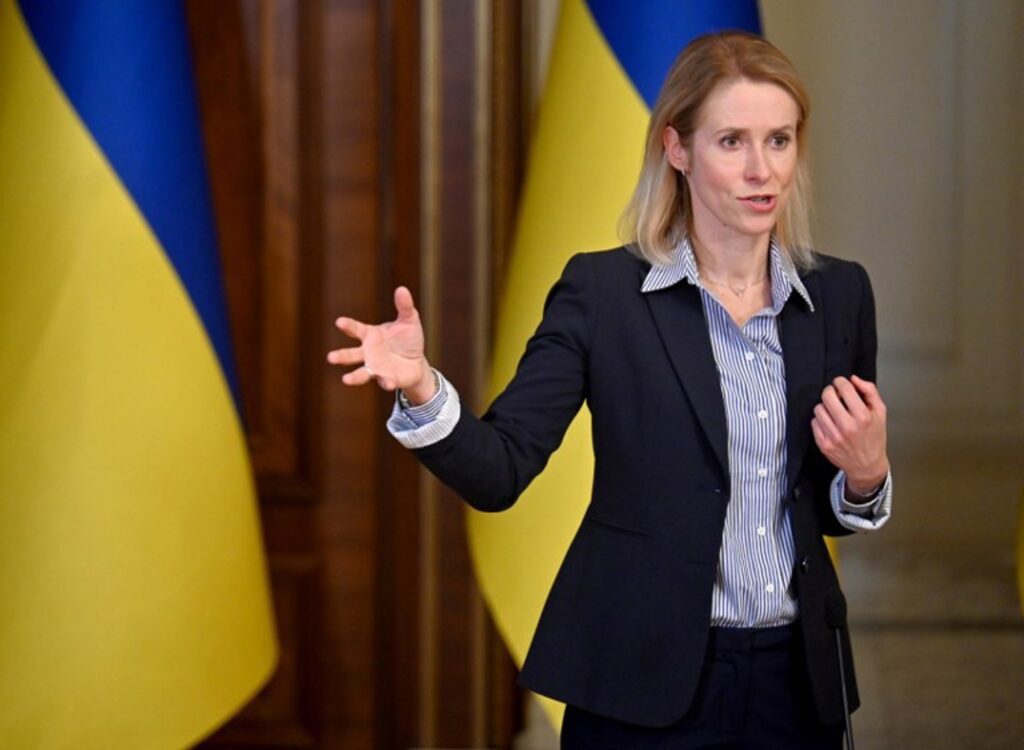
Ukraine and sanctions against Russia dominated Monday’s meeting of European Union Foreign Ministers in Luxembourg.
EU Foreign Policy Chief Kaja Kallas underlined Ukraine’s resilience, stressing that Ukrainians are fighting for their freedom, independence, and nation, and cannot simply surrender.
She expressed concern over a reported suggestion by US President Donald Trump that Ukrainian President Volodymyr Zelenskyy should cede the Donbas region to Russia, warning this could lead to Ukraine’s destruction by Russian forces.
Kallas highlighted the broader implications for the international order: if aggressors achieve their goals, that sends a dangerous message globally that any country can invade and take what it wants.
She also commented on reports of a possible meeting between Trump and Putin in Budapest, calling it troubling due to Putin’s international arrest warrant. She questioned whether anything productive could emerge, while noting that Russia only negotiates under pressure.
Kallas added that US influence could play a positive role if it pushes Russia toward negotiations and a cessation of the war.
Meanwhile, EU officials are finalising a 19th package of sanctions against Moscow, aimed primarily at targeting Russian oil and gas. Kallas expressed the hope that it would be approved soon, as European leaders meet Thursday in Brussels.
Austria has reportedly dropped its veto on the sanctions, initially tied to demands for releasing Russian assets to compensate a bank affected by countermeasures. Slovakia remains opposed, linking its support to concessions for its automotive industry.
The EU is also exploring ways to utilise frozen Russian assets to guarantee a €140 billion loan to Ukraine. Kallas acknowledged Belgium’s concerns over the risks posed by immobilising most of Russia’s central bank reserves within Brussels-based Euroclear.
Lastly, the EU aims to address the problem of Russia’s “shadow fleet” of oil tankers, which it uses to bypass international sanctions. A European Commission document quoted by German news agency DPA estimates that it involves between 600 and 1,400 vessels, which not only bolster Russia’s war economy but also pose environmental and maritime safety risks.
