
The European Commission’s proposal to use frozen Russian assets to issue a recovery loan to Ukraine received widespread support in the European Parliament on Tuesday.
During the debate, MEPs from the Christian Democratic, Social Democratic, nationalist, liberal, green, and far-left factions all expressed their backing for the plan, while far-right factions opposed it.
Three Belgian MEPs—Johan Van Overtveldt (N-VA), Hilde Vautmans (Open VLD) and Saskia Bricmont (Ecolo)—voiced their support for Ukraine but urged caution, due to Belgium’s sensitive position on the issue. They called for all EU Member States to share the legal, financial, and institutional risks involved.
Van Overtveldt emphasised that frozen Russian assets held in other countries, not just those stored in Belgium, should also be used for the loan. Vautmans and Bricmont agreed, highlighting assets in France and Germany, and insisting that Belgium should not bear the burden alone.
Other parliamentarians largely dismissed Belgium’s concerns during the debate.
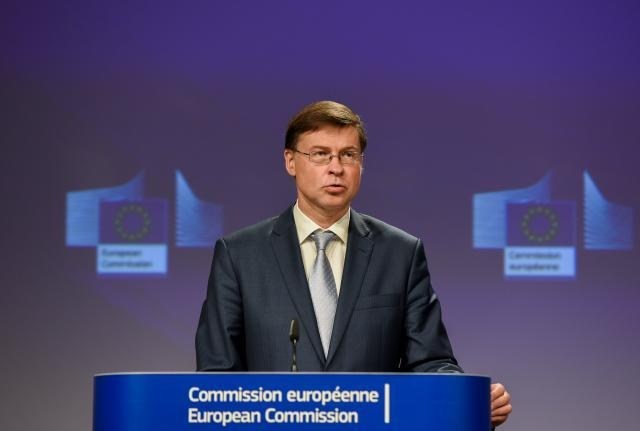
EU Commissioner Valdis Dombrovskis clarified that the proposal does not involve seizing the assets but making use of their frozen state, which he said minimises the risk.
In answer to questions from MEPs, Dombrovskis said the immobilisation of Russian assets within EU territory had caused no issues for financial stability or the euro’s international position. He added that the EU and G7 had already agreed to freeze the assets until Russia compensates for the damage caused by the war in Ukraine. The UK and Canada, he noted, are reportedly interested in similar mechanisms.
The European Commission aims to secure approval for the plan at the EU summit in Brussels on Thursday. If successful, it will finalise the proposal and could begin disbursing the estimated €140 billion loan as early as Spring 2026.
