
A decade after the landmark Paris Agreement on climate, low-carbon technologies have advanced far beyond the expectations of 2015, according to a study by the NGO Energy & Climate Intelligence Unit.
However, the world is still far from meeting the agreement’s climate goals.
The 2015 Paris Agreement, adopted by 195 nations at the 21st Conference of Parties (COP21) to the 1992 UN Framework Convention on Climate Change, aimed to restrict global warming to below 2°C by the end of the century, and ideally under 1.5°C.
Solar and wind energy have developed rapidly
At the time, greenhouse gas emissions were rising by about 1.7% annually, with the planet on track for a 4°C temperature increase by 2100.
Since then, the agreement has influenced progress. Average annual emission growth has slowed to 0.32%, and the projected global temperature rise now stands at 2.6°C – still significantly above the Paris targets.
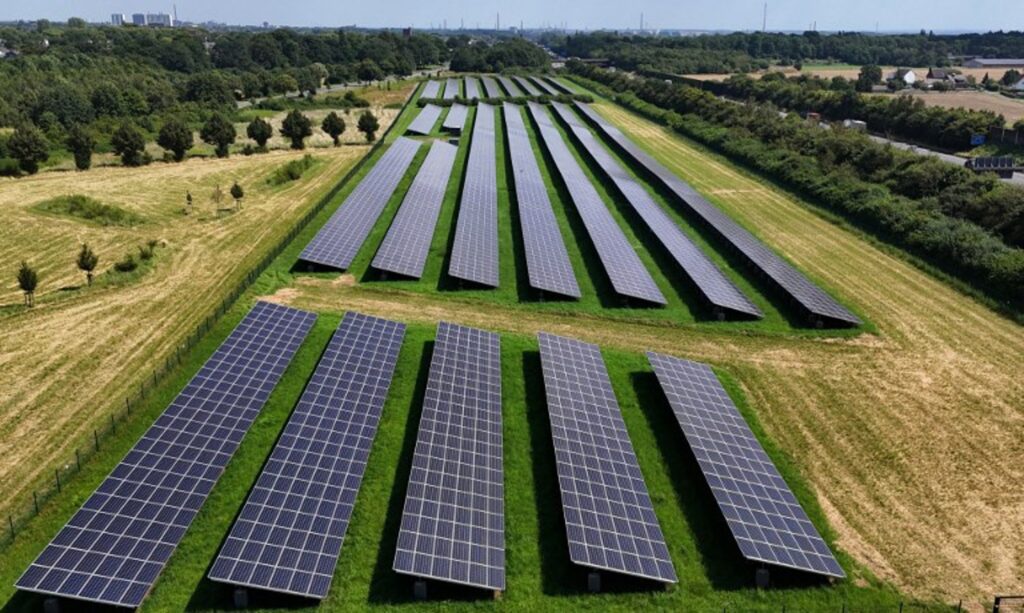
Low-carbon energy sources such as solar and wind have seen rapid deployment, surpassing original forecasts. In 2015, the International Energy Agency estimated 34 gigawatts of solar capacity would be installed annually by 2040.
However, this figure is expected to have reached 553 gigawatts in 2024, more than 1,500% higher than originally predicted.
Boom in countries enacting climate laws
Electric vehicles have also experienced accelerated growth. A market share target of 40% initially set for 2040 may now be achieved by 2030.
Commitments made under the Paris Agreement have found their way into national legislation, with the number of countries enacting climate laws tripling over the past ten years.
Researchers conclude that while the energy transition has progressed faster than anticipated, the focus must now shift to cutting global emissions on a larger scale.
They emphasise the importance of increasing financial and technological support, particularly for developing countries, and ensuring that benefits reach communities and populations worldwide.
