
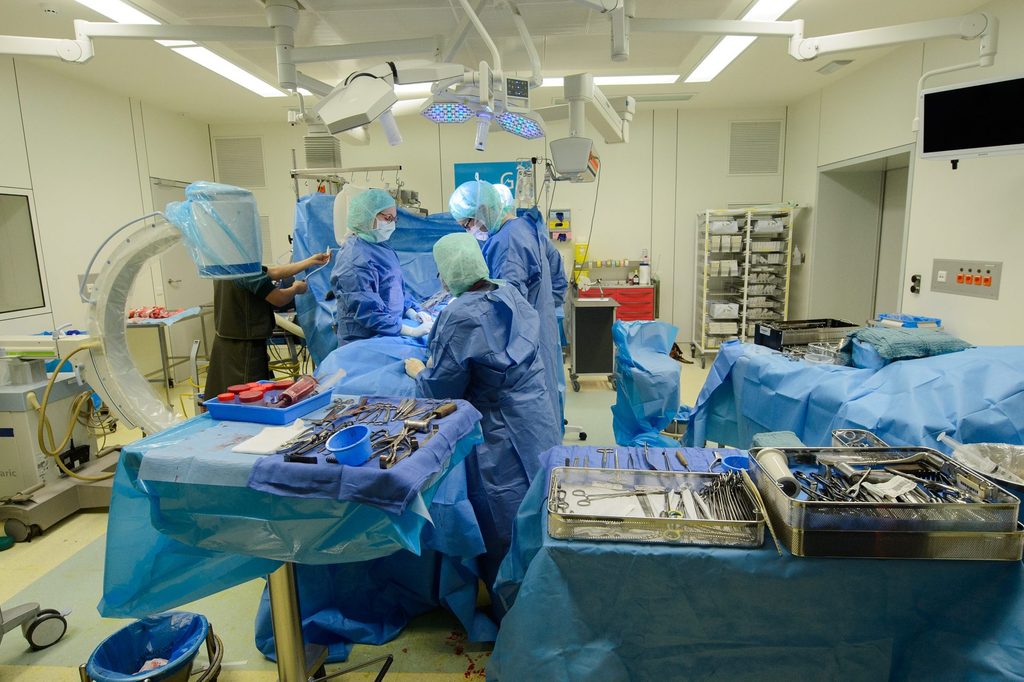
A team from Leuven University Hospital (UZ Leuven) has developed an artificial intelligence (AI) model that can more accurately predict drug dosages for patients after kidney transplants.
Patients who undergo kidney transplants must take lifelong medication to prevent organ rejection. Determining the correct dosage can be challenging for doctors, as excessive doses lead to side effects and patients on insufficient doses risk rejection.
The AI model was developed over three years and automatically calculates the ideal daily dosage based on patients’ blood test results. It extracts parameters directly from their medical records and sends the recommended dosage to the electronic prescription system.
While the doctors not participate in determining the doses, they can choose to approve or reject the recommendations.
During a clinical study involving 293 kidney transplant patients, one-third received recommendations from doctors, while the remaining patients relied on the AI-generated dosage.
The study found that doctors accepted the AI recommendations in more than 99% of cases.
The AI model helped achieve optimal blood concentrations quickly, with fewer fluctuations, making it a valuable tool for adjusting doses efficiently.
Hospitals from Asia and the United States have expressed interest in implementing the model. UZ Leuven is now exploring whether to expand its use within its own transplant services or commercialise the technology.
