
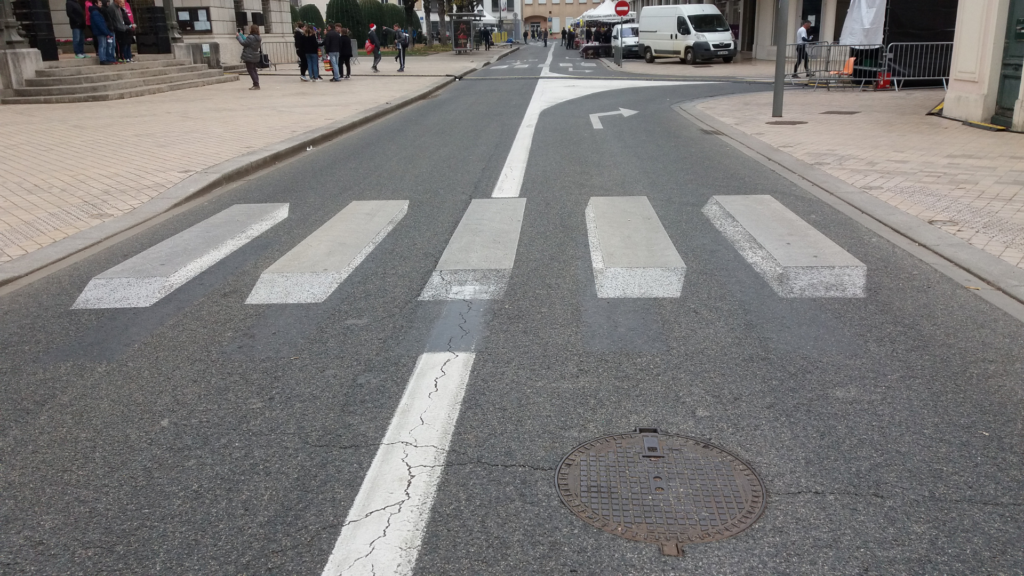
The city of Antwerp has launched its first pedestrian programme aimed at increasing the number of trips made on foot in the coming years.
The initiative, part of its broader push for sustainable mobility, is rooted in the belief that walking contributes to the local economy, social cohesion, and public health.
The city considers everyone a pedestrian to some extent, as walking is often part of trips involving other modes of transport, ensuring the programme serves a wide audience.
Building on existing urban features such as 780 kilometres of slow lanes and expanded residential zones, the plan is structured around three key strategies.
These are: creating more space for pedestrians; leveraging partnerships and data; and running campaigns to encourage people to walk more often and over longer distances.
Specific measures include addressing missing links, exploring diagonal pedestrian crossings, and developing accessible and comfortable infrastructure.
New features will include additional benches, shaded areas, drinking fountains, and specially designed “silver ribbons” — safe routes tailored for seniors.
Campaigns will also promote courtesy among road users, emphasising rules against riding cycles and scooters on pavements.
“We’re taking an important step to make Antwerp even more comfortable and safe for pedestrians,” said Mobility Councillor Koen Kennis.
“Walking is not just healthy; it offers a different way to experience the city," he added. "Through focused actions and collaboration, we aim to make Antwerp an even more walkable city where short trips are naturally undertaken on foot.”
