Good afternoon!
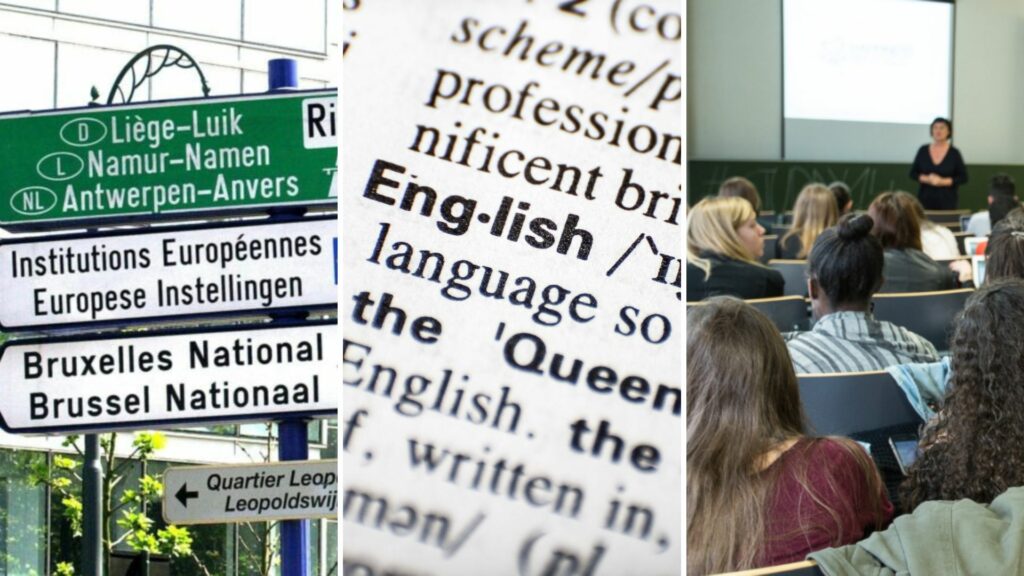
Another day, another list. This time, one where Belgium is in the top ten: Belgium is doing exceptionally well in non-native English language proficiency.
That's not quite the whole story, though, for as always in Belgium, things are a little more complicated. The language communities have vastly different experiences when it comes to many things here – jobs, economic activity, investment, education, health, and also linguistic proficiency.
Within Belgium, in general, it's Wallonia that fares worse in comparison to Flanders and sometimes Brussels – and it's no different this time.
Does it matter? Well, I would argue yes. Whether you like it or not, the ability of your young people and your emerging workforce to speak English has a big impact. Not only on their individual abilities to get better training and better jobs, with more opportunities, but also on the willingness of global companies and organisations to invest in your economy and pump money into infrastructure and industry. So it is a vicious circle.
Investing in language education and trying to break the cycle of stagnation may seem superficial or a 'nice to have' policy – but I would argue it should be a priority. Whether you like it or not, English is increasingly important, and other countries are recognising this and making language learning a priority, because they know the economic and trade opportunities it can unlock.
Just because you put this at the forefront of employment, education and skills policies, does not mean you have to give up the cultural heritage of your community or country.
Rather, you can generate investment which you can spend on strengthening your cultural identities whilst also increasingly spreading that culture globally and reinforcing its identity, so that actually you are protecting it, not destroying it.
This requires an enlightened outlook, though, and a long-term view of the world.
Bearing in mind Europe's and Belgium's distinct communities have their roots in centuries of expansion, shifting populations, trade agreements and political treaties, you'd think that wouldn't be too alien.
It does, though, also require a degree of confidence in your own community and its robustness to withstand the slings and arrows that may come its way. This is often where the biggest challenge comes. Finding the balance between ring-fencing a language or culture, whilst also embracing modern needs for the greater good of your citizens and economy, so that they and it are best equipped to compete in this global, interconnected, interdependent world, is not easy.
It requires leadership, and a national debate. Both of which, unfortunately, are not easy to come by in a complicated country like Belgium – particularly when you often can't even agree on which language to hold that debate in.
Maybe English could serve as a lingua franca – if that's not too much of a contradiction in terms.
Belgium in Brief is a free daily roundup of the top stories to get you through your coffee break conversations. To receive it straight to your inbox every day, sign up below:
1. Everything we know about the three-day strike hitting Belgium next week
From cancelled flights to reduced train services, this is what we know so far about the impact of next week's three-day strike. Read more.
2. How well do Belgians speak English compared with other countries?
Belgium has once again made it into the top ten countries of non-native English speakers in the world – but one of its regions continues to let the side down. Read more.
3. EU adopts new grounds for suspending visa-free status
The EU can now suspend the status in response to rising unfounded asylum claims, security threats or human rights violations. Read more.
4. First snow in Brussels, icy roads and long traffic jams across Belgium
Locally, a layer of snow of 1 to 5 centimetres deep is possible today – even though it is expected to melt again fairly quickly. Read more.
5. Russian assets in Belgium: Euroclear boss says she won’t rule out suing EU if funds are seized
In an interview with Le Monde, Valérie Urbain said: 'It's time to stop targeting Euroclear and Belgium.'
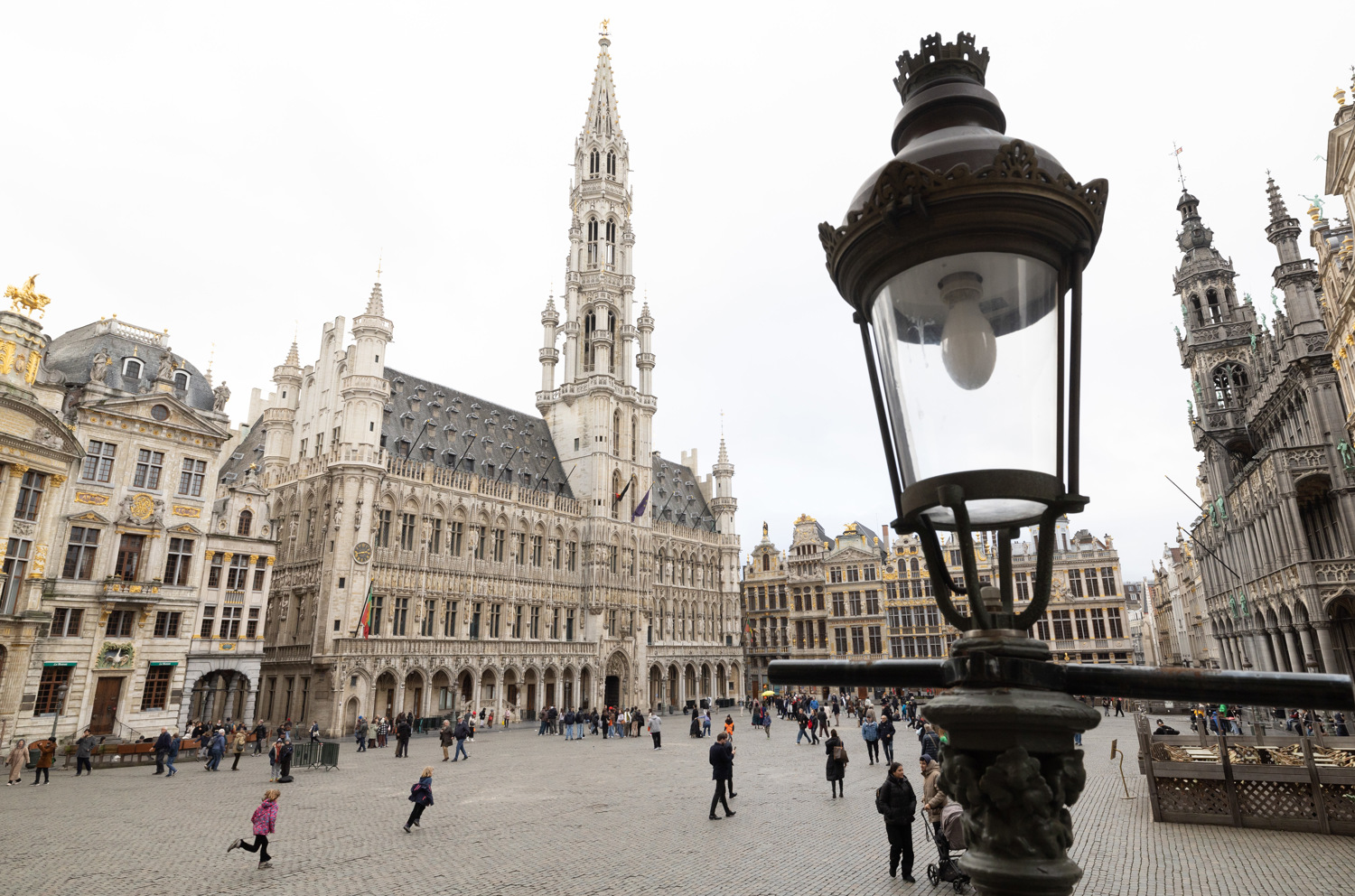
6. Christmas tree arrives at Brussels’ Grand-Place this morning
The tree is a majestic white spruce: 20 metres tall, and approximately 43 years old. Read more.
7. Saint-Verhaegen: What is the citywide party taking place today in Brussels?
Every year on 20 November, Brussels students take to the streets for a university tradition blending history, student activism and good old-fashioned partying. Read more.
