
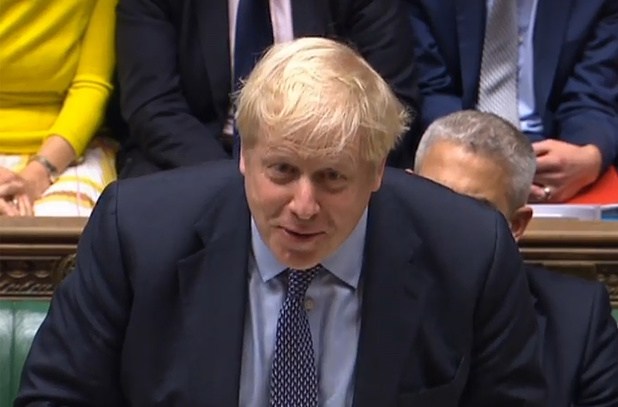
The UK government under then Prime Minister Boris Johnson should have imposed a lockdown a week earlier at the start of the pandemic in 2020, according to a new report.
The report, published on Thursday, criticised the government’s handling of the crisis as “too little and too late.” The delay in decisive action led to a sharp increase in COVID-19 infections and made lockdown measures unavoidable, it added.
Modelling outlined in the findings shows that, in England alone, around 23,000 fewer deaths could have occurred during the first wave of the pandemic, which lasted until July 2020, had stricter measures been implemented earlier.
The report accused Johnson’s government of being “too late” in recognising the severity of the pandemic, even though the virus was spreading rapidly worldwide.
The administration’s optimism at the time and Johnson’s downplaying of the crisis undermined the serious messages needed for public awareness.
It also highlighted a “toxic and chaotic” work culture among Johnson’s staff at the beginning of the pandemic, which hindered intelligent decision-making.
Revelations of lockdown-breaching parties at Downing Street, later dubbed ‘partygate,' further damaged public trust and increased the risk of people disregarding lockdown rules.
The nationwide lockdown was finally introduced in the UK on 23 March 2020, five days after it began in other countries like Belgium.
The pandemic took a devastating toll on Britain, causing about 226,000 deaths, one of the highest figures in Europe.
These findings are part of the second 800-page report from a public inquiry into the British authorities’ response to COVID-19. The document includes recommendations to better prepare for future pandemics.
