
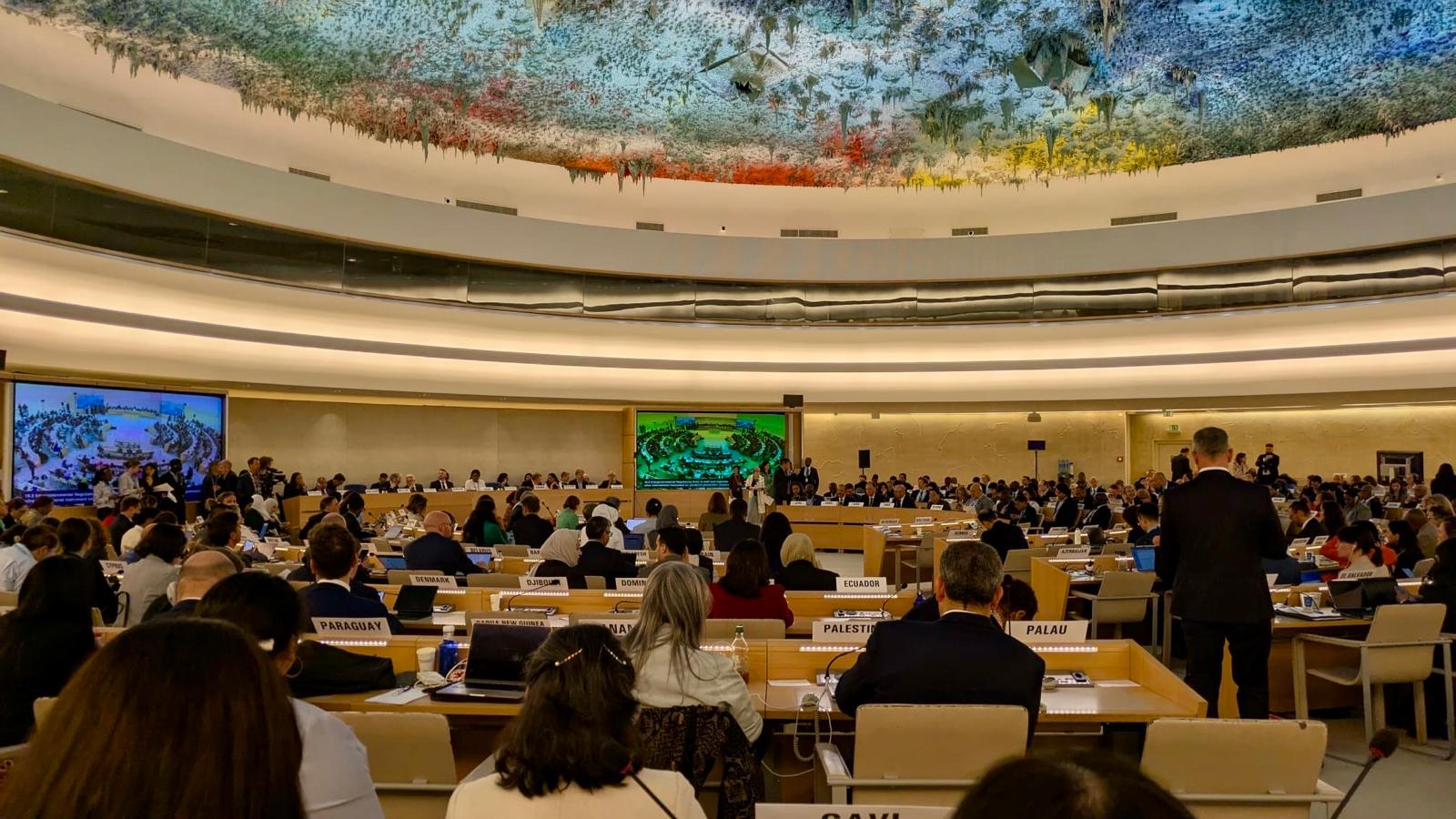
Negotiated in the wake of the COVID-19 global health catastrophe, the Pandemic Agreement was adopted by Member States at the World Health Assembly in 2025 to strengthen pandemic prevention, preparedness, and response; ensure timely and equitable access to vaccines, diagnostics, therapeutics; and promote a more coherent, inclusive, and effective all of society approach to addressing future pandemics.
The agreed-upon text of the Agreement was finalized and “frozen in place” because it will not open for signature until Member States agree on specifics that are being laid out by the PABS Annex, presently under negotiation. The Annex intends to codify country commitments to rapid and timely sharing of materials and sequence information on pathogens with pandemic potential, and to rapid, timely, fair and equitable sharing of benefits arising from their use such as vaccines, diagnostics, and drugs.
While the body of the Agreement outlines some of the core benefit-sharing obligations, other critical provisions are being decided through the Annex. Member States are presently negotiating core operating parameters of the PABS System, including scope, governance, contractual architecture, and enforcement mechanisms. Where they land will determine whether the Agreement is delivers on the promise of equity.
Equity has been a guiding principle of this agreement, which was driven by the fact that COVID-19 pandemic disproportionally affected developing countries and vulnerable populations, and that a global treaty was needed to rectify this imbalance. The most basic example of this: vaccines. While by early 2022 high-income countries had double-vaccinated over 70% of their population, more than 85% of the people in Africa were yet to receive a single dose. Numbers published in Nature estimate that vaccine hoarding alone might have cost 1.3 million lives, with a disproportionate impact in the Global South.
The hard road to achieving equity
Coming to consensus on the main text of the Agreement was not an easy road. And negotiations have been riddled with adversity. From the outset, the pharmaceutical industry and its lobby have been hard at work to undermine global proposals aimed at promoting equity, and some countries, particularly those whose economies rely heavily on the pharmaceutical sector and related exports, have advanced industry positions at the expense of equity and meaningful progress for the vast majority of the world.
There have also been other serious challenges. These include misinformation, a lack of sustained political commitment, wavering support for the Agreement amid shifting global priorities, the adverse impact of aid cuts, and the insistence by Member States on a least-common-denominator approach to policymaking—decision-making by consensus. Also, engagement by civil society and other relevant stakeholders as observers in the negotiation process was, and remains, severely curtailed by Member States.
The only formal access to the negotiations for relevant stakeholders has been a perfunctory thirty-minute block each day for formal statements, after which they are excused from the room. This WHO treaty practice stands in stark contrast to negotiations at sister agencies, including WIPO, where sessions are open to observers and technical experts, and stakeholders are invited to participate in informal discussions, as appropriate, while respecting confidentiality rules; this level of transparency has helped to build trust so that even where there is disagreement, arguments and rationale for decision-making is clear to all.
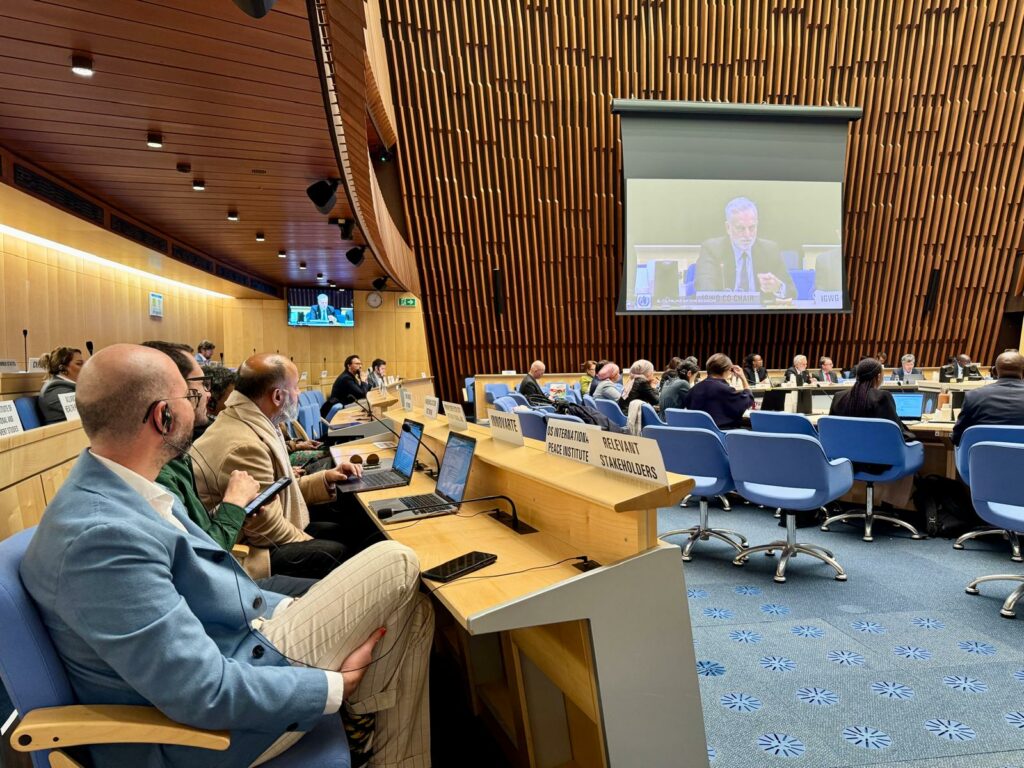
Relevant stakeholders during an official PABS Annex session, pictured during the daily 30-minute period in which they were allowed into the negotiating room at WHO Headquarters in Geneva
Transparency is a prerequisite for legitimacy
For the Pandemic Agreement, a more open process, where stakeholders have meaningful access to information and opportunities to observe and contributes remains essential. Why? Because transparency and accountability are not only vital for the legitimacy of this process, but also for the agreement to work in practice. And because they also build trust.
Civil society will be on the front lines to defend and promote this treaty through its real test: whether countries will adopt it and transform it into binding law. But we can’t adequately defend a process from which we have been locked out of. Additionally, the treatment of civil society also stands in contrast to the treatment of industry, also a relevant stakeholder, as one that enjoys disproportionate access to information and outsized influence through its ties to certain Member States.
Contrary to concerns raised by some countries in Geneva, closing the process to all relevant stakeholders does not safeguard the integrity of negotiations. Instead, it reinforces information asymmetries that allow some voices, including industry, to operate from the shadows rather than through an open and transparent process that is equally accessible to all. When transparency is lacking, information gaps widen and trust erodes.
A closed process also means that Member States have limited and often untimely access to essential technical inputs from non-state actors. The PABS Annex is highly technical, and sidelining stakeholders who could meaningfully contribute their expertise to official debate is a missed opportunity to enrich both process and text. Of course, we understand that certain parts of the negotiations may require closed-room discussions. But the current approach makes practically all official sessions closed-room, an ironic stance given the treaty’s already enshrined commitment to a whole-of-society approach.
From technical expertise to independent oversight, civil society engagement enhances the legitimacy of the process and helps to hold negotiators accountable to their public stated principles of equity and solidarity. It also ensures that communities affected by the outcome have a voice in the process and a role in shaping the decisions that will ultimately impact them. Our presence in the room should not be merely symbolic, but meaningfully included so as to build public trust, ensures accountability to the values the treaty claims to uphold, and most importantly—anchor the agreement in the lived realities it aims to transform.
As civil society, we are the voices and shields of vulnerable populations, and the public health policies and programs designed to protect them. We are also academics, technical experts, and implementers who bridge the gap between negotiated text and realities on the ground. And when this agreement returns to countries, we will be among the champions who can explain, defend, and mobilize support for signature and implementation.
A global process that depends on broad societal buy-in and participation must include stakeholders. That means starting with allowing us to sit in the room.
Guilherme F. Faviero, Director, AHF Global Public Health Institute
Nina Schwalbe, CEO and Founder, Spark Street Advisors, New York and Senior Scholar, Georgetown University Center for Global Health Policy and Politics
