
The European Parliament and the Council of the European Union have reached an agreement to phase out imports of Russian gas and liquefied natural gas (LNG) by the end of 2027.
The announcement was made by Denmark’s Presidency of the EU Council.
Under the deal, imports of Russian LNG will be completely banned starting at the end of 2026. Imports of pipeline gas from Russia will be prohibited by autumn 2027.
A transition period has been outlined in the agreement. Short-term contracts for LNG signed before June 17, 2025, will be banned as of April 25, 2026. For pipeline gas, the deadline is set for 17 June 2026.
Long-term contracts for LNG will be prohibited as of 1 January 2027, as part of the EU’s 19th package of sanctions.
Long-term contracts for pipeline gas will be phased out starting 30 September 2027, with final termination on 1 November 2027, subject to the EU’s gas storage targets.
The European Commission is also required to present a plan next year to gradually reduce Russian oil exports to Slovakia and Hungary by the end of 2027.
These two countries are the only EU members still importing Russian crude oil and heavily reliant on Russian natural gas supplies.
The EU aims to ensure energy independence and prevent Russia from using revenue from gas exports to fund its war in Ukraine.
Although EU imports of Russian gas have already decreased significantly since the war began, Russia is projected to supply 13% of EU gas imports in 2025, valued at approximately €15 billion.
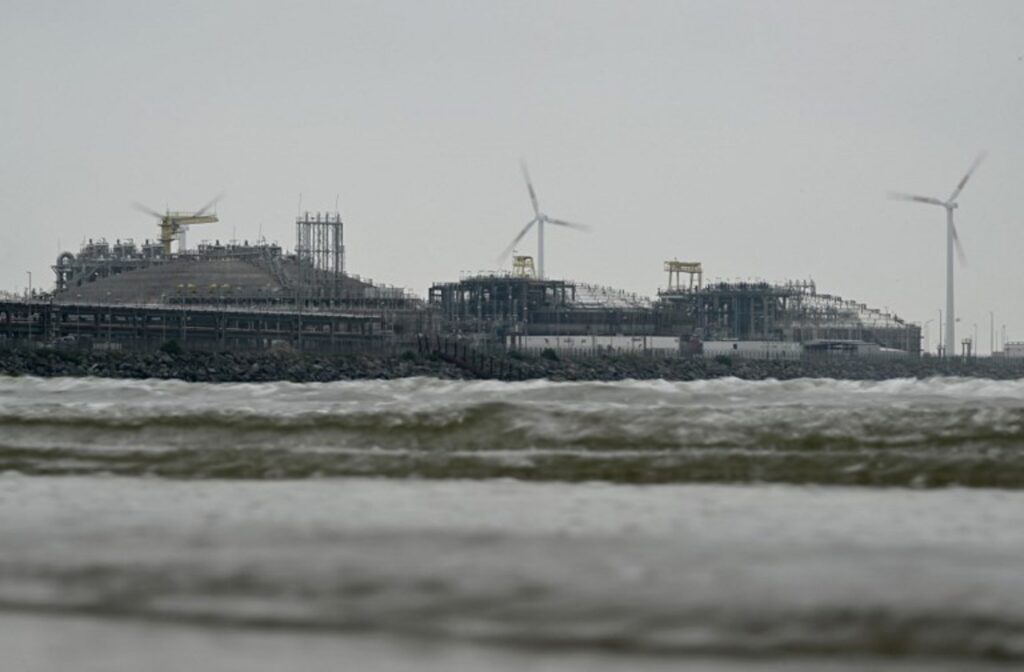
Belgium continues to import Russian gas via Zeebrugge, a key hub for global LNG trade. Terminal operator Fluxys will need to adapt to the upcoming EU-wide ban.
