The Brussels tradition of string puppet theatre has been added to UNESCO’s Representative List of the Intangible Cultural Heritage of Humanity, Brussels Secretary of State for Heritage Ans Persoons announced on Tuesday.
The recognition was granted during the 20th session of the Intergovernmental Committee for the Safeguarding of Intangible Cultural Heritage, held in New Delhi this week.
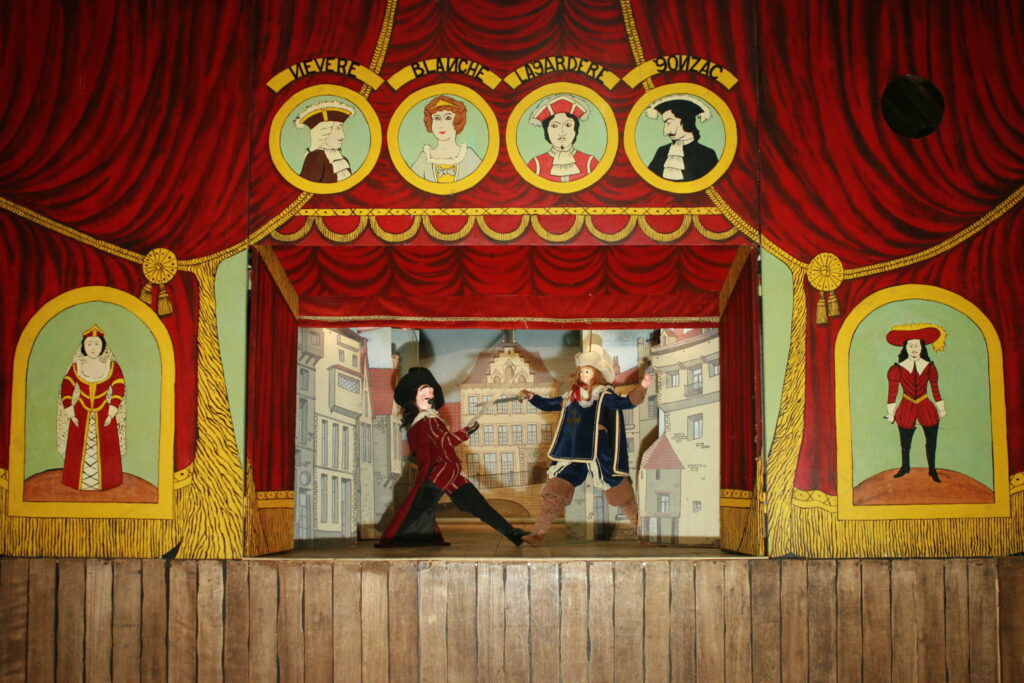
Preserved and reinvented at the Royal Theatre of Toone, this form of puppet art dates back to travelling fair theatres from the Renaissance and is the last remaining string puppet theatre in Brussels.
The nomination was initiated four years ago by urban.brussels - which administer's the city’s heritage - with the aim of highlighting Brussels’ identity, local languages, inclusivity, and non-commercial character.
Introduced to Belgium by travelling theatres from Italy and Central Europe in the 16th and 17th centuries, string puppets reflect Brussels’ multicultural identity. Historically, these puppet shows allowed adults, often illiterate, to experience theatre, opera, and popular novels that they would otherwise not have access to.
While still thriving in the 19th century with several troupes, since 1963, this tradition has been exclusively preserved at Theatre of Toone.
The technique is defined by the “string” or rod—a metal stick passing through the puppet’s head with hooks on either end—used to manipulate the puppet’s movements. A team of six trained puppeteers operates the puppets from behind a raised stage.
Performances often combine parodies, improvised acts, and classics of theatre and folklore, infused with the unique Brussels humour known as “zwanze” and a spirit of self-mockery.
