
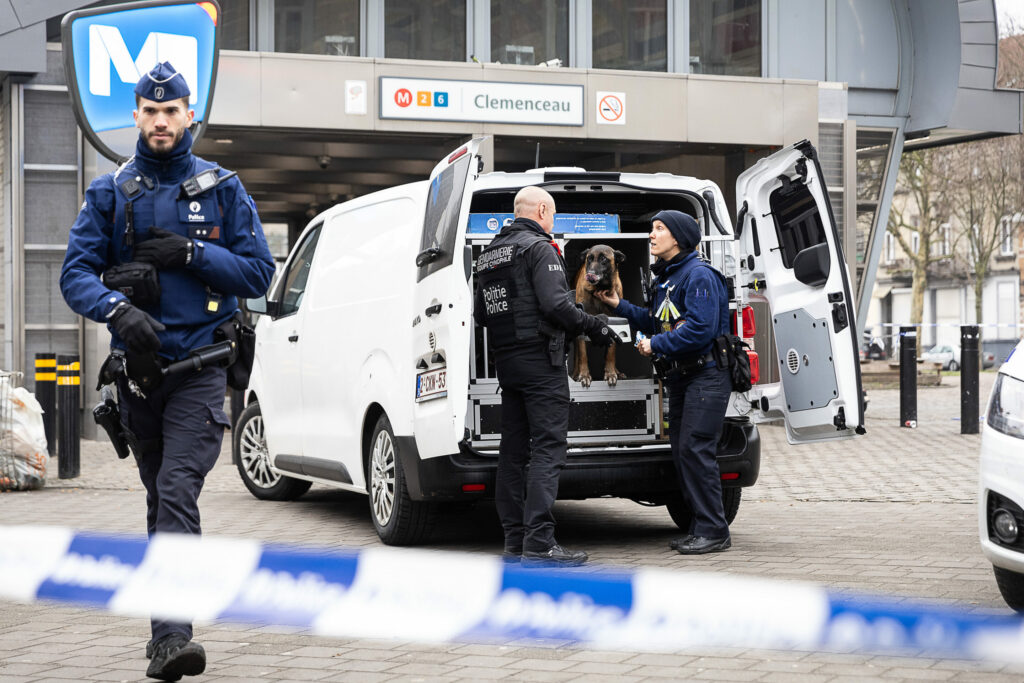
The Brussels Public Prosecutor's Office wants to immediately fine all recreational drug users who are caught. Anyone who refuses to pay, risks having their mobile phone or car confiscated, according to a circular.
The new guidelines are contained in a circular letter that the Public Prosecutor's Office has sent to all six Brussels police zones, the railway police and the traffic police, VRT first reported. Brussels Public Prosecutor Julien Moinil is requesting the mandatory use of the OMS (immediate fine) procedure.
"Recreational users will be punished with a fine that varies according to the quantity and type of drugs," the Brussels Public Prosecutor's Office told VRT in response to the news.
"It is clear that hotspots and drug trafficking can only exist because of the presence of demand. This demand must be combatted by applying the law in force," they added.
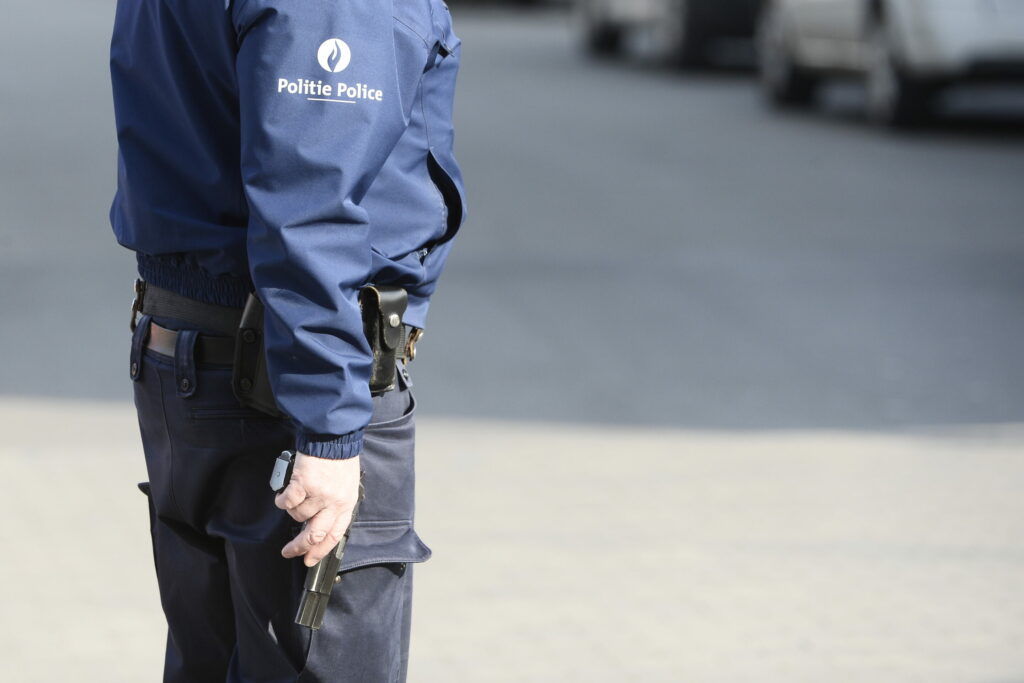
Credit: Belga/Dirk Waem
The problem of drug-related violence in the capital remains very serious. Almost 100 shootings have already been recorded this year, resulting in eight deaths and more than 40 injuries.
Anyone caught in the act will therefore have to pay a fine immediately to end the prosecution. This immediate fining has been used more and more in Brussels since this year. The amounts range from €75 to €500. Anyone who refuses to pay can be prosecuted.
"For example, if the owner has ordered drugs via his phone using the Snapchat application, the police can seize his phone and conduct further investigations," the Brussels Public Prosecutor's Office said.
"Similarly, if, in a drive-in type hotspot, the suspect uses his vehicle to have drugs delivered and then drives away, he is transporting the drugs in his vehicle, and the vehicle can be seized," they said.
Distinction between groups
The Brussels Public Prosecutor's Office distinguishes between recreational users and drug users with serious psychosocial problems who require medical and social follow-up.
The latter group requires a different kind of follow-up. Moinil wants to set up a drug follow-up room for them.
The Public Prosecutor has made a tougher approach to the drug problem in Brussels his top priority. In addition to drug gangs and drug criminals, he is also looking at the users who maintain the supply, as he has said on several occasions.
National Drugs Commissioner Ine Van Wymersch calls the tougher approach to recreational and open drug use in Brussels "a signal that we do not tolerate this behaviour in our society."
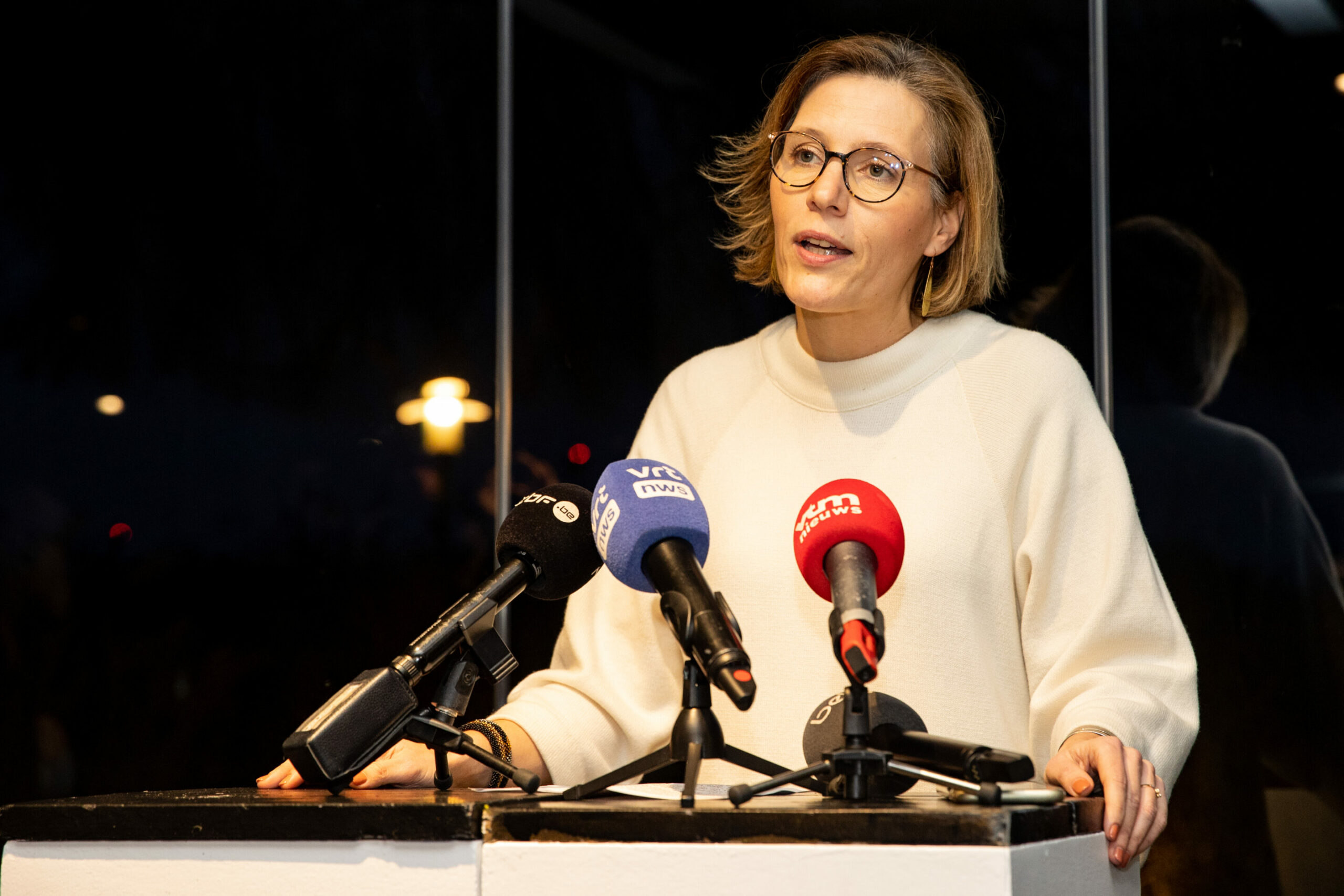
Drugs Commissioner Ine Van Wymersch. Credit: Belga/David Pintens
"We know from research that the easier drugs are to obtain, the more people will use them," Van Wymersch said. "So, taking measures to make availability more difficult is a sensible step. It is, of course, one of many measures that need to be taken together to turn the tide."
"The point is that we need to structurally break the revenue model of criminal organisations. We do this by targeting criminal cash flows and also by making it logistically more difficult to buy and sell drugs," she said.
Seizing mobile phones has an effect on that availability, according to Van Wymersch. "We know that many people buy drugs through apps such as Snapchat and Telegram. By confiscating smartphones, you intervene in the logistics chain."
"We sometimes call it recreational drug use, but there is little recreational about it," she said. "All drug use leads to many other social problems, such as traffic fatalities caused by people under the influence or domestic violence."
