
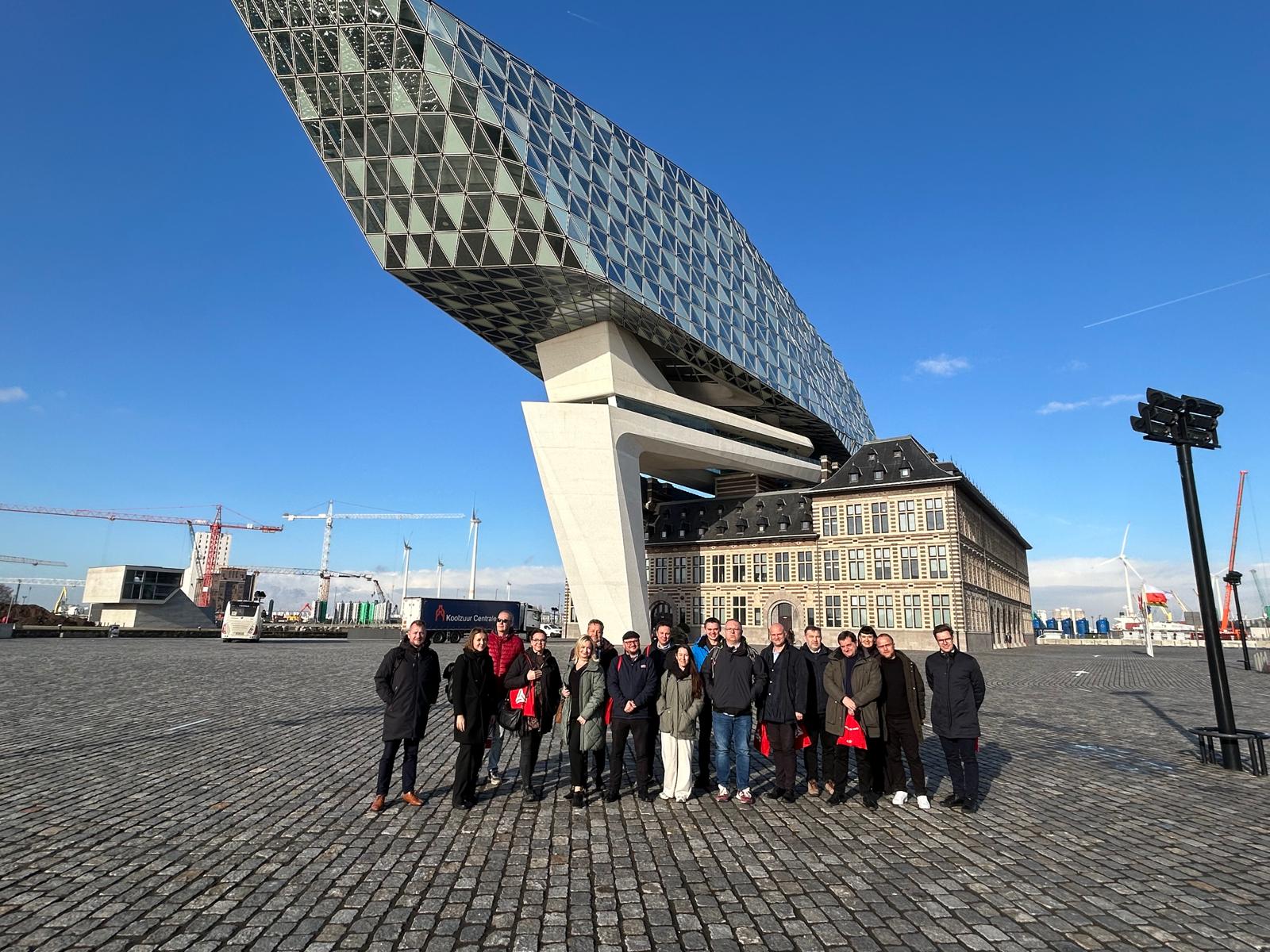
In recent years, major infrastructure initiatives have been launched in both countries. In Poland, the development of hydrogen filling stations in Poznan and Katowice as part of the Clean Cities - Hydrogen Mobility programme, as well as work on a Hydrogen Map of Poland, which is the first step towards building a national H₂ transmission and distribution network, are particularly evident.
The Pomeranian Green Hydrogen Cluster is a cross-border project covering the West Pomeranian and Lubuskie Provinces in Poland and Mecklenburg-Vorpommern and Brandenburg in Germany, which prepares the region for the production and export of green hydrogen using local RES sources. According to the assumptions of the Polish Hydrogen Strategy, investment expenditures related to the implementation of hydrogen technologies in public transport together with the necessary infrastructure and the achievement of the assumed capacity of installations from low-emission sources at the level of 2 GW by 2030 will amount to approximately PLN 11 billion.
In Belgium, key initiatives to strengthen the hydrogen market are being developed in parallel, such as a project involving the construction of one of Europe's largest green hydrogen production facilities (a 100 MW electrolyser in the first phase) at the port of Antwerp-Bruges. The port aims to become an important European hub for the production, import, distribution and use of green hydrogen, supporting the energy transition and climate neutrality. The second major project being developed on the Belgian coast is HyOffWind, which represents a milestone in the development of renewable hydrogen in Belgium. Belgium's 25 MW green hydrogen production plant in the strategic port of Zeebrugge is to act as a pilot for the future connection of H₂ production to the transmission infrastructure.
In light of the above, a new phase of international cooperation has begun between Poland and Belgium, which has the most advanced hydrogen port infrastructure in Europe.
From the ‘GO GREEN’ conference to concrete results - the evolution of Polish-Belgian cooperation
The beginning of an in-depth cooperation was the conference organised in 2022 entitled GO GREEN - Hydrogen solutions from Poland and Belgium, which built the foundations of a technological and business partnership. The conference demonstrated the synergy of potentials: Polish technology and scientific resources and Belgian logistics and port facilities. In the following two years, the cooperation deepened considerably and moved from the level of exchange of experiences to more operational activities focused on concrete results.
A continuation of our efforts was the economic mission of Polish businesses organised on 17-18 November 2025 by the Polish Embassy in Brussels in cooperation with the Foreign Trade Office of the Polish Investment and Trade Agency (PAIH) in Amsterdam and the National Chamber of Commerce (KIG).
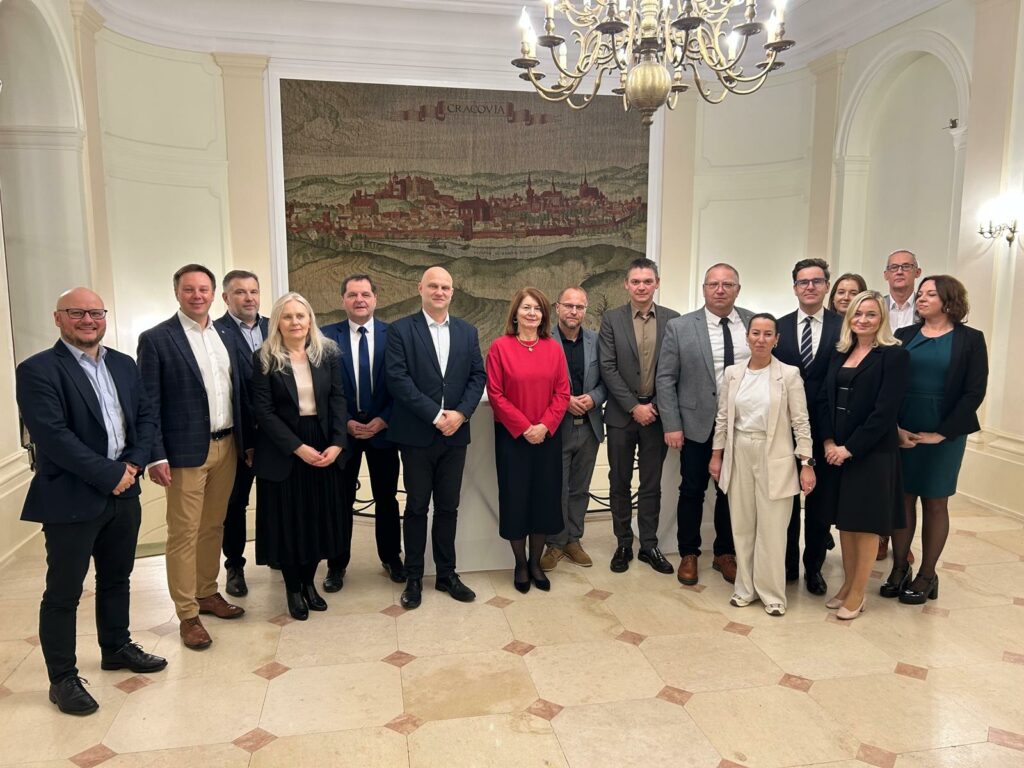
The mission began with a visit to the Embassy of Poland in Brussels, which provided an opportunity to discuss the prospects for the development of bilateral economic relations. Its aim was not only to develop bilateral contacts, but most importantly to introduce the participants to the Belgian hydrogen strategy, to allow Polish companies to learn directly about the infrastructure of the Port of Antwerp-Bruges and to establish contacts with key players in the Belgian hydrogen ecosystem.
Our efforts to develop bilateral relations in the hydrogen industry will also continue in 2026.
Integration of technology and supply chains
Central to the mission was the idea that Polish companies could identify specific opportunities for the integration of technology and supply chains into the infrastructure, both existing and planned, of the Port of Antwerp-Brussels. Polish companies, including manufacturers of tanks, composite components, energy storage systems or R&D solutions, see the Belgian hub as an opportunity to expand their technologies into international markets. The Belgian port, which is intensively developing its infrastructure for importing and distributing green hydrogen, is a natural partner for Poland, from the perspective of both future hydrogen exports and integration into the European supply system.
Ten Polish companies and institutions representing both the scientific and industrial sectors participated in the mission, including the Institute of Energy - National Research Institute, the Poznan University of Technology, the NanoBioMedical Centre, the Adam Mickiewicz University in Poznan, as well as such companies as Hydrogen Prospect, WTC Technika, Swimmer, Frako-Term and the Marshal's Office of the Wielkopolskie Province.
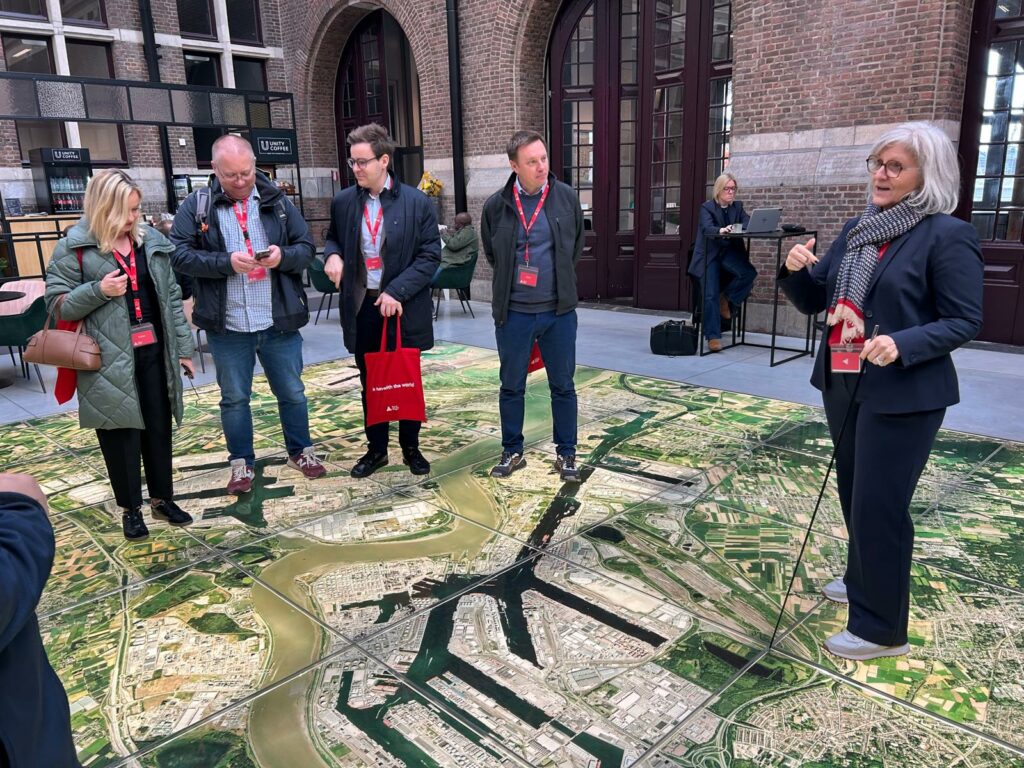
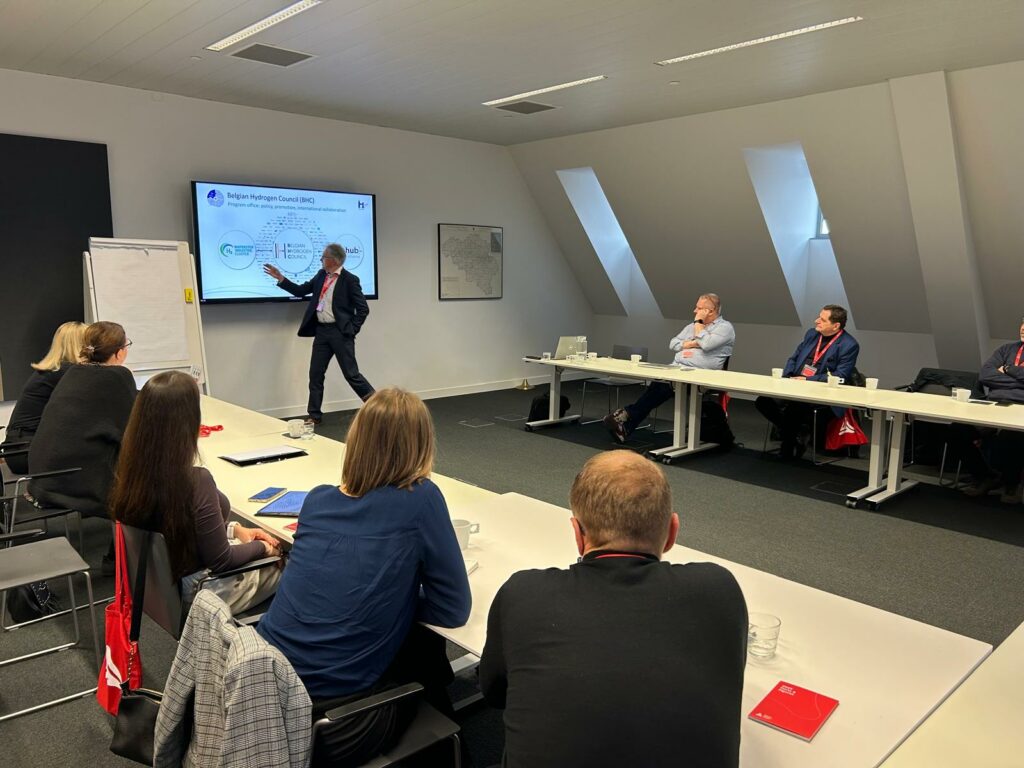
The programme included a presentation of the port's strategy by Stefan Van Laer, a lecture by Adwin Martens of WaterstofNet on the Belgian-Dutch hydrogen consortia model, a look at an interactive map of the port showing current and planned infrastructure, and a visit to the CMB.TECH Hydrogen Terminal, where the Polish delegation learned about solutions for maritime and land transport using hydrogen.
"The Port of Antwerp-Bruges is positioning itself to become a major import hub for low carbon hydrogen derivatives, crucial for the decarbonisation on its own petrochemical cluster and maritime sector, but at the same time serving as a throughput hub for the rest of Europe, like Poland," explained Stefan Van Laer, Climate Transition Developer specialising in hydrogen and CCUS (Carbon Capture, Utilisation & Storage) at the Port of Antwerp-Bruges.
During the mission, the Polish participants had the opportunity to learn in detail about the operating model of one of the largest and most advanced energy ports in Europe. They noticed that the port is consistently looking for the innovative solutions needed to import, store and distribute hydrogen, and that the cooperation between Belgium and the Netherlands within WaterstofNet could inspire the creation of a Polish platform to integrate hydrogen projects. The pace of development of heavy transport decarbonisation technologies in Belgium, presented by CMB.TECH among others, was also recognised.
The Polish experts agreed that domestic technologies, especially in the areas of energy storage, composites and hydrogen system testing, can find application in the port's growing supply chains.
"Hydrogen Prospect has been active in the EU hydrogen market since 2022. We are implementing projects to improve the integration of the electrolysis technology. Our customers are companies with ambitions to use hydrogen in the fuel and chemical industries. The visit to the Port of Antwerp-Bruges was an excellent opportunity for us to establish cooperation and gain new contacts," said Piotr Lewandowski, representative of Hydrogen Prospect.
Polish economic diplomacy - promoting Polish technology and building international relations
The Embassy of the Republic of Poland in Brussels, the Polish Investment and Trade Agency (PAIH) and the National Chamber of Commerce (KIG) are actively cooperating and supporting the internationalisation of Polish companies in the hydrogen industry. By organising missions, consultations and B2B events, and directly connecting Polish and foreign businesses, these institutions are building Poland's position as one of the most important participants in the European energy transition. The mission to the Port of Antwerp-Bruges was another step in this strategy and proof that Poland is consistently investing in the development of international cooperation in the area of clean technologies.
Among the recommendations made after the mission was the possibility of closer cooperation with the port on logistics and energy projects and the proposal to organise further business missions in the coming years. The delegation noted that the WaterstofNet model could become an inspiration for Polish coordination efforts, while the dialogue with CMB.TECH is worth continuing in the context of solutions for heavy transport.
The November 2025 mission is part of a long-term strategy to develop the hydrogen sector in Poland and to build European clean energy supply chains. Combined with national projects - the development of refuelling stations in Poznan and Katowice, work on the Hydrogen Map of Poland or the expansion of the Pomeranian Green Hydrogen Cluster - it creates a coherent picture of a country actively participating in Europe's energy transition.
"Poland is developing the hydrogen sector dynamically, combining infrastructure investment with the growing technological competence of companies and research facilities. The mission to the Port of Antwerp-Bruges confirmed the readiness of Polish entities to participate in European hydrogen supply chains and contributed to the setting of directions for further project cooperation with partners from Belgium and the Benelux region," summarises Adrianna Kłoszewska, Expert at Foreign Trade Office of PAIH in Amsterdam.
The Embassy of the Republic of Poland in Brussels
