

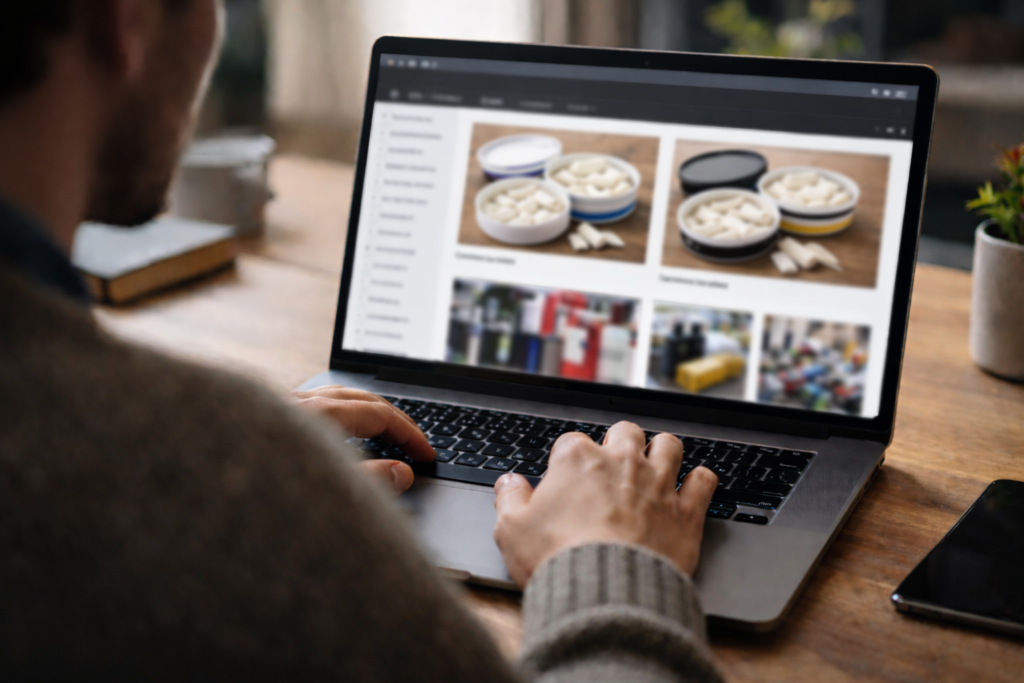
With the recently released Safe Hearts Plan, the European Commission has signalled the need to protect young people from the harms of nicotine use. This is also one important objective with the upcoming revision of the Tobacco Products Directive. By harnessing the potential of well-regulated domestic online sales, the Commission can create a powerful safeguard against sales to minors. However, for this model to succeed, it necessitates a ban on cross-border online sales of nicotine products.
The nicotine market has evolved rapidly with new products such as nicotine pouches and e-cigarettes. Both the EU and its Member States have acted to regulate these new goods, but the outcome is a disparate collection of European legislation pulling in different directions.
The tobacco policy objectives of the Member States, and the means used to achieve those goals, differ considerably. For instance, some countries, such as Sweden and Finland, permit nicotine pouches, while others, such as Belgium and the Netherlands, have imposed sales bans. This variation creates significant differences in price and availability, mostly due to varying excise duty rates.
This fragmented market regulation paves the way for new issues related to cross-border online sales. When products subject to lower taxes, higher nicotine content, or entirely different rules are just a click away in another EU country, strong incentives are created for consumers to shop across borders. This undermines the ability of all Member States to conduct an active tobacco policy aimed at protecting public health, while simultaneously creating unfair competition.
It must be stated first that online sales, in themselves, are not a problem for the tobacco market. Rather, they are a solution and a powerful tool for Member States to achieve their tobacco policy goals. For example, domestic e-commerce is:
- Easy to control and trace: The biggest advantage is that every transaction creates a digital footprint. This makes all sales easy for authorities to monitor and track.
- A powerful tool to ensure age limits: Online sales make it possible to use technology to comply with age-limits, to ensure that statutory age limits are adhered to.
- A way to ensure correct information: Consumers are guaranteed accurate statutory information, health warnings, and ingredient lists—something that is impossible to guarantee in unregulated sales.
- Safe and sustainable: Domestic digital sales secure access to legal, controlled products and promote a sustainable market structure.
The problem lies, instead, in EU’s lack of harmonised legislation on which products may or may not be sold within the EU, and that Member States set their own excise duty levels. The absence of common rules in key areas means that states must be able to protect their tobacco policy and public health strategy by other means.
A ban on cross-border online sales of nicotine products within the EU creates such protection. This ban is necessary because:
- Policy instruments must function: The ban is necessary for national tobacco policy instruments such as prohibitions or quality requirements (e.g., nicotine strength limits) to function as intended. If a consumer can easily circumvent national rules online, the entire purpose is lost.
- It will protect against illicit trade. A well-functioning and robustly regulated domestic e-commerce market diminishes the appeal of illegal or foreign alternatives for consumers, that are often produced without complying with any security and quality standards. Consequently, diminishing illegal or foreign alternatives will lead to safer products for consumers, and businesses will be more willing to adhere to national legislation, including the requirement to register for sales within the country.
- It is a way to secure tax revenues: A ban is the most effective method to ensure that tax revenues are retained in the country where consumption takes place. Losing the tax base to other EU countries is economically unsustainable.
- We need to protect domestic businesses: Companies that comply with national legislation and pay high taxes face unfair competition from foreign online retailers who do not bear the same costs or adhere to the same regulations. A ban protects compliant domestic businesses.
Norway will introduce a ban on cross-border online sales at the turn of the year with the aim of strengthening consumer protection, especially among young people. The European Commission should follow Norway's example and include such a ban in the upcoming revised Tobacco Products Directive. This will not only contribute to the achievement of national tobacco policy objectives within a fragmented European tobacco market, but will also serve as a powerful tool to safeguard against sales to minors.
