
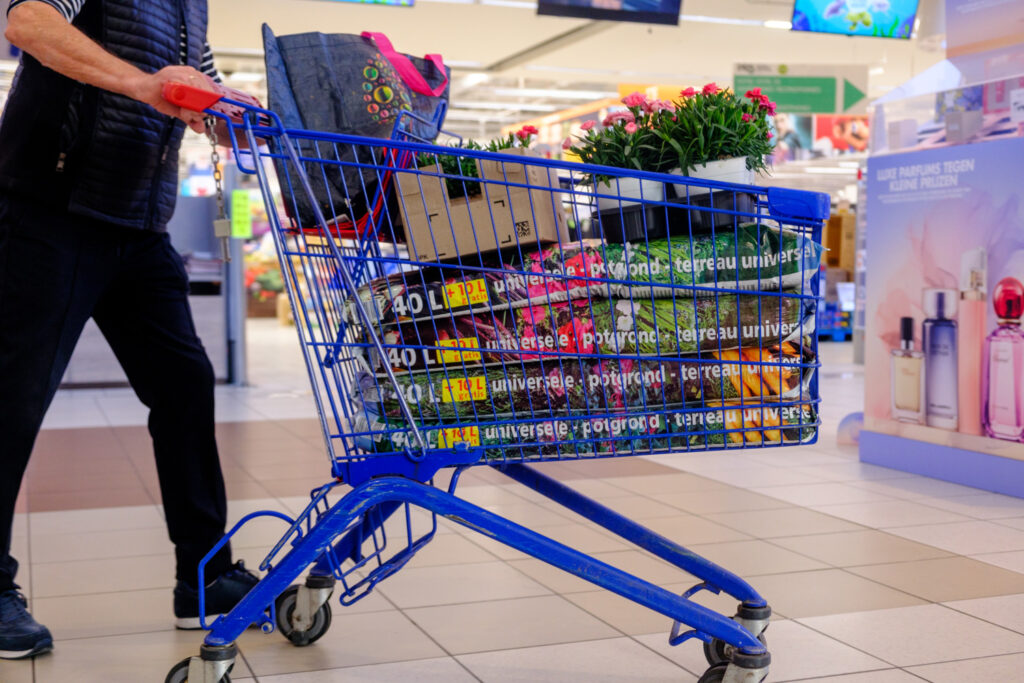
The average supermarket trolley became 3.83% more expensive in Belgium last year, according to calculations by consumer protection organisation Testachats on Tuesday. While chocolate, meat and coffee became more expensive, olive oil (finally) became cheaper.
Testachats has been tracking prices in six supermarket chains since the end of 2021. The "shopping trolley inflation" is calculated on the basis of more than 3,000 prices. On average, groceries now cost almost 4% more than at the beginning of 2025.
Chocolate in particular has become more expensive: milk chocolate is up 33% and dark chocolate is up 28%. In four years, the price has almost doubled. One hundred grams of dark chocolate now costs €1.83, compared to €1.51 a year earlier and €0.94 at the beginning of 2022.
The price of ground coffee rose by a fifth, while coffee pads rose by 28%. Testachats attributes the higher prices of chocolate and coffee to poor harvests and rising demand.
Good habits
Meanwhile, meat became 12% more expensive on average. Especially beef eaters have to dig deeper into their pockets: a kilogram of steak costs an average of around €26 in the supermarket, compared to €21.5 a year ago.
After three years of increases, olive oil became slightly cheaper. A litre of a private label brand costs €11.19, compared to €11.40 a year ago. The price of pasta and potatoes also fell. No significant price decreases were recorded for any products.
"Because it is impossible to predict how supermarket prices will evolve over the coming year, we can only advise consumers to adopt a number of good shopping habits," said Laura Clays, Testachats spokesperson.
"For example, always look at the price per unit so that you can compare products. That way, you will know right away whether a maxi pack is worth it or actually ends up being more expensive," she said. "Do not shop impulsively, because then you are more likely to fall for marketing ploys. Some own brands are still cheaper at full price than A-brands on promotion."
Credit: Belga
Predicting how supermarket prices will evolve over the coming year is extremely difficult. The Planning Bureau is forecasting a further decline in inflation for the first quarter of 2026, after which it is expected to rise slightly again to the level seen at the end of 2025.
However, it is difficult to make specific predictions for food, as much depends on weather conditions and whether or not diseases break out among plants or animals.
Additionally, the consequences of the Mercosur agreement are not yet clear. The agreement is intended to facilitate trade with a number of Latin American countries by reducing or even eliminating import duties. As Europe imports many agricultural products from Latin America, this could lead to lower prices.
