
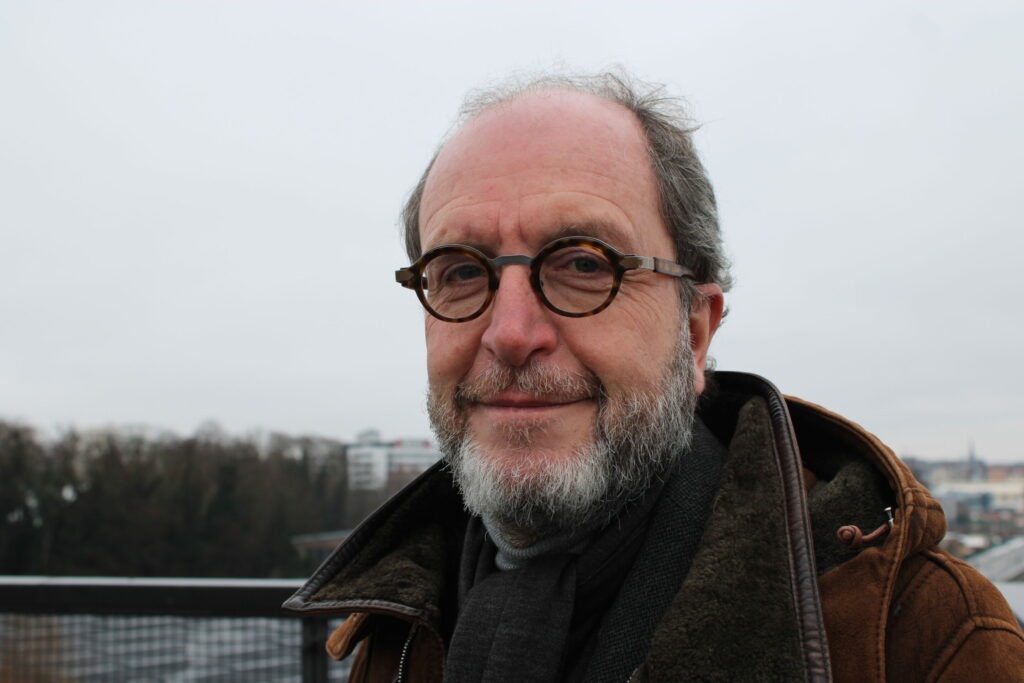
Fabrice Cumps (PS) governs one of Brussels' largest and most diverse municipalities, home to around 130,000 residents. Anderlecht is also one of its poorest.
A spate of shootings last year have shaken the municipality. Housing issues and drug trafficking made headlines. Cumps is expected to respond to all of it.
His description of the job can be summed up simply: crisis management. The municipality takes care of street cleanliness, deploys police forces, manages social services and responds to crises as they erupt. "But when it comes to organised crime, local power hits a hard ceiling,” he tells The Brussels Times.
Street-level dealers, he explains, are easily replaced. Arrests happen, but the system replenishes itself. The real power lies in the higher echelons within criminal networks and with the middlemen who operate beyond the municipality's reach.
Tracing drug traffickers requires judicial investigations and federal resources. "For the same problem, there is a local response and a federal one. And they are not interchangeable,” he explains.
This distinction matters because it defines what the mayor is responsible for. His role is not to dismantle drug networks. It is to ensure that the neighbourhoods in his municipality are safe.
More blue in the streets
Police patrols and elected officials themselves must be visible in the streets, he argues, as it makes residents feel less distant from the authorities, he adds.
"The worst thing," he says, "would be the feeling that there are lawless zones." In Anderlecht, he insists, there are no such no-go areas.
In the Peterbos social housing estate – an enclosed area that had become a hub for cocaine and cannabis dealing - criminal groups went so far as to erect barriers and control access.
Residents were trapped. Cumps did not promise the eradication of the drug dealing, his role was to manage the issue by imposing sanctions. A mayoral order allowing fines of up to €350 for people who cannot justify their presence in the area was issued.
The measure worked, to a degree. The barricades disappeared. Daily life resumed. Dealing did not vanish, but it receded, he argues.
"Anyone who claims they can eliminate street dealing is lying," he says. The mayor's task is to keep his municipality liveable.
Brussels-Midi station
Belgium's main international rail gateway, Brussels-Midi station is, for many visitors, their first encounter with the country’s capital. It is also a place where homelessness and crack dealing and use are rampant.
The station itself falls under federal responsibility. Its surroundings do not. The result, Cumps argues, is a structural imbalance: negative spillovers are absorbed by local authorities with finite means.
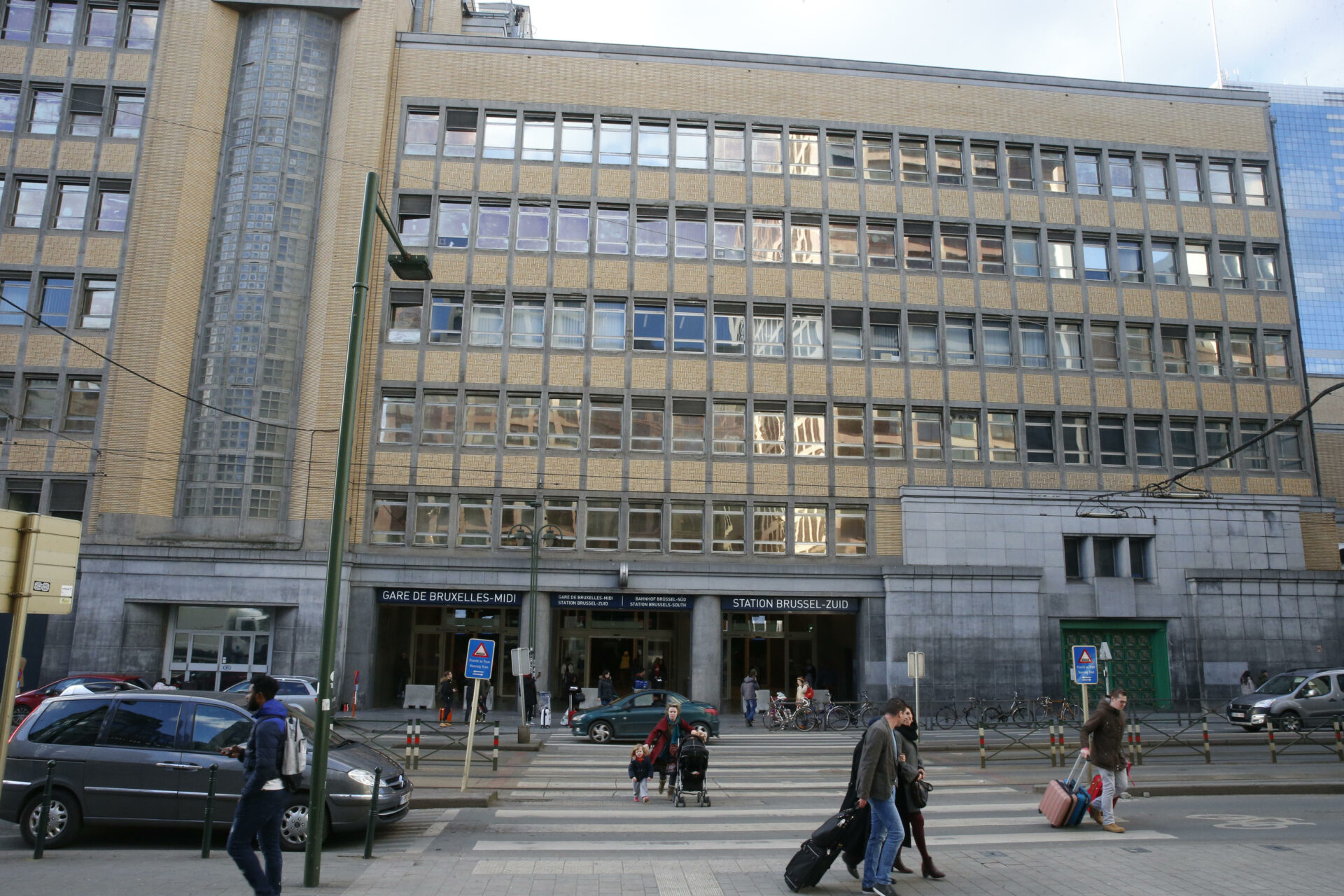
Brussels-Midi station. Credit: Belga / Nicolas Maeterlinck
He responds that more police presence is needed, both inside the station and around it. Federal reinforcements are paramount and long-promised urban redevelopment must finally be delivered.
Cumps governs by dealing with the urgent while waiting (often impatiently) for structural solutions that depend on other levels of power.
"Putting bandages on a leaking bottle"
Cumps reaches for a blunt metaphor to describe the role of a mayor. "My job is to put bandages on a leaking bottle," he says. "Changing the bottle goes beyond local government."
The bottle, in his view, is society itself. Drug trafficking and youth violence are symptoms of social fabric breakdown. And Anderlecht is not the only municipality (or even city) suffering from these issues. It is a phenomenon shared by big cities across Europe.
The long-term response, he argues, lies in education, access to work and integration. But according to him, these levers sit outside municipal control.
What the mayor can do is buy time. He can manage pressure, prevent abandonment, and keep the state visible where trust is fragile, he maintains.
He can also acknowledge, publicly, when the municipality cannot cope alone. During the peak of the shootings, Cumps says he did exactly that. "Sometimes you have to say, very humbly: we need help."
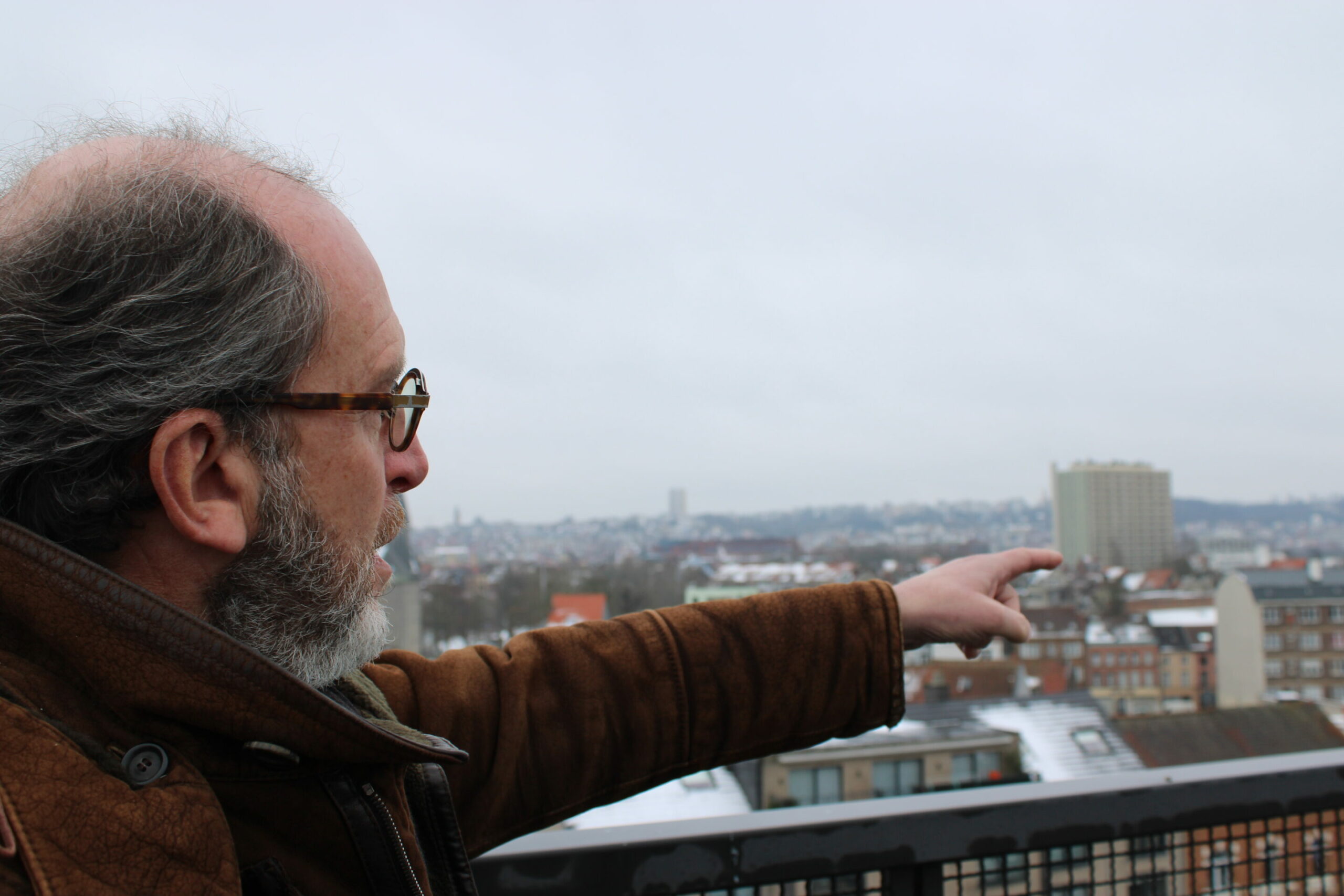
Fabrice Cumps. Credit : The Brussels Times/ Anas El Baye
Cumps repeatedly refers to another main task: explaining limits. "Explaining why housing inspections cannot always lead to evictions. Explaining why irregular migrants who commit offences are released. Explaining why some projects take decades to accomplish," he says.
This explanatory labour is political work. It is also risky in times of political polarisation; acknowledging limits might sound like weakness. Yet Cumps insists on it, he says, arguing that promising what cannot be delivered only deepens distrust.
In that sense, the mayor teaches citizens how the state actually functions, rather than how they wish it did.
