
The European Union is said to be demanding guarantees that the UK will pay it compensation if the British government reneges on a post-Brexit ‘reset’ deal currently under negotiation.
The reset involves developing closer economic ties between the UK and EU after years of frosty relations following the UK's tumultuous exit from the EU. The current phase of the reset is focused on three areas: food and farm exports, electricity, and emissions trading.
The EU appears to be approaching the reset with some caution. According to the Financial Times, the draft text of an agreement on agricultural trade stipulates that any party which reneges on the deal will pay to cover the cost of reinstating border controls and related infrastructure.
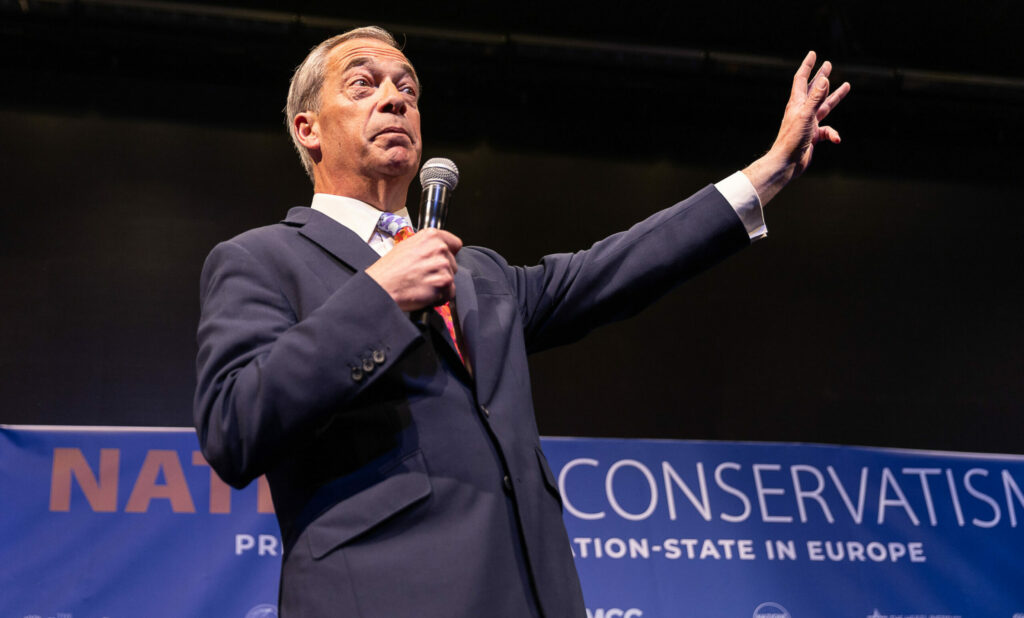
EU diplomats reportedly dubbed the passage ‘the Farage clause’ in reference to Nigel Farage, the leader of populist right-wing party Reform UK. If recent polling is to be believed, Farage’s party is on course to win a majority of seats in the UK parliament at the next general election.
The EU is keen to ensure that if this comes to pass and Farage decides to scrap the agreement, the bloc will not have to foot the bill for reinstated border checks. An EU diplomat described the clause as a “safety provision to provide stability and a deterrent for Farage and co”.
Farage responded to the FT report by promising to break the reset deal. “No Parliament may bind its successor and we will not honour any clause. If Starmer signs this, it’s a democratic outrage,” he told the FT.
The UK’s exit from the EU cost the bloc enormous sums of money. In 2020, the EU put in place a €5.4bn fund to help member states deal with the costs of Brexit. Various countries – notably Ireland, France and the Netherlands – were allocated millions of euros to cover the costs of new border and veterinary controls.
This year marks 10 years since Britain voted to leave the EU and five years since the UK-EU Trade and Cooperation Agreement was signed.
In recent months, Brexit has climbed the British political agenda, with a number of ministers stating their support for deeper ties with the EU. Polls suggest a majority of the public now believes the UK was wrong to leave the EU.
In a recent interview with the BBC, British Prime Minister Sir Keir Starmer said the UK should move towards closer alignment with EU markets "if it's in our national interest". However, he ruled out revisiting his party's red lines on Brexit (no return to the single market, the customs union or freedom of movement).
