
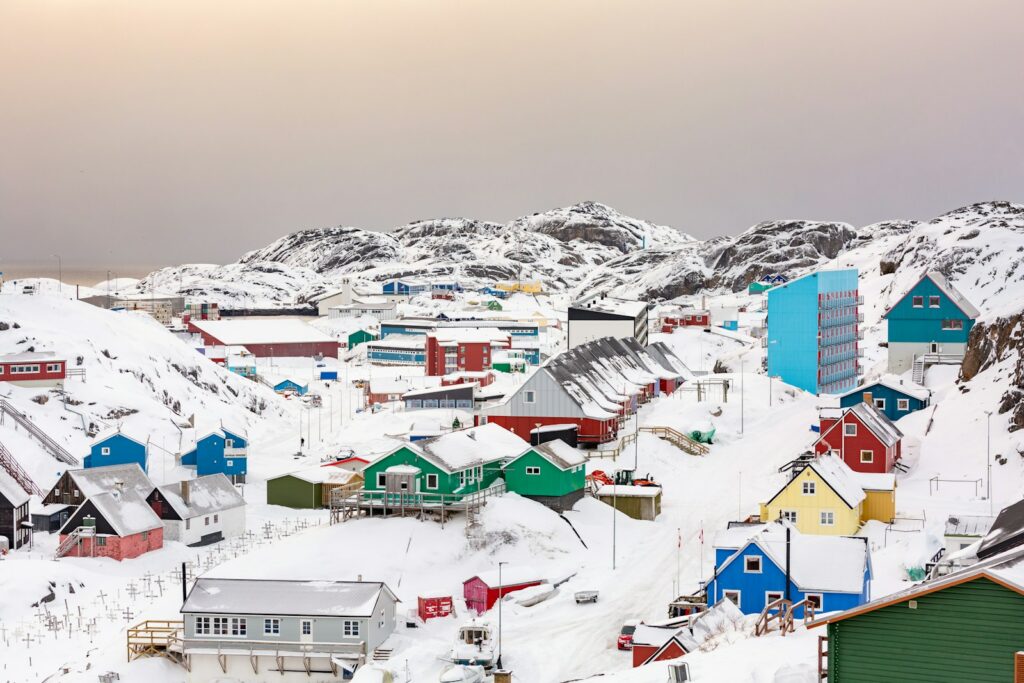
The European Parliament has condemned what they described as unilateral US trade threats and economic intimidation directed at Denmark and other EU countries, warning that Greenland must not be used to divide the European Union.
The MEPs adopted a resolution stating that these actions were incompatible with international law and the principles of cooperation between NATO allies, and called for the EU to respond “firmly, collectively and decisively," the parliamentary press service reported on Wednesday.
The MEPs also criticised what they called a more “transactional” US foreign policy approach, including reduced commitment to multilateralism and European security, and said the EU should draw lessons from its vulnerabilities to avoid future coercion.
The comments came as the Parliament set out its assessment of the EU’s common foreign and security policy, warning that an “arc of instability” had formed around Europe – from Ukraine and the Caucasus to the Middle East, the Sahel and the Arctic.
The MEPs backed a diplomatic solution to the war in Ukraine but warned against any settlement “imposed by Russia” or that rewards Russian aggression, saying such an outcome would undermine European security.
Defence autonomy and Greenland concerns
The Parliament’s annual report on the EU’s common security and defence policy said Russia’s repeated aggressions had undermined Europe’s security order and exposed failures in “institutional and political processes."
The MEPs called for a renewed European security architecture that strengthens EU cooperation with NATO, while also saying member states must be ready to act autonomously under the EU’s mutual assistance clause – a commitment in Article 42(7) of the EU treaty requiring other member states to provide aid and assistance if one is attacked.
The Parliament raised concerns about foreign interference in Greenland, including what it called hybrid actions and explicit US threats to Greenland’s sovereignty, describing them as a major threat to EU strategic interests and the Atlantic alliance.
The MEPs backed a joint statement by several EU member states on 6 January 2026 saying Greenland’s future can only be decided by Denmark and Greenland.
The foreign and security policy report was adopted by 392 votes to 179, with 83 abstentions, while the defence report was adopted by 395 votes to 197, with 70 abstentions.
