
European leaders eased pressure on the United States after Donald Trump withdrew his threats to use force in Greenland and impose tariffs on several EU member states.
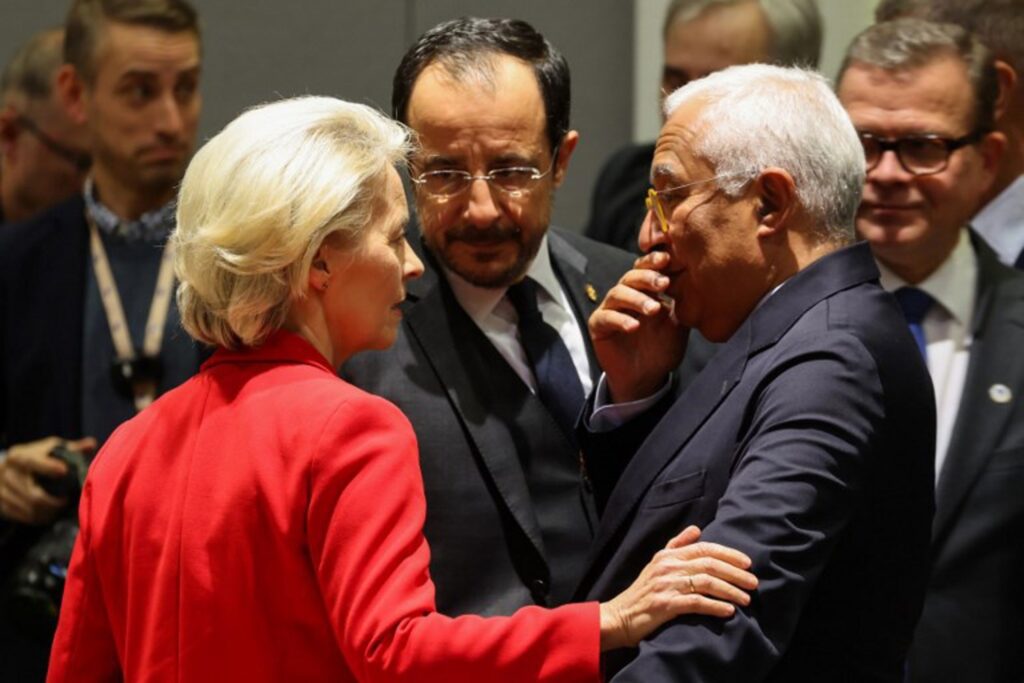
The 27 heads of state and government held an emergency summit in Brussels on Thursday following the US president’s provocations over the weekend. By Wednesday evening, tensions had slightly eased after Trump initiated a de-escalation.
European Council President Antonio Costa reaffirmed the EU’s full support for Denmark and Greenland. He stated that the principles of international law, territorial integrity, and national sovereignty would continue to guide the EU’s actions.
Costa highlighted that additional tariffs from the US would have contradicted the EU-US trade agreement reached last summer. He stressed the need to focus on implementing this agreement to stabilise trade relations between the two powers.
Work on legislative proposals for the trade agreement within the European Parliament had been halted due to Trump’s earlier stance. However, European Parliament President Roberta Metsola expressed optimism that reduced tensions could allow progress to resume.
European Commission President Ursula von der Leyen noted that the EU had adopted a firm yet measured approach in its dealings with the US, emphasising unity among EU member states. She also confirmed that the EU was equipped with trade counter-measures if tariffs had been imposed.
During the summit, the EU leaders discussed the importance of working towards greater economic and political independence for Europe.
Speaking on the “Board of Peace” initiative launched by President Trump in Davos earlier on Thursday, Costa voiced concerns about its scope, governance, and compatibility with the United Nations Charter. Although he expressed willingness to collaborate with the US on implementing a peace plan for Gaza, he stated that EU leaders had serious reservations.
The “Board of Peace,” initially focused on monitoring the Gaza peace plan, has expanded its mandate to address other global conflicts, according to its charter. Some European leaders fear Trump is attempting to establish the organisation as a rival to the United Nations.
A number of countries, including Argentina, Belarus, Egypt, Israel, Morocco, the UAE, Pakistan, Qatar, Saudi Arabia, and Turkey, have joined the initiative, along with Hungary and Bulgaria, the only EU member states to accept the invitation so far. Other EU nations, including Belgium, declined to participate.
